Conditioning a Shorthair’s Pads Before Opening Day
The crisp air of autumn, the scent of turning leaves, and the promise of a full day in the field – it’s a feeling every German Shorthaired Pointer owner lives for. But that excitement can quickly turn to worry if your trusty companion isn't ready for the rigors ahead. Nothing sidelines a hunting dog faster than tender, torn pads, and watching your Shorthair limp after just an hour or two is heartbreaking. This comprehensive guide is all about getting those paws toughened up and resilient, ensuring your German Shorthaired Pointer can run hard and hunt strong from opening day until the very last retrieve.
Understanding the German Shorthaired Pointer's Pads
Our German Shorthaired Pointers are athletes, built for endurance and speed across varied terrain. Their paws are their primary interface with the hunting ground, and just like a human athlete's feet, they need to be in peak condition to perform without injury. Ignoring their paw health until the season kicks off is a recipe for disappointment, both for you and your dog.
The Anatomy of a Working Dog's Paw
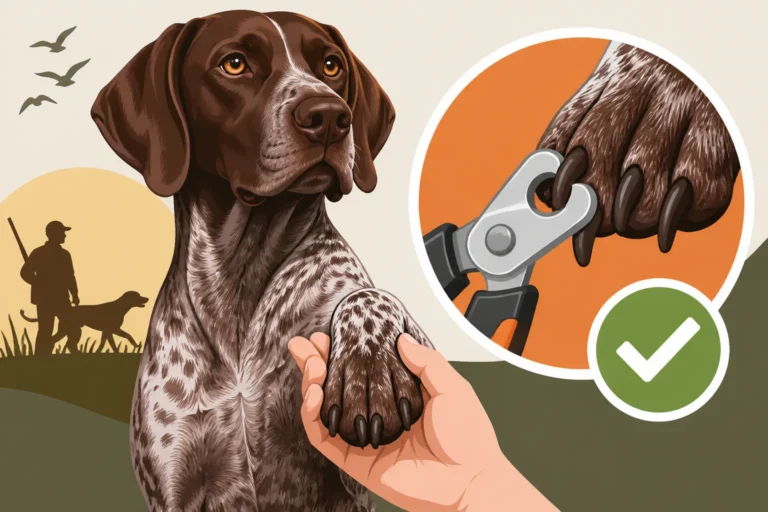
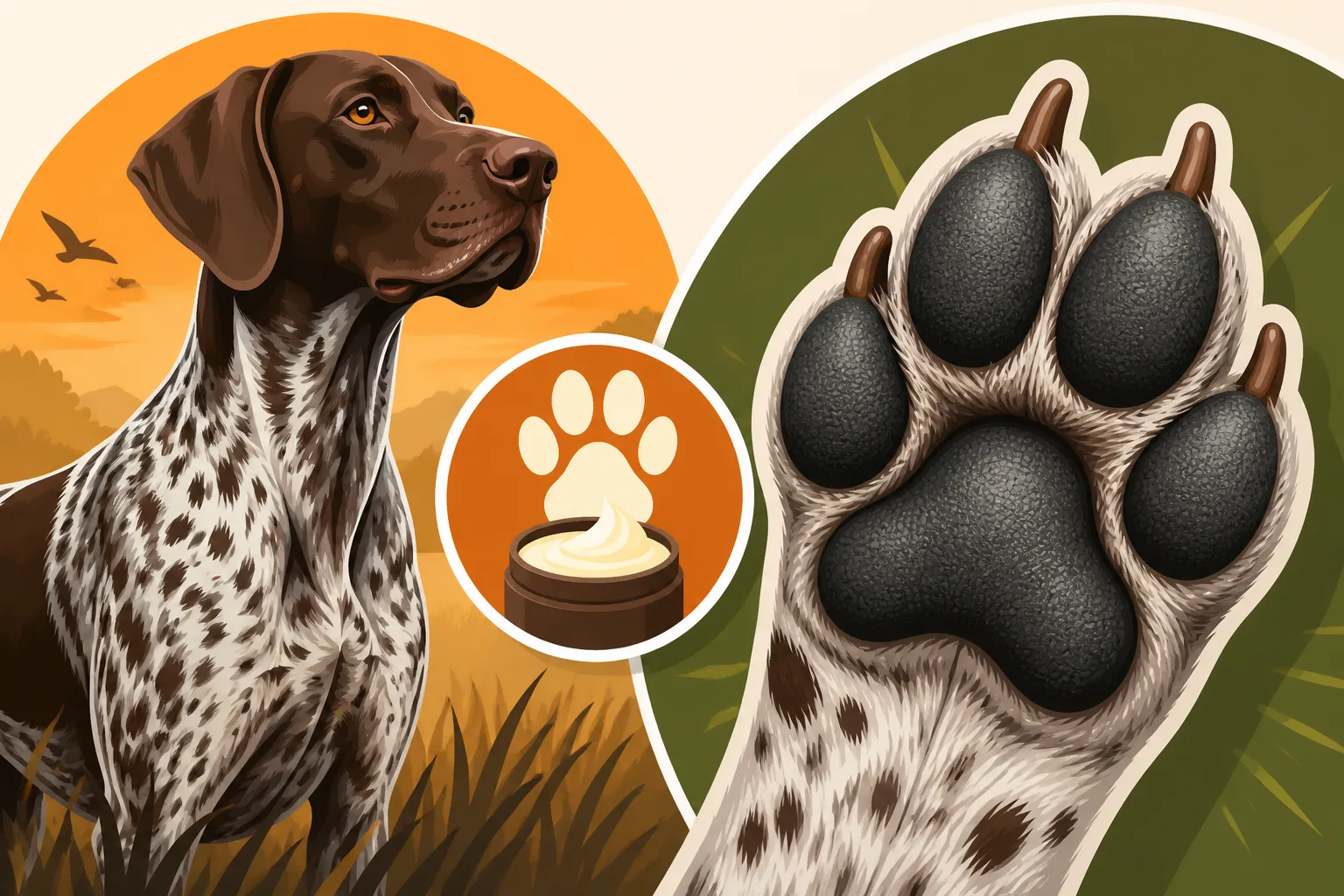
A German Shorthaired Pointer's paw is a marvel of natural engineering, designed to absorb shock, provide traction, and protect delicate bone structures. It's composed of several key parts: the digital pads (toes), the metacarpal or metatarsal pad (the large central pad), and the dewclaws (if present). Each pad has a thick, tough outer layer of keratinized skin, similar to our fingernails, but much more durable and designed to withstand friction and pressure. Beneath this protective layer, there's a fatty, elastic tissue that acts as a cushion, protecting bones and joints from impact. Blood vessels and nerves are abundant, making these areas highly sensitive to pain if damaged. This intricate design allows them to navigate everything from rocky inclines to marshy bogs, but it’s not invincible.
The texture and thickness of a Shorthair's pads adapt over time based on their activity level and the surfaces they encounter. A dog that spends most of its life on soft carpet or manicured lawns will naturally have softer, less resilient pads than one accustomed to daily treks over gravel, concrete, and rough fields. This is why a sudden burst of intense activity on abrasive surfaces, like those found during hunting season, can easily lead to cracks, abrasions, and deep cuts. Understanding this fundamental adaptation is the first step in preparing your dog for the demanding work ahead.
Common Pad Issues for Shorthairs
German Shorthaired Pointers, with their boundless energy and drive, are particularly susceptible to paw pad injuries. One of the most common issues is simple abrasion – the pads literally get rubbed raw from extended contact with rough ground. Imagine running a marathon in brand new shoes without breaking them in; that's what a Shorthair experiences with unprepared pads. Cracks are another frequent problem, often occurring when pads become overly dry or are repeatedly subjected to extreme changes in temperature and moisture. These cracks can range from superficial splits to deep fissures that bleed and are incredibly painful, opening the door for infection.
Foreign objects are also a huge concern. Small, sharp stones, thorns, burrs, or dreaded foxtails can embed themselves in the soft tissue between the pads or even puncture the pads themselves, causing acute pain and potentially leading to serious infections or abscesses. Chemical irritants, like those encountered on treated fields or even some winter de-icers, can also cause burning and irritation. It's not uncommon to find a hunting Shorthair coming home with a cut pad from sharp stubble or barbed wire after a long day in the field, which can be devastating to their season. Acknowledging these vulnerabilities is crucial for proactive prevention.
The Importance of Off-Season Pad Maintenance
Many of us make the mistake of thinking about pad conditioning only a few weeks before opening day. The reality is, optimal paw health is a year-round commitment. Just like a professional athlete doesn't wait until training camp to start exercising, your German Shorthaired Pointer's pads shouldn't be neglected during the off-season. Consistent, albeit lower-intensity, maintenance builds a resilient foundation that pays dividends when the serious work begins.
Preventing Softness During Down Time
During the off-season, when hunting is on hiatus, it's easy for a Shorthair's pads to become soft if their daily routine shifts dramatically to indoor living or only soft surfaces. While it's great for them to lounge on the couch, entirely eliminating exposure to varied terrains can quickly undo all the hard-earned toughness from the previous season. The goal isn't to put them through rigorous training, but rather to ensure a baseline level of paw resilience. Regular walks on pavement, gravel driveways, and natural dirt trails, even for shorter durations, help maintain that hardened outer layer. It’s about simulating the natural wear and tear their paws would experience in a less intense, controlled manner.
Think of it like keeping calluses on your hands; if you stop working, they soften. The same principle applies to your Shorthair's pads. Incorporating short, daily excursions on different surfaces prevents them from becoming overly delicate. Even a brisk 30-minute walk around the neighborhood, touching upon various textures, can be incredibly beneficial. This continuous, low-impact exposure ensures that when you do start increasing the intensity for pre-season conditioning, their pads aren't starting from scratch. Regularly inspecting their paws during these walks also helps catch minor issues before they escalate, reinforcing good habits for both you and your dog.
Gradual Exposure to Varied Terrains
The key to preventing pad injuries isn't just toughness, it's adaptability. A hunting German Shorthaired Pointer needs pads that can handle anything from soft marsh grass to rocky ridges, sandy fields to icy crust. Sudden changes in terrain without prior exposure are a major cause of injury. Therefore, off-season maintenance should include gradual exposure to as many different natural surfaces as possible. Start slowly, perhaps with 10-15 minutes on a new type of ground, and observe your dog for any signs of discomfort.
Over weeks and months, you can progressively increase the duration and intensity of these varied exposures. Take them to a local park with a gravel path, a nature trail with exposed roots and dirt, or even a quiet country road with a mix of asphalt and loose stone. The idea is to incrementally build up their tolerance and toughen their pads to a diverse range of environmental challenges. This isn't just about physical conditioning; it also helps your dog's proprioception (their sense of where their body is in space), making them more agile and less prone to missteps on unpredictable ground. Remember, variety is the spice of life, and in this case, the foundation of resilient paws.
Building Toughness: A Pre-Season Conditioning Program
As opening day draws nearer, it's time to ramp up the specific conditioning efforts. This isn't just about getting your Shorthair physically fit for the hunt; it's about making sure their paws are just as ready as their lungs and muscles. A structured approach, starting several weeks in advance, is vital to prevent injuries and ensure they can perform their best.
Structured Walking and Running Regimen
Starting your Shorthair's pad conditioning program about 6-8 weeks before the hunting season begins is ideal. Begin with daily walks of moderate duration (30-60 minutes) on varied surfaces like pavement, gravel, and packed dirt trails. Avoid extreme temperatures during these initial stages – early mornings or late evenings are best in warmer climates. The goal is to gradually increase the friction and pressure on their pads without overdoing it. Monitor their paws closely after each outing for any redness, tenderness, or cracking. A great way to do this systematically is to incrementally increase the distance or time spent on rougher terrain by about 10-15% each week.
Once their pads show good initial toughening, you can introduce short bursts of running on these same varied surfaces. For example, alternate 5-10 minutes of running with 15-20 minutes of walking. This replicates the stop-and-go nature of hunting, where bursts of speed are followed by periods of focused tracking. Incorporate hills and varied inclines to work different parts of the paw and build overall leg strength. Remember, consistency is key, so try to stick to a routine. If you miss a day, don't try to make up for it by doubling the next day's activity; just pick up where you left off. This steady, progressive overload is what builds true resilience.
Utilizing Different Surfaces for Conditioning
True pad conditioning means exposing your German Shorthaired Pointer's paws to the very surfaces they will encounter while hunting. Sticking to soft grass or perfectly smooth trails won't prepare them for the sharp stubble of a cornfield, the abrasive grit of a gravel road, or the slippery mud of a riverbank. Diversify your conditioning locations to include concrete, asphalt, pea gravel, rocky trails, sandy patches, and even wet ground.
A practical way to do this is to plan your walks and runs to incorporate segments of different surfaces. For instance, start on pavement, transition to a dirt path, then cut across a grassy field, and finish up on a short stretch of gravel. The varied textures will stimulate different areas of the pads, promoting even toughening. For dogs that will hunt waterfowl, incorporating water retrieves into your regimen is crucial. Frequent wetting and drying can soften pads, so gradually introduce swimming and water work, ensuring their pads have time to adapt. Regularly check their paws during and after these sessions, especially when introducing a new type of terrain, to ensure no irritation or damage is occurring. This holistic approach ensures their paws are not just tough, but adaptable to any challenge the field throws at them. The Age a German Shorthaired Pointer Can Start Roadwork provides additional insights into appropriate exercise progression.
Nutritional Support for Healthy Paws
While external conditioning is paramount, what goes into your German Shorthaired Pointer's body is just as vital for the health and resilience of their paw pads. A well-balanced diet provides the building blocks for strong skin, healthy connective tissues, and robust immune function, all of which contribute to durable paws. Neglecting nutrition can undermine even the most diligent physical conditioning efforts.
Essential Nutrients for Skin and Pad Integrity
The skin and paw pads rely on a variety of nutrients to maintain their integrity and repair themselves. High-quality protein is fundamental, as it provides the amino acids necessary for building and repairing skin cells. Look for dog foods that list a named meat source (like chicken, beef, or salmon) as the first ingredient. Omega-3 fatty acids, particularly EPA and DHA found in fish oil, are critical for reducing inflammation and promoting healthy, supple skin and pads. These "good fats" help keep the skin moisturized from within, preventing dryness and cracking. You might find quality supplements on sites like Chewy to boost these omega-3s if your dog's food doesn't provide enough.
Vitamins and minerals also play significant roles. Zinc, for example, is essential for skin healing and immune function. Biotin, a B vitamin, is often linked to healthy skin, coat, and nails. Antioxidants like Vitamin E and C help protect cells from damage. A deficiency in any of these key nutrients can lead to brittle nails, dry skin, and more vulnerable paw pads. Ensuring your Shorthair's diet is complete and balanced, potentially with a targeted supplement under veterinary guidance, can make a noticeable difference in their paw pad health.
Hydration as a Cornerstone of Paw Health
Just like the rest of their body, a German Shorthaired Pointer's paw pads require adequate hydration to remain supple and resilient. Dehydrated pads are more prone to cracking, especially when subjected to the friction and impact of hunting. This isn't just about ensuring access to fresh water throughout the day; it's also about the water content in their food. Dogs that eat primarily dry kibble may benefit from adding water or broth to their meals, or considering a fresh food diet. Brands like Ollie offer fresh, human-grade food options that naturally have a much higher moisture content than typical dry kibble, which can contribute to overall hydration and thus healthier skin and pads.
Maintaining consistent hydration is especially critical during periods of increased activity or warmer weather. When your Shorthair is working hard in the field, they are constantly expelling moisture, and it's easy for them to become dehydrated. Always carry ample fresh water for your dog during training and hunting sessions, and offer it frequently. Whether a Shorthair Drinks Enough on Its Own is a good read on this topic. Think of it this way: well-hydrated pads are more elastic and less likely to tear or crack under stress. It's a simple, yet often overlooked, aspect of comprehensive paw care that can prevent serious issues.
Topical Treatments and Protective Gear
Sometimes, even with the best diet and conditioning, your German Shorthaired Pointer's pads need a little extra help. Topical treatments can provide direct nourishment and protection, while protective gear offers a physical barrier against harsh environments. Integrating these tools into your pre-season routine can significantly enhance paw resilience.
Pad Conditioners and Balms
Paw pad conditioners and balms are designed to moisturize, protect, and even slightly toughen the pads. These products typically contain ingredients like beeswax, shea butter, lanolin, and various oils (like coconut or vitamin E oil) that create a protective barrier while nourishing the skin. Applying a balm daily during the conditioning phase, especially before bed, allows the ingredients to absorb and work overnight without being immediately worn off by walking. This regular application helps prevent dryness and cracking, making the pads more pliable and less prone to injury. You can find a wide variety of effective paw balms on Amazon, often with natural, dog-safe ingredients.
When choosing a product, look for those specifically formulated for dog paws, as some human lotions might contain ingredients that are toxic if ingested when your dog licks their paws. Consistency in application is key; a sporadic approach won't yield the desired results. Gently massage the balm into all pads, including the areas between the toes, paying close attention to any rough or dry spots. This routine not only benefits their pads but also provides an excellent opportunity to inspect their paws closely for any developing issues, such as small cuts, thorns, or early signs of irritation. For more specific product recommendations, you can check out Pad Toughener Products for a Hunting Shorthair.
Considering Boots for Extreme Conditions
While the goal is to condition your Shorthair's pads to withstand tough conditions, there are times when boots are a necessary and wise protective measure. Boots are invaluable for extreme environments that even the toughest pads might struggle with, such as hunting in deep snow and ice, over abrasive rock fields, through areas with sharp stubble or burrs, or on ground treated with harsh chemicals. They provide an immediate physical barrier against cuts, punctures, frostbite, and chemical burns.
The challenge with boots lies in getting your German Shorthaired Pointer accustomed to wearing them. Start introducing boots slowly, well before opening day. Have them wear the boots for short periods around the house, offering plenty of praise and treats. Gradually increase the duration and introduce them during short walks on familiar, soft surfaces before attempting longer outings or rougher terrain. Ensure a proper fit – boots that are too tight can restrict circulation, while those too loose can rub and cause blisters or fall off. Different brands offer various styles and materials, so you might need to try a few to find the best fit and durability for your dog. For specific advice on selection, refer to Boots for a Shorthair on Rock and Stubble. While boots aren't a substitute for well-conditioned pads, they are an essential tool in your arsenal for protecting your hunting partner.
Recognizing and Addressing Early Signs of Trouble
Even with the most diligent conditioning and care, injuries can happen. Being able to recognize the early signs of paw pad trouble is crucial for preventing minor issues from escalating into serious problems that could bench your German Shorthaired Pointer for the season. Early intervention can make all the difference in a quick recovery.
Identifying Soreness and Cracks
A German Shorthaired Pointer is often stoic, pushing through discomfort, which can make it challenging to spot early signs of paw soreness. However, subtle changes in their gait or behavior can be indicators. Watch for a slight limp, favoring one paw, or an unwillingness to put full weight on a particular foot. They might also shift their weight more frequently when standing, or sit down more often than usual during walks. On closer inspection, look for pads that appear unusually red, inflamed, or hot to the touch. Fine cracks might be visible, especially around the edges of the pads or between the toes. Sometimes, the pads might just feel unusually rough or dry.
Regularly inspecting your dog's paws, ideally daily during the pre-season and hunting season, allows you to establish a baseline for what their healthy pads look and feel like. Pay attention to their reactions when you touch their paws; any flinching, pulling away, or licking could indicate tenderness. It's also worth noting if they start licking their paws excessively, as this is often a tell-tale sign of irritation or pain. Catching these signs early means you can apply balm, reduce activity, or seek veterinary advice before a minor crack turns into a deep, bleeding wound, or before an inflamed pad becomes an open sore.
First Aid for Minor Pad Injuries
Knowing how to administer basic first aid for minor paw pad injuries is an essential skill for any German Shorthaired Pointer owner, especially during hunting season. For small cuts, scrapes, or superficial cracks that aren't bleeding heavily, the first step is to clean the area thoroughly with a mild antiseptic solution (like diluted povidone-iodine or chlorhexidine) and warm water. Remove any visible debris, dirt, or foreign objects with tweezers, being careful not to push them in further. Once clean, apply an antibiotic ointment safe for dogs and cover the wound with a non-stick pad and a self-adhering bandage (like VetWrap) to keep it clean and protected. Change the bandage daily and monitor for signs of infection such as swelling, increased redness, pus, or a foul odor.
For more severe injuries like deep cuts, profuse bleeding, or suspected punctures from thorns or foxtails that might have migrated, immediate veterinary attention is necessary. While en route to the vet, you can apply direct pressure to a bleeding wound with a clean cloth or gauze. Remember that some foreign objects, especially foxtails, can be incredibly insidious and travel beneath the skin, requiring professional extraction. Always have a well-stocked first aid kit for a hunting German Shorthaired Pointer ready, including antiseptic wipes, gauze, non-stick pads, medical tape, bandage material, and a canine-safe antibiotic ointment. Your quick response can prevent complications and get your Shorthair back in the field faster.
The Week Before Opening Day: Final Preparations
The week leading up to opening day is a flurry of excitement, but it's also a critical time for final paw pad preparations. This is when you consolidate all your conditioning efforts and make sure your German Shorthaired Pointer is truly ready for the intense demands of the season.
Last Minute Toughening Tips
By the week before opening day, your German Shorthaired Pointer's pads should be well-conditioned, but there are still a few things you can do to provide that extra layer of resilience. Continue with daily pad balm applications, perhaps even increasing the frequency to twice a day if your dog's pads tend to dry out quickly. This keeps them supple and helps to prevent cracking. While you shouldn't introduce any new intense exercises at this late stage, maintaining moderate activity on varied surfaces is beneficial. A few short, brisk walks on pavement or gravel will help maintain the calluses without risking injury from overexertion.
Some owners swear by products containing tannic acid or iodine solutions as a final toughening step, though these should be used sparingly and with caution, as overuse can lead to excessive dryness. Always test a small area first. Focus more on ensuring the pads are clean, hydrated, and free from any minor nicks or irritations. This is also a good time to trim any excessively long hair between the paw pads, which can collect burrs, dirt, and moisture, leading to matting and potential irritation. Keeping this hair short allows for better air circulation and makes it easier to inspect the pads daily.
Packing Your Paw First Aid Kit
Before you head out for opening day, a fully stocked and easily accessible paw first aid kit is non-negotiable. This is separate from your general dog first aid kit, focusing specifically on paw-related emergencies. Ensure it contains:
- Antiseptic Wipes or Solution: For cleaning wounds.
- Sterile Gauze Pads: To clean and cover wounds.
- Non-Stick Pads: To place directly over a wound to prevent sticking.
- Self-Adhering Bandage (VetWrap): To secure dressings without being too tight.
- Medical Tape: For extra security, especially if using non-self-adhering bandages.
- Blunt-Tip Scissors: For cutting bandages and trimming fur around wounds.
- Tweezers: For removing thorns, splinters, or other foreign objects.
- Canine-Safe Antibiotic Ointment: To prevent infection in minor cuts.
- Paw Balm/Conditioner: For ongoing lubrication and protection.
- Pair of Dog Boots: As a protective measure for an injured paw, allowing your dog to walk back to the truck without further damage.
- Small Flashlight: Crucial for examining paws in low light conditions.
Organize your kit in a small, waterproof bag or container that you can easily grab from your hunting vest or truck. Knowing exactly where these items are and how to use them will save precious time if an injury occurs in the field. This proactive approach to paw care and preparedness is a hallmark of a responsible German Shorthaired Pointer owner, setting both you and your dog up for a safe and successful hunting season. Checking a German Shorthaired Pointer Over After a Hunt reinforces the importance of post-hunt examination.
A Sample Pre-Season Pad Conditioning Schedule
Here's a sample schedule to help you gradually prepare your German Shorthaired Pointer's paw pads for the rigors of hunting season. This assumes a 6-week lead time, but you can adjust durations based on your dog's current fitness and pad condition. Always observe your dog and adjust accordingly.
| Week | Daily Activity | Key Focus | Paw Care Routine | Notes |
|---|---|---|---|---|
| 6 Weeks Out | 30-45 minutes of brisk walking on varied, gentle surfaces (grass, smooth dirt, short paved sections). | Building baseline pad toughness; general fitness. | Daily quick inspection; apply light paw balm 3-4x/week. | Start with easier surfaces. Observe for any tenderness or redness. Introduce short periods (5-10 min) on slightly rougher ground if tolerated. |
| 5 Weeks Out | Increase walking duration to 45-60 minutes. Introduce 5-10 minute jogging intervals on varied surfaces. | Gradual increase in impact and friction. | Daily inspection; daily paw balm application (PM). | Begin exposing to slightly more abrasive surfaces (fine gravel, packed dirt trails). Ensure ample water breaks. |
| 4 Weeks Out | 60 minutes of walking/jogging. Introduce short (15-20 min) runs on mixed terrain. | Strengthening pads for sustained effort; building endurance. | Daily inspection; daily paw balm application (PM); trim paw hair if needed. | Include longer stretches of pavement and gravel. Consider short water retrieves if applicable to hunting. |
| 3 Weeks Out | 60-75 minutes of varied activity, including longer runs (20-30 min) on mixed terrain. | Peak conditioning for resilience and stamina. | Daily thorough inspection; daily paw balm application (AM & PM if pads are dry). | Incorporate hills or more challenging natural terrain. Start introducing boots for short periods around the house if planning to use them. |
| 2 Weeks Out | Maintain 60-75 minutes of activity, focusing on typical hunting conditions. Short, intense bursts. | Refine agility and pad readiness for specific hunting environments. | Daily thorough inspection; daily paw balm (AM & PM); ensure nail trims are current. | Simulate hunt conditions: longer stretches on stubble, thicker brush (if safe). Practice boot wear during walks. |
| 1 Week Out | Taper activity: 30-45 minutes of moderate walking on varied surfaces. No intense running. | Rest and recovery; final toughening without overexertion. | Daily inspection; daily paw balm (AM & PM); prep paw first aid kit. | Focus on keeping pads supple. Final check of boots and other gear. Avoid anything that could cause last-minute injury. Ensure hydration is top-notch. |
Caring for Pads After the Hunt
The work doesn't stop once you've picked up your last bird of the day. Post-hunt paw care is just as crucial as pre-season conditioning for maintaining your German Shorthaired Pointer's health and readiness for the next outing. Neglecting their paws after a strenuous day can lead to discomfort, infection, and prolonged recovery.
Post-Hunt Examination and Cleaning
As soon as your German Shorthaired Pointer is done working and cooled down, the first thing you should do is a thorough paw examination. This means literally picking up each paw, carefully inspecting every pad, and gently spreading their toes to look between them. Look for:
- Cuts, Scrapes, or Punctures: Even small ones can become infected.
- Embedded Debris: Thorns, burrs, grass awns, small stones, or even dried mud can irritate or lead to abscesses.
- Cracks or Dryness: Especially in the main pads or between the toes.
- Redness or Swelling: Signs of irritation, inflammation, or infection.
- Bleeding: Any active bleeding needs immediate attention.
Once inspected, clean their paws thoroughly. If you were hunting in muddy or wet conditions, rinse their paws with clean water to remove dirt and chemicals. For general cleaning, a damp cloth can suffice. This cleaning process not only removes potential irritants but also serves as another opportunity to check for any missed injuries. Don't forget to dry their paws completely, especially between the toes, to prevent moisture-related skin issues like bacterial or fungal infections. This simple routine, perhaps while you're unwinding after the hunt, can prevent a lot of heartache.
Recovery and Continued Maintenance
After cleaning and inspecting, it's time to support recovery. Apply a generous amount of paw balm or conditioner to all pads. This helps to rehydrate the skin, soothe any minor irritation, and promote healing of superficial dryness or micro-abrasions. If you found any minor cuts or scrapes, clean them again and apply a canine-safe antibiotic ointment before covering with a light bandage if needed. Ensure your Shorthair has a comfortable, clean, and dry place to rest. Helping a Stiff Old German Shorthaired Pointer Get Up highlights the importance of rest and comfort for working dogs, especially as they age.
The day after a hard hunt, keep activity light. A gentle walk on soft ground is usually sufficient. Continue daily paw inspections and balm applications throughout the hunting season, even on non-hunting days. This ongoing maintenance ensures that minor issues don't accumulate and that their pads remain in top condition for their next adventure. Proper post-hunt care is an investment in your German Shorthaired Pointer's longevity in the field and their overall well-being. It’s about recognizing the effort they put in and giving them the care they deserve so they can keep doing what they love.
Disclaimer
This article is for general informational purposes only and does not constitute professional advice. Laws, prices and regulations vary by location and change over time. Consult a qualified professional for guidance on your specific situation.