Whether to Feed a Shorthair Before a Morning Hunt
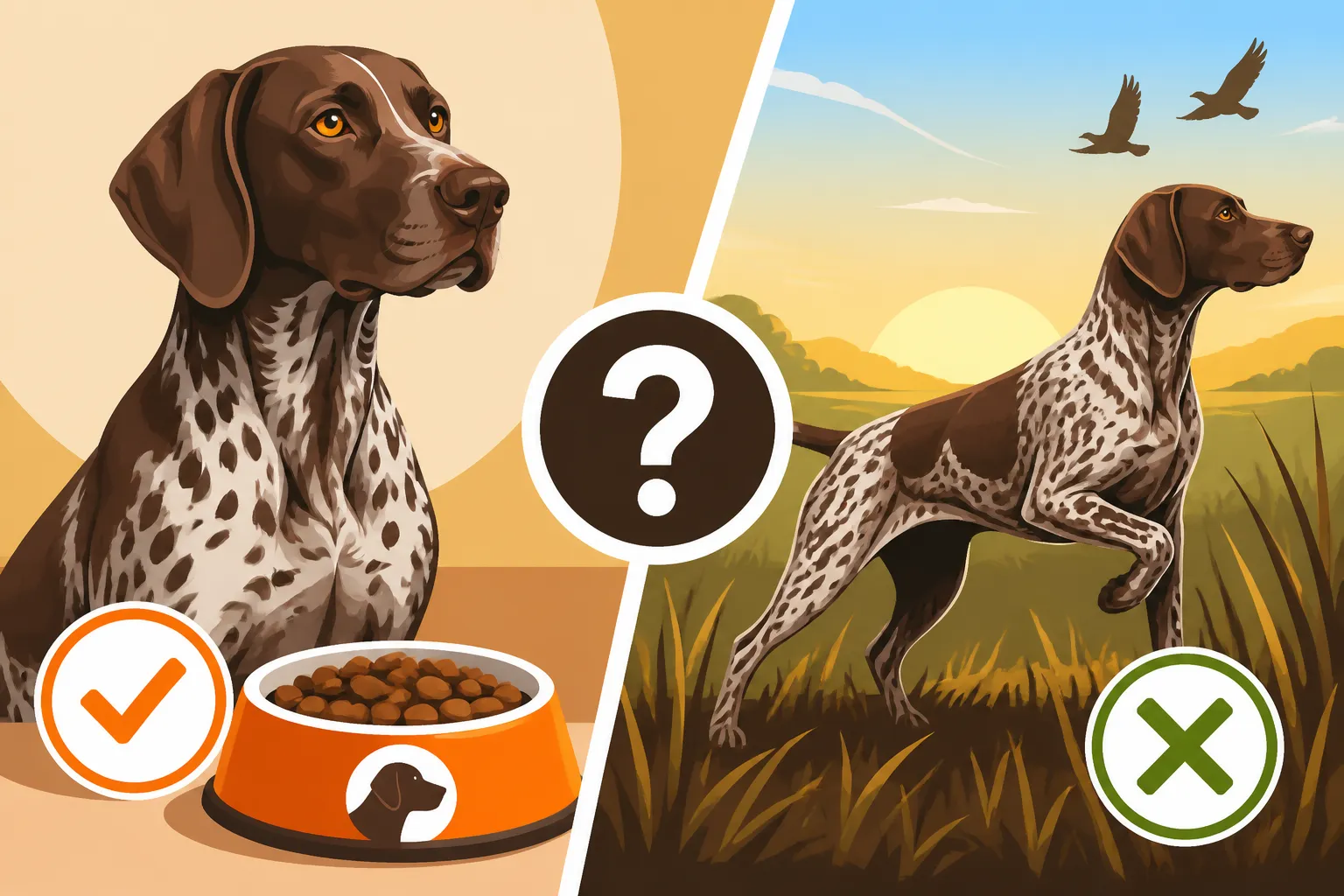
It's a familiar scene for any German Shorthaired Pointer owner: the crisp dawn, the truck packed, and your eager dog bouncing with anticipation. But then the nagging question hits you – do you feed your high-octane companion before heading into the field, or do you wait? The worry of them running on fumes is real, yet the terrifying specter of bloat, or gastric dilatation-volvulus, looms large. This comprehensive guide is here to walk you through the nuances of pre-hunt feeding for your GSP, helping you make informed decisions to keep them safe, energized, and ready for action.
The German Shorthaired Pointer's Energy Needs Before a Hunt
German Shorthaired Pointers are, by their very nature, athletes. Bred for endurance, speed, and an insatiable desire to work, their bodies are finely tuned machines that demand proper fueling. Understanding their unique metabolism and the risks associated with both underfeeding and overfeeding before intense exercise is paramount to their safety and performance in the field.
Why Their Metabolism Matters
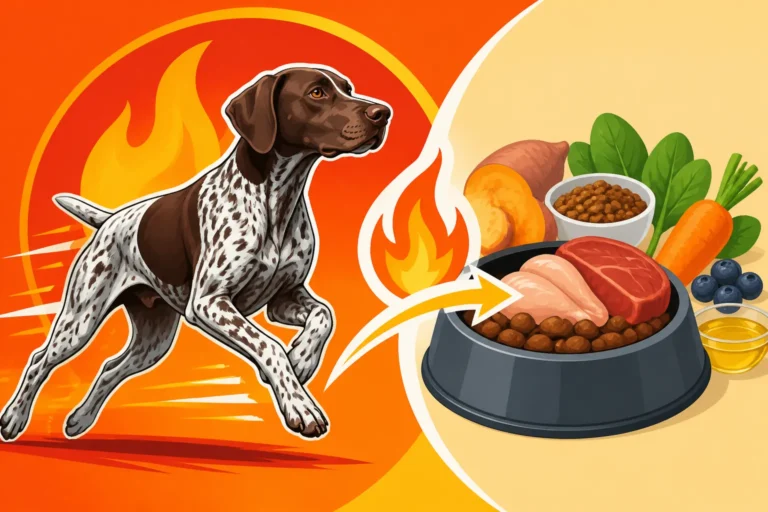
Our Shorthairs aren't just pets; they're working dogs with incredibly efficient metabolisms designed to burn fuel quickly and sustain high levels of activity for extended periods. When they're quartering a field, busting through cover, or making retrieve after retrieve, they're tapping into their energy reserves at an astonishing rate. Their bodies are built for anaerobic and aerobic work, meaning they need a constant supply of carbohydrates for quick energy, and fats for sustained output. If their internal gas tank is running low, their performance will suffer, and worse, their health could be at risk. We're talking about dogs that can easily cover dozens of miles in a single hunting day, and that kind of exertion demands a lot from their system. It’s not like a leisurely walk in the park; this is serious work that drains their reserves.
This isn't just about feeling tired; it's about biochemical processes. Without adequate fuel, a GSP can experience a drop in blood sugar, leading to lethargy, reduced focus, and a general lack of drive. Imagine trying to run a marathon on an empty stomach – you might start strong, but you'll hit a wall quickly. Our dogs are no different. Their muscles need glycogen, derived from carbohydrates, to keep firing efficiently. When those stores are depleted, their body starts looking for other energy sources, which isn't always optimal during intense, sustained exercise. This metabolic demand is precisely why the question of pre-hunt feeding is so crucial for hunting dog owners.
The Risk of an Empty Stomach
While the fear of bloat often pushes owners towards an empty stomach, running a GSP on empty carries its own set of dangers. The most immediate concern is "bonking" – a term borrowed from human athletes where the body completely runs out of easily accessible fuel. For a Shorthair, this can manifest as a sudden drop in energy, loss of enthusiasm, lagging behind, or even a noticeable decline in their pointing intensity. They might start to appear mentally foggy, struggling to follow commands or pick up scent as effectively. A dog running out of steam isn't just performing poorly; they're also at higher risk of injury due to fatigue. Their coordination can suffer, making them more prone to missteps, falls, or strains as they navigate challenging terrain.
Beyond performance, a truly empty stomach can lead to more serious issues like hypoglycemia, or dangerously low blood sugar. This is especially true for young, high-drive dogs or those doing particularly strenuous work in cold weather, where their body is burning calories just to stay warm. Symptoms of severe hypoglycemia can include weakness, disorientation, tremors, and in extreme cases, seizures. While less common, it's a stark reminder that our dogs need fuel to function safely. It's a tricky balance, knowing your dog is ready to perform without jeopardizing their health, and that's why we need to think beyond just "food" and consider what kind of food and how much.
The Risk of a Full Stomach
On the flip side, feeding a large meal right before a hunt is a definite no-go for German Shorthaired Pointers, primarily due to the elevated risk of bloat, also known as Gastric Dilatation-Volvulus (GDV). This life-threatening condition occurs when the stomach fills with gas and twists, trapping air and preventing anything from passing through. The distended stomach then puts pressure on other organs, cutting off blood supply and quickly becoming a medical emergency. GSPs, with their deep chests and active nature, are unfortunately predisposed to this condition. The Bloat Risk a Shorthair Carries Into Every Season is a serious concern for our breed.
A full stomach, especially with a large volume of food, is heavier and more prone to jostling and twisting during the vigorous running, jumping, and sudden stops inherent in hunting. The vigorous movement can literally slosh a large meal around, making the stomach more likely to flip. Beyond bloat, a heavily loaded stomach can also lead to digestive discomfort, cramping, and even vomiting during exercise, which is not only unpleasant for the dog but also disruptive to the hunt. No one wants their dog feeling miserable or risking their life in the field, so a substantial meal too close to action is a risk many seasoned hunters simply won't take.
Understanding Digestion and Exercise in Shorthairs
To properly fuel your German Shorthaired Pointer for a hunt, you need to have a basic understanding of how their digestive system interacts with physical exertion. It's not just about what they eat, but when and how their body processes it under stress.
The Physiology of Bloat (Gastric Dilatation-Volvulus)
Bloat is every deep-chested dog owner's nightmare, and for German Shorthaired Pointers, it's a very real and present danger. The exact cause is often multifactorial, but eating a large meal quickly, drinking a lot of water rapidly, and then engaging in strenuous exercise are commonly cited risk factors. When a GSP's stomach is full of food and gas, it becomes a heavy, unstable organ. As the dog runs, jumps, and changes direction, that stomach can literally swing and twist on its axis. Once it twists, gas and fluids become trapped, leading to rapid expansion, immense pain, and eventually, shock.
The symptoms of bloat can progress alarmingly fast: unproductive retching, a distended abdomen (though this isn't always obvious at first glance), restlessness, excessive drooling, and signs of severe pain or distress. If you suspect bloat, it's an immediate emergency that requires veterinary intervention. Understanding this risk is crucial when deciding on a pre-hunt feeding strategy. You need to balance providing energy with minimizing the chance of this devastating condition. Emergency Care for a Bloating German Shorthaired Pointer can't be emphasized enough when seconds count.
How Exercise Impacts Digestion
When your Shorthair is working hard, their body prioritizes blood flow to their muscles, lungs, and heart. This means that blood flow to the digestive organs is reduced. Consequently, digestion slows down significantly. If there's a large amount of food in the stomach or intestines, it sits there longer, ferments, and can cause discomfort, gas, and an increased likelihood of bloat. This is why a big breakfast right before hitting the pheasant fields is counterproductive – the food won't be efficiently digested and converted into usable energy anyway. Instead, it will just sit there, a heavy, potentially dangerous burden.
Think of it like this: your GSP's body can't effectively run a sprint and simultaneously digest a big meal. It has to choose where to send its resources. For a hunting dog, those resources need to be channeled into physical performance. A slow, gentle digestion process is ideal when the dog is at rest, but in the field, rapid and strenuous movement overrides the digestive process. This biological reality underpins why the timing and type of pre-hunt meal are so important. We want their energy stores ready to go, not still stuck in the stomach.
Optimal Pre-Hunt Rest Periods
So, if a full stomach is bad, and an empty stomach carries risks, what's the sweet spot? The general consensus among experienced German Shorthaired Pointer owners and vets is to allow a significant rest period between any meal and strenuous exercise. For a full, regular meal, this typically means at least 4-6 hours, sometimes even more for sensitive dogs or those prone to bloat. This allows ample time for digestion to occur, moving the bulk of the food out of the stomach and into the intestines, where it's less likely to contribute to bloat. The Rest a Shorthair Needs Between Eating and Running is not just a suggestion, it's a critical safety measure.
If you opt for a very small, easily digestible snack, you might reduce that window slightly, perhaps to 2-3 hours, but it's essential to know your individual dog. Some Shorthairs have iron stomachs and can handle a bit more flexibility, while others are more sensitive. Observing your dog's behavior, energy levels, and any signs of discomfort after different feeding schedules is key to finding their optimal routine. Consistency helps too; dogs thrive on routine, and their bodies adapt to predictable feeding and exercise schedules.
Strategies for Pre-Hunt Fueling
Given the delicate balance, what are the best strategies for fueling your German Shorthaired Pointer for a morning hunt? It boils down to smart timing, appropriate food choices, and meticulous hydration.
Small, Easily Digestible Meals
If you decide to feed your Shorthair something before a morning hunt, the key is small and easily digestible. This isn't the time for a big bowl of kibble. Instead, consider a very small portion of their regular high-quality performance kibble, perhaps a quarter to a third of their normal meal size. Some owners even opt for something like a few hard-boiled eggs, a spoonful of cottage cheese, or a piece of plain cooked chicken – foods that are high in protein and readily assimilated by the body. Soaking a Shorthair's Kibble Before a Morning Hunt can also aid in digestion, making the food softer and potentially reducing the amount of air swallowed.
The goal here is to provide a quick boost of energy and prevent that "empty stomach" feeling without introducing a large volume of food that could lead to digestive upset or, worse, bloat. This small meal should be given several hours before the hunt begins, typically 3-4 hours if possible, to allow for some initial digestion. Many hunters prefer to feed their Shorthairs a substantial meal the evening before a morning hunt, ensuring they have plenty of time to process those calories for sustained energy the next day. This strategy helps stock their reserves without immediate pre-hunt risk.
Hydration is Key
Often overlooked in the pre-hunt preparation is hydration, which is arguably even more important than food. A well-hydrated dog will perform better, recover faster, and be less susceptible to heat-related issues. Dehydration can quickly sap a GSP's energy, lead to cramping, and make them more prone to heat exhaustion. Watering a German Shorthaired Pointer Through a Long Day is crucial, but it starts well before the first step into the field.
Ensure your Shorthair has access to fresh water right up until you leave for the hunt. Some owners even offer a small amount of water mixed with a dog-safe electrolyte solution a couple of hours before the hunt, especially on warmer days. You can find these at pet supply stores or online through retailers like Chewy or Amazon. Avoid letting your dog gulp down large quantities of water right before or during strenuous activity, as this can also contribute to bloat. Small, frequent drinks are always better. Carrying water for your Shorthair throughout the hunt is non-negotiable, offering it during breaks and encouraging them to drink even if they don't seem overly thirsty.
Considering Performance Supplements
For GSPs that are truly putting in long, hard days in the field, some owners consider specific performance supplements to support their energy and recovery. These aren't meal replacements but rather aids to optimize their physiology.
Carbohydrate-rich snacks: Some companies make energy bars or gels specifically for working dogs. These can be given in very small amounts several hours before a hunt, or even sparingly during a long day, to provide a quick glucose boost. The key is moderation and ensuring your dog tolerates them well.
Electrolytes: As mentioned, electrolytes are crucial for maintaining fluid balance and preventing cramping. These can be added to water before, during, and after a hunt. This is particularly important on hot days or if your dog is prone to drinking a lot of water at once. Many brands are available that are specifically formulated for canine athletes, and can be easily purchased from pet retailers like Amazon or Chewy. Electrolytes for a German Shorthaired Pointer in the Field can make a huge difference in their stamina.
Joint support: While not directly related to immediate energy, supplements for joint health (like glucosamine and chondroitin) are often part of a long-term regimen for active GSPs. They help maintain cartilage and joint fluid, which is vital for a dog that spends its life running and jumping. Starting these well in advance of the hunting season is typically recommended.
Before introducing any new supplements, it's always wise to consult with your veterinarian, especially one familiar with active sporting dogs, to ensure they are appropriate for your individual Shorthair.
Post-Hunt Nutrition and Recovery
The hunt doesn't end when the birds are in the bag; it extends into the critical recovery period. What you do in the hours immediately following a hunt is just as important as your pre-hunt preparation.
Replenishing Energy Stores
After a demanding morning hunt, your German Shorthaired Pointer's body will be depleted. Their glycogen stores are low, their muscles are tired, and they've likely burned a significant number of calories. The post-hunt meal is crucial for recovery. While you want to get calories into them, you still need to be mindful of bloat. It's generally recommended to wait at least 30-60 minutes after intense exercise before offering a meal, allowing their body to cool down and digestion to start normalizing. Some vets recommend an even longer wait, around 90 minutes.
Offer a high-quality, easily digestible meal. This is where their main caloric intake for the day might come from. A performance kibble designed for active dogs is ideal, providing a good balance of protein, fat, and carbohydrates. You might even consider slightly increasing their portion size on hunt days to compensate for the extreme energy expenditure. Brands that offer high-protein, high-fat kibble are often favorites among hunting dog owners. Feeding a German Shorthaired Pointer After a Hunt Instead of Before is generally the safest approach for their main daily meal.
Managing Dehydration After a Long Day
Even if you've been vigilant with water during the hunt, your Shorthair will likely be somewhat dehydrated after a strenuous morning. Continue to offer fresh water frequently, but again, in small to moderate amounts rather than letting them gulp down an entire bowl at once. This helps prevent stomach distention and potential bloat, even after exercise has ceased. You can also offer the water with electrolytes mixed in to help restore balance.
Observe your dog closely for signs of dehydration: sticky gums, sunken eyes, loss of skin elasticity (the skin on their neck or back doesn't spring back quickly when pinched). If these signs are present, and your dog isn't drinking well, contact your vet. Sometimes, adding a little low-sodium chicken broth to their water can entice them to drink more. During the season, it’s worth noting that your dog will likely consume more water overall, so having a good supply available at home and in the field is vital.
Supplements for Recovery
Beyond food and water, some supplements can aid in muscle recovery and overall well-being for a hunting Shorthair.
Probiotics: Stress and exertion can sometimes upset a dog's gut flora. A probiotic supplement can help maintain a healthy digestive system, ensuring they're absorbing nutrients efficiently and reducing the likelihood of post-hunt digestive issues. Many dog foods, including some fresh food options like Ollie, incorporate probiotics, or you can purchase them separately.
Joint support: If your dog isn't already on a daily joint supplement, the post-hunt recovery period can highlight the need for one. Repetitive impact from running and jumping takes a toll on their joints, and supporting that cartilage can make a big difference in their comfort and longevity in the field.
Antioxidants: Intense exercise produces free radicals in the body. Antioxidants, like Vitamin E or C, can help neutralize these, reducing cellular damage and supporting overall recovery. These are often included in high-quality performance dog foods, but can also be supplemented if recommended by your vet.
Remember, the goal is to get your GSP back to full strength quickly and safely, ready for the next adventure. Proper nutrition and smart supplementation play a huge role in achieving that.
What to Avoid Before a Hunt
Just as important as knowing what to feed your German Shorthaired Pointer before a hunt is knowing what to absolutely avoid. These common pitfalls can jeopardize their health and performance.
High-Fat, Slow-Digesting Foods
While fats are an excellent source of sustained energy for working dogs, offering high-fat foods right before a hunt is generally a bad idea. Fats take longer to digest than carbohydrates or proteins. If your dog consumes a fatty meal close to exercise, that fat will sit in their stomach for an extended period, leading to digestive upset, discomfort, and potentially increasing the risk of bloat. Their body simply won't have time to process it into usable energy.
This means skipping greasy table scraps, large quantities of fatty meats, or rich treats right before heading out. Even some dog foods designed for high performance might be too rich if given immediately before strenuous activity. The goal is quick, clean energy and minimal gastric burden. Save the high-fat meals for their main recovery meal after the hunt, when their digestive system has a chance to work unhindered by physical exertion.
Large Meals and Their Dangers
As we've discussed, a large meal before a hunt is one of the primary risk factors for bloat in deep-chested breeds like the GSP. The sheer volume of food in the stomach creates a heavy, distended organ that is much more susceptible to twisting during vigorous movement. This is a life-threatening condition, and avoiding large pre-hunt meals is a critical preventative measure. Telling a Shorthair's Bloat From a Belly Full of Water is something every GSP owner should know, but prevention is always better.
It's not just about bloat; a large meal will also make your dog feel sluggish and uncomfortable. Imagine trying to run a sprint after a Thanksgiving dinner – you wouldn't perform well. Your Shorthair is the same. Their body will be busy trying to digest, diverting blood flow from their muscles and reducing their stamina and focus. Performance will suffer, and their enjoyment of the hunt will be diminished. A hunting dog should feel light and ready to go, not heavy and full.
Foods That Cause Gastrointestinal Upset
Beyond fat content and volume, certain foods or ingredients can cause gastrointestinal upset even without strenuous activity. Introducing new foods or treats right before a hunt is a risky move. Stick to what your dog is accustomed to and what you know they tolerate well. A sudden change in diet can lead to diarrhea, vomiting, or stomach cramps, which are the last things you want in the middle of a remote hunting area.
Avoid giving your Shorthair any human foods that are known to be problematic for dogs, such as onions, garlic, grapes, raisins, chocolate, or excessive amounts of rich, spicy, or sugary foods. Even seemingly benign items can cause issues in some dogs. Stick to their tested, high-quality dog food and dog-specific treats. If your dog has any known food sensitivities, be extra diligent about avoiding those ingredients, especially before a high-stress event like a hunt.
Practical Feeding Schedules for Hunting Season
Developing a consistent and effective feeding schedule during hunting season requires careful planning. It's about optimizing your German Shorthaired Pointer's energy levels while minimizing health risks.
Developing a Consistent Routine
Dogs, and especially working dogs, thrive on routine. Their bodies and minds adapt to predictability. During hunting season, establish a consistent feeding schedule that allows for proper digestion before any strenuous activity. For most hunters, this means feeding a substantial meal in the evening after the day's work is done and the dog has had time to rest and rehydrate. This allows for an entire night of digestion, ensuring those calories are available as stored energy (glycogen and fat) for the next morning's hunt.
If you plan on a very early morning hunt and still want to offer something, a truly tiny, easily digestible snack could be given 3-4 hours before heading out, followed by minimal water. However, many successful hunters choose to forego the morning meal entirely on hunt days, relying solely on the previous evening's feeding. This minimizes the bloat risk and ensures the dog is light and agile in the field. Find what works best for your dog through observation and stick with it.
Adjusting for Different Hunt Lengths and Intensity
Not all hunts are created equal. A short, low-intensity training session requires different fueling than an all-day pheasant hunt in rugged terrain. Your feeding strategy should adapt accordingly.
Short, light hunts: For a quick morning walk-up hunt that lasts only an hour or two, relying solely on the previous evening's meal is often sufficient. Ensure good hydration.
Moderate hunts: For 3-5 hour hunts, a very small, easily digestible carbohydrate or protein snack (e.g., a few ounces of cooked chicken or a small handful of kibble, given 3-4 hours prior) might be beneficial for some dogs, especially those that tend to "bonk." Again, ample water is critical.
All-day, intense hunts: For these marathon efforts, the evening-before meal is paramount. During the hunt, short breaks with small sips of water and perhaps a tiny, high-energy dog treat can help sustain them. The main refueling will happen after the hunt. Calorie Needs of a German Shorthaired Pointer in Season are significantly higher, so adjust their total daily intake, but distribute it smartly. How Many Cups a Sixty Pound Shorthair Eats will certainly be more on a hunt day than an off day!
| Feeding Strategy | Timing Before Hunt | Pros | Cons | Risk of Bloat |
|---|---|---|---|---|
| No Food | N/A (Relies on PM meal) | Lowest bloat risk; dog feels light and agile | Potential for "bonking" or low energy mid-hunt | Low |
| Very Small Snack | 3-4 hours | Provides a quick energy boost; prevents hunger | Still carries some risk; can cause mild GI upset if wrong food | Moderate |
| Regular Full Meal | 4-6+ hours | Ensures full fuel reserves | Requires very strict timing; potential for bloat if timing is off | High |
| Large Meal | < 4 hours | None (contraindicated) | High risk of bloat; discomfort; reduced performance | Very High |
Monitoring Your Shorthair's Performance and Well-being
Ultimately, you are your Shorthair's best judge. Pay close attention to their behavior, energy levels, and physical condition before, during, and after a hunt.
- Before the hunt: Are they eager and energetic, or do they seem a bit sluggish?
- During the hunt: Are they holding their stamina, maintaining focus, and working efficiently? Or are they lagging, showing signs of fatigue, or losing interest?
- After the hunt: How quickly do they recover? Are they still bright-eyed and alert after resting, or are they completely wiped out? Do they show any signs of digestive distress?
Keep notes if you need to, especially when trying different feeding strategies. Observe how their body condition changes throughout the season. Are they maintaining a healthy weight, or are they getting too thin despite increased food intake? Whether a Shorthair Needs More Fat When Hunting is a common question, and observing their weight and coat condition will give you clues. Every German Shorthaired Pointer is an individual, and finding their perfect fueling protocol might take a little trial and error, but the effort is well worth it for their health, happiness, and performance in the field.
Disclaimer
This article is for general informational purposes only and does not constitute professional advice. Laws, prices and regulations vary by location and change over time. Consult a qualified professional for guidance on your specific situation.