The Vet Schedule a Working Shorthair Should Keep
A veterinary schedule for working German Shorthaired Pointers details recommended screenings, vaccinations, and preventative care steps.

A veterinary schedule for working German Shorthaired Pointers details recommended screenings, vaccinations, and preventative care steps.

Aging German Shorthaired Pointers at twelve to fourteen years old show physical decline through chronic arthritis and reduced mobility.

Joint stiffness in older German Shorthaired Pointers stems from arthritis, dysplasia, and muscle loss, causing standing difficulties.

Bloodwork for aging German Shorthaired Pointers detects silent illnesses early and establishes a personal health baseline.
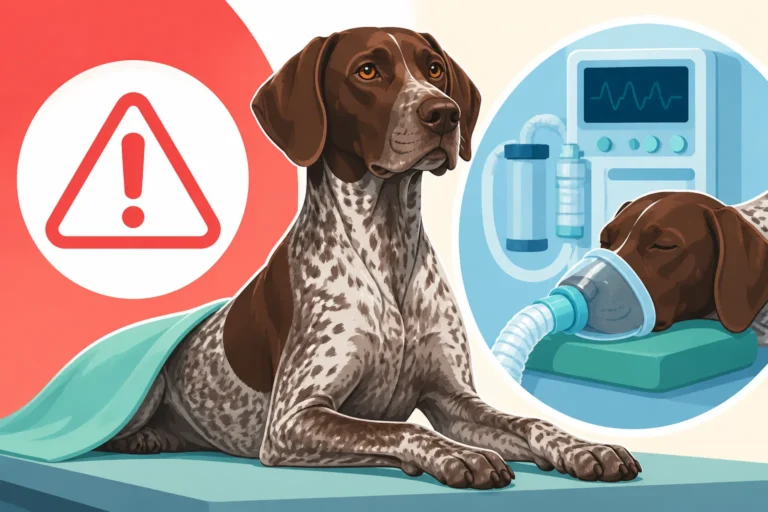
Low body fat and high metabolism in German Shorthaired Pointers create specific hypothermia and drug risks during sedation.

Dental disease in middle aged German Shorthaired Pointers causes plaque buildup, gingivitis, periodontal damage, and organ risks.

German Shorthaired Pointer ear anatomy and water exposure during duck season cause recurring ear infections in active dogs.
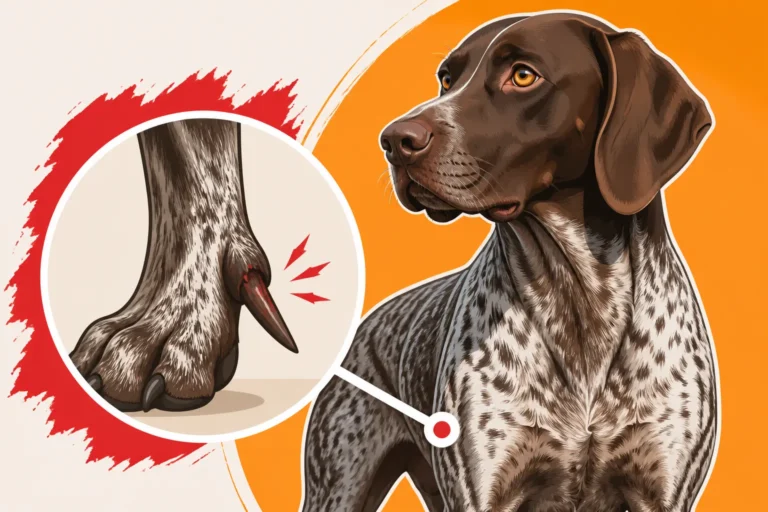
German Shorthaired Pointer torn dewclaws happen from anatomy and terrain hazards, requiring immediate management and careful prevention.

Frostbite risks, subtle signs, immediate actions, and prevention methods for German Shorthaired Pointers during late season hunts.

German Shorthaired Pointer hunting temperature thresholds, humidity risks, and signs of dangerous heatstroke in pheasant fields.