Heat Stroke in a September Shorthair
September heat and humidity create heat stroke risks for German Shorthaired Pointers, requiring careful monitoring and prevention.

September heat and humidity create heat stroke risks for German Shorthaired Pointers, requiring careful monitoring and prevention.
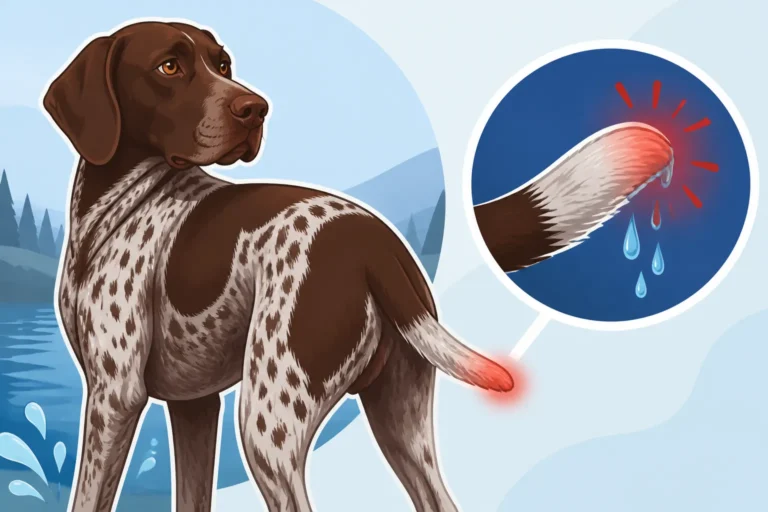
Cold water tail causes a German Shorthaired Pointer to have a limp, painful tail after swimming, showing muscle strain symptoms.
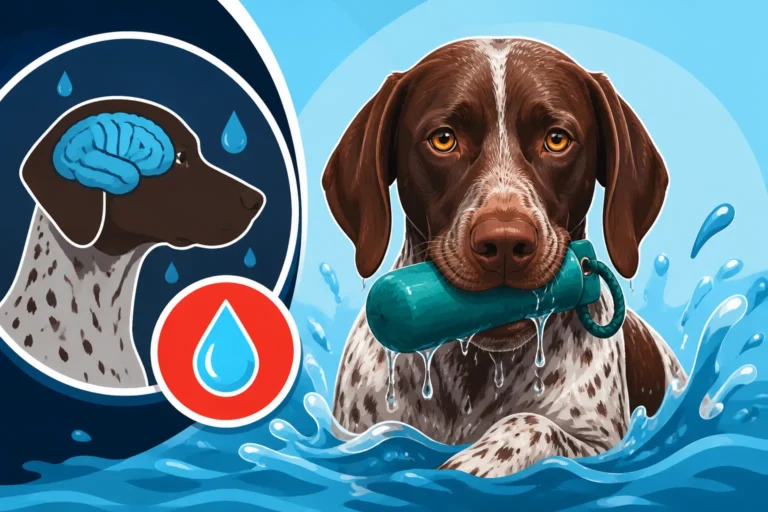
Water intoxication in German Shorthaired Pointers causes hyponatremia, brain swelling, and severe neurological symptoms from excessive water ingestion.
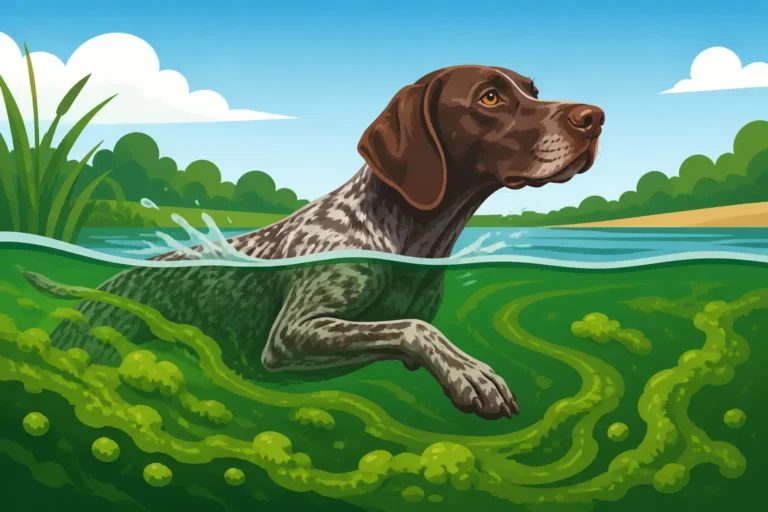
Cyanobacteria blooms produce neurotoxins and hepatotoxins that threaten German Shorthaired Pointers during summer swims.
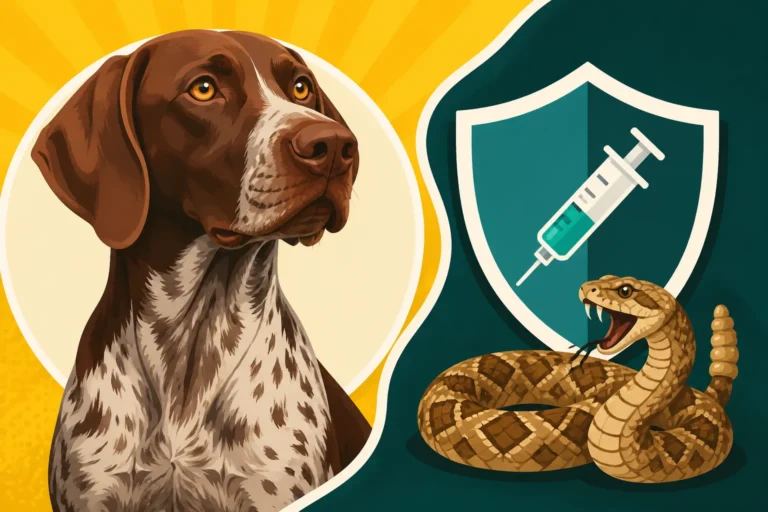
German Shorthaired Pointer rattlesnake vaccination benefits, limitations, venom neutralization, and geographic risk factors explained.

German Shorthaired Pointer snake bite risks, venomous North species, and severe symptoms like rapid swelling and tissue damage.
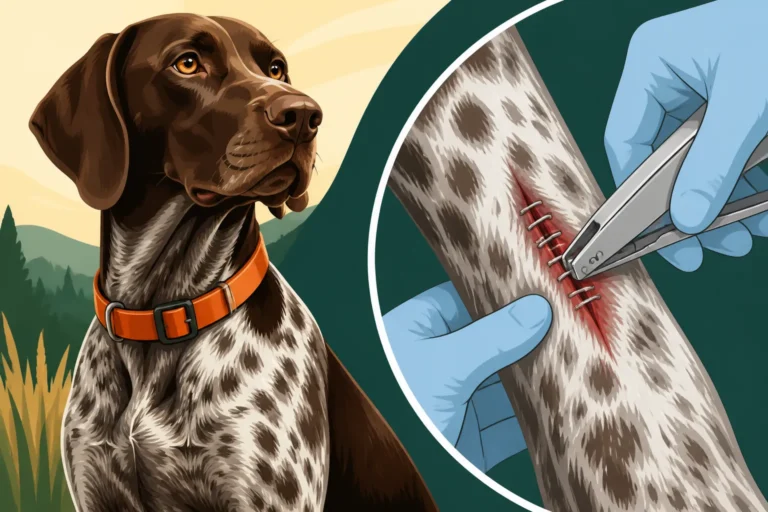
German Shorthaired Pointer field wound stapling techniques help hunters temporarily close clean cuts before professional veterinary care.
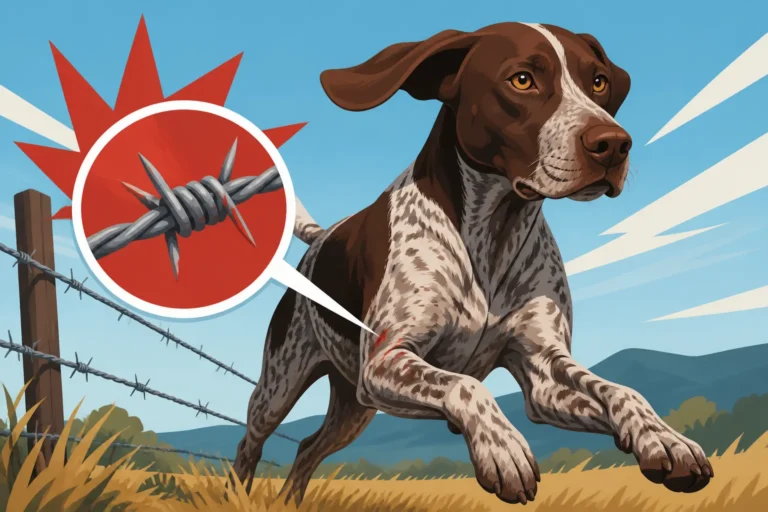
Barbed wire cuts on German Shorthaired Pointers require immediate first aid and proper field assessment to minimize injury.

A post-hunt check of a German Shorthaired Pointer finds hidden injuries, scrapes, and punctures, preventing serious medical issues.
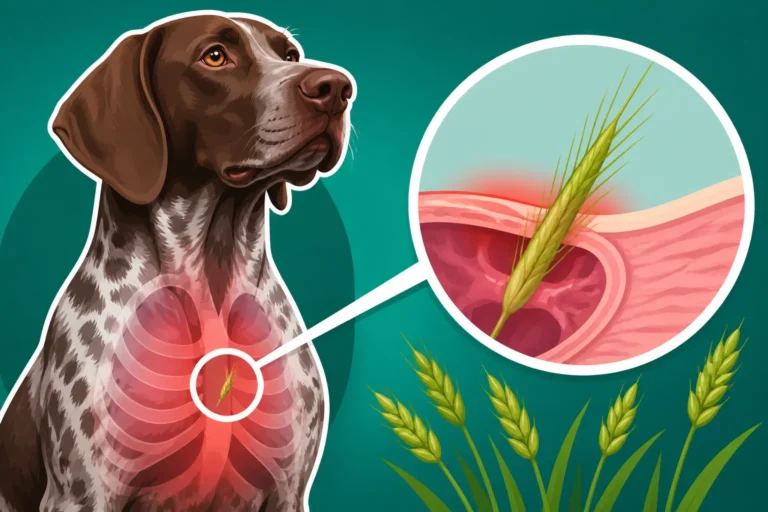
Grass seed migration into German Shorthaired Pointer chests causes severe health crises, infections, and requires extensive veterinary intervention.