A Foxtail Lodged in a Shorthair’s Paw
Barbed foxtail seeds lodged in a German Shorthaired Pointer paw, including signs of danger and urgent steps to protect dogs.
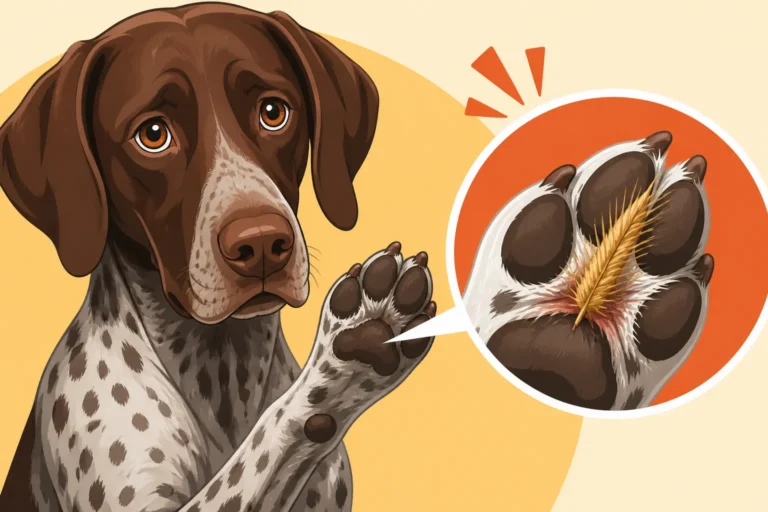
Barbed foxtail seeds lodged in a German Shorthaired Pointer paw, including signs of danger and urgent steps to protect dogs.
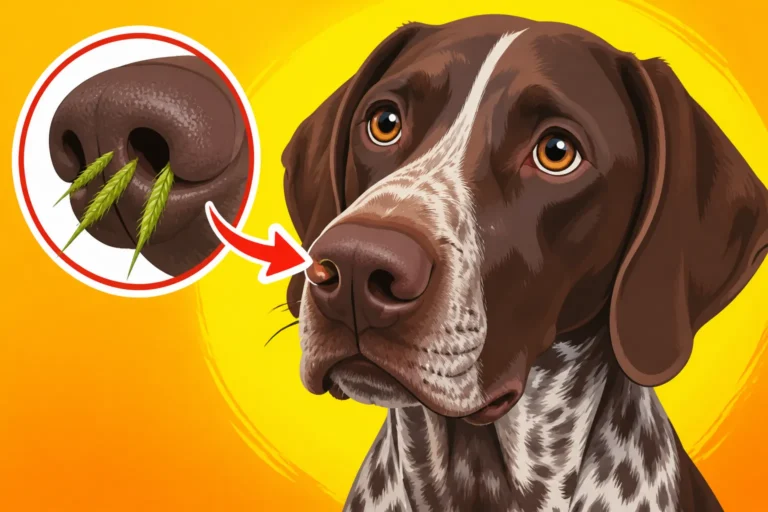
Grass awns in German Shorthaired Pointer noses cause persistent sneezing and require careful removal and prevention steps.
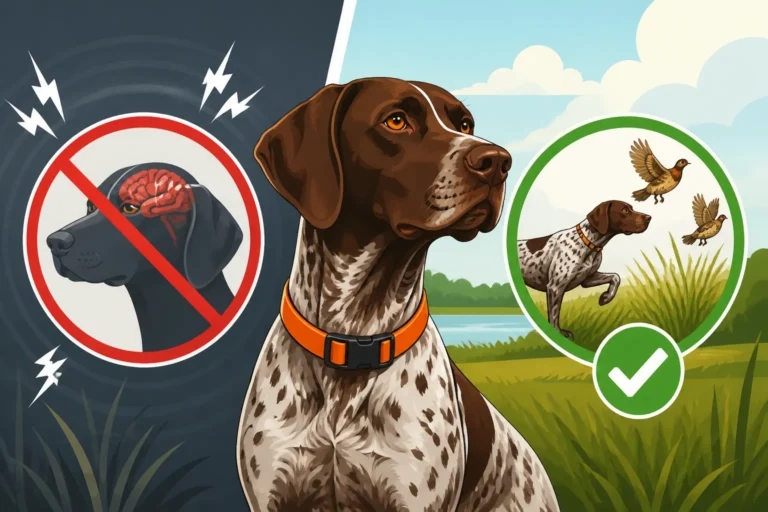
Managing epilepsy in German Shorthaired Pointers involves evaluating seizure risks, understanding medication effects, and deciding if dogs can still hunt.
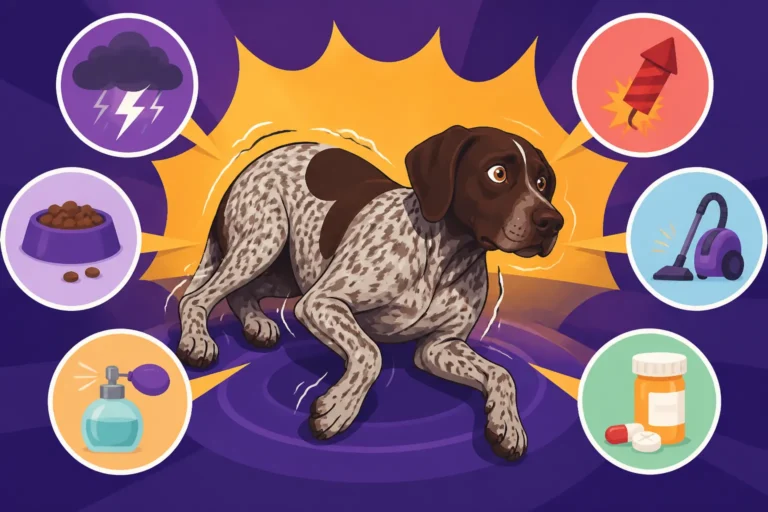
German Shorthaired Pointer seizures stem from inherited epilepsy, heat, toxins, or stress, explaining triggers and risk reduction.
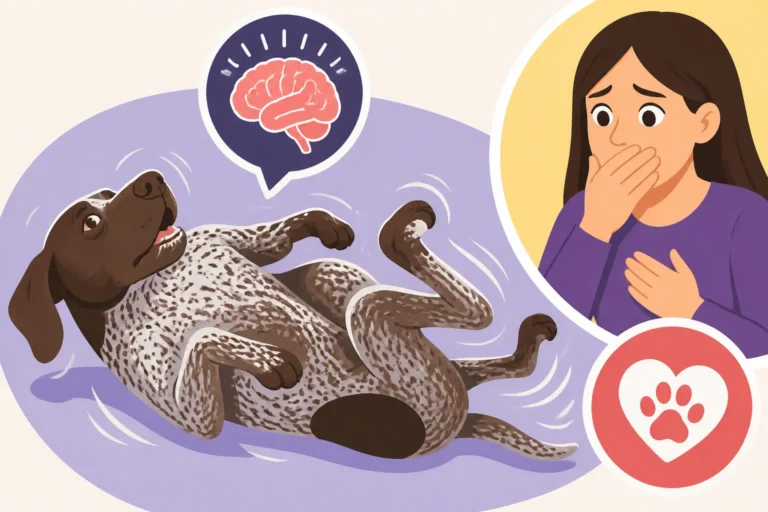
German Shorthaired Pointer seizure symptoms, including physical convulsions and behavioral changes, help owners recognize neurological events.

Hypothyroidism in German Shorthaired Pointers causes weight gain and lethargy, and requires proper lifelong daily medication management.
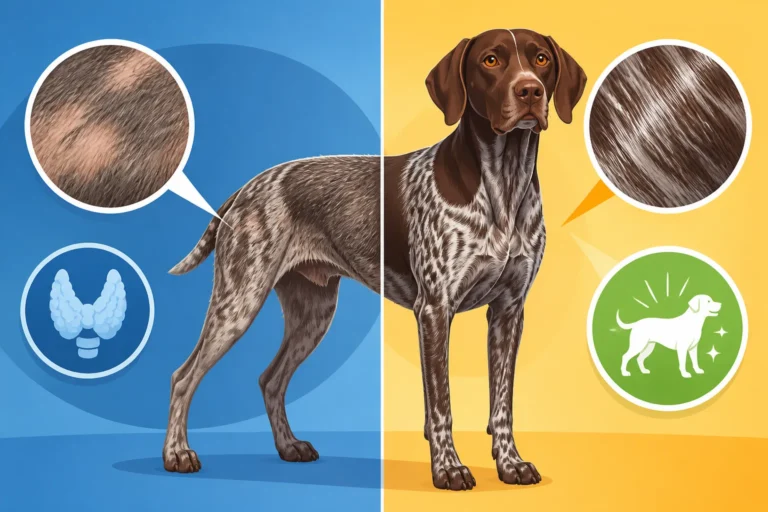
Hypothyroidism in German Shorthaired Pointers causes dull coats and weight gain because an underactive thyroid gland slows metabolism.
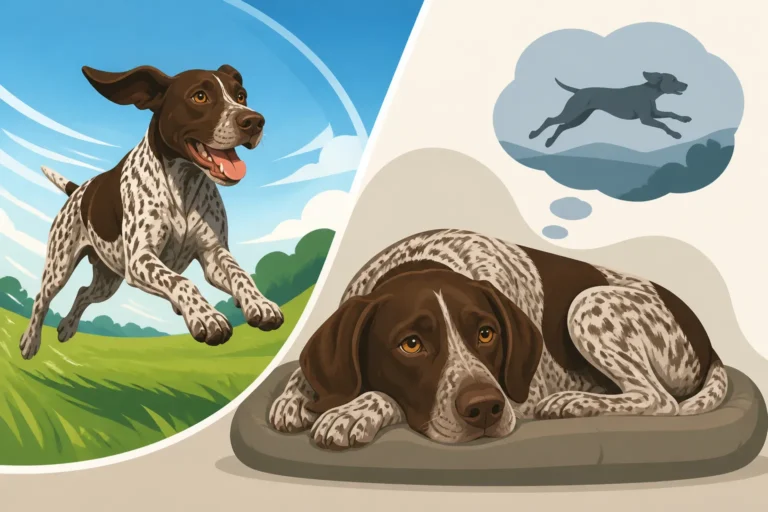
Joint pain, arthritis, hip dysplasia, and cruciate ligament injuries explain why a German Shorthaired Pointer stops running.
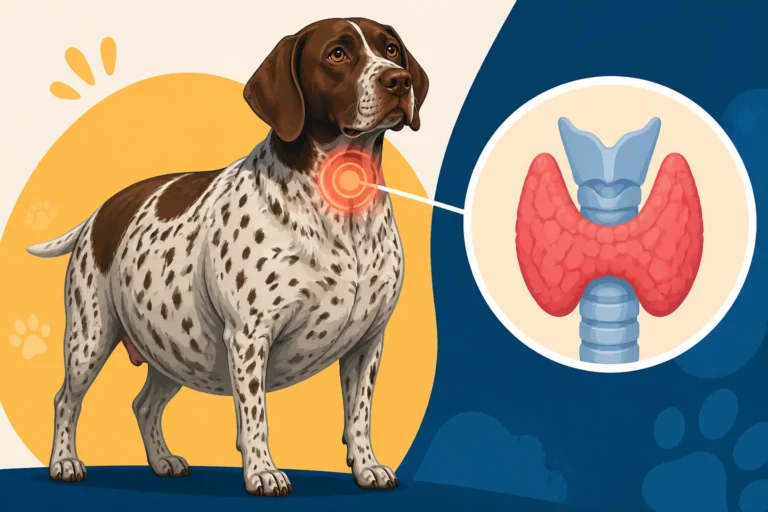
German Shorthaired Pointer weight gain and thyroid issues, explaining signs, veterinary diagnosis, and metabolic causes.

Taurine levels and heart health in German Shorthaired Pointers, explaining dietary needs, amino acids, and dilated cardiomyopathy.