Whether a Kurzhaar Must Pass a Test to Be Bred
It’s a common question for anyone diving deep into the world of German Shorthaired Pointers, especially when you start hearing terms like "Kurzhaar" and realize there's a whole different philosophy at play across the pond. Many enthusiasts are deeply invested in finding a truly well-bred dog, and they often wonder if the rigorous standards they hear about for German dogs truly mandate specific tests before a dog can ever be considered for breeding. The answer is a resounding yes within the German system, and understanding why and how is crucial for appreciating these remarkable dogs. This guide will walk you through the essential breeding requirements for Kurzhaars in their homeland and explain why these traditions matter so much.
The Foundation of German Kurzhaar Breeding Philosophy
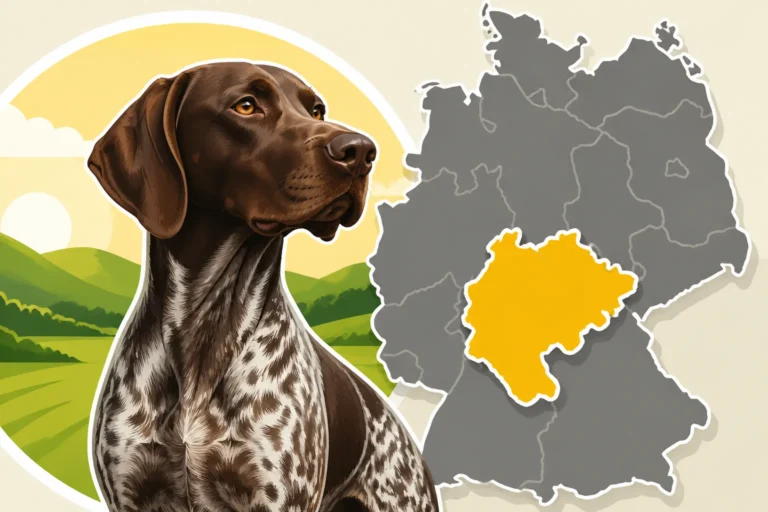
When we talk about the German Shorthaired Pointer in its country of origin, we're referring to the Deutsch Kurzhaar. The distinction isn't just linguistic; it represents a fundamental difference in breeding philosophy and regulation. In Germany, the breed is governed by the Deutsch Kurzhaar Verband, a powerful organization dedicated to preserving the breed's original purpose as a versatile hunting dog. Their philosophy isn't just about good looks or a pleasant temperament; it's about ensuring every dog bred contributes to the working utility and genetic health of the entire breed, rigorously testing for both.
This isn't some casual suggestion; it's deeply ingrained in the culture and codified in their breeding regulations. The goal is to produce dogs that are not only capable of performing all aspects of field and water work but also possess the physical soundness and stable temperament to do so consistently and humanely. They believe that a truly superior hunting dog must excel in a variety of tasks, from tracking wounded game to retrieving waterfowl in challenging conditions, and that these abilities must be proven, not just assumed. It's a holistic approach that impacts everything from a dog's health clearances to its natural instincts and trainability. The German Kennels the Shorthair Was Built In are a testament to this long-standing tradition.
What Deutsch Kurzhaar Actually Means for Breeding
The term "Deutsch Kurzhaar" literally translates to "German Shorthair." But beyond the literal meaning, it signifies a commitment to the breed's foundational purpose. Unlike some breed clubs that might prioritize conformation (how a dog looks according to the breed standard) above all else, the Deutsch Kurzhaar Verband equally emphasizes performance, health, and temperament. They aren't just breeding dogs that could hunt; they're breeding dogs that do hunt, and do it well, under testing conditions that simulate real-world scenarios.
This means that a dog bearing the Deutsch Kurzhaar name from Germany comes from a lineage where every generation has proven its worth. It’s a significant differentiator, often leading to a more consistent working ability and stable temperament than dogs bred without such stringent requirements. For the owner, this often translates into a dog with strong natural instincts, a biddable nature, and a robust physical constitution, making them truly What Versatile Actually Means for a Shorthair.
The Verband's Role in Maintaining Standards
The Deutsch Kurzhaar Verband is the central authority overseeing the breeding of German Shorthaired Pointers in Germany. They establish the rules, organize the tests, and maintain the registry. This organization ensures that every breeding dog, both male and female, meets a specific set of criteria before their offspring can be registered as purebred Kurzhaars. This strict oversight is designed to prevent casual breeding and to ensure that only the best examples of the breed, both in terms of working ability and genetic health, are perpetuated.
This system creates a transparent and accountable breeding environment. Prospective puppy buyers can look at a pedigree and see not just names, but proof of performance and health clearances for multiple generations. It's a stark contrast to systems where such information might be optional or left to individual breeders. The Verband's comprehensive approach helps ensure that the future of the breed remains true to its versatile hunting heritage, emphasizing traits that are often highly valued by dedicated hunters and active families alike. You can learn more about this in How the German Verband Registers a Kurzhaar.
Mandatory Performance and Health Tests for Breeding Kurzhaars
So, to answer the core question directly: yes, a Deutsch Kurzhaar must pass a series of demanding tests to be bred within the German system. These aren't suggestions; they are prerequisites for registration of progeny. These tests are designed to evaluate the dog's natural abilities, training potential, and physical and mental soundness under simulated hunting conditions. They are also coupled with strict health clearances and temperament evaluations.
These tests are typically administered by official clubs sanctioned by the Verband, and they are rigorous. They push dogs to demonstrate innate bird sense, tracking ability, water retrieve skills, steadiness to shot, and obedience. It's a comprehensive examination that truly reveals a dog's suitability for breeding, ensuring that only the most capable and well-balanced individuals pass their genes on. Imagine the pride in knowing your dog's parents not only looked good but could truly do the work!
Key German Performance Tests
There are several levels of performance tests that a Kurzhaar typically must pass. These tests build upon each other, evaluating a dog's development from puppyhood through maturity. Each test assesses specific skills vital to a versatile hunting dog.
| Test Abbreviation | Full Name | Typical Age Range | Focus Areas | Significance for Breeding |
|---|---|---|---|---|
| VJP | Verbands-Jugendprüfung (Spring Youth Test) | 6-12 Months | Natural abilities: Nose, Search, Pointing, Tracking, Desire to Work, Steadiness (optional). | Identifies strong innate hunting drives and potential at a young age. |
| HZP | Herbstzuchtprüfung (Autumn Breeding Test) | 12-24 Months | Builds on VJP, adds Water Work (duck search), Retrieve by Command, Field Search, Steadiness to Shot, Nose, Tracking. | Comprehensive evaluation of hunting ability, water work, and retrieve under pressure. |
| VGP | Verbands-Gebrauchsprüfung (Utility Test) | 24+ Months | Advanced, multi-day test including complex tracking (hare/fox), blind retrieves, challenging water work, obedience, advanced field work. | The "Master Hunting Test," proving a dog's reliability and versatility as a finished hunter. |
Passing these tests isn't just about showing up; it requires dedicated training and a dog with strong natural abilities. For instance, a young dog taking the VJP will be judged on its "nose" (scent detection), "search" (how it covers ground), "pointing" (its ability to locate and hold game), and "desire to work." This early assessment is critical for identifying potential. Then, What NA, UPT and UT Mean on a Shorthair Pedigree gives you an idea of similar, though not identical, tests in the American NAVHDA system.
Essential Health Clearances
Beyond performance, health is paramount. The Deutsch Kurzhaar Verband also mandates specific health clearances to ensure that genetic diseases are not passed down through breeding lines. These usually include evaluations for hip dysplasia and eye conditions. While the specific requirements can evolve, the principle remains steadfast: only healthy dogs should reproduce.
A dog with proven working ability but significant health flaws would not be eligible for breeding. This emphasis on dual-purpose excellence—health and performance—is what truly sets the German system apart. It takes the guesswork out of assessing a dog's overall suitability, providing peace of mind for future owners. Hips and the CHIC Panel a German Shorthaired Pointer Needs is a great resource to understand general health testing for the breed, although the German system has its own specifics.
Contrasting German and American Breeding Standards
The question of whether a Kurzhaar must pass tests to be bred really highlights the difference in breeding philosophies between Germany and, for instance, the United States. While many excellent German Shorthaired Pointers are bred in America, the mandate for breeding tests is not as widespread or universal as it is in Germany.
In the U.S., breeding decisions often rest more heavily on individual breeders. While reputable breeders certainly conduct health clearances and often participate in hunt tests (like those offered by NAVHDA or AKC), these are generally not mandatory across the board for a dog to be registered or bred. This difference can create a broader spectrum of quality in American-bred dogs, from truly exceptional working animals to those bred primarily for conformation or companionship without proven working ability.
The "Dual-Purpose" Ideal
The German system’s focus on mandatory performance tests is a direct reflection of their "dual-purpose" ideal: a dog that not only looks good (conformation) but also performs exceptionally in the field. This ideal ensures that the breed retains its inherent working instincts and capabilities, which are, after all, what German Shorthaired Pointers were originally bred for. It's not enough for a dog to look like a GSP; it must act like one too.
This rigorous approach ensures that the "type" of the German Shorthaired Pointer—its physical characteristics, temperament, and hunting prowess—remains consistent across generations. You're less likely to find significant divergences in working drive or physical structure, because any deviation would likely be screened out during the demanding testing process. It’s a deliberate effort to preserve the breed's heritage and ensure its future as a premier hunting dog. The German Shorthaired Pointer Against the German Cousins talks more about how this philosophy shapes the breed.
Implications for Puppy Buyers
For those seeking a German Shorthaired Pointer puppy, understanding these differences is vital. If you’re looking for a dog with strong, proven working instincts, a direct German import or a dog from a lineage that closely adheres to German breeding principles (even if bred elsewhere) might be a strong consideration. These dogs typically come from parents who have demonstrated their abilities in formal, objective tests.
When evaluating a puppy, it’s worth asking about the performance titles of the parents, not just health clearances. A breeder who can show you a pedigree full of VJP, HZP, and VGP titles is demonstrating a commitment to the foundational purpose of the breed. This isn't to say American-bred GSPs are inferior; many are outstanding. But the German system provides a clear, universally applied standard of excellence that can offer an additional layer of assurance. Checking a Shorthair Pedigree for Field Titles and How to Read a Shorthair Pedigree for Hunting Ability are excellent resources for deciphering these distinctions.
The Impact on Finding a Well-Bred German Shorthaired Pointer
Understanding the German Kurzhaar breeding requirements has a profound impact on how you approach finding a German Shorthaired Pointer. It empowers you as a potential owner to ask more informed questions and to recognize the value in certain breeding practices. You're not just looking for a puppy; you're looking for a legacy of proven ability and health.
The commitment required from a German breeder, and by extension, their dogs, is immense. It involves extensive training, travel to test sites, and often significant financial investment in proving their dogs. This dedication speaks volumes about the quality you can expect. It means less guesswork and more certainty that your future companion embodies the best traits of the breed.
Identifying Reputable Breeders
When searching for a German Shorthaired Pointer, whether it’s a direct import or from a kennel stateside striving for similar standards, always prioritize transparency. A reputable breeder, regardless of their location, will be eager to share information about the health clearances and performance titles of their breeding dogs. They will understand why these distinctions matter to you. Don't be shy about asking specific questions regarding what tests the parents have passed.
Look for breeders who openly discuss hip and elbow scores, eye certifications, and any other relevant health screenings. If they also participate in performance tests, whether German or American, that's an even stronger indicator of their commitment to the breed's working heritage. These are the breeders who are actively trying to improve the breed, not just produce puppies. Remember, quality often comes with a wait, as these programs are meticulously planned.
What to Look For in a Pedigree
A pedigree is more than just a family tree; it's a blueprint of a dog's genetic potential. In the context of Kurzhaars, it can tell you a lot about the working capabilities and health history of a dog's ancestors. Look for titles like VJP, HZP, VGP, or their American equivalents like NAVHDA's NA (Natural Ability), UPT (Utility Preparatory Test), and UT (Utility Test). These titles confirm that dogs in the lineage have been tested and proven their abilities.
A pedigree rich with such titles indicates a strong genetic predisposition for hunting prowess. It suggests that the dog you're considering has generations of ancestors who excelled in the field, making it more likely to inherit those same valuable traits. This makes the training process smoother and the dog more naturally inclined to perform the tasks it was bred for. Always examine a pedigree carefully; it's a window into the genetic foundation of your future companion. Reading a Shorthair's OFA and Eye Results Before Paying also applies to health results on a pedigree.
Preparing for Your Working Shorthair
Bringing home a German Shorthaired Pointer from a strong working line means you’re welcoming a dog with intense drives and boundless energy. These aren't couch potatoes! They need significant physical exercise and mental stimulation daily. This could include long runs, vigorous retrieving sessions, or even organized dog sports. Without an outlet for their energy, they can become bored and destructive.
Consider your lifestyle carefully. Are you ready for a dog that needs two hours of vigorous exercise a day, not just a casual walk around the block? Will you engage their intelligent minds with training, puzzle toys, or even scent work? Stock up on durable toys and enrichment items – you can find a huge variety of options on retailers like Chewy. Getting a high-quality, performance-oriented diet, also often available through Chewy, will be crucial for fueling their active bodies. Remember, a well-bred Kurzhaar is a commitment, but one that rewards you with an unparalleled companion.
Disclaimer
This article is for general informational purposes only and does not constitute professional advice. Laws, prices and regulations vary by location and change over time. Consult a qualified professional for guidance on your specific situation.