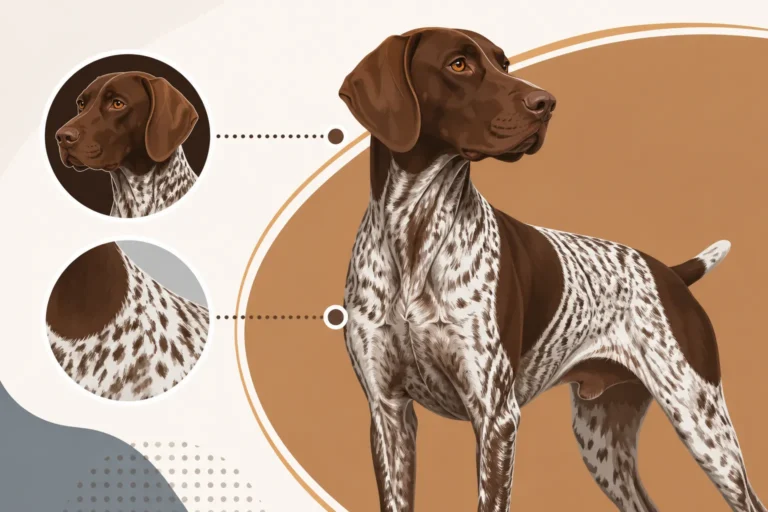
The Height a Female German Shorthaired Pointer Reaches
It's completely natural to wonder about the physical development of your German Shorthaired Pointer, especially when it comes to their size. We often envision a certain stature based on photos or other GSPs we've met, but the reality can sometimes be a bit different, and it can leave you wondering if your girl is growing "right." Getting a clear picture of what to expect for a female German Shorthaired Pointer's mature height can help alleviate those worries and ensure you're providing the best care as she blossoms into an adult. This guide will walk you through the typical height ranges, what factors play into them, and what to keep an eye on during her growth journey.
Understanding the German Shorthaired Pointer Standard for Females
When you're bringing a German Shorthaired Pointer into your life, especially a female, it's easy to look at the breed standard as a definitive measurement. While it gives us an excellent guideline, it's not a rigid mold that every single GSP will perfectly fit. Knowing the standard, however, is a fantastic starting point for understanding the ideal physical characteristics that define the breed.
The Official Breed Standard for Height
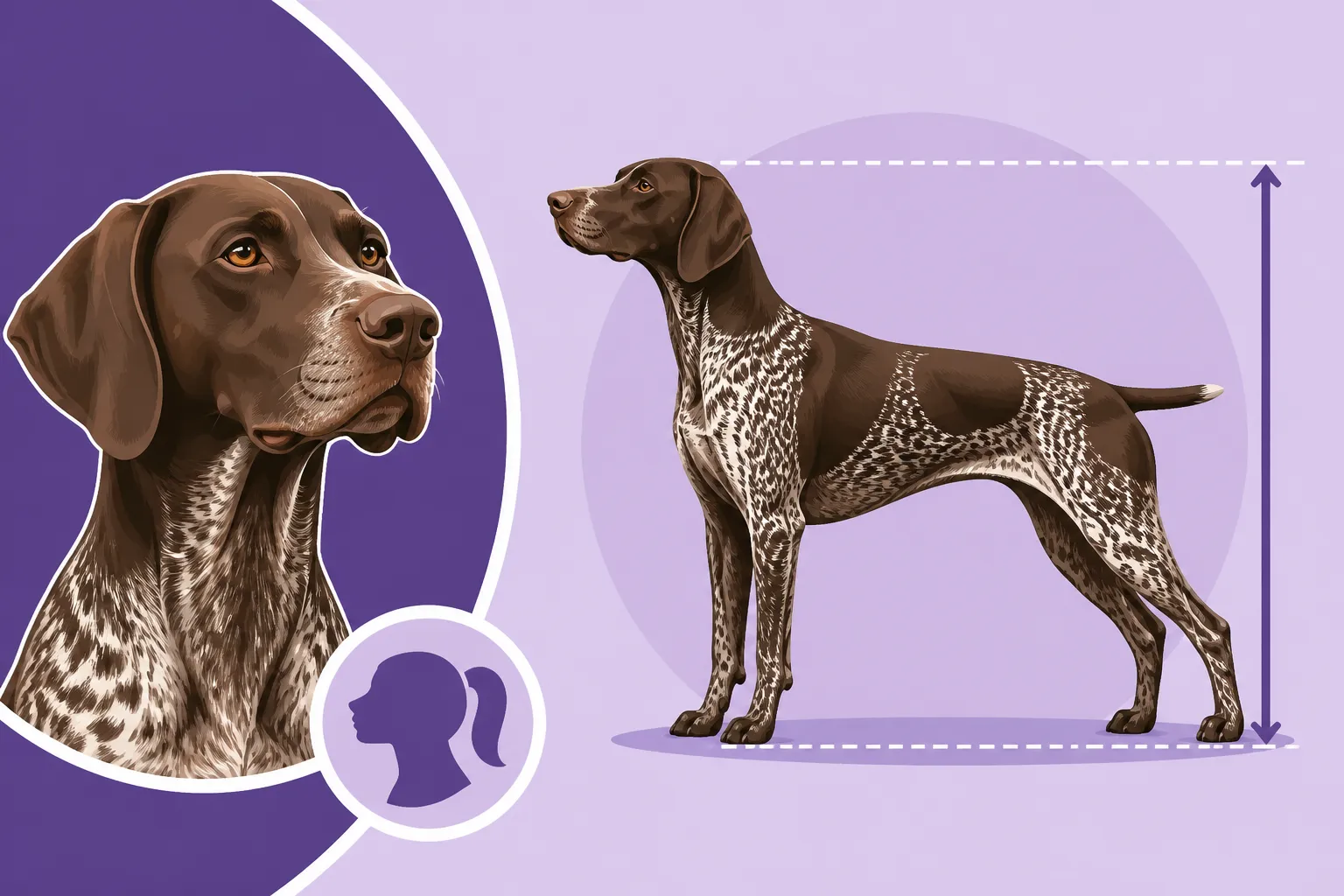
The various kennel clubs around the world publish breed standards that outline the ideal characteristics for a German Shorthaired Pointer. For females, the height standard typically falls within a specific range, usually measured at the highest point of the shoulder blades, also known as the withers. This range is established to ensure the dog possesses the athleticism and functional conformation necessary for its traditional role as a versatile hunting dog. They need to be agile enough to navigate diverse terrain but also possess the reach and power to cover ground efficiently.
For many kennel clubs, including the American Kennel Club (AKC), the height for a mature female German Shorthaired Pointer generally ranges from 21 to 23 inches at the withers. This isn't just an arbitrary number; it's a carefully considered measurement that reflects the breed's purpose. A dog too small might lack the stamina or stride for long days in the field, while one too large could become cumbersome or prone to certain injuries. Breeders strive to produce dogs within this range to maintain the breed's integrity and working ability.
Why There Can Be Variation Within the Standard
While the breed standard provides an ideal, it's important to remember that dogs are individuals, and there's a natural spectrum of size even within well-bred lines. You might see a female GSP who is a solid 23 inches and another who is closer to 21 inches, both perfectly within the standard and equally capable in their roles, whether as a hunting partner or a family companion. These variations can come down to a multitude of factors, not just random chance.
Genetics are a huge player here. Even if both parents are within the standard, their specific genetic makeup can lean toward producing slightly larger or smaller offspring. Think of it like human siblings; they share parents but can still have different heights. Beyond direct parentage, the historical lines behind your dog can also influence their eventual size. Additionally, aspects like nutrition during critical growth phases, the amount and type of exercise a puppy gets, and even the number of puppies in a litter can all subtly affect how a dog grows. It's also worth noting that sometimes there can be subtle differences in build and size between The Split Between Field and Show Shorthairs, with field lines sometimes being a bit lighter or leaner, which can influence perceived height or overall mass.
Factors Influencing a Female GSP's Mature Height
Several key elements come together to determine just how tall your female German Shorthaired Pointer will stand as an adult. Understanding these can give you a better idea of what to anticipate and how best to support her development. It's a complex interplay, but at its heart, it's about genetics and environment.
Genetic Predisposition from Sire and Dam
Undoubtedly, the most significant factor in your female GSP's mature height is the genetic blueprint she inherits from her parents. If both the sire and dam are on the larger side of the breed standard, there's a higher probability their offspring will also lean towards the upper end of the height range. Conversely, if the parents are smaller, their puppies are likely to be smaller too. This is why good breeders often provide information about the size of their breeding stock, as it offers a strong indicator of what you can expect in terms of a puppy's adult height.
Beyond just the immediate parents, a dog's pedigree can offer clues. Looking back at grandparents and great-grandparents can reveal consistent trends in size within a particular line. Reputable breeders make breeding decisions with an eye toward maintaining the breed standard, which includes appropriate size. This careful selection ensures that puppies from their programs are more likely to mature within the expected height and weight ranges for the breed, providing a level of predictability in their development.
Nutrition and Growth During Puppyhood
While genetics set the potential, proper nutrition during the critical growth phases of puppyhood unlocks that potential. Feeding a high-quality, balanced puppy food specifically formulated for large breeds (which GSPs technically are, in terms of their growth rate and adult size) is paramount. Overfeeding or feeding a diet with an incorrect calcium-to-phosphorus ratio can lead to excessively rapid growth, which can put undue stress on developing joints and bones. This doesn't necessarily make a dog taller in a healthy way, but it can contribute to structural problems down the line.
The goal isn't to make your puppy grow as fast as possible, but rather to promote steady, healthy development. A diet that supports controlled growth helps ensure that bones, ligaments, and tendons mature at an appropriate pace, reducing the risk of conditions like hip or elbow dysplasia. Retailers like Chewy offer a wide selection of premium puppy foods from trusted brands designed to support optimal growth in active breeds like the German Shorthaired Pointer. It's important to follow feeding guidelines closely and consult your veterinarian if you have concerns about your puppy's growth rate or diet. For more details on this crucial period, consider exploring The Growth Year of a German Shorthaired Pointer Puppy.
Exercise and Environmental Factors
Just as nutrition plays a vital role, the right amount and type of exercise are crucial for healthy bone and muscle development in a growing female GSP. Excessive, high-impact exercise, such as long runs on hard surfaces or intense jumping, especially before growth plates have fully closed, can negatively impact a puppy's skeletal development. This stress can potentially lead to injury or affect the final shape and integrity of their joints, though it's less likely to directly alter their maximum genetic height potential.
Instead, focus on moderate, age-appropriate exercise. Plenty of free play in a safe, soft-surface environment like a grassy yard, short walks, and mental stimulation are far more beneficial for a young GSP. As they mature, typically after 12-18 months, their bodies are better equipped to handle more strenuous activities. Thinking about The Age a Shorthair Can Start Distance Running is important here – patience in the early months pays off for long-term soundness. While climate and other environmental factors aren't typically direct determinants of height, a healthy overall environment with access to good veterinary care contributes to a dog reaching its full, healthy potential, whatever that height may be.
Monitoring Your Female GSP's Growth and What to Expect
Watching your German Shorthaired Pointer puppy grow is one of the joys of pet ownership, but it can also bring a lot of questions. Knowing what's normal and what might warrant a call to the vet can give you peace of mind throughout her development.
Typical Growth Milestones
German Shorthaired Pointers, being an active and athletic breed, tend to grow quite rapidly in their first six months. You'll notice significant changes week by week, both in height and overall body mass. They typically reach most of their adult height between 8 to 12 months of age, though some may continue to "fill out" and gain a bit more muscle and substance until they are closer to 18 to 24 months old. The growth plates, which are areas of cartilage in young dogs' bones where growth occurs, usually close by 12-18 months, at which point their bones stop lengthening.
During this period, it's helpful to keep an eye on her general proportions. She might look a bit "leggy" or awkward at certain stages, which is completely normal as different parts of her body grow at different rates. For instance, sometimes their front legs seem to shoot up before their back end catches up, or vice versa. This uneven growth is a temporary phase. If you're curious about general weight milestones, understanding What a Shorthair Puppy Should Weigh at Four Months can offer another data point for comparison, though height is the primary focus here.
When to Be Concerned About Height or Stature
While variations in height are normal, significant deviations or concerns about disproportionate growth should always be discussed with your veterinarian. If your female GSP appears significantly smaller than even the lowest end of the 21-inch standard by the time she's fully mature, or if she seems unusually stunted in growth compared to her littermates or other GSP puppies her age, it could indicate an underlying issue. Similarly, if she grows exceptionally large, much beyond the 23-inch mark, it's worth a conversation with your vet to rule out any hormonal imbalances or other health considerations.
Other red flags might include a puppy experiencing lameness, limping, or showing signs of discomfort during growth. These symptoms, coupled with unusual growth patterns, could signal developmental orthopedic issues. While height itself isn't a disease, it can sometimes be an indicator of overall health. Regular veterinary check-ups are essential during puppyhood, as your vet can monitor her growth curve and address any concerns early. They can also provide guidance on breed-specific health screenings, like those covered in The Five Tests Behind a German Shorthaired Pointer CHIC Number, which contribute to understanding a GSP's overall health and soundness.
Here's a quick comparison of typical adult heights for male and female German Shorthaired Pointers:
| Trait | Female German Shorthaired Pointer | Male German Shorthaired Pointer |
|---|---|---|
| Height (at withers) | 21 – 23 inches | 23 – 25 inches |
| Weight | 45 – 60 pounds | 55 – 70 pounds |
Living with a Female GSP of Any Stature
Regardless of whether your female GSP is on the taller or shorter side of the standard, adapting your care and resources to her specific needs is key to a happy and healthy life together. Their vibrant personalities and boundless energy often overshadow minor differences in height anyway!
Adjusting Gear and Supplies for Her Size
One of the most practical considerations for any German Shorthaired Pointer, and particularly for accommodating her unique size, is ensuring all her gear fits properly. A collar that's too tight or too loose can be uncomfortable and unsafe. Harnesses need to allow for full range of motion without chafing, especially for such an active dog. Crates and dog beds should be spacious enough for her to stand up, turn around, and stretch out comfortably. A crate that's too small can become a source of stress and discomfort, defeating its purpose.
When you're shopping for these essentials, whether it's a sturdy leash, a comfortable bed, or a travel crate, make sure to measure your girl accurately. Online retailers like Chewy often provide detailed sizing guides, which are incredibly helpful when you can't try items on in person. Investing in good quality, appropriately sized equipment from the start will make both your lives easier and more comfortable. For a deeper dive into the kind of equipment a GSP owner might need, you might find Collars, Boxes and Vests a Shorthair Owner Buys insightful.
Ensuring She Stays Healthy and Fit
Beyond just her height, maintaining an ideal body condition is paramount for a female German Shorthaired Pointer's long-term health and well-being. GSPs are naturally lean, muscular dogs built for endurance. You should be able to easily feel her ribs without seeing them prominently, and she should have a distinct waist when viewed from above. An overweight GSP, regardless of her height, puts unnecessary strain on her joints, heart, and other organs, potentially exacerbating issues like arthritis later in life. This is especially important as they age, so understanding The Body Condition a Field Shorthair Should Carry is crucial throughout her life.
Regular veterinary check-ups, as outlined in The Vet Schedule a Working Shorthair Should Keep, are vital for monitoring her overall health, including her weight and joint health. Your vet can advise on appropriate portion sizes and exercise routines tailored to her age, activity level, and individual metabolism. High-quality food, sourced easily from places like Chewy, will provide the nutrients she needs to maintain her lean physique and energy. Remember, a fit GSP is a happy GSP, and ensuring she's in prime condition will help her enjoy her active lifestyle to the fullest.
Disclaimer
This article is for general informational purposes only and does not constitute professional advice. Laws, prices and regulations vary by location and change over time. Consult a qualified professional for guidance on your specific situation.