Whether a Liver Roan Shorthair Is Rare
It's a common question among German Shorthaired Pointer enthusiasts and prospective owners: what's the deal with liver roan? You might hear whispers that it's super rare, or perhaps you've seen one and been captivated by its unique coat. This guide will dive deep into the fascinating world of GSP coat colors, particularly the liver roan pattern, to clarify its prevalence, appearance, and what it means for owning one of these incredible dogs.
Understanding German Shorthaired Pointer Color Genetics
Before we can tackle the "rarity" of liver roan, it's essential to understand the foundation of German Shorthaired Pointer (GSP) coat colors and how they come to be. The breed standard, largely influenced by the original The German Kennels the Shorthair Was Built In, specifies acceptable colors, primarily focusing on liver and white, or black and white variations. Within these broad categories, there are several distinct patterns.
The Standard GSP Colors and Markings
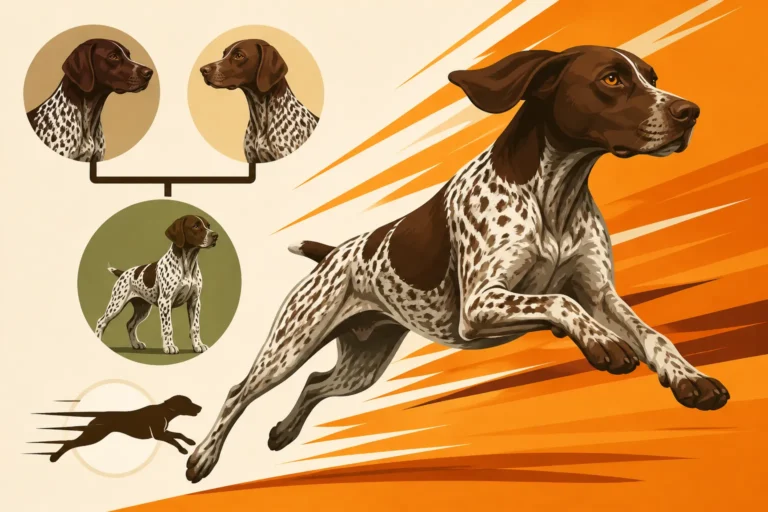
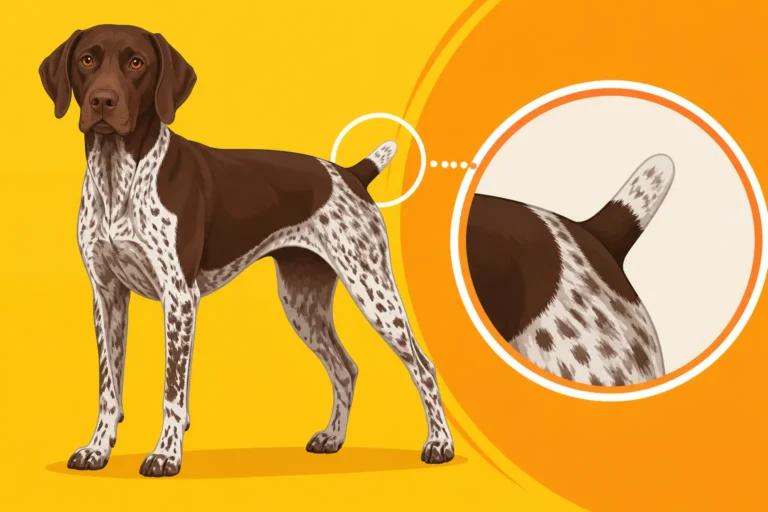
When you look at a German Shorthaired Pointer, you're usually seeing a beautiful mosaic of liver (a rich, deep brown, often appearing almost black in low light) and white. This can manifest in a few key ways. You might see a dog that is solid liver, or perhaps mostly liver with small white markings, often on the chest or feet. More commonly, you'll encounter dogs with significant white areas that are either patched, ticked, or roan.
Patched dogs have large, solid blocks of liver on a white background, like distinct islands of color. Ticked dogs have small, individual flecks of color—think tiny spots—scattered within the white areas, creating a speckled effect. These ticks are usually more defined and discrete. Then there's roan. In a roan GSP, the white areas aren't stark white with separate spots; instead, the colored hairs are so finely and evenly mixed with the white hairs that they create a beautiful, frosted or salt-and-pepper effect. It's a blend, a diffusion of color rather than distinct markings. This uniform blend is what truly distinguishes roan from ticking. For a deeper dive into these nuances, you might find The Difference Between Ticked and Roan on a Shorthair particularly helpful.
The Genetic Basis for Roan
The genetics behind GSP coat colors are wonderfully complex, but we can simplify it a bit. The primary colors are liver (recessive 'bb' gene) and black (dominant 'BB' or 'Bb' gene). German Shorthaired Pointers are predominantly liver-based, which is why liver and white is their most iconic look. The presence of the roan gene (often a dominant modifier, 'Rn') acts upon the white areas of a dog's coat that would otherwise be ticked or clear.
So, a liver roan Shorthair specifically has the genetic makeup for liver coloration combined with the gene for roaning. Instead of having distinct liver patches or individual liver ticks on a white background, the roan gene ensures that the liver hairs are interspersed throughout the white areas in a uniform, finely mixed pattern. This gives the coat a blended, almost smoky appearance, particularly noticeable on the legs, belly, and chest. It's not a color that happens randomly; it's a specific genetic expression that creates a truly unique look. Understanding these genetic underpinnings helps clarify why certain patterns appear and why others might be less common.
Is Liver Roan Truly Rare in German Shorthaired Pointers?
When talking about "rare" dog coat colors, it's important to distinguish between something that is genetically unusual or difficult to produce, and something that is simply less common due to breeder preference or historical trends. In the case of liver roan German Shorthaired Pointers, the truth lies somewhere in the middle: it's not a genetic anomaly, but it might not be as universally abundant as other patterns.
Prevalence Compared to Other Patterns
Let's put it plainly: liver roan German Shorthaired Pointers are not "rare" in the sense that they are a genetic mutation or undesirable. They are a recognized and accepted color pattern within the breed standard. You'll see them at shows and in hunting fields. However, if you compare their numbers to, say, a liver and white patched dog, or a liver and white ticked dog, you might find them to be slightly less common in the general population.
Many breeders have preferences for certain patterns, and sometimes, the more distinct "patches" or "ticking" are simply what people are most familiar with when they picture a GSP. The classic "liver and white" often brings to mind those bold patches. Solid liver GSPs, while striking, might also be considered less common than the liver and white variations. How Common a Solid Liver German Shorthaired Pointer Is might offer some interesting comparative data if you're curious about other specific color prevalences.
The liver roan is just another beautiful expression of the breed's genetics. While black roan GSPs do exist, and can be quite striking, they are often seen as less typical and sometimes face stricter scrutiny under certain breed standards than liver roans. It's important to remember that accepted colors and patterns can vary slightly depending on regional kennel club interpretations, but liver roan has a firm footing.
Factors Influencing Perceived Rarity
So, if it's not truly rare, why might it feel that way? Several factors can contribute to the perception of rarity:
- Breeder Focus and Demand: Some breeding programs might inadvertently produce more heavily patched or ticked dogs simply because those are the patterns their breeding stock tends to produce, or because there's a higher demand for those traditional looks. If a breeder isn't actively selecting for or against roan, its occurrence might naturally fluctuate.
- Regional Popularity: Just like certain physical traits, particular color patterns can gain more traction in specific regions or among certain groups of enthusiasts. What's common in one state might be less so a thousand miles away.
- Visual Interpretation and Terminology: Sometimes, a very heavily ticked dog might be mistakenly called roan, or a lightly roaned dog might be dismissed as merely "ticked." The distinction can be subtle, especially in puppies. The fine, even mixture of hairs that defines roan needs a keen eye to truly appreciate. As Whether a Shorthair Puppy Changes Color as They Grow points out, a puppy's coat can evolve, and the full extent of roaning might not be immediately apparent, leading to misidentification or underestimation of its presence.
- Historical Trends: Certain patterns have been historically more favored, leading to more breeding efforts in those directions over the decades since the breed's inception. However, as appreciation for the full spectrum of GSP beauty grows, so does the recognition and demand for all acceptable patterns, including liver roan.
Ultimately, while you might not see a liver roan GSP on every street corner, they are a vibrant, valid, and truly stunning part of the breed's genetic tapestry, far from being a rare anomaly or an undesirable trait.
What a Liver Roan Coat Looks Like and How It Develops
The liver roan coat is truly distinctive, offering a blend of colors that sets it apart from other GSP patterns. It's not just a matter of spots; it's an intricate tapestry of color that often deepens and develops over time.
The Appearance of a Liver Roan Shorthair
Imagine a white canvas, but instead of being painted with bold, distinct liver patches or sprinkled with individual liver ticks, it's as if someone took a fine brush and gently mixed liver and white hairs together. That's the essence of a liver roan. The white areas of the coat—typically the chest, belly, legs, and parts of the face—are not pure white. Instead, they feature a very fine, even mixture of liver-colored hairs interspersed with white hairs. This creates a soft, diffused appearance, often described as a frosted, salt-and-pepper, or bluish-grey (if you squint and think of the liver as a dark, cool tone) look.
The key here is the evenness of the distribution. Unlike ticking, where you see distinct small dots, roaning is a uniform blend. It almost looks like the color has bled into the white, creating a unique texture and depth. The density of the roaning can vary, too. Some liver roans might have very subtle flecking, while others appear almost entirely a blended color over large portions of their body, with only the darkest liver patches remaining distinct.
It's also worth noting that the intensity of the roaning can change. Puppies might start with lighter roaning that darkens as they mature, giving them an even richer, more complex coat. This natural darkening is a common trait in many ticked and roan patterns, and is part of the charm of watching a GSP puppy grow.
Identifying a True Liver Roan Puppy
Identifying a true liver roan puppy can be tricky, especially when comparing it to a heavily ticked pup, as both involve flecks of color in white areas. However, there are some tell-tale signs even in young puppies that can help distinguish the two.
- Birth to a few weeks: At birth, most GSPs, regardless of their eventual pattern, will have clearly defined solid patches of color and white areas. The roaning, which is the fine intermingling of hairs, typically starts to become visible within the first few weeks of life, often by 3-6 weeks. Instead of individual spots emerging on the white, you'll see a gradual "filling in" or "frosted" effect where the white would normally be.
- Uniformity vs. Distinctness: A roan puppy's "white" areas will begin to look less like pure white and more like a lightly dusted or speckled canvas, with the colored hairs appearing as a uniform mist rather than defined dots. Ticking, by contrast, usually manifests as more distinct, albeit small, spots that become clearer as the puppy matures. Think of it like a watercolor wash versus pointillism.
- Overall Impression: By a few months old, a liver roan puppy will have a blended, "painted" look in its lighter areas, rather than a polka-dotted appearance. This subtle blending is its hallmark. If you're looking at a litter, comparing pups side-by-side can really highlight the difference. Breeders who are experienced with various GSP color patterns can usually identify a true roan quite early on, often being able to predict how heavily roaned a puppy will become. Understanding the development of these patterns is part of the joy of watching these puppies grow into their magnificent adult coats.
Living With and Caring for a Liver Roan German Shorthaired Pointer
No matter the captivating pattern your German Shorthaired Pointer sports, whether it's classic liver and white patches, heavy ticking, or the stunning liver roan, the core of their care remains consistent. Their coat color doesn't dictate their needs for exercise, nutrition, or general well-being, but it's always good to be mindful of basic GSP care principles.
Coat Maintenance for Any Color Shorthair
One of the great joys of a GSP is their wash-and-wear coat! That short, dense hair is incredibly practical for field work, shedding water and debris relatively well. However, "short" doesn't mean "no shedding." Oh no, my friend, that fine, stiff hair somehow weaves itself into every fabric in your home. How Much a German Shorthaired Pointer Really Sheds is a topic many GSP owners become intimately familiar with!
Regardless of whether your dog is a liver roan or solid liver, a routine of basic grooming is key. Regular brushing, even just a few times a week with a rubber curry brush or a shedding blade, can significantly reduce the amount of hair that ends up on your couch. It also helps to distribute natural oils, keeping their coat healthy and shiny. Baths are generally only needed when your GSP gets genuinely dirty or smelly, not on a strict schedule. When you do bathe them, use a good quality dog shampoo. For all your grooming needs, from brushes to shampoos, online retailers like Chewy offer a fantastic selection that makes finding the right tools easy.
Health Considerations and Color
It's a huge relief to know that the liver roan pattern itself is purely cosmetic and carries no specific health risks for German Shorthaired Pointers. Unlike some breeds where certain coat colors or patterns can be linked to genetic health issues (like deafness in primarily white dogs), liver roan in GSPs is simply a variation of a normal, healthy coat.
Your focus, therefore, should be on the general health considerations common to the German Shorthaired Pointer breed, regardless of their striking liver roan coat. GSPs are generally robust dogs, but like all breeds, they have predispositions to certain conditions. These can include orthopedic issues such as Hip Dysplasia in a Hard Running German Shorthaired Pointer, eye conditions, or even more acute concerns like The Bloat Risk a Shorthair Carries Into Every Season. Maintaining regular veterinary check-ups, ensuring a high-quality diet, and providing appropriate exercise are far more crucial for your liver roan GSP's longevity than worrying about its coat color. For example, a quality joint supplement from Chewy might be a proactive step as your dog ages, regardless of coat color. The typical lifespan for a GSP, as explored in The Twelve to Fourteen Years a German Shorthaired Pointer Gets, remains consistent across all accepted color patterns.
The Beauty and Uniqueness of Liver Roan
Beyond the practicalities, there's immense joy in owning a liver roan German Shorthaired Pointer. Their coats are truly a work of art. The subtle blend of liver and white hairs creates a sophisticated and often striking appearance that stands out from more common patterns. It's a coat that catches the light beautifully, highlighting the texture and depth of the roaning.
Many owners find that their liver roan GSP draws admiring glances and comments, not just for their athletic build and keen intelligence, but also for their unique aesthetic. It’s a pattern that celebrates the diversity within the breed, showcasing another facet of the German Shorthaired Pointer's inherent beauty. Whether your GSP is an accomplished hunter, a beloved family companion, or a show dog, their liver roan coat adds an extra layer of individuality and charm, making them truly unforgettable. And when it comes to training your beautiful liver roan companion, don't forget the power of positive reinforcement with delicious Treats a German Shorthaired Pointer Trains For – readily available from places like Chewy!
Disclaimer
This article is for general informational purposes only and does not constitute professional advice. Laws, prices and regulations vary by location and change over time. Consult a qualified professional for guidance on your specific situation.