Whether a Shorthair Poodle Cross Is a Real Thing
A German Shorthaired Pointer crossed with a Poodle is a real individual dog, but it is not a standardized breed with predictable size, coat, temperament, or hunting ability. That matters if you’re hoping for a low-shedding, easygoing pointer—or a curly-coated dog that still works like a Shorthair. This guide explains what the cross can mean in practice and what to ask before bringing one home.
Is a German Shorthaired Pointer Poodle cross a real thing
What people mean by a Shorthair Poodle cross
A Shorthair Poodle cross usually means a German Shorthaired Pointer bred with a Poodle. You may see the dogs described as German Shorthaired Pointer Poodle mixes, Pointer Poodle mixes, or given an informal blended name. Those labels can help people search, but they do not identify a formally standardized breed with an agreed-upon appearance or temperament.
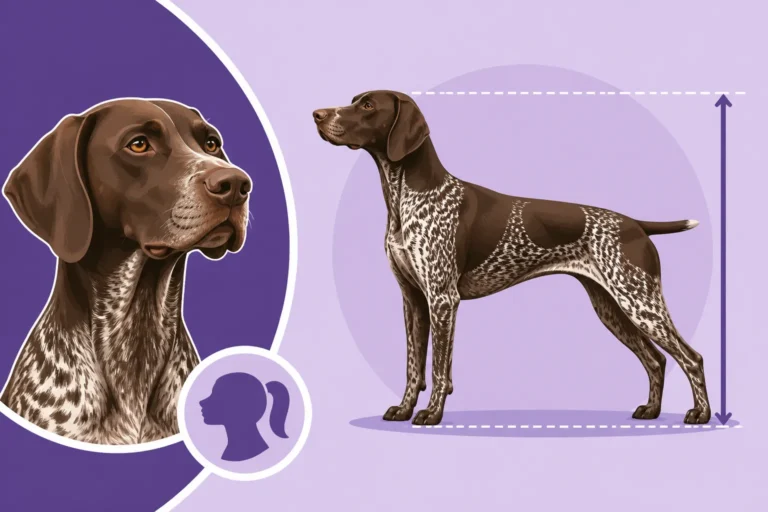
The parents’ size and lineage matter. “Poodle” may refer to a Standard, Miniature, or Toy Poodle, though a Standard Poodle is the more plausible match for someone seeking a larger sporting dog. Even then, the puppies’ adult size cannot be guaranteed just by looking at the parents. A breeder should be able to tell you which Poodle variety is involved and provide clear information about both dogs.
You may also encounter terms such as F1 or F1b in advertisements. These describe a dog’s place in a breeding sequence, not a promise about its coat, health, or behavior. An F1 cross generally refers to a first-generation puppy with one German Shorthaired Pointer parent and one Poodle parent. Other generations involve additional crosses, but a generation label alone does not tell you exactly how a particular puppy will turn out.
A cross is not the same as an established breed
A mixed-breed dog can be genuine and wonderful without being a recognized breed. German Shorthaired Pointers and Poodles have their own breed standards and histories; a cross between them does not automatically acquire a separate, consistent standard. There is no single reliable description that tells you every Shorthair Poodle cross will have a certain coat, height, energy level, or set of instincts.
That distinction matters when a listing makes strong promises. Claims such as “non-shedding,” “hypoallergenic,” “calm,” or “naturally great at hunting” should be treated as claims about an individual puppy’s likely traits, not guarantees. If you want to understand how much a mixed dog’s pointer ancestry may affect its behavior, Whether a German Shorthaired Pointer Mix Still Points is a useful related topic.
For the same reason, a cute name or a breeder’s description is not a substitute for knowing the parents. Ask to meet them if possible, learn how they behave at home and outdoors, and request relevant health records. A responsible seller should be comfortable explaining what is known, what is uncertain, and how they choose homes for the puppies.
What might a Shorthair Poodle cross look and act like
Coat, shedding, and grooming are hard to predict
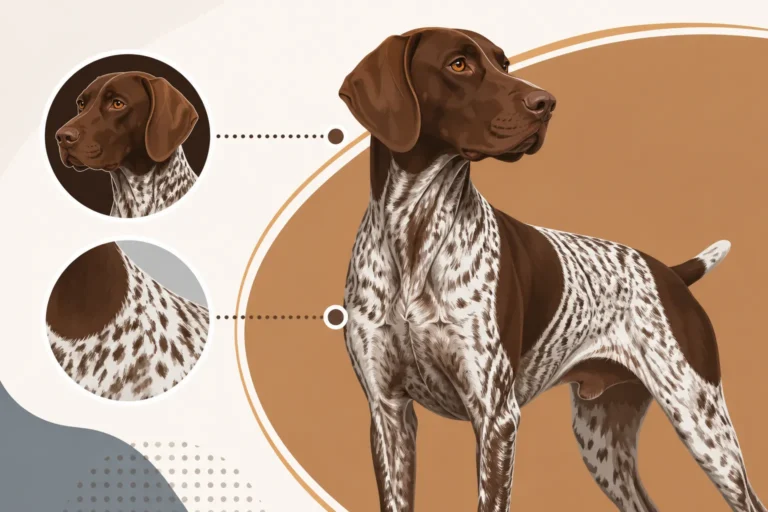
The coat may be short and close like a German Shorthaired Pointer’s, wavy, curly, or somewhere between. Puppies in the same litter can even develop noticeably different coat textures. A Poodle parent does not guarantee that every puppy will inherit a dense, curlier coat or shed very little. Some crossbred dogs shed, and some coats require regular brushing and professional grooming to prevent painful tangles or mats.
A dog with a curlier coat may need more upkeep than a short-coated Shorthair. Hair can mat in friction areas such as behind the ears, under a collar or harness, and around the legs. Regular brushing, careful coat checks, and grooming appointments can become part of the routine. If you are comparing possible grooming demands, Whether a Shorthair Needs a Professional Groomer offers useful context for the pointer side of the mix.
People often seek Poodle crosses because someone in the household has allergies. But there is no dependable way to promise that a particular mixed-breed puppy will not trigger symptoms. Allergies can involve a dog’s dander and saliva as well as hair, and individual reactions vary. A shorter or curlier coat does not make a dog reliably allergy-safe. If this is a deciding factor, spend time around the specific dog and speak with an allergy professional before committing. Whether a German Shorthaired Pointer Suits an Allergy Home covers the same concern from the Shorthair perspective.
Energy and instincts may not average out
It is tempting to imagine that crossing a high-energy pointer with a Poodle will create a neat middle ground: athletic but manageable, clever but settled. In real life, inheritance does not work like a temperament calculator. A puppy may be highly active, people-focused, sensitive, driven to chase, eager to retrieve, or some combination of those traits. Individual personality and upbringing also matter.
The pointer parent’s working heritage can show up as a strong interest in birds, fast movement, or a tendency to range and investigate. The Poodle parent may bring intelligence, athleticism, and a need for purposeful engagement. None of those traits guarantees that the dog will hunt, but they are good reasons to ask what the parents actually do and how they behave when they are not working. For a broader look at inherited activity needs, see Whether a Shorthair Mix Inherits the Energy.
Plan for more than a quick walk around the block, especially during adolescence. A young cross may need a thoughtful mix of physical activity, training, sniffing opportunities, and rest. The right routine depends on the individual dog, age, health, and skills. A dog that is mentally under-stimulated may invent its own entertainment, such as shredding bedding, counter-surfing, or turning the yard into a project. The Household a German Shorthaired Pointer Actually Fits can help you assess whether the pointer side of this mix matches your home and schedule.
| Trait | What could vary | What to ask or observe |
|---|---|---|
| Adult size | Depends partly on the size and build of both parents | What are the parents’ sizes, and what size range have related puppies reached? |
| Coat texture | May be short, wavy, curly, or mixed | What are the parents’ coats like, and how much grooming do they need? |
| Shedding | Can vary even among littermates | Have the parents or previous litters shed noticeably? |
| Energy | May be high, moderate, or different across individuals | How do the parents behave after exercise and at home? |
| Hunting interest | May be present, absent, or expressed in other ways | Do the parents show bird interest, pointing, retrieving, or chasing? |
| Allergy response | Cannot be reliably predicted from the cross | Can household members spend time with the individual dog first? |
What to check before choosing one
Ask about health and the parents, not just the puppy’s appearance
A responsible breeder should be able to discuss the health of both parent dogs and show relevant veterinary and screening records. Ask what testing has been done, who performed it, and what the results mean for this particular pairing. “Vet checked” is not the same thing as appropriate screening for inherited conditions, and a long list of tests is not meaningful if the breeder cannot explain them.
Because the cross can come from different Poodle varieties and different Shorthair lines, the right questions depend on the actual parents. Ask for their registered names or documented histories where available, their ages, and any known issues in close relatives. Also ask whether either parent has a history of orthopedic problems, eye disease, skin conditions, heart concerns, or other health issues. The point is not to expect a puppy with zero risk; it is to see whether the breeder is transparent and makes thoughtful decisions.
Be cautious if the seller focuses heavily on coat color, a special label, or claims that crossbreeding automatically makes puppies healthier. A mixed dog can inherit health concerns from either side. Ask for written records, a clear contract, and a plan for what happens if a serious health concern is discovered. Avoid being rushed into a deposit before you have had time to review the information and consider the fit.
Look for behavior and lifestyle fit
Try to learn how the parents behave in ordinary situations: settling indoors, meeting unfamiliar people, responding to handling, and recovering after excitement. Ask about the puppies’ early socialization and what kinds of surfaces, sounds, people, and routines they have experienced. A puppy’s temperament is still developing, but early handling and a stable environment can help you understand the breeder’s approach.
Be realistic about your own week. A Shorthair Poodle cross may not need to hunt, but it still may be an energetic dog with a strong desire to move and engage. If you work long hours, travel often, or expect the dog to exercise itself in a yard, think carefully about who will provide training, companionship, and structured activity. A yard can be useful, but it does not replace time with you.
If your hope is to get a pointer that is easier to live with because it has Poodle ancestry, pause and look at the individual parents rather than relying on the cross label. Some Shorthairs settle well after exercise and training; others need a particularly active routine. Whether a Shorthair Suits a Non Hunting Home and Whether a Shorthair Can Live in an Apartment can help you think through the demands of the pointer side before making a decision.
Grooming, training, and everyday care
Prepare for the coat the dog actually has
Once you know the puppy’s coat is developing, build a basic care routine around it. A short coat may need relatively simple brushing and occasional bathing, while a curly or wavy coat may need frequent brushing and professional attention. Check the skin as you groom, since close-cropped or thin areas can make scrapes, irritation, and parasites easier to notice.
You do not need a complicated kit to begin. A suitable brush or comb, nail trimmer, dog shampoo, and a way to check ears and paws are practical starting points. Retailers such as Chewy can be one place to compare grooming tools, but choose tools based on the dog’s coat and comfort rather than a breed-mix label. If the coat mats easily or your dog dislikes brushing, ask a groomer to show you a gentle routine and discuss a manageable trim.
Introduce grooming in short, calm sessions. For example, brush a small area, reward the dog for standing still, and stop before either of you gets frustrated. This is especially helpful for a lively dog that would rather sprint around the yard than sit through a full grooming session. Make nail handling, ear checks, and being touched around the feet part of normal, positive training rather than something that only happens when there is already a problem.
Train for the dog in front of you
Start with everyday skills: name response, recall, loose-leash walking, settling on a mat, and polite greetings. For a dog with pointer-like interest in wildlife, practice recall and leash skills in low-distraction places before expecting them to work near birds or game. Do not assume that a puppy who comes when called in the kitchen will return promptly when it catches a fresh scent outdoors.
Reward-based training can help build cooperation without turning every outing into a battle. Keep sessions short enough that the dog can succeed, gradually increase distractions, and provide legal outlets for sniffing, retrieving, and exploration. If the dog shows strong hunting instincts, work with a qualified trainer who understands sporting breeds rather than assuming those instincts will disappear with age.
For some households, the practical answer is a mix with a different personality or exercise profile. For others, the uncertainty is acceptable because they enjoy training and outdoor activities. Either way, compare the actual dog’s needs with your daily routine, not an advertisement’s promise. Chewy may be useful for finding everyday supplies such as training treats or enrichment toys, but equipment cannot replace consistent teaching and shared activity.
Decide whether the cross fits your priorities
A Shorthair Poodle cross may suit someone who wants an active companion and is comfortable with variation in coat, temperament, and size. It may be a poor fit if you need a guaranteed low-shedding dog, a predictable hunting partner, or a calm companion that requires little exercise. Those outcomes cannot be assured by the cross alone.
Before choosing a puppy, write down your non-negotiables. Consider how much grooming you can manage, how much daily exercise and training you can provide, whether you need dependable performance in the field, and whether everyone in your household is comfortable with allergy uncertainty. If hunting ability is central, evaluate the parents’ actual working traits and ask about the breeder’s goals. If an easy family companion is the priority, ask about the parents’ household behavior and the support available after adoption.
You can also consider an adult mixed-breed dog whose coat and behavior are already more visible. A rescue or foster caregiver may be able to describe how the dog handles being alone, meeting people, grooming, and outdoor activity. That still does not guarantee every future behavior, but it can give you more practical information than a young puppy’s appearance alone. Chewy and other retailers can help you assemble routine supplies once you know what the individual dog needs; the more important first step is making sure the dog’s likely needs fit your life.
Disclaimer
This article is for general informational purposes only and does not constitute professional advice. Laws, prices and regulations vary by location and change over time. Consult a qualified professional for guidance on your specific situation.