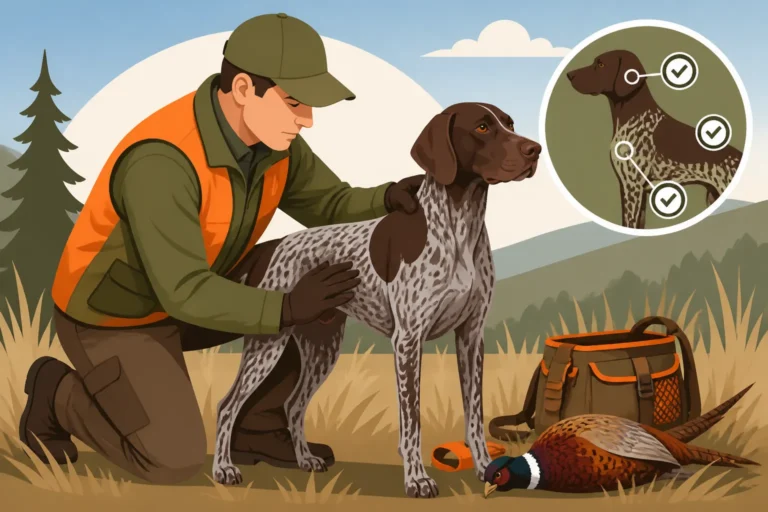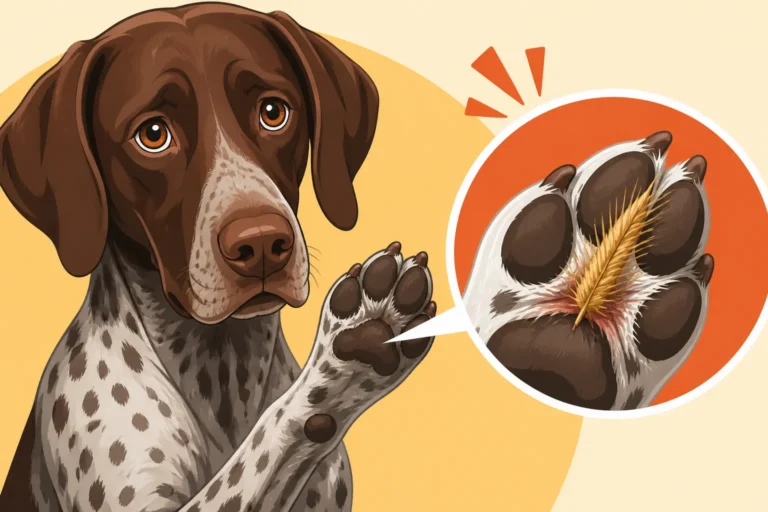
The Twelve to Fourteen Years a German Shorthaired Pointer Gets
It's a question that weighs heavily on the hearts of every German Shorthaired Pointer owner: how much time do I really have with this incredible dog? These dogs are more than just pets; they're family, hunting partners, and tireless companions. The thought of their eventually slowing down, or worse, leaving us, is a painful reality. This comprehensive guide is here to shed light on the typical lifespan of a German Shorthaired Pointer, diving deep into the factors that influence their longevity and, most importantly, how you can help your beloved companion enjoy as many happy, healthy years as possible by your side.
Understanding the Typical German Shorthaired Pointer Lifespan
Bringing a German Shorthaired Pointer into your life is a commitment, and part of that commitment involves understanding their journey from boisterous puppy to dignified senior. It’s natural to wonder about their lifespan, to hope for a long, healthy existence, and to prepare for the reality that they won't be with us forever. For many, the expectation is that these energetic, robust dogs will be around for a good chunk of time, but what's the real number?
Average Life Expectancy and What It Means
When we talk about the average lifespan of a German Shorthaired Pointer, most sources, including reputable breed clubs and veterinary data, typically point to a range of about 12 to 14 years. This isn't a hard and fast rule, of course; some Shorthairs bless their families with closer to The Median Age a German Shorthaired Pointer Reaches while others, sadly, may leave us sooner due to unforeseen circumstances or specific health challenges. But that 12-14 year window is a good benchmark to keep in mind. It gives us a realistic expectation while still allowing for the hope that our individual dogs might defy the odds and become one of those cherished Shorthairs That Live to Sixteen and Beyond.
What does this average mean for you, the owner? It means that you're looking at over a decade of adventures, cuddles, and unwavering loyalty. It means planning for their care, training, and enrichment not just for a few years, but for a significant portion of your own life. This understanding allows us to appreciate each day, each hunt, each quiet evening on the couch, knowing that these precious years are finite. It encourages us to invest in their health and happiness from day one, laying the groundwork for a long, vibrant life.
Factors Influencing Longevity
While 12-14 years is the average, many interconnected factors play a crucial role in whether a GSP lands on the higher or lower end of that spectrum, or even surpasses it. Genetics, undoubtedly, is a cornerstone. A dog from a well-researched lineage with health-tested parents and a history of longevity on both sides often has a head start. Responsible breeders prioritize health clearances for hips, elbows, eyes, and heart, striving to minimize the risk of passing on debilitating conditions.
Beyond genetics, lifestyle factors loom large. Nutrition, exercise, preventative veterinary care, and even mental stimulation all contribute significantly. A German Shorthaired Pointer kept at a healthy weight, fed a high-quality diet appropriate for their activity level, and given consistent, appropriate exercise is naturally going to fare better than one who is overweight, under-exercised, or fed poor-quality food. Environmental factors, like exposure to toxins or chronic stress, can also take their toll, albeit often subtly. It's a holistic picture, where every decision you make as an owner contributes to their overall well-being and, ultimately, their time with you.
How a Working Dog's Life Compares
There's a common misconception that working dogs, especially those that hit the fields hard like our German Shorthaired Pointers, might have shorter lifespans due to the physical demands placed upon them. And it's true, a high-octane life in the field comes with its own set of risks, from Field Injuries a Hunting German Shorthaired Pointer Comes Home With to the general wear and tear on their joints. However, the reality is a bit more nuanced. While injuries can be a concern, a well-conditioned working GSP is often incredibly fit, lean, and mentally stimulated, all of which can contribute positively to longevity.
A field-bred German Shorthaired Pointer is usually kept in peak physical condition, with careful attention paid to diet, muscle tone, and preventative care to ensure they can perform their job safely and effectively. This dedication to fitness and health can actually counteract some of the risks. What often makes the difference isn't the work itself, but how that work is managed. Adequate rest, proper conditioning, a keen eye for early signs of lameness or fatigue, and immediate veterinary attention for any issue are paramount. So, while you might worry Whether a Field Bred Shorthair Lives as Long, many working dogs, when cared for meticulously, live just as long, if not longer, than their more sedentary counterparts, enjoying a rich, purposeful life right up until The Age a German Shorthaired Pointer Slows in the Field.
Genetic Predispositions and Inherited Health Concerns
It's a tough pill to swallow, but even with the best care, some health challenges are simply "baked in" due to genetics. German Shorthaired Pointers, like any purebred dog, have certain conditions that are more prevalent in the breed. Understanding these isn't about fostering anxiety, but about empowering yourself with knowledge to make informed decisions for preventative care and early detection, which can dramatically impact their quality and length of life.
Hip and Elbow Dysplasia: A Common Worry
Anyone who has owned an active, large-breed dog knows the term "hip dysplasia" all too well, and German Shorthaired Pointers are certainly not immune. This developmental condition affects the hip joints, where the ball and socket don't fit together properly, leading to grinding, pain, and eventually arthritis. Elbow dysplasia is a similar condition affecting the elbow joint. For a dog that runs, jumps, and twists as much as a GSP, these conditions can be particularly debilitating. It's a significant concern, especially for those who put their dogs through rigorous field work, as it can be heartbreaking to see a promising hunting partner struggle with mobility.
Responsible breeders diligently screen their breeding stock for both hip and elbow dysplasia through organizations like the Orthopedic Foundation for Animals (OFA) or PennHIP. Looking for parents with good scores significantly reduces the risk for puppies. However, even with clear parents, genetics are complex, and environmental factors like rapid growth, excessive exercise in puppyhood, or poor nutrition can exacerbate any underlying predisposition. If you notice your GSP showing signs like bunny hopping, stiffness, or reluctance to jump, especially for Hip Dysplasia in a Hard Running German Shorthaired Pointer, early diagnosis and management—through weight control, joint supplements, physical therapy, or even surgery—can make a world of difference in their comfort and ability to stay active.
Cardiac Conditions to Be Aware Of
While their athletic build might suggest a bulletproof heart, German Shorthaired Pointers can be susceptible to certain cardiac conditions. One of the more commonly discussed is Subaortic Stenosis (SAS), a condition where there's a narrowing below the aortic valve, making the heart work harder to pump blood. This can range from mild to severe, with severe cases potentially leading to sudden cardiac death in young, seemingly healthy dogs. It's truly a silent killer, and the thought of it lurking is terrifying for owners. Another concern can be dilated cardiomyopathy (DCM), where the heart muscle weakens and becomes enlarged, losing its ability to pump blood effectively.
For this reason, cardiac clearances are vital for breeding dogs. Veterinarian cardiologists perform echocardiograms and auscultate hearts to detect murmurs that might indicate an issue. If your Shorthair is diagnosed with a cardiac condition, it doesn't always mean a short life sentence. Many dogs, especially with mild forms or with careful management and medication, can lead relatively normal lives. Regular check-ups are crucial, and your vet might recommend specific exercise restrictions or dietary changes to support heart health. Staying informed and proactive is key to managing these conditions and giving your dog the best possible outcome.
Skin Issues and Autoimmune Challenges
German Shorthaired Pointers have that sleek, short coat that's often admired, but beneath the surface, some can be prone to various skin issues and autoimmune conditions. Lupoid dermatosis is a particularly challenging one that tends to affect GSPs. This is an autoimmune disease where the body attacks the hair follicles, leading to scaling, hair loss, and sometimes secondary infections, often starting on the back. It can be incredibly frustrating to manage, both for the dog and the owner, as it’s chronic and can cause significant discomfort. You might wonder if The Skin Disease That Hits a German Shorthaired Pointer Before One will be a lifelong battle, and often, it is.
Beyond specific autoimmune conditions, environmental allergies and hot spots can also plague Shorthairs, especially those frequently in the field or water. Their short coats offer less protection against allergens, parasites, and irritants, and they're quick to develop inflamed, itchy skin. Addressing these issues often requires a multi-pronged approach: working with your vet to identify triggers, using medicated shampoos, dietary changes, and sometimes immunosuppressive medications. While these conditions might not directly shorten a lifespan, they significantly impact a dog's quality of life, and chronic inflammation can contribute to other health issues over time. Diligent care and a close partnership with your veterinarian are essential for managing these persistent problems.
Eye Health and Vision Concerns
Given their reliance on keen sight in the field, eye health is particularly important for German Shorthaired Pointers. Unfortunately, like many breeds, they can be predisposed to certain ocular conditions. Cone Degeneration (CD), also known as day blindness, is one such condition. Dogs affected by CD gradually lose their ability to see in bright light, though their night vision often remains intact. It can be quite disorienting for them and concerning for owners who see their dog struggling in sunny conditions. The good news is that there is a DNA test available to identify carriers and affected dogs for Cone Degeneration and the Shorthair DNA Test for It, allowing responsible breeders to avoid producing affected puppies.
Other eye issues, though less common as primary breed concerns, can include entropion or ectropion (rolled-in or rolled-out eyelids), cataracts (clouding of the lens), and progressive retinal atrophy (PRA), which eventually leads to complete blindness. Regular eye examinations by a veterinary ophthalmologist, especially for breeding stock, are crucial. For pet owners, simply being observant—watching for cloudiness, excessive tearing, squinting, or changes in how your dog navigates their environment—can lead to early detection and management. While loss of vision is heartbreaking, many dogs adapt remarkably well, especially with a consistent environment and the unwavering support of their human companions.
The Impact of Diet and Nutrition on Longevity
Just like for us humans, what goes into our German Shorthaired Pointers' bodies directly impacts their health and how long they thrive. Nutrition isn't just about filling their bellies; it's about providing the building blocks for strong muscles, healthy organs, a robust immune system, and sustained energy. Skimping on quality here can have far-reaching consequences on their lifespan and overall vitality.
Fueling an Active German Shorthaired Pointer
Let's be real: a German Shorthaired Pointer is not a couch potato. These are high-drive, high-energy dogs bred to run, point, and retrieve all day long. Their dietary needs reflect this intense activity level. A cheap, generic kibble simply won't cut it for a GSP that’s truly working or getting the exercise they need. They require a diet that is rich in high-quality animal protein to maintain their lean muscle mass and repair tissues after strenuous activity. Equally important are healthy fats, which provide concentrated energy and support skin and coat health.
When choosing food, look for reputable brands that list a named meat source (e.g., "chicken meal," not "meat meal") as the first ingredient. The caloric density needs to match their activity level – a dog hunting multiple days a week will need significantly more calories and fat than a well-exercised pet. It's a delicate balance; you want to fuel them adequately without overdoing it. Many owners find that a performance-formula kibble or a well-balanced raw/fresh diet works best. Discussing your dog's specific activity level and dietary needs with your veterinarian or a canine nutritionist is always a smart move to ensure they're getting the optimal fuel.
Managing Weight for Optimal Health
Perhaps one of the most underestimated factors in a dog's longevity is maintaining a healthy weight. For German Shorthaired Pointers, whose ideal physique is lean and athletic, even a few extra pounds can put undue stress on their joints, heart, and other organs. Those magnificent engines were built for speed and endurance, not for carrying excess baggage. An overweight GSP is at a higher risk for Hip Dysplasia in a Hard Running German Shorthaired Pointer developing or worsening, as well as diabetes, heart disease, and a general reduction in stamina and quality of life.
It's easy to accidentally overfeed, especially when those soulful eyes are staring up at you. But being disciplined with portion control, avoiding excessive treats (or making sure treats are low-calorie and count towards their daily intake), and ensuring consistent exercise are paramount. You should ideally be able to easily feel your GSP's ribs with light pressure, see a noticeable waist when viewed from above, and have an abdominal tuck when viewed from the side. Don't be afraid to adjust their food intake seasonally; they might need more in hunting season and less in the off-season. Keeping them lean and hard is one of the kindest things you can do for their long-term health.
Nutritional Needs Through Different Life Stages
A German Shorthaired Pointer's nutritional requirements aren't static; they evolve as your dog moves through different life stages. A rapidly growing puppy has vastly different needs than an adult or a senior. Puppyhood requires carefully balanced calcium and phosphorus ratios to support healthy bone development, avoiding too much or too little, which can contribute to orthopedic issues. A good large-breed puppy formula is usually recommended to support slower, more controlled growth.
As adults, their needs will largely depend on their activity level, as discussed. And then there's the senior stage. As German Shorthaired Pointers age, their metabolism often slows down, and their activity might decrease, even if they're still keen to get out. They may be more prone to conditions like Thyroid Failure in a Middle Aged German Shorthaired Pointer, which can impact weight. At this point, they might benefit from a senior-specific formula that's lower in calories but still provides ample protein to maintain muscle mass, along with ingredients that support joint health, cognitive function, and organ health. Supplements like glucosamine, chondroitin, and omega-3 fatty acids become increasingly important as they transition into their golden years. Regular weight checks and consultations with your vet will help you fine-tune their diet to meet their changing needs.
Exercise and Mental Stimulation for a Long, Fulfilling Life
If there's one thing every German Shorthaired Pointer owner knows, it's that these dogs need exercise. And I don't mean a leisurely stroll around the block. We're talking serious, energy-burning, mind-engaging activity. Neglecting this fundamental need doesn't just lead to a destructive dog; it impacts their physical health and can shorten their lifespan. A bored, under-exercised GSP is a recipe for disaster, both for your home and their well-being.
Balancing High Energy Needs with Joint Health
German Shorthaired Pointers are athletes. They need vigorous exercise daily to stay physically and mentally healthy. This means running, swimming, fetch, long hikes, or dedicated field work. A minimum of 60-90 minutes of high-intensity exercise is often recommended, sometimes more. However, with all that running and jumping, it's critical to balance this energy output with joint health, especially in their younger, developing years. Over-exercising a puppy can damage growth plates, contributing to orthopedic issues later in life. It's a tricky tightrope to walk: you want to tire them out, but you don't want to injure them.
As they mature, the focus shifts to maintaining peak condition while being mindful of wear and tear. Activities that are easier on the joints, like swimming or soft-ground running, can be excellent choices. Paying close attention to any signs of lameness or stiffness and addressing them promptly is key. Using high-quality Joint Supplements for a Hunting German Shorthaired Pointer can be beneficial, particularly as they approach middle age or if they're particularly hard-working. The goal is to keep them moving and engaged without pushing them past their physical limits.
The Importance of Consistent Training and Engagement
Beyond physical exertion, German Shorthaired Pointers are highly intelligent and thrive on mental stimulation. They were bred to work closely with humans, making decisions in the field, and they love having a job to do. Without mental challenges, they can become bored, destructive, and even anxious, regardless of how much physical exercise they get. A dog constantly stressed or frustrated due to lack of purpose is not a happy, healthy dog.
Consistent training, whether for advanced obedience, agility, nose work, or field trials, provides this crucial mental outlet. Daily training sessions, even short ones, reinforce your bond and give their brilliant minds something to chew on. Puzzle toys, interactive feeders, and scent games can also provide fantastic enrichment, especially on days when weather limits outdoor activity. An engaged mind keeps them sharp, reduces stress, and fosters a deeper connection with you, all of which contribute to a more fulfilling and potentially longer life.
Adapting Exercise as They Age
It's tough to admit, but even the most tireless German Shorthaired Pointer will eventually slow down. As they transition into their senior years, their exercise needs will naturally change. While they might still have the spirit and desire to run, their bodies may not be able to keep up. Conditions like arthritis become more common, and their stamina might decrease. Ignoring these changes and pushing them too hard can lead to injury or undue pain.
This doesn't mean stopping exercise altogether! Moderate, consistent activity remains vital for maintaining muscle mass, joint flexibility, and mental well-being. Shorter, more frequent walks, gentle swimming, or controlled leash work can replace the intense, long-distance runs of their youth. Adjusting the intensity and duration of activity based on their current physical condition and listening to their cues is paramount. Providing soft, comfortable bedding and ensuring easy access to food and water can also help an aging GSP stay comfortable. The goal is to keep them active and engaged in a way that supports their aging body, ensuring they remain comfortable and happy for as long as possible.
Proactive Veterinary Care and Preventative Measures
You wouldn't skip your own annual physical, would you? The same goes for your German Shorthaired Pointer. Proactive veterinary care isn't just about reacting to illness; it's about staying ahead of problems, catching issues early, and implementing preventative measures that can literally add years to their life. This is where your partnership with a trusted vet truly shines.
Regular Check-ups and Early Detection
Annual or even bi-annual veterinary check-ups are the bedrock of good preventative care for your German Shorthaired Pointer. During these visits, your vet isn't just giving them a once-over; they're looking for subtle changes that you might miss at home. They'll perform a thorough physical exam, checking everything from their teeth and ears to their heart and joints. Bloodwork, urine analysis, and other diagnostics might be recommended, especially as your GSP gets older, to detect underlying issues like kidney disease, liver problems, or Thyroid Failure in a Middle Aged German Shorthaired Pointer before they become outwardly symptomatic.
Early detection is absolutely critical. For example, catching a developing heart murmur, an early sign of arthritis, or a rise in kidney values can allow for interventions that slow the progression of the disease and improve their quality of life for much longer. These routine visits are also your opportunity to discuss any concerns you might have, from changes in appetite or energy to new lumps or bumps. Don't underestimate the power of these regular appointments in securing a longer, healthier future for your dog. It's truly a cornerstone of The Vet Schedule a Working Shorthair Should Keep.
Vaccinations, Parasite Control, and Dental Health
Beyond the annual physical, a robust preventative care plan includes essential vaccinations, year-round parasite control, and diligent dental hygiene. Vaccinations protect your GSP from dangerous and often deadly diseases like rabies, distemper, parvovirus, and leptospirosis, especially important for dogs frequently in the field. Your vet will guide you on the appropriate vaccine schedule based on your dog's risk factors and local prevalence of diseases.
Parasite control is equally vital. Heartworm prevention is a non-negotiable year-round medication, as heartworms can cause irreversible damage to the heart and lungs. Flea and tick prevention is also crucial, not just to prevent discomfort, but to ward off tick-borne diseases like Lyme disease, anaplasmosis, and ehrlichiosis, which can have long-term health consequences.
And then there's dental health, often overlooked but incredibly important. Periodontal disease, which affects most dogs over the age of three, can lead to pain, tooth loss, and systemic infections as bacteria from the mouth enter the bloodstream and impact vital organs like the heart, kidneys, and liver. Regular dental cleanings under anesthesia, along with at-home care like brushing, dental chews, or water additives, can significantly improve their overall health and add precious years to their life.
Considering Pet Insurance for Peace of Mind
Let's face it: veterinary care can be expensive, especially when unexpected emergencies or chronic conditions arise. The thought of making care decisions based on cost rather than what's best for your dog is a nightmare for any loving owner. This is where pet insurance can truly offer peace of mind, allowing you to focus on your GSP's health without the added financial strain. Companies like Healthy Paws offer plans that can cover accidents, illnesses, surgeries, emergency care, and even genetic conditions, helping to buffer the impact of those inevitable vet bills.
Imagine your German Shorthaired Pointer needing emergency surgery for bloat (a very real and terrifying risk for the breed, as discussed in The Bloat Risk a Shorthair Carries Into Every Season), or requiring ongoing treatment for a chronic condition like a skin disease or arthritis. These can easily run into thousands of dollars. Having pet insurance means you're more likely to be able to say "yes" to the best treatment options available, rather than being forced to choose a less ideal path due to financial constraints. While you hope you never have to use it for major issues, knowing it's there allows you to provide comprehensive care without second-guessing every cost. Healthy Paws, for example, is known for its comprehensive coverage and fast claims processing, making a difficult time a little less stressful.
Recognizing the Signs of Aging and Senior Care
It’s a bittersweet milestone: watching your tireless German Shorthaired Pointer start to show the unmistakable signs of aging. Their muzzle might whiten, their stride might shorten, and their once-unending energy may begin to wane. This transition isn’t a decline to be feared, but a new chapter that calls for an adjustment in care, focus, and understanding. Preparing for and embracing their senior years allows us to continue providing them with the best quality of life possible.
When a German Shorthaired Pointer Becomes a Senior
There isn’t a hard and fast rule, but generally, a German Shorthaired Pointer is considered a senior around 7 to 8 years of age. For a breed that maintains such a youthful exuberance for so long, this might feel a bit early! However, internally, physiological changes are already underway. You might start to notice subtle shifts: a bit more stiffness after a long nap, a slower pace on walks, or less enthusiasm for extended play sessions. Their senses might also start to dim slightly, with some hearing loss or slight clouding in their eyes. You might wonder, What a Ten Year Old German Shorthaired Pointer Can Still Do, and the answer is usually still a lot, just perhaps at a different pace.
The key is to pay attention to these changes without overreacting. Your vet will also start to categorize them as a senior, which often means recommending more frequent check-ups (perhaps twice a year instead of annually) and more extensive blood work to screen for age-related conditions. This isn't about marking an end point, but about acknowledging that their needs are shifting and proactive adjustments can make their later years more comfortable and fulfilling.
Common Ailments in Older Shorthairs
As with all breeds, older German Shorthaired Pointers become more susceptible to certain health issues. Arthritis is almost inevitable to some degree, particularly in active breeds. This can manifest as lameness, difficulty getting up or lying down, or a reluctance to navigate stairs or jump into the car. Cancer, unfortunately, is another major concern, and it becomes more prevalent with age. Lumps and bumps that might have been ignored in youth now warrant closer scrutiny and often require a vet check. Cognitive dysfunction, similar to Alzheimer's in humans, can also occur, leading to disorientation, changes in sleep patterns, or altered interactions.
Other common issues include dental disease (if not managed throughout their life), kidney or liver function decline, and worsening of any pre-existing conditions. For male Shorthairs, prostate issues can arise, and for females, mammary tumors are a concern, especially if not spayed. The good news is that many of these conditions are manageable with early detection and appropriate veterinary care, including medications, supplements, diet changes, and physical therapy. Don't resign your senior GSP to discomfort; there are many ways to support them.
Adapting Your Home and Routine for Their Comfort
One of the most loving things you can do for your aging German Shorthaired Pointer is to adapt their environment and routine to accommodate their changing needs. If they're struggling with mobility, consider adding ramps for cars or beds, or non-slip rugs on slick floors. Orthopedic beds become a true luxury, cushioning their aching joints. Their old dog bed, which once seemed perfectly adequate, might now cause them pain.
Adjust their exercise to shorter, more frequent sessions. If they loved to retrieve, switch to shorter tosses on soft ground. Keep their mind active with gentle puzzle toys or scent games. Be patient with accidents, as bladder control can sometimes diminish. Most importantly, provide them with plenty of warmth in colder weather, as their thinner coats and reduced circulation can make them more sensitive to the cold. Continue to engage with them, offer gentle massages, and reinforce your bond. The goal is to maximize their comfort and enjoyment, making sure they feel loved and secure every single day, right up until the difficult decision of Knowing When an Old Shorthair Has Had Enough might need to be made.
| Age Range (Years) | Key Health & Care Focus | Common Concerns to Watch For | Preventative Measures |
|---|---|---|---|
| 0-2 (Puppy/Adolescent) | Foundation for growth, socialization, early training. | Rapid growth orthopedic issues (dysplasia), puppy nipping, destructive behaviors due to excess energy. | Proper large-breed puppy food, controlled exercise, early vet checks, vaccinations, parasite control, genetic screening from reputable breeder. |
| 2-7 (Adult/Prime) | Maintaining peak physical condition, advanced training, field work. | Joint wear, injuries from activity, bloat risk, certain skin conditions (lupoid dermatosis), dental disease. | Performance nutrition, weight management, appropriate exercise, regular vet check-ups, dental care, bloat awareness, pet insurance (Healthy Paws). |
| 7+ (Senior) | Comfort, monitoring for age-related conditions, slowing pace. | Arthritis, cancer (lumps/bumps), cognitive decline, organ function decline (kidney/liver), vision/hearing loss, heart conditions. | Bi-annual vet checks, senior blood panels, joint supplements, tailored diet, modified exercise, orthopedic bedding, home adaptations, continued mental stimulation. |
The Emotional Journey of Sharing Your Life with a German Shorthaired Pointer
Living with a German Shorthaired Pointer is an experience unlike any other. They burrow deep into your heart with their boundless energy, unwavering loyalty, and mischievous charm. The thought of their eventual departure is a shadow that looms over even the happiest moments, a testament to the profound bond we share with these incredible creatures. Understanding their lifespan is also about preparing for this emotional journey.
Cherishing Every Moment
It's easy to get caught up in the day-to-day routines, the training challenges, or the demands of a busy life. But our German Shorthaired Pointers live in the present, always ready for the next adventure, the next cuddle, the next moment of connection. Their relatively shorter lifespans compared to our own are a poignant reminder to truly cherish every single moment you have with them. Whether it’s a breathtaking point in the field, a joyful retrieve from the water, or simply a quiet evening with their head resting on your lap, these are the memories that will sustain you.
Taking photos and videos, recording their quirky habits, and simply being present with them, fully engaged, can make a huge difference. Don't put off that extra walk, that special treat, or that long ear rub. These aren't just indulgences; they are investments in a shared lifetime of joy and connection. The depth of the bond we build with a GSP is immense, and honoring that bond means savoring every precious year, knowing how quickly they can pass.
Making Difficult Decisions
Part of loving a German Shorthaired Pointer, especially as they enter their senior years, is facing the difficult reality that their time with us is limited. There may come a point, despite all the preventative care, good nutrition, and loving attention, when their quality of life significantly diminishes due to illness, chronic pain, or advanced age. This is perhaps the hardest decision any pet owner has to make: knowing when it's time to say goodbye.
This isn't a decision to be made lightly or alone. Your veterinarian is your most crucial partner in this process, offering an objective assessment of your dog's condition, pain levels, and prognosis. It's about putting their comfort and dignity first, even when it breaks your heart. Surrounding yourself with supportive friends or family, and seeking comfort from online communities or grief resources, can help during this incredibly painful time. The love you share with your German Shorthaired Pointer is immense, and making the compassionate choice when their suffering outweighs their joy is the final, most profound act of that love.
Disclaimer
The information provided in this guide is for general informational purposes only and does not constitute veterinary advice. Always consult with a qualified veterinarian for any health concerns or before making any decisions related to your German Shorthaired Pointer's care.