The Weeks a Shorthair Drops Its Coat
If you're a German Shorthaired Pointer owner, you know the struggle: suddenly, your sleek, short-coated companion seems to be leaving a fine dusting of hair on every surface of your home. It’s a common frustration, especially if you were told "they don't shed much." But the reality is, GSPs absolutely do shed, and understanding when and why they drop their coat can make all the difference in managing the furry fallout. This guide will walk you through the nuances of GSP shedding cycles, debunk common myths, and arm you with practical strategies to keep your home (and sanity) intact.
Understanding the German Shorthaired Pointer Coat
German Shorthaired Pointers are renowned for their athletic build, keen intelligence, and that unmistakable short, dense coat. It’s a purposeful coat, bred for function in the field – tough enough to protect against briars and brush, yet short enough to dry quickly after a water retrieve. However, this utilitarian design doesn’t mean it’s maintenance-free when it comes to shedding. Many first-time GSP owners are surprised by the sheer volume of hair that can come off these dogs, especially since it's not the long, fluffy kind you might expect from a retriever or a double-coated breed.
The GSP coat is what we call a single coat, but it's very dense and lies close to the body. Each hair is short and stiff, almost like bristles, which means when it detaches, it tends to weave itself into fabrics rather than just sitting on top. This is why you might find GSP hair particularly stubborn to remove from upholstery, carpets, and even your clothes. It’s not about the length, but the texture and quantity of these individual hairs that makes GSP shedding a unique experience. Don’t be fooled by the short appearance; a healthy GSP still cycles through a significant amount of hair, and it's important to appreciate the biology behind it to manage it effectively.
The Purposeful Design of Their Coat
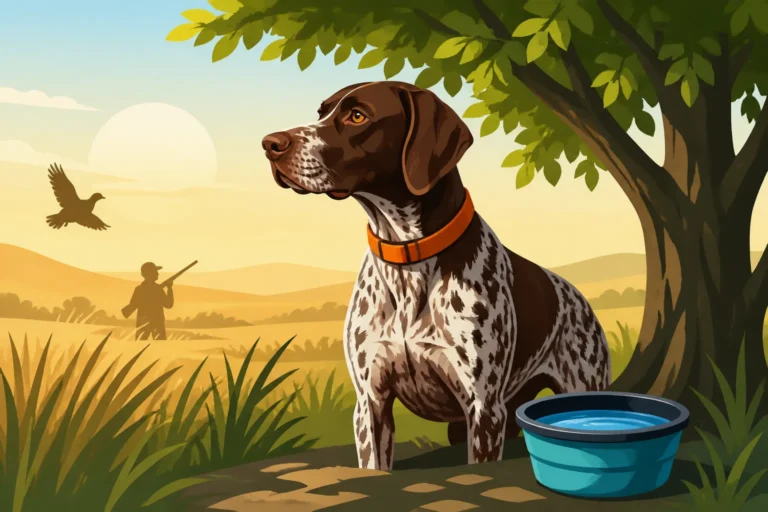
Imagine your GSP crashing through thick cover, retrieving ducks from icy water, or pointing pheasants in a thorny field. Their coat needs to do a lot! It acts as a natural armor, protecting their skin from scratches, insect bites, and the elements. It’s water-resistant, helping them dry off faster than a longer-coated dog might, which is crucial for preventing hypothermia in cold conditions. This dense, protective layer is constantly renewing itself to maintain its integrity. Old, damaged hairs fall out to make way for new, strong ones.
This constant renewal is a sign of a healthy coat, even if it feels like a never-ending battle against dog hair. The individual hairs are relatively coarse, providing that protective barrier. This texture is also why they tend to get embedded in textiles so easily. It's a coat built for work, not for glamour, and its shedding patterns reflect its robust, functional design. You might find yourself reaching for specific tools, like The Grooming Mitt That Suits a Shorthair Coat, to tackle this unique hair type.
Why Shorthair Hair Seems to Stick Everywhere
Ah, the infamous GSP glitter! It's not just a cute nickname; it's a genuine phenomenon. The short, stiff nature of German Shorthaired Pointer hairs means they have a natural tendency to embed themselves deeply into fabric fibers. Unlike longer hairs that might clump together and be easily vacuumed or lint-rolled, GSP hairs act almost like tiny needles, working their way into the weave of your couch, car seats, and clothing.
This unique characteristic makes cleaning up after a shedding GSP a particular challenge. You can run a vacuum over the couch, and still find those persistent little hairs staring back at you. It’s a common lament among GSP owners, and it's not because your vacuum is weak or your cleaning skills are lacking. It's simply the nature of the GSP coat. Understanding Why Shorthair Hair Weaves Into Fabric is the first step toward finding effective cleaning solutions that go beyond the usual methods. This characteristic also means that if you or someone in your home has allergies, managing this omnipresent hair becomes even more critical, leading many to wonder Whether a German Shorthaired Pointer Suits an Allergy Home.
The "Shedding Season" Phenomenon for Shorthairs
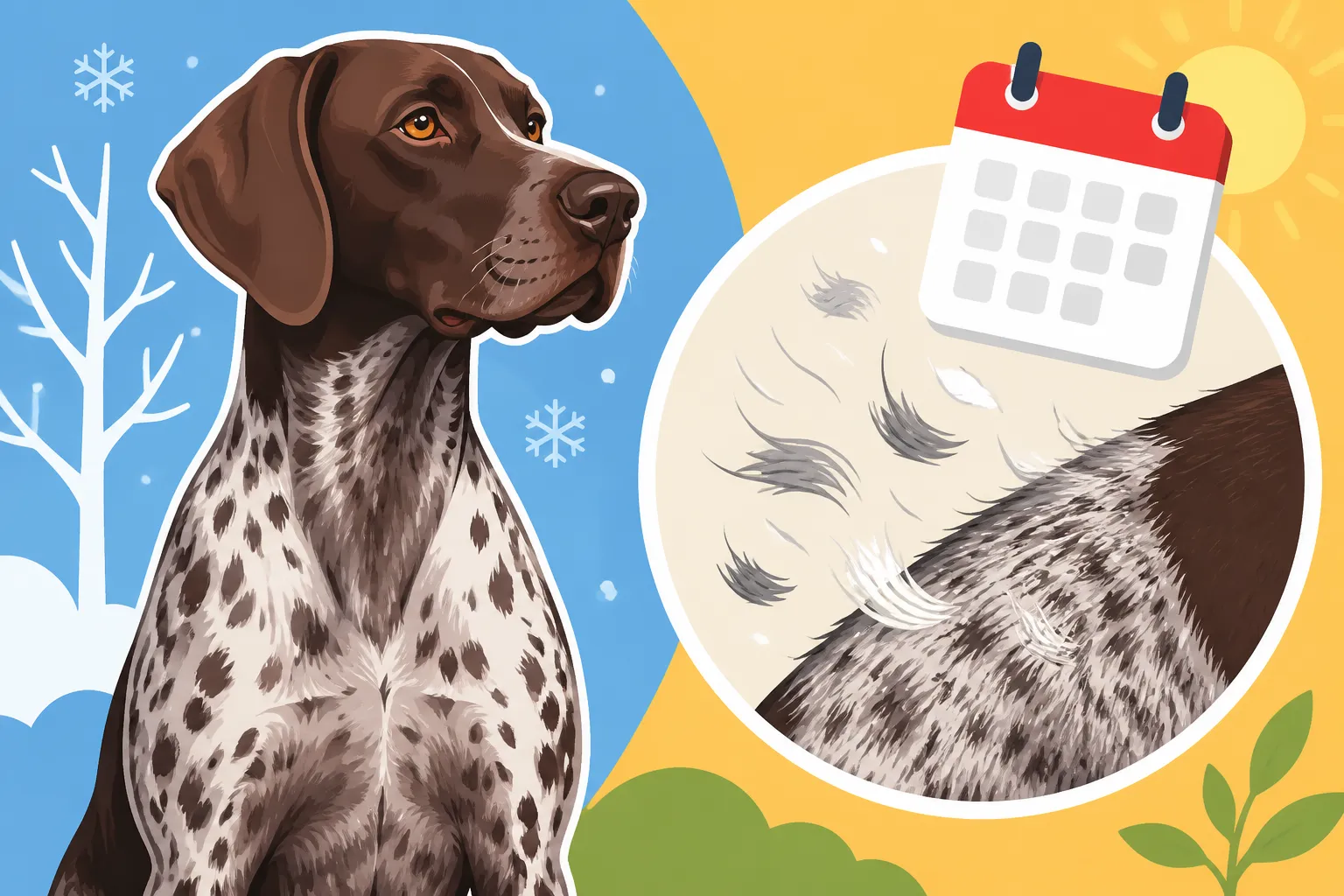
Despite their short coats, German Shorthaired Pointers absolutely have shedding seasons, and they can be quite pronounced. These aren't just random acts of hair loss; they're largely dictated by natural light cycles and temperature changes, signaling to your dog's body that it's time to prepare for a new season. While some breeds "blow" their undercoat in massive quantities, GSPs tend to shed their entire coat more gradually, but consistently. This means you might not see huge clumps, but rather a constant, fine layer of hair building up.
Typically, you'll notice two main periods of increased shedding: spring and fall. In the spring, as the days lengthen and temperatures rise, your GSP will shed the denser coat they grew for winter protection. This lighter coat helps them stay cool during the warmer months and strenuous activity. Then, in the fall, as the days shorten and the air chills, they'll shed the summer coat to make way for a thicker, warmer winter coat. During these times, the amount of hair coming off your dog can feel overwhelming, making it seem like the shedding never stops.
Springtime "Coat Blow" and Summer Lightening
As winter gives way to spring, and the sun starts to linger a little longer each day, your German Shorthaired Pointer's body gets the memo: it’s time to lighten up. The denser, warmer coat that protected them during the colder months is no longer needed. This is one of the primary "weeks a shorthair drops its coat," typically starting in late winter or early spring and continuing for several weeks. You might not see dramatic clumps of hair like you would with a husky or a retriever, but the sheer volume of short, stiff hairs that come off during this time can be astounding.
During this period, increased brushing becomes your best friend. Even if you brush regularly, you'll notice your grooming tools filling up much faster. The goal is to remove those dead hairs before they have a chance to settle into your carpets and furniture. Regular grooming also stimulates healthy skin and promotes the growth of the new, lighter summer coat. This seasonal transition is completely normal and a sign that your GSP's body is adapting to the changing environment.
Autumnal Thickening for Winter Warmth
Just as they shed in spring to lighten up, German Shorthaired Pointers also have a significant shedding period in the fall to prepare for winter. As the days shorten and the chill starts to creep into the air, your GSP's body begins to develop a denser, warmer coat for insulation against the cold. To make room for this new, thicker growth, the old, thinner summer coat is shed. This phase can often feel just as intense as the spring shed, as your dog prepares for the colder weather, especially if they spend a lot of time outdoors or in the field.
This autumnal shedding typically occurs over several weeks in late summer and early fall. Again, regular brushing is paramount to help remove the dead hair and encourage the new growth. For a hunting dog, a healthy, dense winter coat is vital for protection and comfort during those cold mornings afield. So, while it might mean a bit more cleaning around the house, remember that this natural process is crucial for your GSP's well-being. It's truly a time when Whether a Shorthair's Coat Blows Out Twice a Year becomes a very real question in a GSP owner's mind.
Beyond Seasonal: Other Factors Influencing Coat Drops
While seasonal changes are the biggest drivers, it’s important to remember that shedding isn’t just about the time of year. There are several other factors that can influence how much and how often your German Shorthaired Pointer drops its coat. These can range from their diet and overall health to environmental stressors and even their reproductive status. Recognizing these influences can help you identify if a sudden increase in shedding is normal or if it might be a subtle signal that something else is going on.
For instance, a poor quality diet can lead to a dull, brittle coat and excessive shedding, regardless of the season. Similarly, underlying health issues, stress, or even hormonal fluctuations can all play a role. It’s not always easy to pinpoint the exact cause, but by observing your dog’s shedding patterns in conjunction with their overall health and lifestyle, you can often narrow down the possibilities. This holistic view is crucial for maintaining a truly healthy coat and minimizing unwanted hair around the house.
Diet and Nutritional Impact on Coat Health
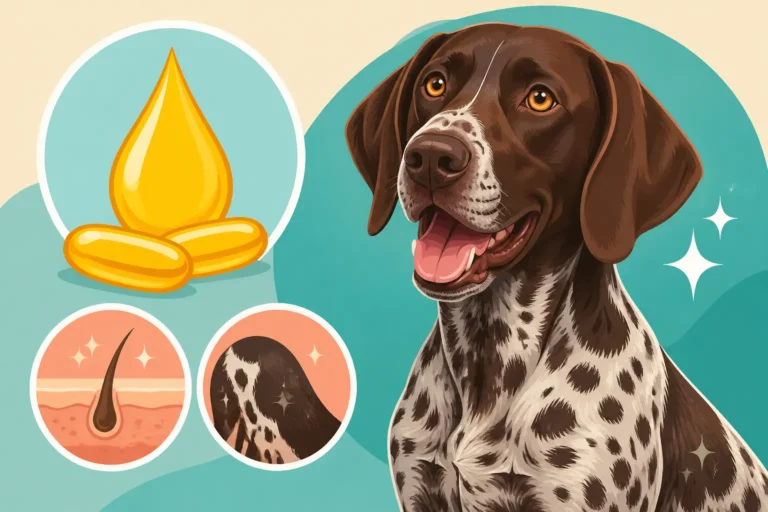
What you feed your German Shorthaired Pointer has a profound impact on the health of their skin and coat, and consequently, on how much they shed. A diet lacking in essential nutrients, particularly omega-3 and omega-6 fatty acids, can lead to a dry, flaky skin and a brittle coat that sheds excessively. Think of it like a plant: if it doesn't get the right nutrients, it won't thrive. The same goes for your dog's coat.
Quality protein sources are also vital for strong hair follicles. If your GSP is on a lower quality kibble, you might notice more shedding year-round, not just during seasonal shifts. Many owners find success with high-quality performance foods, or even incorporating fresh food options from brands like Ollie, or looking for premium kibbles on platforms like Chewy or Amazon. Adding supplements like fish oil can also make a noticeable difference in reducing shedding and improving coat luster. It’s an investment, but a healthy coat that sheds less is often a reflection of a well-nourished dog. If you’re tracking The Daily Ration a Working Shorthair Actually Eats, consider the quality of those calories as well.
Health Conditions and Shedding as a Symptom
Sometimes, an increase in shedding isn't just about the season; it can be a red flag for an underlying health issue. Skin infections, allergies (both environmental and food-related), parasites like fleas or mites, or even hormonal imbalances such as hypothyroidism can all manifest as excessive or unusual hair loss. If your GSP is shedding significantly more than usual, developing bald patches, or showing signs of irritated, red, or flaky skin, it’s definitely time for a vet visit.
For example, Hair Loss on a German Shorthaired Pointer's Flanks or patches of scaling skin can be indicators of more serious conditions like lupoid dermatosis, a challenging autoimmune skin disease that GSPs can be prone to. Regular check-ups are important, but you, as the owner, are often the first to notice subtle changes. Pay attention to the texture of their coat, the appearance of their skin, and any changes in their behavior. It’s always better to address these concerns early rather than dismiss them as "just shedding." Understanding conditions like Managing Scaling Skin on a German Shorthaired Pointer is crucial for the health of your dog's coat.
Stress and Environmental Factors
Just like humans, dogs can react to stress by shedding more. A sudden change in routine, moving to a new home, the introduction of a new pet or family member, or even loud noises like thunderstorms or fireworks can cause your GSP to "stress shed." This isn't usually a long-term issue, but a temporary increase in hair loss during a stressful period.
Beyond stress, environmental factors like extreme temperatures, low humidity, or even harsh shampoos can contribute to a dry coat and increased shedding. For hunting dogs, exposure to various elements in the field can also play a role; a coat that is constantly getting wet and dirty might shed more to regenerate. Providing a stable, comfortable environment, using appropriate grooming products like a gentle Shampoo for a German Shorthaired Pointer With Bad Skin, and ensuring they have plenty of fresh water can all help mitigate environmentally induced shedding. Sometimes, incorporating something like Fish Oil for a German Shorthaired Pointer's Skin can help improve overall coat health.
Practical Strategies for Managing Shorthair Shedding
So, you’ve got a German Shorthaired Pointer, and you're well-acquainted with the reality of their shedding. The good news is that while you can’t stop it completely – it’s a natural process after all – you can absolutely manage it effectively. A proactive approach with consistent grooming, a high-quality diet, and a watchful eye on their overall health can significantly reduce the amount of hair you find clinging to your clothes and decorating your living space.
It’s all about creating a routine that works for both you and your GSP, integrating simple practices into your daily or weekly schedule. Remember, every hair you remove during a grooming session is one less hair that ends up on your couch! Don't let the short coat fool you into thinking less grooming is needed; often, it’s quite the opposite. These strategies are designed to help you stay ahead of the game and maintain a cleaner home while ensuring your GSP's coat remains healthy and vibrant.
Regular Grooming Routines to Minimize Shedding
This is your number one weapon against GSP shedding. Regular brushing is paramount, especially during those peak shedding weeks in spring and fall. For a German Shorthaired Pointer, a short-bristled brush, rubber curry comb, or a grooming mitt works wonders. These tools effectively grab those loose, stiff hairs before they have a chance to migrate to your furniture.
Aim for brushing sessions several times a week, or even daily during heavy shedding periods. Not only does this remove dead hair, but it also helps distribute natural skin oils, promoting a healthy, shiny coat. Beyond brushing, occasional baths with a good quality deshedding shampoo can also help dislodge loose hair. Just be sure not to over-bathe, as this can dry out their skin. After a bath, a thorough brushing while they’re still slightly damp can work wonders in removing even more loose hair.
The Role of Diet and Supplements
As we discussed, nutrition is key. Feeding a high-quality dog food, rich in easily digestible proteins and essential fatty acids, is fundamental for a healthy coat. Look for foods that list meat as the first ingredient and avoid excessive fillers. Brands found on platforms like Chewy or Amazon often have detailed ingredient lists, allowing you to compare.
Beyond a good base diet, incorporating omega-3 and omega-6 fatty acid supplements can make a huge difference. Fish oil, flaxseed oil, or specialized skin and coat supplements are excellent choices. These fatty acids help maintain skin moisture, reduce inflammation, and strengthen hair follicles, leading to less breakage and shedding. Always discuss any new supplements with your veterinarian, especially if your GSP has any underlying health conditions. Remember, sometimes a great gut flora can also aid in coat health, making you wonder Whether a Shorthair Needs a Probiotic.
Cleaning Strategies for Shorthair Hair
Even with consistent grooming, you’ll still find GSP hair around the house. That's just the reality of living with these wonderful dogs! The trick is to have effective cleaning strategies in place. Regular vacuuming with a vacuum designed for pet hair is essential. Many models come with specialized attachments that can tackle upholstery and stairs, where those stiff hairs love to embed themselves.
For furniture and car seats, a damp rubber glove or a squeegee can be surprisingly effective at gathering hair into clumps that are easier to pick up. Lint rollers are a must-have for clothing, and a good quality washing machine and dryer can also help. Running bedding or slipcovers through a quick cycle often helps dislodge embedded hairs. Consider keeping old sheets or throws on your favorite furniture spots, which can be easily washed or shaken out. And don't forget your car – a portable vacuum and rubber brushes are invaluable after a trip with your furry co-pilot.
When to Consult Your Veterinarian About Shedding
While shedding is normal, there are times when it warrants a trip to the vet. If your German Shorthaired Pointer is shedding excessively outside of the typical seasonal periods, or if the shedding is accompanied by other symptoms, it's always best to get a professional opinion.
Here are some signs that indicate it's time to call your vet:
- Patchy hair loss or bald spots: This is not normal shedding and could indicate an infection, parasites, allergies, or an underlying medical condition.
- Red, inflamed, itchy, or scaly skin: These are signs of skin irritation or infection.
- Dull, brittle coat: A healthy coat should have a natural sheen. A consistently dull or dry coat can point to nutritional deficiencies or health issues.
- Excessive licking or chewing: This often indicates itchiness or discomfort, which can be related to skin issues causing shedding.
- Changes in appetite, energy levels, or behavior: If increased shedding coincides with other changes, it suggests a systemic problem.
Your veterinarian can help determine if the shedding is normal, nutritional, environmental, or a symptom of a more serious health concern, and guide you on the best course of action.
Disclaimer
This article is for general informational purposes only and does not constitute professional advice. Laws, prices and regulations vary by location and change over time. Consult a qualified professional for guidance on your specific situation.