Whether a Shorthair Needs a Professional Groomer
It’s a common thought, isn't it? When you look at your German Shorthaired Pointer with their sleek, short coat, you might assume professional grooming is one expense you can easily skip. Many of us fall into the trap of thinking "short hair means no fuss," but the truth is, a GSP's grooming needs are often underestimated, leading to overlooked issues. This guide will delve into what "grooming" truly means for our energetic companions and help you decide whether a professional groomer is a necessary part of your dog's care routine.
The German Shorthaired Pointer's Unique "Low-Maintenance" Coat: A Closer Look
When you hear "German Shorthaired Pointer," many people picture a dog that's wash-and-wear, practically self-cleaning. And in some ways, they are simpler than, say, a Poodle or an Afghan Hound. There's no complex clipping or elaborate styling involved. But don't let that short coat fool you into thinking it's no maintenance; it’s just a different kind of maintenance. This specific coat type comes with its own set of considerations that, if ignored, can lead to discomfort, health issues, and a whole lot of fine hair embedded in your couch.
What "Low-Maintenance" Really Means for a Shorthair
Your GSP's coat is a marvel of efficiency, perfectly designed for their field work. It's dense and surprisingly water-repellent, meaning that when they crash through reeds or dive into a pond to retrieve, water often beads right off, preventing them from getting waterlogged and cold. This protective quality, however, also means that dirt, debris, and even shedding hair can get trapped close to the skin. It’s not just about brushing away loose fur; it's about maintaining skin health underneath that hardworking coat. A short coat means any skin issues, bumps, or parasites are often harder to spot until they become significant problems.
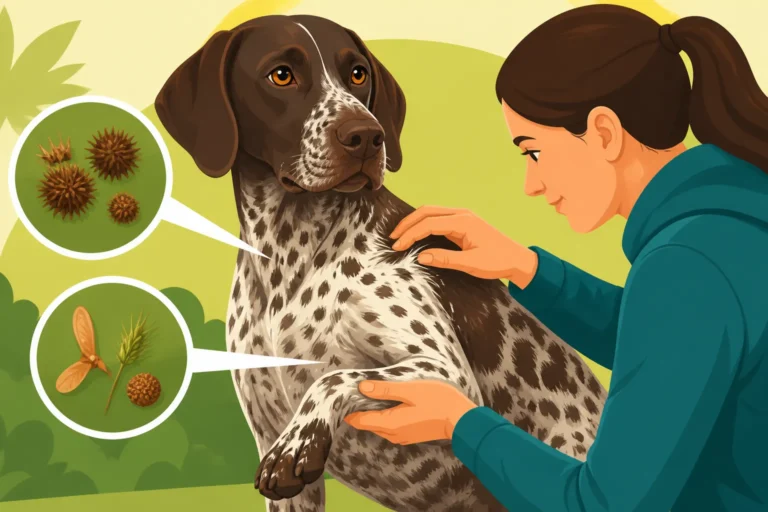
And let's talk about shedding. Oh, the shedding! While GSPs don't have long, fluffy hair, they shed a continuous stream of short, stiff hairs that weave themselves into carpets, upholstery, and every piece of clothing you own. It’s not a seasonal "blow out" like some double-coated breeds; it’s more like a year-round, low-level snowstorm of needles. Trying to manage this at home requires consistent effort. You might find yourself constantly reaching for a lint roller or a specific type of brush just to keep the hair from taking over your life. For more on this, you might want to read The Weeks a Shorthair Drops Its Coat. Furthermore, that short, sleek coat, while great for shedding water, doesn't offer much protection from physical abrasions. When your GSP is tearing through heavy cover in the field, thorns, burrs, and sticklers can easily get snagged on their skin, causing irritation or even open wounds. It’s why checking them over after every outing is so vital; you'd be surprised what tiny, nasty things can find a home in their short fur. Knowing Checking a German Shorthaired Pointer for Burrs and Seeds can save you a lot of trouble.
Beyond the Hair: The Often-Overlooked Grooming Essentials
When we think of grooming, our minds often jump straight to hair. But for a GSP, some of the most critical grooming tasks have nothing to do with their coat length at all. Neglecting these areas can lead to significant pain, infection, and expensive vet bills down the line. It's a prime example of where "low-maintenance coat" can lead to "high-maintenance problems."
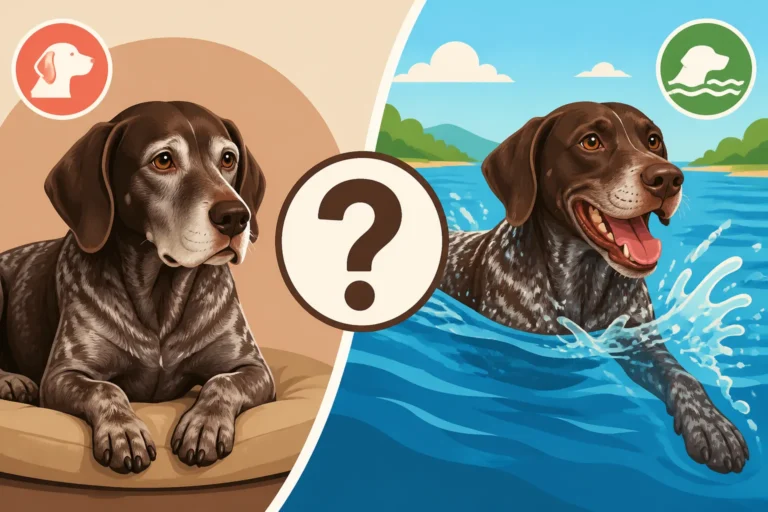
First up, those lovely, floppy ears. GSPs are often drawn to water like magnets, whether it's a backyard pond, a duck marsh, or a muddy puddle. Their pendulous ears trap moisture and create a warm, dark, humid environment – a perfect breeding ground for bacteria and yeast. Without regular cleaning and thorough drying, ear infections become a recurring nightmare. If your GSP is an avid swimmer, Drying a Shorthair's Ears After Every Swim isn't just a suggestion; it's a critical part of their health regimen. A distinctive, unpleasant odor emanating from their ears is often the first sign of trouble, so knowing The Smell That Means a Shorthair's Ear Is Infected is essential for early intervention.
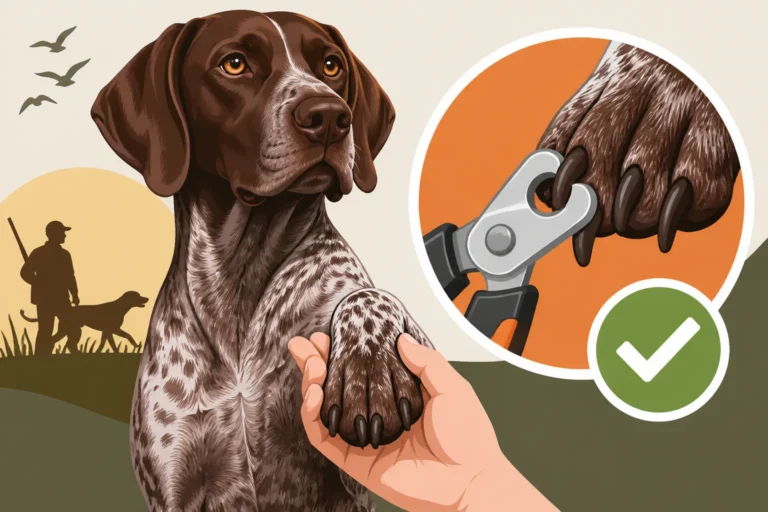
Then there are their nails. Your German Shorthaired Pointer is a dog built for speed and endurance, and their paws are their most important tools. Long nails don't just click on your floor; they can interfere with their natural gait, put pressure on their toe joints, and even cause pain or lead to splayed feet. For a hunting dog, an overgrown nail can snag and tear, leading to a truly painful injury. Even active dogs who run on hard surfaces often don't wear their nails down sufficiently, especially their dewclaws. Many owners struggle with nail trims, fearing cutting into the quick. This is where Keeping a Working Shorthair's Nails Short Enough becomes a genuine challenge for many of us.
And finally, dental health. It’s probably the most ignored aspect of pet care for many owners, but it shouldn't be. Plaque and tartar buildup can lead to gingivitis, painful infections, and eventually, tooth loss. What's worse, oral bacteria can enter the bloodstream and affect vital organs like the heart, kidneys, and liver. For a German Shorthaired Pointer, who often uses their mouth for retrieving, a healthy set of teeth is even more important. Dental disease can become quite severe in middle-aged dogs, as you might discover in Dental Disease in a Middle Aged German Shorthaired Pointer. Consistent care can prevent these issues, yet it’s often the last thing on an owner’s mind.
Embracing the DIY Approach: Regular Care at Home
For many German Shorthaired Pointer owners, taking on the majority of grooming tasks at home is entirely feasible and, frankly, highly recommended. Not only does it save money, but it also builds a stronger bond with your dog and allows you to routinely inspect them for any changes or abnormalities that might signal a health issue. It's about being proactive and consistent, rather than waiting for problems to arise.
Establishing a Weekly Grooming Routine
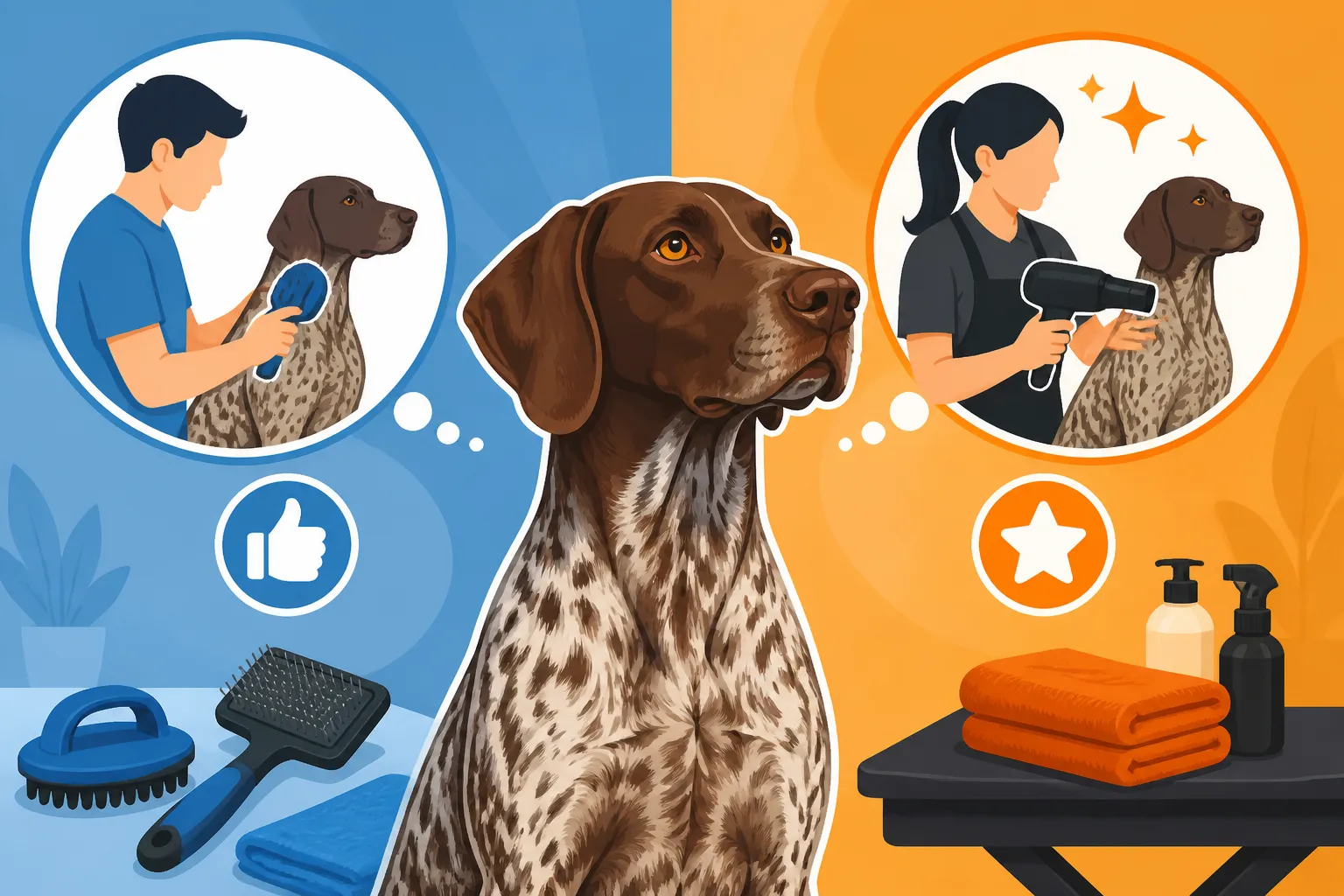
Even though your GSP's coat is short, regular brushing is still a fantastic idea. It helps remove those notoriously fine, shed hairs before they take up permanent residence in your sofa cushions. Brushing also stimulates the skin, promoting healthy oil distribution and blood flow, which contributes to a shiny, healthy coat. A rubber curry comb or a short-bristled brush works wonders for GSPs. These tools are readily available from online retailers like Chewy or Amazon, and many owners swear by them for keeping the shedding somewhat under control. Just a few minutes every other day can make a noticeable difference in the amount of hair floating around your home.
Beyond the brush, a quick weekly check-over of your GSP is an essential part of their home care routine. Pay particular attention to their paws. Inspect between their toes for any trapped debris, cuts, or irritation, especially if they've been out running on rough terrain. Feel their pads for cracks or tenderness. A thorough paw check can catch small problems before they escalate. Also, make it a habit to lift those floppy ears and take a good look and sniff. Are they clean and pink? Or is there redness, discharge, or an unpleasant odor? Catching an ear issue early can prevent a full-blown infection and a trip to the vet.
Bathing Your German Shorthaired Pointer: The How and When
German Shorthaired Pointers typically don't need frequent baths, which is another aspect of their "low-maintenance" reputation. Over-bathing can strip their skin of natural oils, leading to dryness and irritation. However, after a particularly muddy retrieve, rolling in something questionable, or if they've been swimming in stagnant water, a bath is definitely in order. The key is to use a dog-specific shampoo, never human shampoo, as it can upset the pH balance of their skin. If your GSP struggles with skin sensitivities, finding Shampoo for a German Shorthaired Pointer With Bad Skin is crucial, and your vet can often recommend a good medicated option.
When it's bath time, make sure you thoroughly wet their entire coat, work the shampoo into a good lather, and rinse, rinse, rinse! Any shampoo residue left on the skin can cause irritation. After rinsing, towel dry as much as possible, paying special attention to ensuring their ears are completely dry to prevent moisture buildup. For more guidance on frequency, you can look up How Often a Shorthair Needs Washing. For dogs that have specific skin conditions, medicated baths might be prescribed, sometimes needing specific contact times before rinsing. These are situations where you need to be very diligent, or consider professional help if you're uncomfortable.
Tackling Nails and Teeth Yourself
Nail trimming is often the most dreaded grooming task for both owners and dogs. For GSPs with dark nails, locating the quick can be nerve-wracking. Guillotine-style clippers or a dremel-style grinder are common tools. If you choose clippers, take off small bits at a time. If you opt for a grinder, introduce it slowly with positive reinforcement to get your dog comfortable with the noise and vibration. The goal is to keep the nails short enough that they don't touch the ground when your dog is standing. Remember, consistency is key, and even doing a few nails at a time is better than none.
Dental care at home primarily revolves around brushing. Using a dog-specific toothpaste (never human toothpaste!) and a soft-bristled brush, try to brush your GSP's teeth a few times a week. Focus on the outside surfaces of the upper canines and molars, as these are often where plaque builds up first. Dental chews and water additives can help as supplementary measures, but nothing replaces the mechanical action of brushing. Many owners find this to be the most challenging aspect of home grooming due to their dog's reluctance. Getting into a routine of Daily Tooth Care for a Shorthair That Carries Birds from a young age makes it much easier to manage.
When to Call in the Pros: Benefits of Professional Grooming
While much can be done at home, there are definite advantages to enlisting the help of a professional groomer, especially for a German Shorthaired Pointer. It's not about being unable to do it yourself; it's about optimizing care, saving time, reducing stress, and leveraging specialized expertise that can ultimately benefit your dog's overall health and well-being.
Specialized Services and Expertise
Professional groomers possess tools and techniques that most home groomers simply don't have access to. For instance, when it comes to shedding, a good professional groomer can perform a "deshedding" treatment using high-velocity dryers and specialized brushes to remove an astonishing amount of dead undercoat. This can significantly reduce the amount of GSP hair you find around your house for weeks afterward. These tools are much more effective than your average home vacuum or brush from the local pet store like Chewy.
When it comes to nails, a professional groomer can often get them shorter and smoother using a high-quality grinder, which is less likely to chip or crack the nail compared to clippers. They're also often more adept at handling dogs who are squirmy or fearful during nail trims, using gentle restraint and positive reinforcement to make the experience less stressful for everyone involved. For specific medical grooming needs, such as medicated baths for severe skin conditions, a professional can ensure the shampoo is applied correctly, allowed to soak for the required time, and thoroughly rinsed. This is particularly important for conditions like scaling skin, where specific protocols are needed to manage the condition effectively, as discussed in Managing Scaling Skin on a German Shorthaired Pointer. They might also offer services like anal gland expression, which some GSPs might need periodically.
Saving Time, Reducing Stress, and Expert Identification
Let's be honest, life gets busy. For many GSP owners, carving out the time for regular, thorough grooming can be a challenge. Between work, family, and the significant exercise needs of a German Shorthaired Pointer, grooming often falls by the wayside. A professional groomer offers the convenience of outsourcing these tasks, freeing up your valuable time for other activities, like training or simply enjoying a long walk with your well-groomed companion.
Beyond time, there's the stress factor. If your GSP absolutely hates having their nails trimmed, or turns bath time into an Olympic wrestling match, trying to force the issue at home can be stressful for both of you. A professional groomer, with their experience and often dedicated setup, can often make the process smoother and less traumatic. They are neutral parties, and some dogs behave better for a professional than they do for their owners.
Perhaps one of the most underrated benefits of professional grooming is the "extra set of eyes" they provide. A good groomer spends significant hands-on time with your dog, meticulously inspecting their skin, ears, paws, and teeth. They are trained to spot abnormalities – new lumps, skin lesions, ear infections brewing, or even unusual behaviors – that you might miss during your hurried home checks. They can then alert you to these issues, prompting an earlier veterinary visit that could potentially catch a problem while it’s still minor.
Making the Right Choice: DIY vs. Professional Grooming
Deciding whether to DIY all your GSP's grooming or rely on a professional (or a combination of both) really comes down to a few key factors: your comfort level, your dog's temperament, your available time, and your budget. There's no single "right" answer, but understanding the trade-offs can help you make an informed decision for your unique situation.
Weighing the Costs and Benefits
While professional grooming comes with a per-visit fee, it’s important to consider the hidden costs of DIY. These include the initial investment in good quality tools (brushes, clippers, grinders, dog-specific shampoos, ear cleaners, toothbrushes, toothpaste – many of which can be purchased conveniently from Amazon), and the ongoing expense of replacing products. Then there's the value of your time. How much is an hour of your time worth? If you spend two hours struggling to bathe and trim your GSP's nails, that's a cost in itself.
To help visualize this, let's break down some aspects:
| Aspect | DIY Grooming (At Home) | Professional Grooming (Salon) |
|---|---|---|
| Cost | Initial investment in tools, ongoing product refills | Per-visit fee, potentially package deals |
| Time | Regular, smaller time commitments; can be integrated daily | Set appointments, travel time to and from salon |
| Expertise | Learning curve, potential for mistakes (e.g., cutting quick) | Trained professionals, experience with different temperaments |
| Equipment | Basic brushes, clippers, ear cleaner, shampoo | Specialized dryers, hydraulic tables, high-velocity blowers, grinders, medicated baths |
| Convenience | At your schedule, familiar environment for your dog | Dedicated time slot, dog may be more relaxed with a neutral party |
| Services | Basic brushing, bathing, ear cleaning, nail trimming, teeth brushing | Deshedding, precise nail grinding, anal gland expression, specialized skin treatments |
Ultimately, the choice depends on what you prioritize. If budget is your primary concern and you have the time and patience to learn, DIY is a great option. If convenience, expertise, and a less stressful experience for your dog are high on your list, professional grooming might be worth the investment.
Finding a German Shorthaired Pointer-Friendly Groomer
If you decide to go the professional route, or even consider it for specific services, finding the right groomer is paramount. Don't just pick the first one you see. Look for groomers who have experience with active, high-energy breeds like German Shorthaired Pointers. They understand their unique temperament, their need for firm but gentle handling, and the specific considerations of their coat and skin. Ask for recommendations from other GSP owners in your area or from your veterinarian.
When you interview potential groomers, ask about their approach to handling dogs that might be nervous or squirmy. Inquire about their cleaning protocols and facility cleanliness. A good groomer should be happy to answer your questions and potentially even give you a tour of their salon. Communication is key; you want a groomer who listens to your concerns and clearly communicates any issues they find with your dog during their session.
The Hybrid Approach: Best of Both Worlds
For many German Shorthaired Pointer owners, the most effective approach is a hybrid model. This means you handle the daily and weekly basics at home – brushing, ear checks, paw inspections, and regular tooth brushing – but you bring in a professional for periodic specialized services.
For example, you might brush your GSP several times a week, but schedule a professional deshedding bath every few months to really tackle that embedded hair. You might wipe their ears weekly, but have a groomer handle the deep cleaning or nail grinding every 6-8 weeks, especially if your dog is difficult about nail trims. This combination ensures your GSP gets consistent care while leveraging professional expertise for the trickier or more time-consuming tasks. Remember, good nutrition, perhaps with a high-quality diet from a brand like Ollie, also plays a huge role in skin and coat health, reducing shedding and promoting overall vitality, making grooming easier no matter who does it. It's about finding a balance that works for you, your GSP, and your lifestyle, ensuring your beloved companion stays healthy, comfortable, and looking their best.
Disclaimer
This article is for general informational purposes only and does not constitute professional advice. Laws, prices and regulations vary by location and change over time. Consult a qualified professional for guidance on your specific situation.