Flea and Tick Cover for a Shorthair in Tall Grass
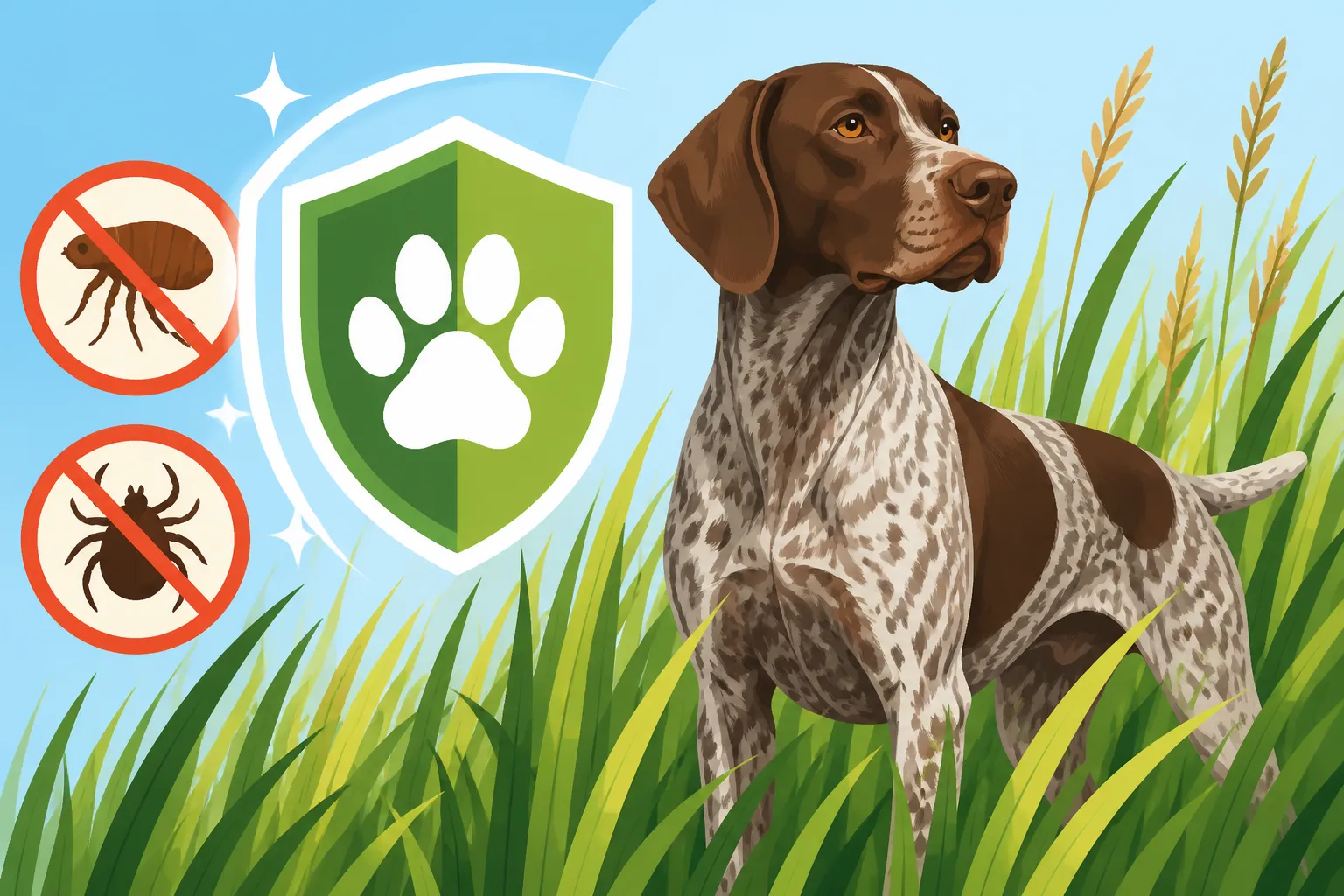
If you're a German Shorthaired Pointer owner, especially one who loves to get out into the field, you know the absolute dread that comes with pulling a tick off your dog, or worse, finding fleas. Tall grass isn't just picturesque; it's practically a five-star resort for these unwelcome parasites, and our energetic Shorthairs dive headfirst into it with gusto. This guide is here to walk you through understanding why those tall fields are such a risk, the types of protection available, and how to create a solid defense strategy to keep your active GSP happy and healthy, even after a long day of chasing birds.
Why Tall Grass is a Ticking Time Bomb for German Shorthaired Pointers
For a German Shorthaired Pointer, tall grass, dense brush, and wooded edges are practically their natural habitat. It's where the birds hide, where the scents are richest, and where they thrive. But it's also where fleas and ticks lie in wait, ready to hitch a ride on their next host. Understanding why these areas are so problematic is the first step in formulating an effective defense.
The Hidden Dangers in Your Favorite Hunting Spots
Think about the classic hunting landscape: fields of goldenrod, stands of prairie grass, overgrown fencelines, and the transition zones leading into dense woods. These aren't just scenic backdrops; they're prime real estate for ticks and fleas. Ticks don't jump or fly; they "quest," meaning they climb onto vegetation, often tall grass or shrubs, and wait with their front legs outstretched. When your dog brushes past, they grab on. Fleas, while more mobile, also love to hang out in shaded, moist areas with leaf litter or tall grasses, especially where wildlife or other animals might congregate.
A German Shorthaired Pointer's boundless energy and thorough hunting style mean they aren't just briefly passing through these zones; they are immersing themselves. They're pushing through thick cover, nose to the ground, flushing birds, and retrieving through every kind of underbrush. This constant contact provides ample opportunity for pests to transfer from the environment to your dog. It's not a question of if they'll encounter them, but when, and how well you've prepared for it. Just as you check your dog over for Field Injuries a Hunting German Shorthaired Pointer Comes Home With or Foxtails and Grass Awns in a Hunting Shorthair, you need to be diligent about checking for parasites.
How a Shorthair's Coat and Drive Increase Exposure
A Shorthair's short, dense coat might seem like it would be less inviting for ticks than a long-haired breed, but that's not always the case. While burrs might not cling as readily, ticks can still easily latch on and quickly make their way down to the skin. The short hair also means they can burrow deeply and be harder to spot, especially in those dappled liver or black coats. Their incredible drive means they often ignore minor discomforts, pushing through thick brush that might deter other dogs.
Furthermore, a GSP's enthusiastic nature means they often plunge into ponds and streams, which, while great for cooling off and conditioning, can sometimes wash off topical preventative treatments if they aren't waterproof or given enough time to dry. Plus, moist environments can further encourage flea and tick activity. Their sheer physical engagement with the environment, from nose to tail, means every square inch is potentially exposed to these tiny hitchhikers. Their intense focus on the hunt also means they aren't stopping to scratch, often masking the initial signs of a bite until a problem is well underway.
The Health Risks Beyond Just Itching
While the thought of your dog itching uncontrollably from fleas is certainly unpleasant, the real concern with these parasites goes far beyond simple irritation. Fleas can cause allergic dermatitis, leading to painful skin infections from constant scratching and biting. They can also transmit tapeworms if ingested, which is surprisingly common when a dog grooms itself. Ticks, however, carry a much more insidious threat, acting as vectors for a host of serious diseases.
Lyme disease, ehrlichiosis, anaplasmosis, and Rocky Mountain spotted fever are just a few of the potentially debilitating, even fatal, illnesses that a single tick bite can transmit. Symptoms can range from lameness and lethargy to fever, loss of appetite, and severe joint pain. Early detection and removal are critical, but prevention is truly the best medicine. A consistent preventative strategy is not just about comfort; it's about protecting your German Shorthaired Pointer from long-term health complications that could impact their ability to hunt and enjoy life for years to come. Neglecting proper protection isn't just an inconvenience; it's a significant health gamble for your beloved companion.
Navigating the Maze of Flea and Tick Preventatives
Stepping into the pet store aisle or browsing online for flea and tick products can feel overwhelming. There's a dizzying array of options, each with its own pros and cons, and what works for one dog might not be ideal for another, especially a working German Shorthaired Pointer. Understanding the main categories can help you make an informed decision.
Topical Treatments and Their Real-World Application
Topical spot-on treatments are one of the most common forms of flea and tick prevention. These typically come in small tubes that you apply directly to your dog's skin, usually between the shoulder blades. The active ingredients then spread over the skin and coat or are absorbed into the oil glands, providing protection for about a month. Many of these products work by killing fleas and ticks on contact or after they bite.
For a GSP, especially one that swims or works in wet conditions, it's crucial to choose a topical that is explicitly labeled as waterproof. You also need to ensure it's applied correctly – directly to the skin, not just the fur, and allowed to dry completely before your dog gets wet or rough-houses. If your dog is a dedicated water retriever, you might want to time applications around major hunts or swims to ensure maximum efficacy. Brands like Frontline and K9 Advantix have long been popular choices, and you can often find them readily available on sites like Chewy or Amazon. Remember, while effective, they require consistent reapplication, and some dogs can experience skin irritation at the application site. Always read the label carefully regarding how long before or after bathing/swimming they remain effective.
Oral Medications: Convenience vs. Concerns
Oral flea and tick medications have become incredibly popular due to their convenience and effectiveness. These come in chewable tablets that your dog takes, usually once a month or every three months, depending on the product. Once ingested, the active ingredients circulate throughout your dog's bloodstream, killing fleas and ticks when they bite. The big advantage here is that they're not affected by water exposure, bathing, or rubbing off, making them excellent for highly active, water-loving German Shorthaired Pointers.
However, a common concern among some owners is that the parasite must bite the dog for the medication to work. While this is true, these medications often work very quickly, killing pests before they can transmit diseases effectively. Another consideration is potential side effects, although generally rare. These can include gastrointestinal upset, lethargy, or neurological symptoms in sensitive individuals. Your veterinarian is the best resource for discussing the suitability of oral medications for your GSP, considering their health history and specific risks. Popular oral medications often require a prescription, ensuring a vet has assessed your dog's needs.
| Preventative Type | Pros | Cons | Best For |
|---|---|---|---|
| Topical Spot-On | Easy application, often waterproof | Can be washed off if not properly absorbed | Less direct ingestion of chemicals |
| Oral Chewable | Not affected by water/bathing, convenient | Pests must bite to be killed, prescription needed | Highly active, water-loving GSPs; owners wanting ease |
| Flea & Tick Collar | Long-lasting, no messy application | Can cause skin irritation, less effective on body | Dogs with mild exposure, or as a secondary defense |
| Sprays/Shampoos | Immediate kill, good for infestations | Short-lived, messy, not for long-term prevention | After-exposure cleanup, home treatment |
Collars and Environmental Sprays: Niche Solutions
Flea and tick collars have come a long way from the older, less effective versions. Modern collars, like those offered by Seresto, release active ingredients that spread over the dog's skin and coat, providing long-lasting protection (often for several months). They offer a convenient, hands-off approach for many owners. However, they might not be as effective in covering the entire body, especially for a dog with a large chest or active tail. Some dogs can also develop skin irritation under the collar, and there's always a slight risk if another pet or child frequently interacts with the collar.
Environmental sprays and yard treatments are another tool in the arsenal, but they serve a different purpose. These are typically used to reduce the flea and tick burden in your immediate surroundings, like your backyard or kennel area, rather than as a primary preventative on your dog. If you have a heavily infested yard, or your GSP spends a lot of time outdoors in specific areas around your home, treating the environment can significantly reduce exposure. These are not meant to replace on-dog prevention but can complement it. Always ensure any environmental products are pet-safe and follow instructions meticulously, especially if your GSP is prone to digging or mouthing things in the yard.
Tailoring a Strategy for Your Active Shorthair
There's no one-size-fits-all solution when it comes to flea and tick prevention for a German Shorthaired Pointer. Their unique needs, driven by their incredible activity levels and exposure to diverse environments, demand a thoughtful, personalized approach. It's about finding the balance that offers robust protection without compromising their health or comfort.
Factors to Consider: Lifestyle, Environment, and Health
When choosing the right flea and tick strategy for your GSP, you need to be brutally honest about their lifestyle. Is your dog primarily a backyard companion with occasional walks, or are they a serious hunter spending countless hours in dense cover and wading through water? The answer drastically impacts the level of protection needed. A GSP hitting the grouse woods every weekend will need a more robust and possibly multi-faceted approach than one who mostly enjoys leash walks in the park.
Consider your local environment too. Are you in a high-risk tick area known for Lyme disease? Does your property back onto woods where deer and other wildlife frequent? The prevalence of certain parasites and the diseases they carry vary geographically. Your veterinarian is your best partner here, as they'll have the most up-to-date information on local parasite risks. Lastly, your individual GSP's health history matters. Do they have sensitivities, allergies, or other underlying health conditions that might make certain medications unsuitable? A frank discussion with your vet about these factors is crucial. They might recommend different options for Bleeding Risk During a German Shorthaired Pointer's Surgery or for a dog on other medications.
Combining Approaches for Maximum Protection
For many dedicated German Shorthaired Pointer owners, especially those with working dogs, a single preventative might not feel like enough. Combining different types of protection can offer a more comprehensive shield. For example, you might use a monthly oral chewable for systemic protection against ticks and fleas, and then add a specialized flea and tick collar, particularly if you're heading into an area known for heavy tick populations. The collar provides a localized deterrent, potentially reducing the number of ticks that even attempt to bite, while the oral medication acts as a powerful backup.
Another effective combination might involve a topical spot-on, ensuring it's a truly waterproof variety if your dog loves water, along with diligent use of environmental sprays in your yard or around kennels. The key is to avoid using two products with the same active ingredients unless specifically advised by your vet, as this can lead to an overdose and adverse reactions. Instead, focus on complementary mechanisms of action. For instance, an oral product that kills fleas and ticks after they bite, combined with a repellent collar, offers a layered defense. Remember to always consult with your vet before combining any medications or preventatives to ensure safety and efficacy.
Post-Hunt Protocol: Inspection and Immediate Action
No matter how good your preventative is, diligent physical inspection after every outdoor excursion, especially after a hunt or a run through tall grass, is absolutely non-negotiable for a German Shorthaired Pointer. Think of it as your second line of defense. Ticks can still hitch a ride and might not immediately attach or start feeding, and some products take time to kill them.
As soon as you get home, before your GSP settles down, give them a thorough once-over. Pay close attention to warm, dark areas: behind and inside the ears, around the neck, in the armpits, between the toes, around the groin, and under the tail. Feel for any small bumps or irregularities on their skin. The short coat of a GSP can make this easier than with some other breeds. If you find a tick, remove it immediately and correctly using fine-tipped tweezers, grasping it as close to the skin as possible and pulling straight up with steady pressure. Avoid twisting or squeezing the body, which can inject more harmful fluids. Keep the tick in a sealed container with the date, just in case your dog shows symptoms later. For fleas, a fine-toothed flea comb can be incredibly effective, especially around the base of the tail and neck. Checking a German Shorthaired Pointer Over After a Hunt should be as routine as putting away your gun.
Beyond Products: Practical Steps for a Tick-Free Life
While the right flea and tick preventative is your main shield, it's just one part of a holistic strategy. A proactive approach to your environment and maintaining open communication with your veterinarian will significantly reduce the risk of your German Shorthaired Pointer picking up these annoying and potentially dangerous pests.
Landscape Management Around Your Home
Even if your GSP is primarily a hunting dog, they still spend a significant amount of time around your home. Your yard can be a major source of fleas and ticks, especially if it's not well-maintained. Ticks love overgrown areas, leaf litter, tall grasses, and shaded spots. By keeping your lawn mowed short, clearing brush and leaf piles, and creating a barrier of wood chips or gravel between wooded areas and your lawn, you can make your property less inviting to ticks.
Consider the layout of your yard. If you have a dog run, make sure the ground is regularly cleaned and that there isn't dense vegetation growing nearby. Remember that wildlife like deer, rodents, and rabbits can bring ticks onto your property, so discouraging their presence (e.g., by securing trash cans) can also help. Even if you rely on products from Chewy or Amazon to protect your dog, maintaining a tidy yard is a complementary and important step in reducing their overall exposure.
The Importance of Regular Vet Consultations
Your veterinarian is your most valuable resource in the fight against fleas and ticks. They have the expertise to assess your GSP's individual risk factors, consider any underlying health conditions, and recommend the most appropriate preventative products for your specific situation and geographical location. Parasite populations and resistance can change, and new, more effective products are constantly being developed. Your vet stays abreast of these changes and can guide you through the options.
Regular check-ups are also crucial. During these visits, your vet can perform a thorough examination for parasites, discuss any concerns you might have about side effects, and offer advice on managing any skin irritation or potential disease symptoms. They can also recommend regular testing for tick-borne diseases, especially if your GSP is highly active outdoors. Think of your vet as a partner in your German Shorthaired Pointer's long-term health, helping you keep them safe and sound so they can continue to hunt, run, and enjoy life to the fullest. This consistent oversight is a critical part of The Vet Schedule a Working Shorthair Should Keep.
Disclaimer
This article is for general informational purposes only and does not constitute professional advice. Laws, prices and regulations vary by location and change over time. Consult a qualified professional for guidance on your specific situation.