Whether a Shorthair’s Ears Need Drying After Rain
It's pouring rain outside, and your spirited German Shorthaired Pointer just came bounding in, shaking off droplets like it's a badge of honor. As delightful as their enthusiasm is, you're probably already thinking about those floppy ears—damp, perhaps even dripping. One of the quiet worries many GSP owners carry is the dreaded ear infection, and letting those ears stay wet after a downpour or a romp in wet grass is a surefire way to invite trouble. This guide is all about understanding why your Shorthair's ears need special attention after getting wet and how to keep them healthy and dry.
The Unique Anatomy of a German Shorthaired Pointer's Ear
German Shorthaired Pointers are magnificent dogs, built for work and motion. Their bodies are finely tuned, and even their ears, while seemingly simple, play a significant role in their breed characteristics and, unfortunately, can be a common source of frustration for owners. It's not just about a little water; it's about how that water interacts with their specific ear structure.
Why Their Ear Shape Matters
Unlike breeds with erect, open ears, German Shorthaired Pointers have pendulous, V-shaped ears that hang close to their head. While this look is part of their classic appeal, it creates an unfortunate design flaw when it comes to moisture and air circulation. Think of it like a warm, humid cave—exactly the kind of place where unwanted guests love to set up shop. The ear flap, or pinna, acts like a lid, effectively sealing off the ear canal from the outside world. This means that once water gets in, it has a tough time getting out.
During a rainy walk, or if your Shorthair decides a puddle is a fine place to investigate, water can easily trickle down into the ear canal. The hanging flap traps this moisture, preventing natural evaporation. This isn't just a minor inconvenience; it significantly changes the microclimate within your dog's ear. It's a key reason why you see so many hunting breeds with these types of ears struggle with chronic ear issues if their owners aren't diligent.
The Environment Inside a Wet GSP Ear
Inside that sealed-off, moist environment, several things start to happen. The warmth of your dog's body, combined with the trapped moisture, creates a perfect breeding ground. The normal, healthy balance of microorganisms in the ear can quickly be disrupted. The ear canal itself is quite long and complex, extending vertically and then turning horizontally, making it even harder for trapped water to drain out.
Furthermore, a German Shorthaired Pointer's ear canal is lined with hair and specialized glands that produce cerumen, or ear wax. While wax is a natural protective barrier, excessive moisture can cause it to swell, becoming a sticky, nutrient-rich meal for bacteria and yeast. This combination of warmth, moisture, lack of airflow, and readily available food sources means that what started as a simple splash can quickly escalate into a full-blown party for pathogens. If you've ever dealt with The Smell That Means a Shorthair's Ear Is Infected, you know exactly what I mean. That distinctive, sometimes yeasty, sometimes foul odor is a direct result of these microorganisms thriving in an unhealthy environment.
The Risks of Lingering Moisture in GSP Ears
It's tempting to think a bit of dampness will just dry itself out, but with a German Shorthaired Pointer, that's a gamble you really don't want to take. The risks associated with persistently wet ears go far beyond just a minor irritation; they can lead to painful, chronic conditions that impact your dog's quality of life and your wallet.
Understanding Ear Infections Beyond Just "Yeast"
When most people think of a dog ear infection, "yeast infection" often comes to mind. And yes, Malassezia pachydermatis, a type of yeast, is a very common culprit in those moist, warm ear canals. It's normally present in small amounts, but when the environment changes and moisture lingers, it can overgrow rapidly. The result? That telltale itchy, smelly, red ear. Your dog might be scratching constantly, shaking their head, or even crying when you touch their ear.
However, it's crucial to understand that yeast is just one player. Often, a bacterial infection can either accompany a yeast overgrowth or strike on its own. These can be even more aggressive and harder to treat. You might see a thick, pus-like discharge, and the ear can become incredibly painful to the touch. It's a common issue that causes a lot of distress for dogs and their owners, and it's something many GSP owners battle, especially if they have A Shorthair's Ear Infection That Returns Every Duck Season.
The Role of Bacteria in Wet Ear Canals
Bacteria absolutely love damp, dark places, and your GSP's ear canal after a good rain is a five-star resort for them. While yeast often causes the classic "yeasty" smell, bacterial infections can produce a much more pungent, sometimes putrid odor, often accompanied by yellow or green discharge. Bacteria, such as Staphylococcus or Pseudomonas, can multiply incredibly quickly in a compromised ear.
These bacterial infections are not only painful but can also lead to more serious complications if left untreated. They can burrow deeper into the ear canal, causing damage to the eardrum or even spreading to the middle or inner ear, which can affect balance and hearing. This is why vigilance after exposure to moisture is so vital. Waiting to see if it "gets better on its own" can allow a minor issue to become a major, debilitating problem for your dog.
When Dampness Leads to Dermatitis
It's not just the inside of the ear canal that suffers. The skin around and inside the ear flap itself can also react poorly to prolonged dampness. This can manifest as contact dermatitis, where the skin becomes inflamed, red, and itchy. If your German Shorthaired Pointer is prone to environmental allergies, the constant dampness can exacerbate these issues, making them even more susceptible to skin irritation and secondary infections.
Imagine wearing wet socks all day, every day. Your skin would break down, become raw, and be much more vulnerable to infection. The same principle applies to your Shorthair's ears. The delicate skin inside the ear canal needs to breathe and remain dry to maintain its natural protective barrier. Lingering moisture can break down this barrier, making it easier for bacteria and yeast to invade and cause deep-seated inflammation.
Practical Steps for Drying Your Shorthair's Ears After Rain
So, you've accepted that wet GSP ears are a problem. Now for the good news: there are practical, effective steps you can take to prevent these issues from spiraling out of control. It all starts with a consistent routine, especially after any exposure to water.
The Immediate Post-Rain Routine
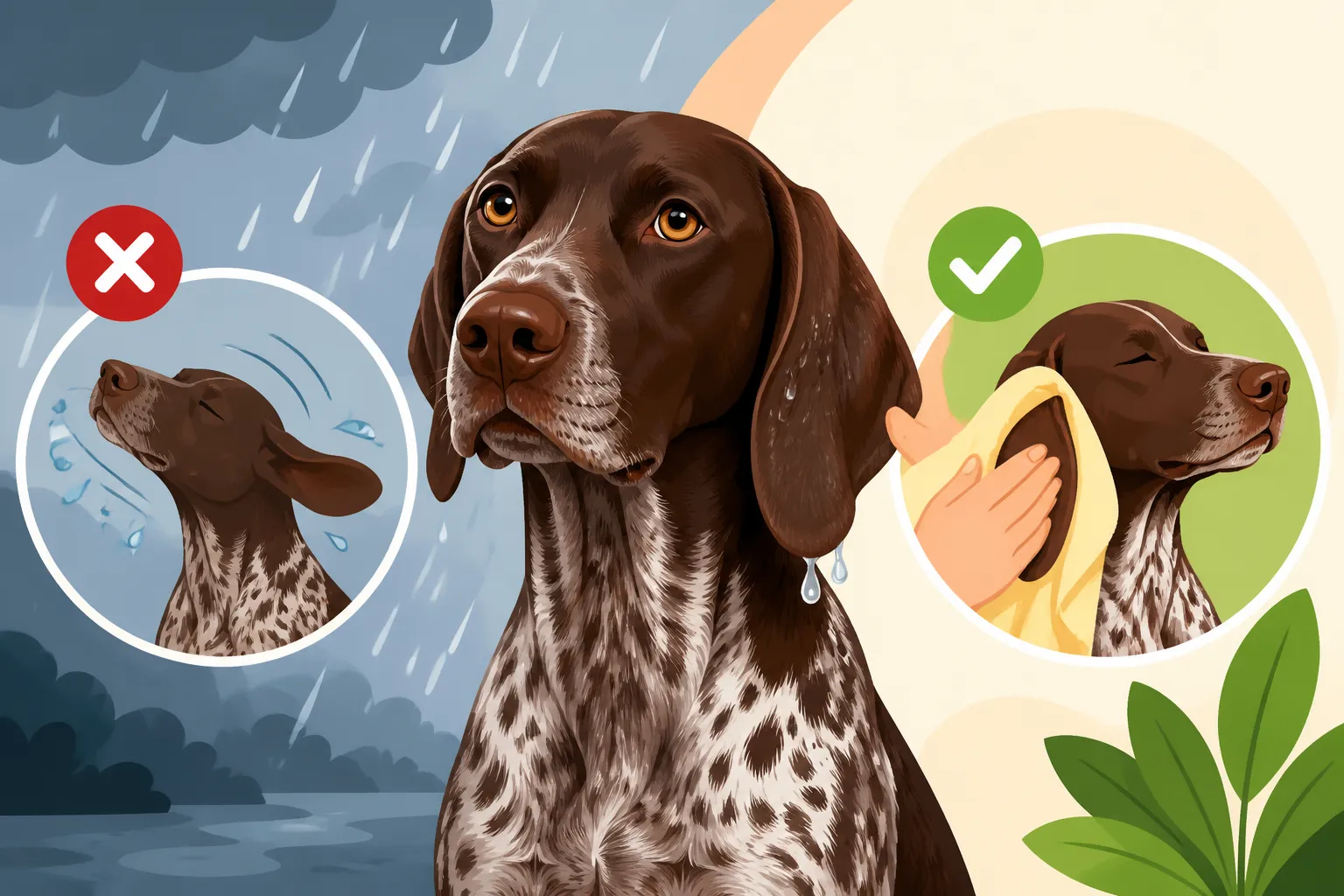
As soon as your German Shorthaired Pointer comes in from the rain, or finishes a swim, drying their ears should be high on your priority list. Don't wait until later; act quickly.
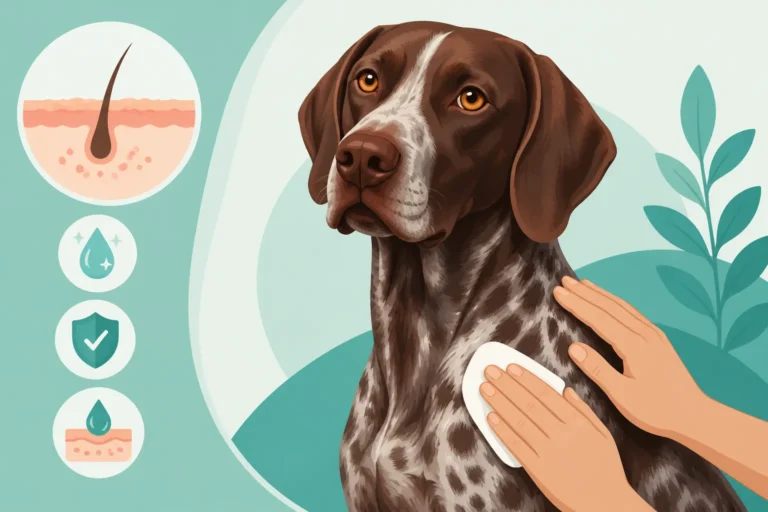
- Gentle Outer Ear Wipe: Start by gently wiping the visible part of the ear flap and the entrance to the ear canal with a soft, absorbent towel or a cotton ball. Be careful not to push any debris deeper into the ear. You're just trying to get rid of the surface moisture.
- Lift and Air Out: Gently lift your Shorthair's ear flap and hold it up for a few moments, allowing some air to circulate into the ear canal. This simple action can make a big difference in promoting evaporation.
- Positive Reinforcement: Make this a positive experience for your dog. Offer a small, high-value treat after each ear is wiped. This helps them associate ear care with good things, making future drying sessions much easier. A calm, cooperative dog makes the whole process smoother.
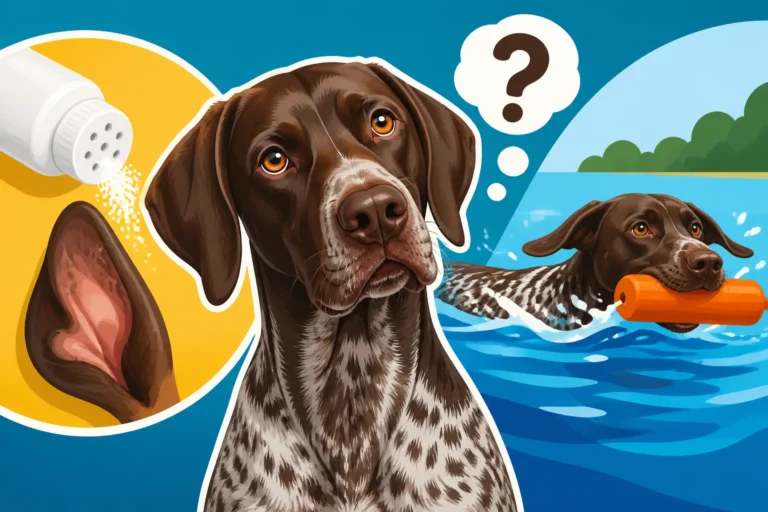
This isn't just a recommendation for rainy days; it's a critical step to follow after any water exposure, like baths or retrieving sessions. In fact, many owners follow a similar process for Drying a Shorthair's Ears After Every Swim.
Choosing the Right Drying Tools
While a towel is a good start, for deeper drying, you'll want to use a product specifically designed for dog ears.
- Cotton Balls/Pads: These are excellent for gently wiping the inner surface of the ear flap and the very entrance of the canal. Avoid cotton swabs (Q-tips) for inside the ear canal, as they can push debris deeper or even damage the delicate structures.
- Pet-Specific Ear Drying Solutions: These solutions are formulated to help evaporate moisture and often contain ingredients that discourage bacterial and yeast growth. They typically contain alcohol (which helps dry), witch hazel, or other astringents, along with soothing agents like aloe vera. Look for products clearly labeled as "ear drying solutions" or "ear astringents" for dogs. Brands available on platforms like Chewy or Amazon often have a variety of options.
- Soft Cloths: Microfiber cloths can be very absorbent and gentle for the outer ear.
Here’s a quick comparison of popular ear drying tools:
| Tool/Method | Best Use Case | Pros | Cons |
|---|---|---|---|
| Soft Towel/Cotton Ball | Surface drying, initial wipe-down | Gentle, easily accessible, good for outer ear | Cannot reach deep into the canal |
| Pet-Specific Ear Drying Solution | Deep moisture removal, preventative care | Evaporates water, discourages pathogen growth | Can sting if ears are already inflamed, some dogs dislike liquid |
| Gentle Air Drying (lifting ear) | Supplemental, post-wipe air circulation | Natural, no cost, helps with mild dampness | Not sufficient on its own, requires manual holding |
| Vet-Prescribed Medicated Cleaners | For active infections or very prone ears | Targeted treatment, often contains antifungals/antibiotics | Requires veterinary diagnosis, not for general drying |
When to Use Ear Cleaners and Drying Solutions
Regular ear cleaners are different from ear drying solutions. Cleaners are typically used to break down wax and debris, while drying solutions focus on moisture evaporation. After rain, a drying solution is usually what you need.
How to Use a Drying Solution:
- Read the Instructions: Always follow the specific instructions on your chosen product.
- Apply Carefully: Hold your dog's ear flap up and apply the recommended amount of solution directly into the ear canal. Be prepared, it might be a bit startling for them!
- Massage the Base: Gently massage the base of the ear for 20-30 seconds. You should hear a squishing sound, which means the solution is working its way down and loosening debris.
- Allow Them to Shake: Stand back and let your Shorthair shake their head. This action helps bring the excess solution and loosened gunk to the surface.
- Wipe Clean: Use a fresh cotton ball or soft cloth to wipe away any discharge or solution from the outer ear and the entrance of the canal.
- Repeat if Necessary: Some products recommend a second application or daily use for a few days after water exposure.
If your dog already has signs of an infection (redness, odor, pain, discharge), consult your veterinarian before using any drying solutions, as some ingredients might irritate an already inflamed ear. In those cases, your vet might prescribe a specific medicated ear cleaner or drops.
Preventing Future Ear Issues and Maintaining Ear Health
Regular vigilance and proactive care are your best allies in keeping your German Shorthaired Pointer's ears healthy. It's not just about what you do after they get wet, but the ongoing habits you establish.
Establishing a Regular Ear Care Schedule
Think of ear care as part of your regular grooming routine, just like nail trims or brushing. Even if your Shorthair hasn't been in the rain or swum recently, checking their ears weekly is a good habit.
- Weekly Visual Check: Lift their ear flaps, take a deep breath, and look inside. Are the ears pink and clean, or are they red, inflamed, or smelly? Is there any excessive wax or discharge? This quick check helps you catch potential problems early.
- Routine Cleaning (if needed): For many GSPs, a gentle cleaning with a vet-approved ear cleaner every few weeks is sufficient to manage What Collects in a Shorthair's Folded Ear. If your dog has a history of ear issues, your vet might recommend a more frequent schedule. Again, avoid using cotton swabs deep in the canal.
- Post-Water Drying: As discussed, this is non-negotiable after any water exposure. Make it a routine, and your dog will learn to tolerate it, especially with treats involved.
Consistency is key. A little time each week can prevent much larger problems down the road.
Signs of Trouble and When to Call the Vet
Being a vigilant owner means knowing when to stop your home care and seek professional help. Your German Shorthaired Pointer relies on you to recognize these signs.
Look out for any of these indicators:
- Excessive Head Shaking: More than just a normal shake-off after a scratch.
- Constant Scratching: Pawing at their ears or rubbing their head along furniture.
- Odor: Any unpleasant, yeasty, or foul smell coming from the ears.
- Redness or Swelling: The inside of the ear flap or canal appears inflamed.
- Discharge: Yellow, brown, green, or black discharge, especially if it's thick or looks like coffee grounds.
- Pain or Sensitivity: Your dog cries out, flinches, or snaps when you touch their ears.
- Changes in Behavior: Lethargy, loss of appetite, or unwillingness to play, which can sometimes accompany severe ear infections.
- Hearing Loss or Balance Issues: In severe cases, particularly with inner ear infections, your dog might seem disoriented or have trouble walking straight.
If you observe any of these symptoms, it's time for a vet visit. Self-treating an established infection can lead to more serious problems and make future treatments harder. A veterinarian can accurately diagnose the type of infection (yeast, bacterial, or mites) and prescribe the appropriate medication. Ignoring these signs can lead to chronic pain, permanent hearing damage, or even a ruptured eardrum. Your vet can also advise on Whether Weekly Ear Cleaning Is Enough for a Shorthair for your specific dog.
Nutritional Support for Healthy Ears
While ear care is primarily about topical treatments and physical drying, nutrition can also play a supporting role in overall skin and ear health. A strong immune system and healthy skin barrier can make your Shorthair less susceptible to opportunistic infections.
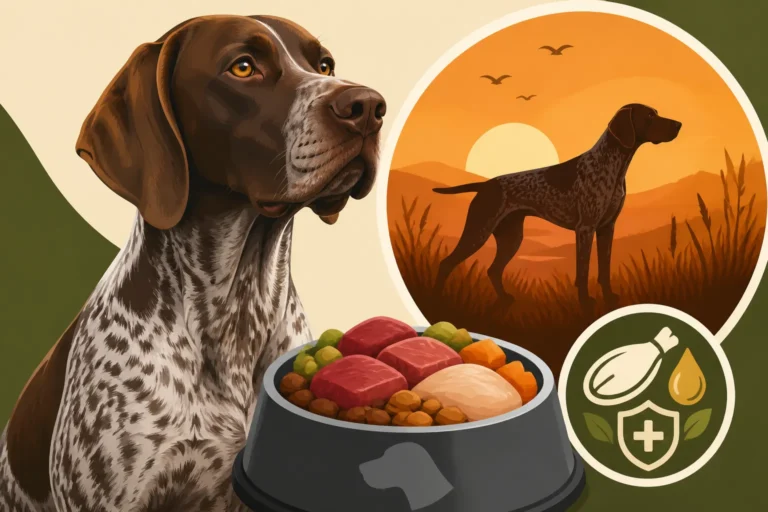
- High-Quality Diet: Feeding a balanced, high-quality dog food provides essential nutrients that support skin and coat health. Brands like Ollie often focus on fresh, whole ingredients that can contribute to overall well-being.
- Omega-3 Fatty Acids: Supplements rich in Omega-3 fatty acids, like fish oil, can reduce inflammation and improve skin barrier function. A healthier skin barrier is more resistant to irritation and infection. This is similar to how Fish Oil for a German Shorthaired Pointer's Skin can benefit their coat.
- Probiotics: A healthy gut microbiome can influence overall immune function, which in turn supports skin health. Discuss with your vet if a probiotic supplement might be beneficial for your dog, especially if they are prone to recurring infections.
Remember, nutrition is a supportive measure, not a cure for active ear infections. Always prioritize veterinary care for any signs of infection. But by combining good nutrition with diligent ear care, you can give your German Shorthaired Pointer the best chance at a lifetime of healthy, happy, and dry ears.
Disclaimer
This article is for general informational purposes only and does not constitute professional advice. Laws, prices and regulations vary by location and change over time. Consult a qualified professional for guidance on your specific situation.