A Shorthair’s Pads Splitting Halfway Through the Season
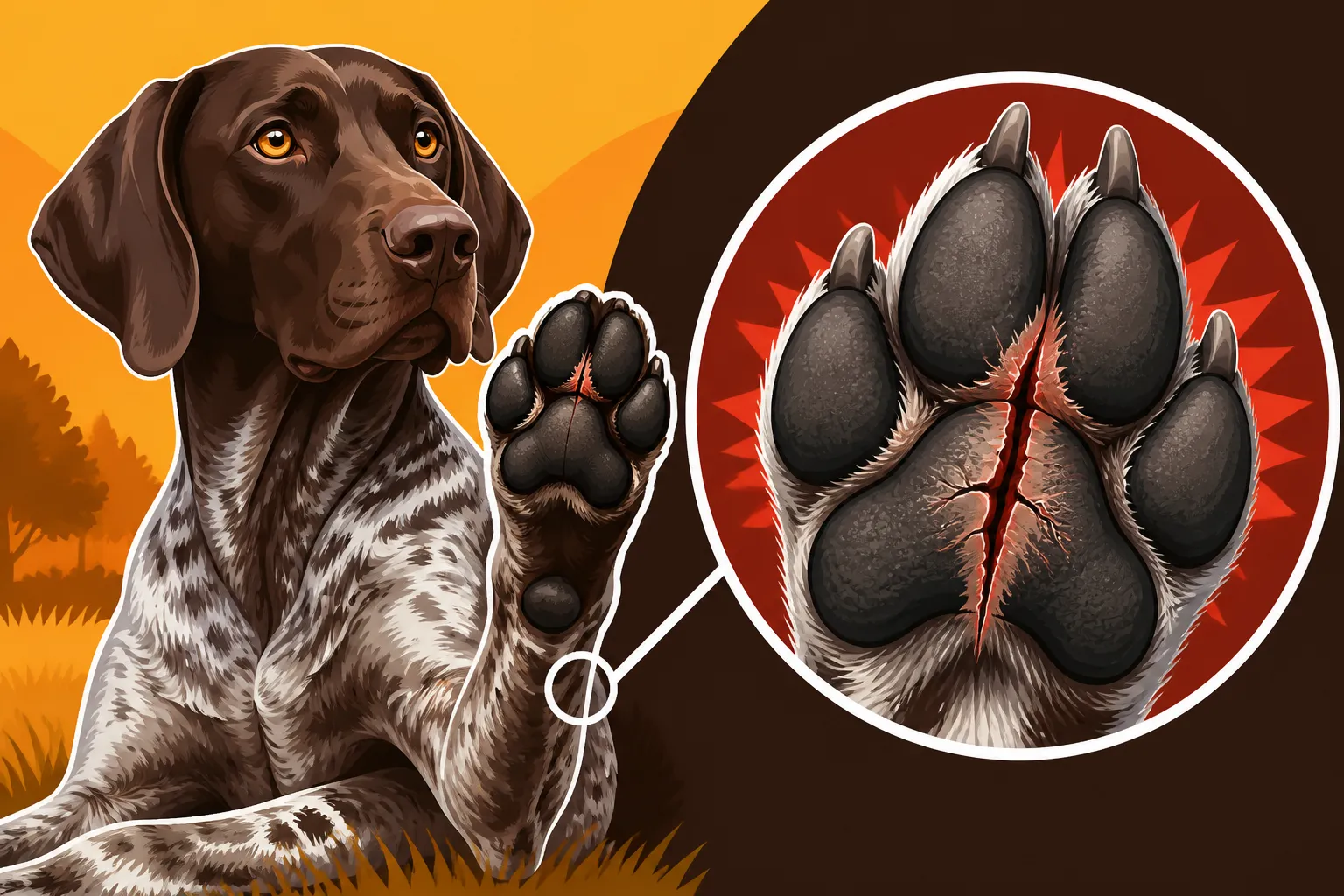
It's absolutely heartbreaking to watch your German Shorthaired Pointer limp in from the field, its relentless energy suddenly dimmed, only to find a raw, cracked, or completely split pad. This isn't just a minor inconvenience; it's a painful injury that can derail your entire hunting season and leave your dedicated companion in discomfort. This guide is here to walk you through understanding why those tough pads give out, how to react when they do, and most importantly, how to prevent this common and agonizing issue so your shorthair can keep doing what it loves.
Why Shorthair Pads Take Such a Beating
German Shorthaired Pointers are built for endurance and speed, designed to cover vast amounts of ground in pursuit of game. Their pads are typically robust, but even the toughest leather can wear thin under relentless pressure. When you're in the thick of hunting season, your dog's paws are subjected to extreme conditions, often without enough recovery time.
The Relentless Drive and Varied Terrain
Think about what your shorthair does out there: they sprint across stubble fields, bound through thorny briar patches, scramble over rocky creek beds, and churn through muddy lowlands – all at breakneck speed and with unwavering focus. Each stride puts immense pressure on their pads, acting like brake pads on a vehicle. Over and over, they dig in, push off, and pivot, and this constant friction and impact are the primary culprits behind pad wear and tear.
It's not just the sharp bits of the terrain, though those certainly contribute to cuts and punctures. It's the sheer volume of work on varied and unforgiving surfaces. One moment they might be on soft grass, the next on asphalt, then gravel, then frozen dirt. This variety, coupled with their high-octane performance, doesn't give the pads a chance to adapt uniformly. Unlike human feet, which might be protected by specialized shoes, your dog's pads are their natural shock absorbers and traction devices, bearing the full brunt of every single step. A pad might start to fray around the edges, then a small crack appears, and with one bad pivot, it can split wide open.
Environmental Factors and Lack of Conditioning
Beyond the physical demands of hunting, environmental elements play a huge role in the health of your shorthair's pads. Consider the dry, crisp air of early fall, which can dehydrate pads and make them brittle. Or the freezing temperatures and snow of late season, which can cause frostbite or, conversely, lead to ice balls forming between toes, pushing against the pads and creating pressure sores.
Then there's the moisture: prolonged exposure to wet conditions, like slogging through a marsh or retrieving from a icy pond, can soften the pads, making them more susceptible to tearing. Imagine your own hands after a long soak in water – they're softer, more pliable, and easier to damage. The same principle applies to your dog's pads. Furthermore, many hunting areas might expose your dog to irritants like agricultural chemicals, road salt (if you're walking them near treated roads), or even abrasive sand, all of which can dry out, chap, and weaken the pad's protective outer layer.
Often, the biggest issue is a lack of proper conditioning leading into the season. Just like a human athlete, a dog's paws need to be gradually toughened. If they go from a relatively sedentary summer to intense, multi-day hunts, their pads simply aren't ready for the abuse. This sudden increase in workload, especially on varied and rough terrain, almost guarantees issues. You can't expect soft, indoor-dog pads to withstand the rigors of a full hunting season without significant, intentional preparation. Toughening a Shorthair's Pads Over the Summer is an absolute must to prevent these mid-season breakdowns.
Recognizing and Reacting to Split Pads
Catching a pad injury early can make a huge difference in your dog's recovery and getting them back in the field sooner. Ignoring the subtle signs can lead to more severe damage, prolonged healing, and even infection.
Signs Your Shorthair's Pads Are in Trouble
Your German Shorthaired Pointer is a stoic breed, often pushing through pain to please you or stay on the bird. This makes it challenging to spot issues early. However, there are some tell-tale signs if you're paying close attention. The most obvious is lameness or limping, especially after a hunt or even during one. If your dog starts favoring a paw, lifting it frequently, or refusing to put full weight on it, that's a red flag. You might also notice a decrease in their usual enthusiasm or speed; they might be lagging behind or appearing less focused.
Before a full split, you might see small cracks, redness, or excessive licking and chewing at their paws. When you're doing your routine post-hunt check – and you should absolutely be doing one daily – look for these early warning signs. Feel the pads; are they unusually warm? Are there any visible cuts, scrapes, or areas where the pad looks "fuzzy" or peeling? Sometimes, a pad will just look generally abraded, almost like sandpaper has been taken to it. If you suspect an issue, gently spread their toes to look for foreign objects like foxtails, burrs, or small pieces of gravel lodged between the pads. Even tiny irritants can lead to discomfort and exacerbate larger problems.
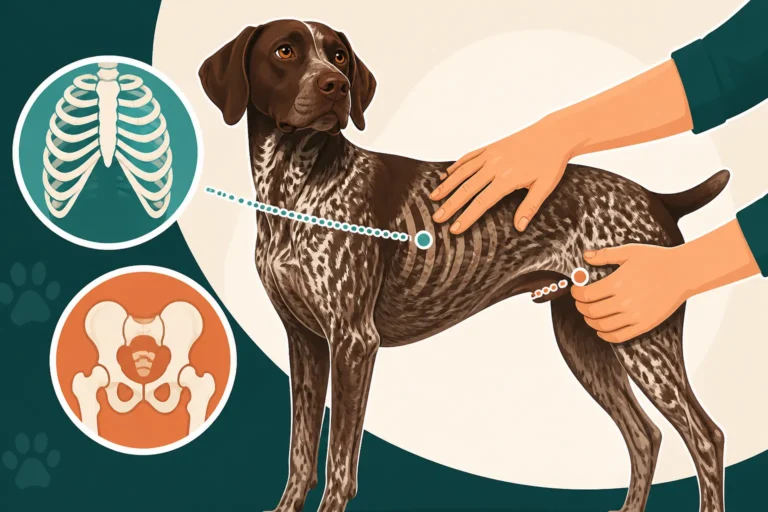
A split pad itself will often be visible as a deep fissure, sometimes bleeding, separating layers of the pad. It might appear raw and inflamed. The dog may be visibly uncomfortable when you touch the affected paw. Don't be fooled if they don't cry out; many shorthairs have an incredibly high pain tolerance. It's your job to be vigilant. Checking a German Shorthaired Pointer Over After a Hunt should be as routine as cleaning your shotgun.
First Aid and Immediate Steps
The moment you spot a split pad, your priority is to clean the wound and prevent infection. If you're still in the field, this might mean using a water bottle to gently rinse away any dirt, debris, or mud. Get your dog to a safe, comfortable spot where you can properly assess the injury.
Once you have a better setup, a more thorough cleaning is necessary. Use an antiseptic solution like diluted povidone-iodine (until it looks like weak tea) or chlorhexidine, which are generally safe for dogs, to flush the wound. Avoid hydrogen peroxide, as it can damage healthy tissue and delay healing. After cleaning, apply a thin layer of an antibiotic ointment. Many over-the-counter options are available, but it's always wise to have something recommended by your vet in your first-aid kit.
The next critical step is protecting the paw. If the split is severe, you'll need to bandage it to keep it clean and prevent further injury. Start by placing a non-stick gauze pad directly over the wound. Then, wrap the paw with rolled gauze, making sure it's snug but not too tight to cut off circulation. You should be able to slip two fingers under the bandage. Finish with a flexible, self-adhering wrap like VetWrap. Remember, this is a temporary fix. You'll need to change the bandage daily, or more often if it gets wet or dirty, and always check for swelling or irritation around the edges. For serious splits, or any that are deep, bleeding profusely, or show signs of infection (pus, foul odor, excessive swelling), a trip to the vet is non-negotiable.
Prevention and Long-Term Pad Health
Preventing split pads is far easier, and less painful, than treating them. It requires a multi-faceted approach involving conditioning, protective measures, and good nutrition.
Pre-Season Conditioning and Toughening
Just like you wouldn't run a marathon without training, your shorthair shouldn't go from lounging on the couch to pounding miles in the field without preparation. Start well before hunting season begins. Gradually increase the duration and intensity of their exercise, introducing them to varied terrains. Start with short walks on pavement or gravel, slowly extending the time. This helps to naturally thicken and toughen their pads.
Roading, or running your dog alongside a bike or ATV, can be an excellent way to build stamina and toughen pads, but it must be done carefully and gradually. Begin with short distances on softer surfaces and slowly transition to harder ground. Always check their pads after these sessions for signs of wear. Consistency is key here. A few intense sessions won't do the trick; it's the steady, progressive exposure that builds resilience. Think about your dog's pads like your own calluses – they build up over time with consistent, appropriate stress. Without this preparatory work, pads will be soft and vulnerable when the season kicks into high gear.
Protective Gear and Daily Care
Even with the best conditioning, some shorthairs will benefit from additional protection, especially in extreme conditions or on particularly harsh terrain. That's where dog boots come in. While getting a German Shorthaired Pointer to tolerate boots can be a process, it's worth the effort for a dog prone to pad issues. Start introducing them to boots for short periods at home, making it a positive experience with treats and praise. Gradually increase wear time, working up to wearing them during walks and then short training sessions. Brands like Ruffwear or Muttluks offer durable options that can protect against sharp objects, ice, and extreme temperatures. You can find a good selection on platforms like Amazon or Chewy. Whether a Shorthair Tolerates Boots is a common question, and it often comes down to early, positive introduction.
Daily paw care, even during the season, is crucial. Regularly check your dog's paws for any cuts, scrapes, or embedded debris. Use a good paw balm or conditioner to keep pads moisturized and pliable, preventing cracking and dryness. Look for balms that contain natural ingredients like beeswax, shea butter, or vitamin E. Applying this nightly can make a significant difference. Trimming the hair between their paw pads can also help prevent ice balls in winter and reduce the collection of burrs and seeds. Pad Toughener Products for a Hunting Shorthair can be a valuable addition to your care routine, especially for those sensitive pads.
Nutritional Support for Resilient Pads
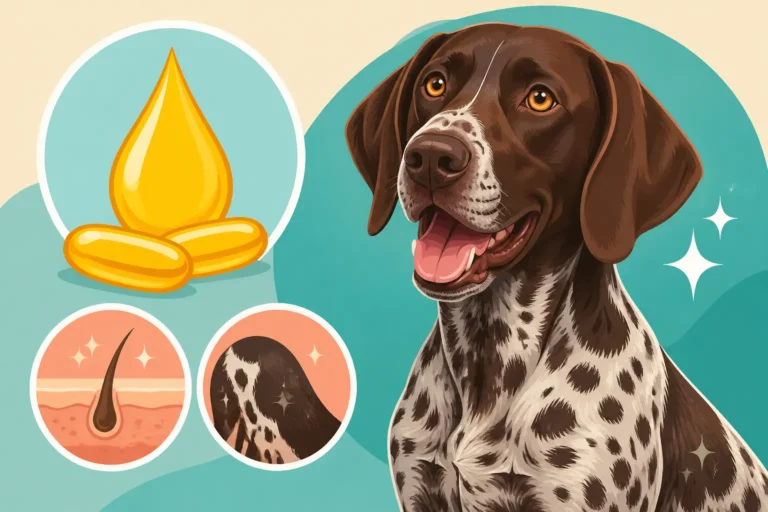
Don't underestimate the power of good nutrition in maintaining overall skin and paw health. A high-quality diet that is rich in essential fatty acids, particularly Omega-3s, can significantly improve the elasticity and strength of your dog's skin and paw pads. These fatty acids help maintain the skin's natural barrier function, making it more resilient to external stressors. You can often find these in specialized performance dog foods designed for active breeds, or you can add supplements to their regular diet.
Many premium dog foods, like those from brands such as Purina Pro Plan Sport or Eukanuba, often include these beneficial ingredients. Alternatively, you can supplement with fish oil, either in liquid form or capsules, available at pet supply stores or online marketplaces like Amazon or Chewy. Discuss the appropriate dosage with your vet, especially when adding new supplements. Ensuring your shorthair is also well-hydrated is vital, as dehydration can contribute to dry, brittle pads. Always provide access to fresh water, especially during and after intense exercise. Feeding a German Shorthaired Pointer That Runs All Day goes hand-in-hand with ensuring their feet stay healthy.
When to Seek Professional Veterinary Help
While many minor pad injuries can be managed at home, there are times when professional veterinary intervention is absolutely necessary. Knowing when to make that call can prevent complications and ensure the best outcome for your dog.
Understanding the Healing Process
A split pad, especially a deep one, can take a surprisingly long time to heal. Unlike other skin injuries, paw pads are constantly bearing weight and experiencing friction, making it difficult for the tissue to knit together quickly. Healing can often take several weeks, sometimes even a month or more, depending on the severity and location of the split. During this time, your dog will need restricted activity to prevent re-injury and allow proper healing. This can be tough on a high-energy German Shorthaired Pointer, but it’s critical.
Your vet might recommend different types of bandages or even medical-grade glues to help close the wound. They can also provide guidance on how to keep the wound clean and dry, which is paramount for successful healing. It's a marathon, not a sprint, and patience is key. Don't rush your shorthair back into the field before the pad has completely toughened up, or you'll be right back where you started, if not worse. Remember, a partially healed pad is still a vulnerable pad.
Managing Pain and Preventing Infection
Pain management is crucial for your shorthair's comfort and can aid in the healing process by reducing stress and excessive licking. Your veterinarian can prescribe appropriate pain medication, which might include NSAIDs (non-steroidal anti-inflammatory drugs) specifically formulated for dogs. Never give human pain medication to your dog, as many are toxic.
Preventing infection is also paramount. If a split pad becomes infected, the healing time will be significantly extended, and the infection could spread. Signs of infection include increased redness, swelling, heat, pus, a foul odor, or persistent lameness even after initial treatment. Your vet might prescribe oral antibiotics if an infection is present or suspected.
They can also help remove any deeply embedded debris that you might have missed. Sometimes, a split pad might require sutures, especially if the wound is large and gaping, or if there's significant tissue damage. In rare, severe cases, surgical debridement (removal of damaged tissue) might be necessary. This is where a proper vet visit is invaluable; they have the tools and expertise to address these more complex injuries. Emergency Fees for a Shorthair Cut Open in the Field can be significant, but often necessary to save a paw. Don't hesitate to seek help for any injury that looks concerning or isn't improving with home care.
Disclaimer
This article is for general informational purposes only and does not constitute professional advice. Laws, prices and regulations vary by location and change over time. Consult a qualified professional for guidance on your specific situation.