Pad Toughener Products for a Hunting Shorthair
There’s nothing quite as disheartening as watching your strong, driven German Shorthaired Pointer come home from a hunt, only to discover their magnificent drive has been cut short by tender, torn, or cracked paw pads. It's a common, frustrating issue for us GSP owners who ask so much of our dogs, but thankfully, there are specific pad toughener products that can make a real difference, helping your shorthair stay sound and ready for the next retrieve. This guide will walk you through why these products are essential, what options are out there, and how to use them effectively to keep your hunting companion's feet in prime condition.
Why Your Shorthair's Pads Need Extra Toughness for Hunting
Our German Shorthaired Pointers are athletes, pure and simple. They're bred for endurance, speed, and an insatiable desire to find birds, which often means pushing through some of the roughest terrains imaginable. Their paw pads are their primary interface with this demanding environment, and without proper care and conditioning, they can take a beating.
The Harsh Realities of Hunting Terrain
Think about where our shorthairs hunt. We're talking stubble fields that are like a thousand tiny knives, frozen ground that's hard as concrete, rocky hillsides, and marshy areas with abrasive grit and sharp debris hidden beneath the surface. Each step is a potential injury waiting to happen. A well-conditioned dog can handle a lot, but even the toughest pads have their limits when subjected to hours of this kind of abuse. It's not just the big, obvious cuts; it's the constant friction, the microscopic abrasions that accumulate, and the relentless pounding that breaks down the integrity of the pad over time. A gundog running hard is truly pushing the limits of their physical endurance, and their feet are often the first to show the strain. You might see a small crack start, and then with continued work, it can deepen into a painful fissure, sidelining your dog for days or even weeks.
The Natural Composition of a GSP's Paw Pads
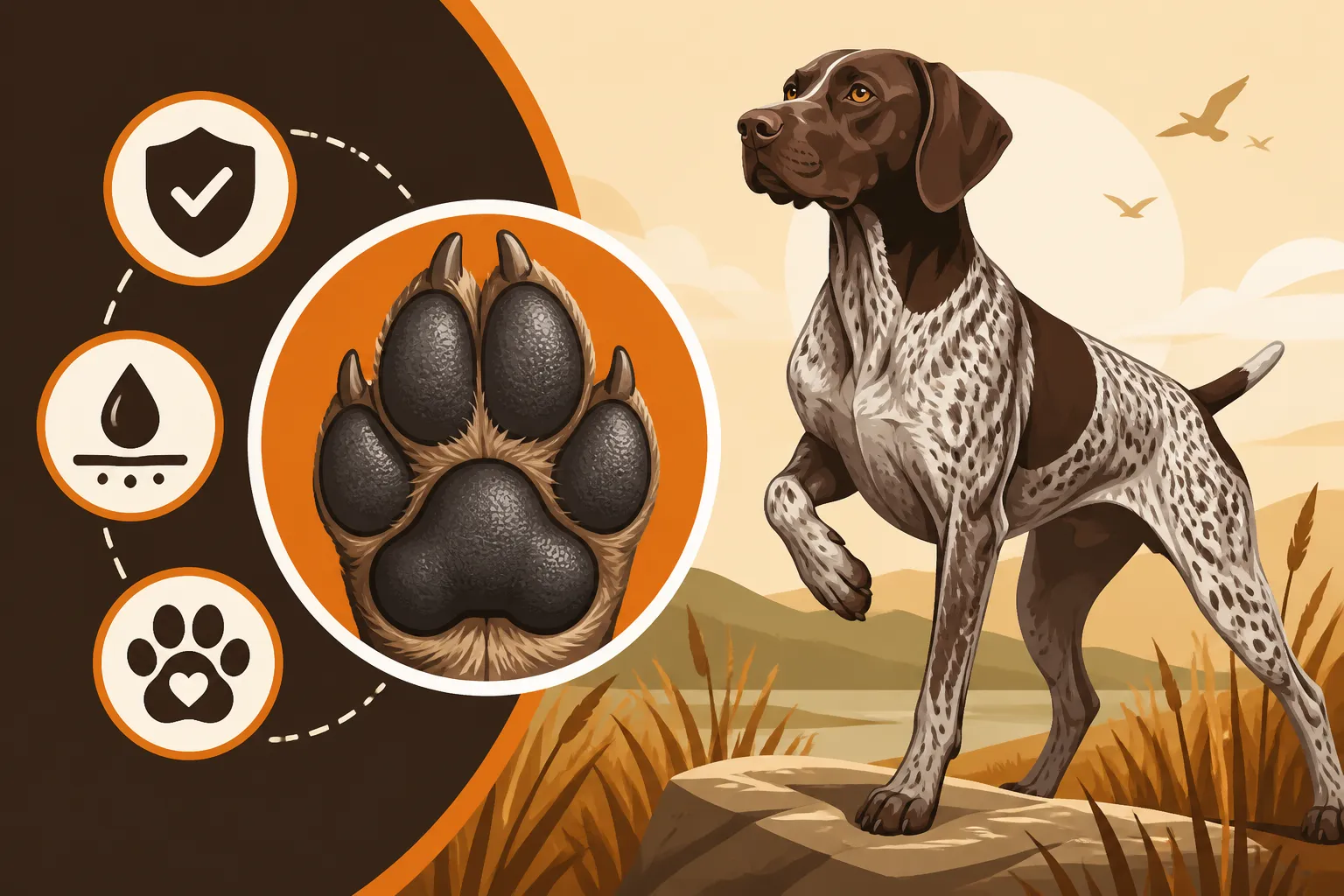
A German Shorthaired Pointer's paw pads are naturally robust, designed to offer traction and some degree of cushioning. They're made of tough, keratinized skin, much like the calluses on our own hands. This outer layer is meant to protect the sensitive tissues, blood vessels, and nerves beneath. However, "naturally robust" doesn't always translate to "impervious to barbed wire or razor-sharp stubble." While some dogs have thicker, tougher pads than others due to genetics, all can benefit from conditioning. The goal of pad tougheners isn't to create an artificial shield, but to enhance and fortify this natural defense system, making the pads more resilient and less prone to injury and soreness. It's about building up that natural keratin layer to better withstand the daily grind of the hunting season.
Beyond Cuts and Abrasions: Preventing Soreness and Cracking
It's not just about avoiding visible wounds. Many a hunting season has been derailed by dogs with simply sore pads, not necessarily cut ones. Imagine running a marathon in shoes that are a size too small or worn through. That's what it can feel like for a dog whose pads aren't properly conditioned. Soreness leads to reluctance, a shorter range, and eventually, a dog that just can't perform. Beyond soreness, pads can dry out and crack, especially in colder, drier weather or when exposed to chemicals like de-icers if you're doing any winter training or running. These cracks are incredibly painful and can become easily infected. Pad tougheners often contain ingredients that help maintain moisture balance, keeping the pads pliable yet firm, reducing the risk of painful cracking. This also aids in preventing other common issues like Cut Pads on a German Shorthaired Pointer After a Long Day.
Understanding Different Types of Pad Toughener Products
When you start looking for pad tougheners, you'll quickly realize there's a range of options, each with a slightly different approach. Understanding these differences will help you choose the best fit for your shorthair's needs and your routine. Many of these products are readily available on platforms like Chewy or Amazon, making them easy to find and integrate into your dog's care.
Balms and Waxes for Protection and Conditioning
Paw balms and waxes are incredibly popular, and for good reason. They often serve a dual purpose: they create a protective barrier on the surface of the paw pad, and many also contain moisturizing ingredients that condition the pads from the outside in. Think of them like a good hand cream combined with a light protective glove.
Typically, these products are made from natural ingredients like beeswax, shea butter, coconut oil, and various botanical extracts. When applied, they form a semi-occlusive layer that can help protect against minor abrasions, ice buildup, and harsh chemicals. This barrier also helps lock in the natural moisture of the pads, keeping them supple and preventing excessive drying and cracking, which is a huge benefit, especially during colder months or in very dry climates. While they won't make a soft pad instantly rock-hard, their consistent use contributes to overall pad health and resilience. Some owners swear by them as a daily preventative measure, especially before heading out for a brisk walk or a short training session. These are generally very safe and easy to apply, often coming in stick or tin form.
Liquid Tougheners and Tinctures for Hardening
For owners looking for a more direct "toughening" effect, liquid solutions, sprays, or tinctures are often the go-to. These products are formulated to penetrate the outer layers of the paw pad and strengthen the keratin itself. They typically contain ingredients like tannic acid, benzoin, or even alcohol-based solutions that work by drying out the superficial layers of the skin, promoting the formation of tougher, more resilient tissue.
The idea here isn't to make the pads feel like concrete, but to reinforce their natural structure. When applied regularly, especially in the weeks leading up to hunting season, these types of tougheners can help build up a denser, more resistant surface. This can be particularly beneficial for dogs whose pads tend to be on the softer side, or for those transitioning from a less active lifestyle to rigorous field work. It’s important to follow the product instructions carefully with these, as overuse or incorrect application can sometimes lead to excessive dryness or irritation. The key is gradual conditioning, allowing the pads to adapt and strengthen over time. You might find a good selection of these on Amazon or at specialty pet supply stores.
Nutritional Support for Stronger Paw Pads
While topical treatments are crucial, we can't forget that true strength comes from within. A dog's diet plays a significant role in the health and integrity of their skin and paw pads. Just like human nails and skin, paw pads require specific nutrients to be strong and healthy.
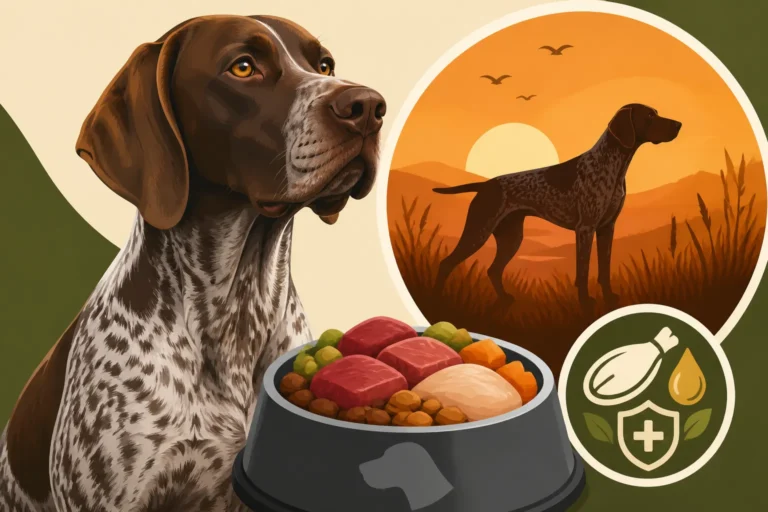
Essential fatty acids, particularly Omega-3s and Omega-6s, are vital for skin health, reducing inflammation and promoting a healthy skin barrier. Look for high-quality dog foods that list these fats, or consider adding a fish oil supplement to your dog's diet. Biotin and zinc are other key nutrients that contribute to keratin production and overall skin integrity. If your GSP is on a diet like what Ollie offers, or another high-quality food, they might already be getting good levels of these.
Think about it: if the building blocks for healthy pads aren't there internally, external treatments can only do so much. A balanced, high-quality diet, especially for a hard-working hunting dog, is the foundation for resilient paw pads. Discussing your dog's diet with your veterinarian, especially if they’re a hunting dog, can help ensure they're getting everything they need. Sometimes, specific supplements might be recommended to boost pad health. This holistic approach ensures you're addressing pad toughness from every angle.
How to Effectively Incorporate Pad Tougheners into Your Routine
Applying a product once and hoping for the best simply won't cut it when it comes to keeping your German Shorthaired Pointer's pads tough enough for hunting season. Consistency and a strategic approach are key. It’s a bit like training yourself for a marathon; you wouldn't just lace up your shoes on race day, would you?
Timing is Everything: Pre-Season Conditioning
The most critical time to start using pad tougheners is before hunting season even begins. Don't wait until you've got a lame dog on your hands. Think of it as pre-season conditioning for their feet. Ideally, you should start applying tougheners 4-6 weeks before you anticipate the first serious hunt. This gives the products enough time to work their magic and for the pads to gradually build up resistance.
During this pre-season period, aim for consistent application, often daily or every other day, depending on the product's instructions. This might mean applying a liquid toughener in the morning and a balm at night, or simply sticking to one type of product as directed. Simultaneously, you should be gradually increasing your dog's activity level on varied terrains. Just like a runner conditions their feet by gradually increasing mileage, your shorthair's pads will adapt to harder surfaces with consistent, controlled exposure. So, while you're working on Toughening a Shorthair's Pads Over the Summer with longer walks and runs, make sure those pads are getting their topical treatment too. This combined approach is far more effective than either method alone.
Application Techniques for Optimal Absorption
Getting the product onto the paw pads effectively is just as important as choosing the right one. Our GSPs are often eager to lick things off their paws, so quick absorption or distraction is key.
Here are some tips for effective application:
- Clean and Dry Pads: Always start with clean, dry paw pads. Any dirt or moisture can prevent the product from absorbing properly. A quick wipe-down after coming in from outside is usually sufficient.
- Massage In: For balms and waxes, really work the product into the entire surface of each pad, including between the toes. This ensures even coverage and helps stimulate circulation.
- Sprays and Liquids: If using a spray or liquid, make sure to get good coverage over all four pads. Some owners find it helpful to spray into their hand first and then rub it on, especially for dogs who are sensitive to the sound or sensation of a spray bottle.
- Distract, Distract, Distract: After applying, immediately distract your dog. This could be with a long-lasting chew, a puzzle feeder, or a quick training session to run through commands. The goal is to keep them from licking their paws until the product has had a chance to absorb or dry. Most products are formulated to be safe if ingested in small amounts, but you want it on the pads, not in their stomach!
- Consistency: Pick a time of day that works for you and stick to it. Before bed is often ideal, as your dog will be less likely to be immediately active and more prone to resting, allowing the product to absorb fully overnight.
Combining Tougheners with Other Foot Care Practices
Pad tougheners are a fantastic tool, but they are just one piece of a comprehensive paw care strategy. To truly keep your GSP's feet in top shape, you need to integrate them into a broader routine.
Consider these complementary practices:
- Regular Inspections: After every hunt or even a long walk, make it a habit to Checking a German Shorthaired Pointer Over After a Hunt, paying close attention to their pads. Look for any cuts, abrasions, redness, or signs of tenderness. Catching a problem early can prevent it from becoming a major issue.
- Nail Trimming: Long nails can interfere with a dog's natural gait, putting uneven pressure on their paw pads and leading to discomfort or even injury. Keep nails trimmed short, ensuring they don't touch the ground when your dog stands.
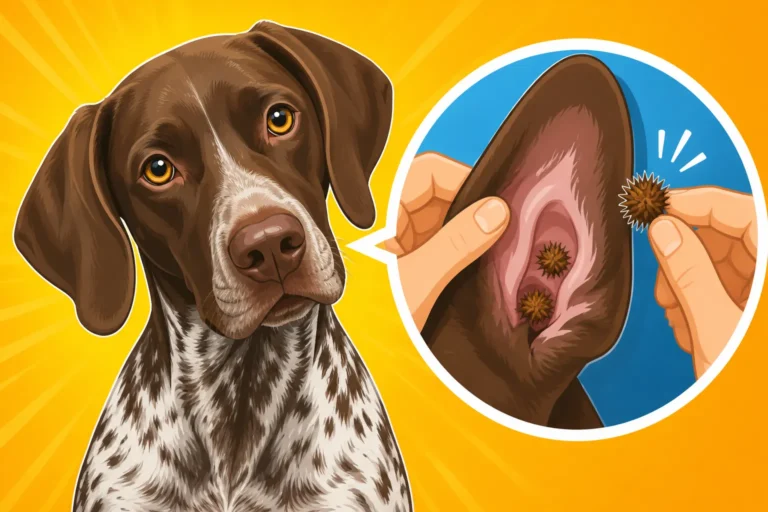
- Hair Trimming: For some GSPs, particularly those with a bit more feathering between their toes, trimming this hair can be beneficial. It prevents burrs, foxtails, and mud from getting matted, which can cause irritation and even infection. It also makes it easier to clean and inspect the pads.
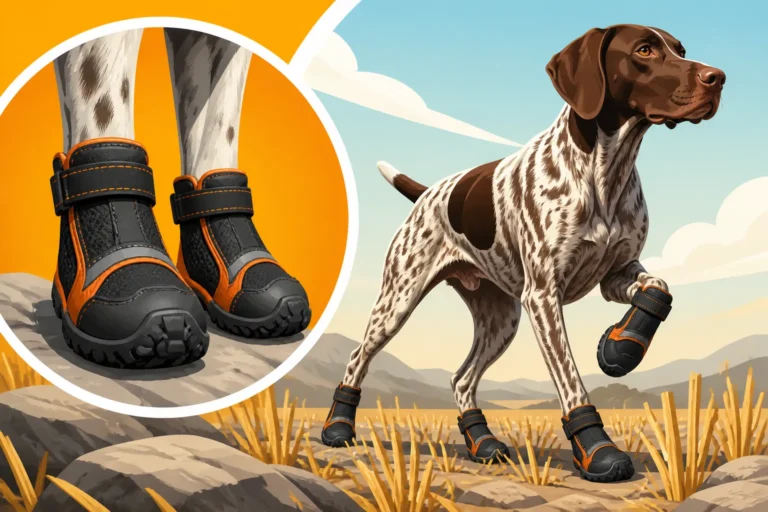
- Paw Boots: For extremely harsh conditions, very long days, or when recovering from a minor injury, paw boots can offer an extra layer of protection. It takes some training to get your dog used to them, but they can be invaluable in certain situations. Just remember, they are a supplement, not a replacement, for well-conditioned pads. For more on this, check out Boots for a Shorthair on Rock and Stubble.
- Post-Hunt Cleaning: A quick rinse or wipe of the paws after a hunt can remove irritating debris, mud, or chemicals that might lead to skin irritation or dryness.
By combining pad tougheners with these essential foot care practices, you're giving your German Shorthaired Pointer the best possible chance to have healthy, resilient paws throughout the hunting season and beyond.
Common Pitfalls and What to Avoid
Even with the best intentions, it's easy to make mistakes when trying to condition your German Shorthaired Pointer's paw pads. Avoiding these common pitfalls can save you a lot of headache, discomfort for your dog, and potentially expensive vet bills.
Over-Toughening and Loss of Flexibility
It might seem counterintuitive, but there's such a thing as too much toughening. The goal is to create resilient, firm pads, not hard, inflexible ones. If you use overly aggressive drying agents too frequently, or if your dog's pads become excessively dry and rigid, they can lose their natural flexibility and shock absorption. This can actually make them more prone to cracking, especially in cold weather, and can reduce their natural grip, leading to slips. Imagine walking on stiff, unyielding leather all day – it's uncomfortable and can lead to new kinds of strain.
The key is balance. If your dog's pads start to look overly dry, flaky, or feel excessively hard to the touch, ease back on the more aggressive toughening products. Introduce a moisturizing balm or wax to restore some pliability. Observe your dog's gait; if they seem stiff-footed or uncomfortable, it might be a sign their pads are too dry or inflexible. A good analogy might be to think of a flexible, well-used leather boot versus a brand-new, stiff one. You want the former, not the latter.
Ignoring Underlying Issues
Sometimes, what appears to be a problem with soft pads might actually be a symptom of a larger, underlying health issue. Simply slathering on a toughener won't solve that. If your GSP consistently has unusually soft, tender, or irritated paws despite your best efforts, it's time for a visit to the veterinarian.
Potential underlying causes could include:
- Allergies: Environmental or food allergies can manifest as itchy, red, or inflamed paws, which can make them more sensitive and prone to injury. Dogs will often lick and chew their paws excessively when suffering from allergies, further damaging the pad tissue.
- Fungal or Bacterial Infections: Persistent dampness or minor cuts can lead to infections between the toes or on the pads themselves. These can cause discomfort, redness, and can weaken the pad tissue.
- Nutritional Deficiencies: As mentioned earlier, inadequate nutrition can impact overall skin and paw pad health. A diet lacking essential fatty acids, zinc, or biotin can lead to weaker, more brittle pads.
- Autoimmune Conditions: While rarer, some autoimmune diseases can affect paw pad health, leading to crusting, ulceration, or abnormal pad development. Managing a German Shorthaired Pointer's Lifelong Skin Disease can be a complex endeavor, and sometimes paw issues are part of that bigger picture.
If you suspect an underlying health problem, don't delay seeking professional advice. Your vet can properly diagnose the issue and recommend appropriate treatment, which may include special diets, medications, or specific topical therapies in conjunction with, or instead of, regular pad tougheners. This is part of the comprehensive The Vet Schedule a Working Shorthair Should Keep that helps ensure your dog's overall well-being.
The Importance of Consistent Use
This really can't be stressed enough: consistency is absolutely vital. You wouldn't expect to build muscle by going to the gym once a month, and the same principle applies to paw pad conditioning. Sporadic application of pad tougheners will yield sporadic, at best, results.
Building up the resilience of paw pads is a gradual process that requires regular reinforcement. Whether you choose a balm, a liquid, or a combination, establish a routine and stick to it, especially during the pre-season conditioning phase and throughout the hunting season itself. If you only apply a toughener the night before a hunt, you're likely setting your dog up for failure and potential injury.
Think of it as part of their daily care, like feeding or exercising them. Just a few minutes each day or every other day can make a world of difference. Your German Shorthaired Pointer relies on those tough, healthy pads to do what they love most – hunt. By being consistent with your pad toughener regimen, you're investing in their comfort, performance, and overall well-being, ensuring they can enjoy many seasons afield. And remember, the physical demands of How Long a Working German Shorthaired Pointer Stays Sound are immense, and proper paw care is central to that longevity.
Pad Care Product Comparison Table
To help you visualize the different options, here's a quick comparison of common pad toughener product types:
| Product Type | Primary Action | Best For | Application Frequency | Key Benefits | Potential Downsides |
|---|---|---|---|---|---|
| Balms & Waxes | Protective barrier, moisturizing | General conditioning, minor protection, moisture lock | Daily to weekly | Soothes, prevents cracking, offers physical barrier against irritants | May not significantly "harden" very soft pads, can be greasy |
| Liquid Tougheners | Strengthens keratin, dries pad surface | Actively hardening soft pads, pre-season conditioning | Every other day to daily (pre-season) | Builds tougher, more resilient pad surface | Can over-dry if overused, some dogs dislike liquid feel |
| Paw Boots | Physical shield, injury protection | Extreme terrain, injury recovery, cold weather | As needed (during activity) | Excellent physical protection from cuts, ice, extreme temperatures | Dog must be accustomed to them, can affect natural grip/feel |
| Nutritional Aids | Internal strength, skin health | Overall pad health, long-term resilience | Daily (with food) | Supports keratin production, reduces inflammation, promotes healthy skin | Results are not immediate, requires consistent dietary intake |
This table can help you determine which type of product, or combination, might be most suitable for your German Shorthaired Pointer's individual needs and the demands of their hunting environment.
Disclaimer
This article is for general informational purposes only and does not constitute professional advice. Laws, prices and regulations vary by location and change over time. Consult a qualified professional for guidance on your specific situation.