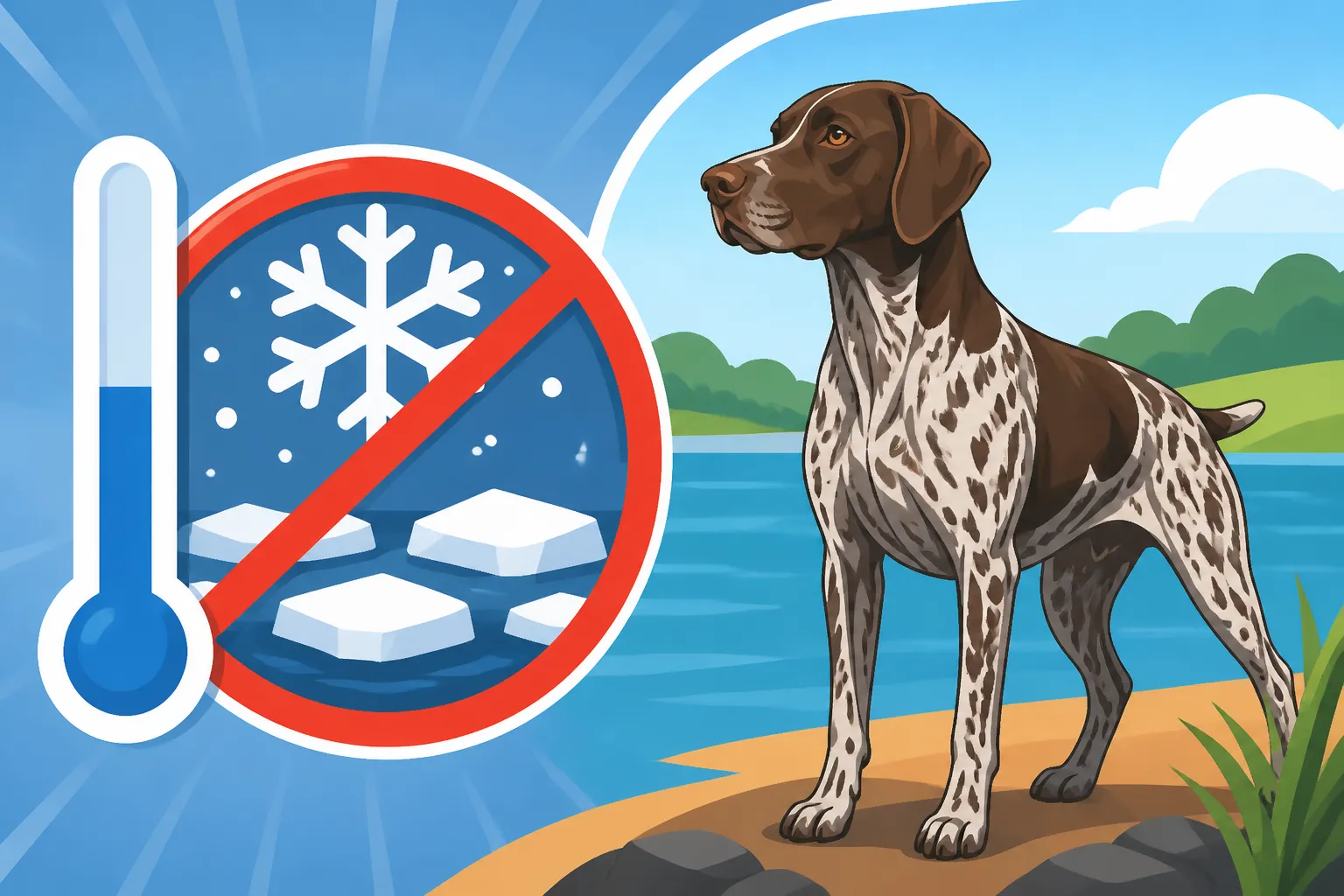
The Water Temperature a Shorthair Should Not Enter
It’s a joy to watch our German Shorthaired Pointers bound into the water, full of enthusiasm for a retrieve or just a good swim on a hot day. But that fearless energy can sometimes mask a real danger: water that's simply too cold for their well-being. This guide is here to help you understand the risks involved with cold water, identify temperatures that are outright dangerous for your short-coated companion, and provide actionable steps to keep them safe and healthy, no matter the season.
Understanding Your German Shorthaired Pointer's Water Tolerance
German Shorthaired Pointers are, by their very nature, versatile hunting dogs. They were bred to work in a variety of conditions, which often includes water. You'll notice their webbed feet and their enthusiasm for a splash, but it’s crucial to remember that their sleek, short coat, while somewhat The Water Resistant Coat a Shorthair Carries, doesn't offer the same insulation as a thick, double-coated breed. This means they're more susceptible to the cold, especially when fully immersed in water.
The Trade-Off of a Short Coat
That beautiful, easy-care coat that makes a GSP so distinctive also means they don't have a lot of natural protection against icy temperatures. When they're out on a field hunt, running hard, their bodies generate a lot of heat. But in cold water, that heat can dissipate rapidly from their skin, especially if they're not actively swimming or if they remain wet for too long afterward. It's not just about the external temperature; it's about how quickly their body loses its core warmth. This is a vital difference between them and breeds like a Labrador Retriever, which has a much denser coat specifically designed for cold water work.
Think about it from your own perspective. If you jump into a cold lake in a swimsuit, you'll feel the chill much faster and more intensely than if you were wearing a thick wetsuit. Your GSP, with their short coat, is basically in a permanent swimsuit compared to some of their more heavily furred counterparts. This is why careful consideration of water temperature is paramount for their safety.
Age and Health Considerations
A young, healthy German Shorthaired Pointer in peak physical condition might tolerate slightly cooler water for shorter periods than an older dog or one with underlying health issues. Puppies, in particular, have less body mass and can lose heat even more quickly. Their thermoregulation isn't as developed as an adult's. Similarly, an older dog, especially one dealing with Arthritis in a German Shorthaired Pointer at Eight or other age-related conditions, may have a harder time maintaining body temperature and recovering from a chill. It's always best to err on the side of caution and consider your individual dog's health status, stamina, and age before letting them plunge into cold water. A quick dip for a young, vigorous dog might be an extended period of danger for an older, less robust companion.
Identifying Dangerous Water Temperatures for Your Shorthair
So, what exactly constitutes "too cold"? While there isn't a single magic number that applies to every dog in every situation, we can establish some general guidelines for water temperatures that pose increasing levels of risk for your German Shorthaired Pointer. It's not just about comfort; it's about preventing serious medical conditions like hypothermia.
Cold Water: The Danger Zone (Below 45°F / 7°C)
Water temperatures below 45°F (7°C) are considered extremely dangerous for most dogs, especially those with short coats like the German Shorthaired Pointer. At these temperatures, the risk of hypothermia becomes very high, even with relatively short exposure. The body loses heat so rapidly that it struggles to maintain its core temperature. This isn't just uncomfortable; it's life-threatening. Prolonged exposure can lead to loss of consciousness, cardiac arrest, and death.
Imagine if you fell through ice. The shock of the cold, the rapid heat loss – that's what we're trying to prevent for our dogs. Even if your Shorthair is an enthusiastic retriever, they simply aren't built to withstand these kinds of temperatures for any length of time. If the air temperature is also very low, the combined effect amplifies the danger. This is where a Whether a Shorthair Needs a Vest to Retrieve in Cold Water becomes less about enhancing performance and more about providing a crucial layer of insulation that can buy precious minutes.
Chilly Water: Caution Required (45-55°F / 7-13°C)
In this range, the water feels cold to the touch and demands significant caution. For a GSP, short, supervised retrieves or swims might be acceptable, but only if they are actively moving, their exposure is minimal, and you are prepared to immediately dry and warm them afterward. Prolonged swimming or standing in water within this range can still lead to hypothermia, especially if the dog isn't well-conditioned or if the air temperature is also cool or windy. This is a prime temperature range where Cold Water Tail in a German Shorthaired Pointer can occur, causing painful muscle damage to their tail base from overuse in cold water.
The key here is duration and activity level. A dog vigorously swimming for five minutes might be fine, but standing still for twenty minutes will rapidly lead to problems. Always have towels ready and a plan to get them warm.
Cool Water: Moderate Risk (55-65°F / 13-18°C)
Water in this temperature band is generally considered cool but often tolerable for healthy, active German Shorthaired Pointers for moderate periods of time. However, it’s still crucial to monitor your dog closely. The risk of hypothermia is lower than in colder water, but it's not non-existent, particularly if your dog is older, very young, or has a lower body fat percentage. Wind chill on a wet coat can also significantly increase heat loss, making a 60°F swim feel much colder on a windy day.
Think of it as the water you might consider "brisk" for a swim. You can enjoy it, but you wouldn't lounge around forever. The same goes for your Shorthair. Always be mindful of their signals and ensure they have plenty of opportunities to warm up.
Ideal and Warm Water: Lower Risk (Above 65°F / 18°C)
Water temperatures above 65°F (18°C) are generally safer and more comfortable for German Shorthaired Pointers. These are the temperatures where they can often enjoy longer swims and retrieves without immediate concern for hypothermia. However, even in warm water, other risks can emerge. For instance, in very warm water (say, above 80°F or 27°C), the concern shifts from hypothermia to overheating, especially if the dog is exerting itself heavily in direct sunlight. Remember, How Hot Is Too Hot for a German Shorthaired Pointer isn't just about air temperature; water can also contribute to overheating.
Additionally, warm water can sometimes harbor more bacteria or algae. Always assess the water quality before letting your dog swim, regardless of temperature. For example, Blue Green Algae and a Swimming Shorthair can be a serious danger in warm, stagnant water.
Here's a quick reference table for water temperature guidelines for your GSP:
| Water Temperature Range | Risk Level for GSP | Considerations & Precautions |
|---|---|---|
| Below 45°F (7°C) | High (Dangerous) | Avoid completely. Rapid hypothermia. Life-threatening. |
| 45-55°F (7-13°C) | Moderate-High | Very short, active sessions only. Strict supervision. Immediate drying. Vest recommended. |
| 55-65°F (13-18°C) | Moderate | Watch for shivering. Limit duration. Dry thoroughly afterward. |
| 65-75°F (18-24°C) | Low | Generally safe for longer periods. Monitor for fatigue. |
| Above 75°F (24°C) | Low (Overheating) | Risk shifts to heat exhaustion. Monitor closely for signs of overheating. Consider shade and rest. |
Recognizing and Responding to Cold Water Hazards
Even with the best intentions and careful monitoring, accidents can happen, or your GSP might simply get colder faster than anticipated. Knowing the signs of hypothermia and how to react is crucial for their safety.
Signs Your Shorthair is Too Cold
It's vital to be vigilant and observe your German Shorthaired Pointer for any changes in their behavior or physical state. The early signs of being too cold can be subtle but escalate quickly.
- Shivering: This is often one of the first and most obvious signs. It might start as a slight tremor and progress to uncontrollable shaking. Even a little shivering means their body is working hard to generate heat, and it's time to get them out and warmed up.
- Lethargy or Weakness: A GSP that is usually full of boundless energy might become unusually quiet, slow, or reluctant to move. They might swim less powerfully or seem tired quicker than usual.
- Stiff Muscles or Stumbling: Cold can make muscles stiff and less efficient, leading to a clumsy gait, difficulty walking, or even stumbling. This is particularly noticeable in their hind legs or in their tail if they develop Cold Water Tail in a German Shorthaired Pointer.
- Pale Gums: Check their gums. If they appear paler than their usual healthy pink color, it could indicate poor circulation due to cold.
- Cold to the Touch: While their ears and paws might naturally be cooler, their body and inner thighs should not feel excessively cold.
- Mental Dullness or Confusion: In severe cases of hypothermia, dogs can become disoriented, unresponsive, or even lose consciousness. This is an emergency situation.
It's a lot like humans getting too cold. You might shiver, feel clumsy, and not think straight. Your GSP can't tell you, so you have to be their advocate.
Immediate Action for a Cold Shorthair
If you suspect your German Shorthaired Pointer is getting too cold, or is showing any signs of hypothermia, immediate action is necessary.
- Remove from Water Immediately: This seems obvious, but don't let them "just finish one more retrieve." Get them out of the water and onto dry land without delay.
- Dry Thoroughly: Use absorbent towels to dry their coat as quickly and completely as possible. Focus on their chest, belly, and legs. Rub briskly to help stimulate circulation. You might even consider having a small, portable dog dryer on hand for quick drying, especially after a hunt or swim in cooler weather. Drying a German Shorthaired Pointer in Cold Weather is more than just about comfort; it's about preventing further heat loss.
- Warm Them Up:
- Wrap in Blankets: Use warm blankets, towels, or even your own jacket to wrap your dog. You can gently warm these in a dryer or with a heat pack if available, but ensure they are not hot to the touch to prevent burns.
- Body Heat: Cuddle close to your dog, sharing your own body heat. This can be surprisingly effective for smaller dogs or as an initial measure for a GSP.
- Warm, NOT Hot, Water Bottles/Packs: If you have hot water bottles or commercial heat packs, wrap them in a towel and place them against your dog's chest or abdomen. Never place direct heat onto their skin as this can cause burns. Products like microwavable heat pads can be found on sites like Amazon or Chewy.
- Warm Liquids (if conscious): If your dog is conscious and able to swallow, offer a small amount of warm (not hot) chicken broth or a similar liquid. This can help warm them from the inside out and provide a little energy. Avoid anything with caffeine or excessive sugar.
- Seek Veterinary Care: For any severe symptoms of hypothermia (unresponsiveness, severe lethargy, collapse, sustained shivering that you cannot warm), get to an emergency veterinarian immediately. Even if they seem to warm up, a vet should check for any underlying issues or delayed effects. It's always better to be safe than sorry, and conditions like severe hypothermia require professional medical intervention.
Best Practices for Safe Water Play and Training
Preventing cold water hazards is always better than treating them. By implementing some best practices, you can ensure your German Shorthaired Pointer enjoys their time in and around the water safely and comfortably.
Essential Gear for Water Work
Just as you wouldn't head into cold weather without appropriate clothing, your GSP benefits from certain gear when working in cooler water.
- Neoprene Vests: A well-fitting neoprene dog vest can make a huge difference in insulating your GSP's core body temperature. It traps a layer of warm water against their body, slowing down heat loss. This is especially crucial for dogs that spend extended periods in the water for training or hunting. Brands available on sites like Chewy and Amazon offer a variety of sizes and thicknesses. Make sure it fits snugly but doesn't restrict movement. Vests and Coats a German Shorthaired Pointer Actually Needs are not just for aesthetics; they are a tool for safety.
- Absorbent Towels: Always have several highly absorbent towels on hand. Microfiber towels designed for dogs work wonders for quickly wicking away water.
- Drying Coats/Robes: After a cold water retrieve, a drying coat or robe can help pull moisture away from their fur and keep them warm while you travel home or prepare them for the next activity.
- First Aid Kit: A basic dog first aid kit should always be with you, including emergency blankets, wound care supplies, and anything else you might need for minor injuries or environmental exposures. Checking a German Shorthaired Pointer Over After a Hunt should always include a full body check, and having supplies on hand makes that easier.
Smart Habits for Water Safety
Beyond gear, adopting smart habits is perhaps the most important defense against cold water dangers.
- Monitor Water and Air Temperature: Before heading out, check the forecast for both air temperature and wind chill. If possible, gauge the water temperature. If it feels too cold for you to comfortably wade in, it's likely too cold for your short-coated GSP for anything more than a brief dip. Remember, a sunny 50°F day can still have surprisingly cold water.
- Limit Exposure Time: Even in moderately cool water, keep water sessions short. Instead of one long retrieve session, do several shorter ones with warm-up and dry-off breaks in between. For instance, five minutes in the water, ten minutes out to run and warm up, then another five minutes in.
- Keep Them Moving: An actively swimming GSP generates more body heat than one standing still or wading. If they're in the water, encourage them to keep moving.
- Thorough Drying After Every Session: This cannot be emphasized enough. As soon as they're out of the water, start drying them. A wet coat, especially in cool or windy conditions, will continue to wick heat away from their body, even after they've left the water. Keeping a Shorthair Warm in a Truck Box after a cold dip is essential for their recovery and comfort.
- Warm-Up and Cool-Down: Just like with intense exercise on land, a warm-up before entering cold water and a cool-down afterward can help their body adjust. A brisk walk before a swim can help get their blood flowing.
- Post-Swim Nutrition and Hydration: After any strenuous activity, especially in cooler conditions, ensure your GSP has access to fresh water and, if appropriate, a small, energy-boosting snack. Good hydration is always important, but particularly when active. Consider high-quality, easily digestible options. Some owners use performance-focused foods or even fresh food options like those from Ollie to ensure optimal energy levels and recovery. Electrolytes for a German Shorthaired Pointer in the Field can also be beneficial after significant exertion.
- Know Your Dog: Every German Shorthaired Pointer is an individual. Some might be more resilient to cold than others, while some might have a lower tolerance due to age, body condition, or health. Pay attention to your dog's cues. If they seem hesitant, shiver easily, or tire quickly, respect those signals. If your Shorthair is one that A German Shorthaired Pointer That Will Not Swim, don't force them into situations that make them uncomfortable, especially with cold water.
By being mindful of these considerations and taking proactive steps, you can ensure that your German Shorthaired Pointer's love for water remains a joyful and safe part of their life.
Disclaimer
This article is for general informational purposes only and does not constitute professional advice. Laws, prices and regulations vary by location and change over time. Consult a qualified professional for guidance on your specific situation.