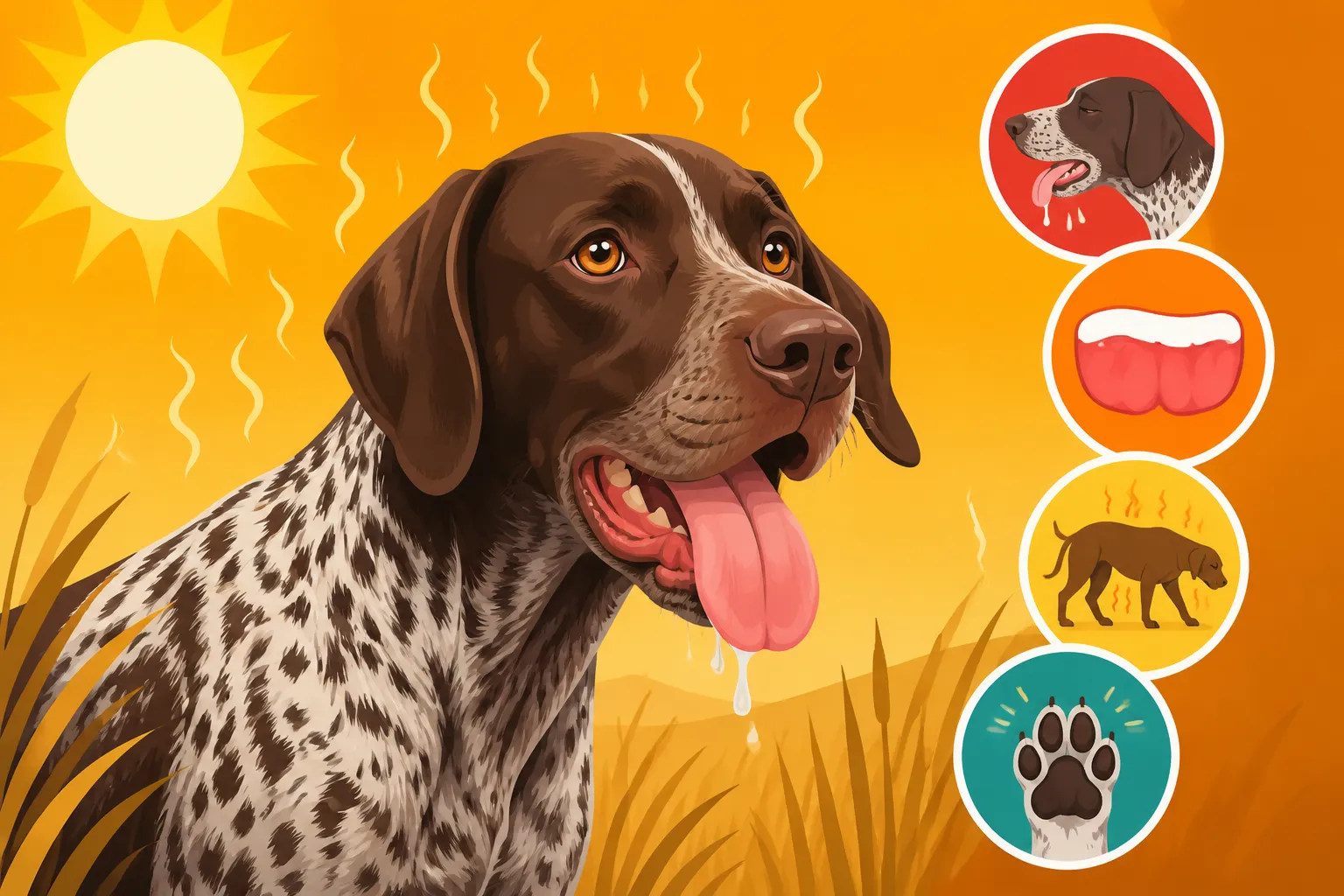
Signs a Shorthair Is Overheating in the Field
There’s nothing quite as heart-stopping as seeing your German Shorthaired Pointer, usually a tireless dynamo in the field, start to falter. The fear that rushes over you when you suspect your dog might be overheating isn't just a minor worry; it's a profound, urgent concern for their life. This comprehensive guide is here to walk you through the critical signs of overheating, from subtle early warnings to severe heatstroke, so you can recognize trouble quickly and act decisively to protect your beloved hunting companion.
Why German Shorthaired Pointers Are Prone to Overheating
It might seem counterintuitive to some, especially with their short, sleek coats, but German Shorthaired Pointers are, unfortunately, incredibly susceptible to overheating, particularly when they're doing what they love most: working in the field. Their very nature, combined with their physiology, creates a perfect storm for heat-related illnesses if we aren't careful. It’s not a flaw in the breed; it’s simply a characteristic that demands responsible management, especially from us, their devoted owners who know just how hard they’ll push themselves.
Their Drive and Determination
One of the most admirable traits of a GSP is their boundless energy and unwavering drive. They live to hunt, to retrieve, to please, and they often refuse to quit, even when their bodies are screaming for a break. This isn’t a dog that paces itself; it’s a dog that runs full-tilt until it can’t anymore. In their minds, every flush is a new adventure, every scent a puzzle to solve, and they’ll push through fatigue and discomfort to keep going. This incredible work ethic, while fantastic for performance, is also a huge liability in hot weather. A GSP won't tell you it's tired or hot; it will just keep going, often past the point of safety. We, as their handlers, have to be their brains and their self-preservation instinct in these moments. We need to be vigilant, almost hyper-aware, because they simply won't self-regulate in the face of an exciting bird scent.
Short Coat, But Not Invincible
While their short, dense coat is a huge advantage for shedding burrs and drying quickly after a water retrieve, it doesn't offer the cooling benefits some might assume. Unlike breeds with thick double coats that can insulate against both cold and heat, a GSP's single layer, while minimal, doesn't provide significant protection from the sun's direct rays. Furthermore, their dark liver or black markings can absorb heat, making them feel hotter faster. You might think, "Oh, they're fine, their coat is so short!" but that's a dangerous assumption. They can still absorb a tremendous amount of solar radiation, and unlike us, they don't sweat efficiently across their skin. Their primary way to cool down is panting, which becomes less effective in humid conditions. Think of it this way: their coat is built for function in varied conditions, but it's not a magical cooling system.
High Metabolism and Energy Output
German Shorthaired Pointers are true athletes. Their bodies are finely tuned machines, constantly burning calories to fuel their powerful muscles and keen senses. This high metabolism generates a lot of internal heat, even on a cool day. When you add the exertion of covering miles of ground, pushing through heavy cover, and executing explosive points and retrieves, their internal temperature can skyrocket rapidly. Imagine running a marathon in a fur coat – that's essentially what your GSP is doing, relying almost entirely on panting to dissipate that immense internal heat. Their incredible efficiency in the field also means they're very efficient at generating heat, which is a critical factor to remember when planning your hunts or even just a vigorous training session. This metabolic furnace is why even a dog in peak physical condition can succumb to heat quickly if conditions aren't managed properly.
Early Warning Signs of Overheating
Catching overheating early is absolutely crucial. A dog that's just a little bit too warm is a completely different scenario from a dog on the verge of heat stroke. If you can spot these initial signs, you can intervene before things get truly dangerous. It requires a keen eye and knowing your dog's normal behavior like the back of your hand. That split-second observation can literally save their life. This isn't about being paranoid; it's about being prepared and observant, a non-negotiable trait for any GSP owner who takes their dog into the field.
Behavioral Changes You Can't Miss
Your dog's demeanor is often the first thing that changes. Pay close attention to these subtle (and not-so-subtle) shifts:
- Excessive Panting or Labored Breathing: This is usually the earliest and most obvious sign. While panting is normal for a working dog, notice if it seems more frantic, shallow, or faster than usual, especially if it doesn't subside quickly during a break. It's their primary cooling mechanism, but if it's not effectively bringing their temperature down, they'll ramp it up. You might also notice a change in the sound – a raspy or harsher breath.
- Reduced Enthusiasm and Energy: Has your usually eager GSP started lagging behind? Is their tail no longer wagging with its usual vigor? Are they less interested in that bird scent that would normally have them vibrating with excitement? This sudden drop in drive, even if slight, is a massive red flag. A GSP that’s losing its zest for the hunt is telling you something is wrong. They might be slower to respond to commands or even ignore them, not out of disobedience, but out of sheer exhaustion.
- Seeking Shade or Water More Frequently: If your dog starts actively looking for shade, lying down more often, or making a beeline for any puddle or stream, they're trying to cool themselves down. This is their body's instinct kicking in, trying to self-regulate. Pay attention if they're not just taking a quick drink but really immersing themselves or standing in water. They're telling you they're too hot.
- Disorientation or Confusion: In slightly more advanced cases, you might notice your GSP looking a bit lost, perhaps bumping into things or not reacting to stimuli as sharply. Their focus might be completely off. This indicates that their brain is starting to be affected by the rising body temperature, and it's a critical sign to pull them immediately.
Physical Indicators to Watch For
Beyond behavior, your dog's physical appearance and condition will give you concrete clues.
- Bright Red Gums or Tongue: Normally, your GSP's gums should be a healthy pink. If they become very red, almost brick-red, it indicates increased blood flow as the body tries to dissipate heat. Similarly, a bright red tongue is a clear sign. As overheating progresses, these might even become pale or bluish (cyanotic), which is an emergency.
- Warm to the Touch: While a working dog will always feel warm, if your GSP feels excessively hot to the touch, especially on their belly, inner thighs, or ears, their core temperature is too high. This is where a quick hand check during a break can be very informative. Don't just rely on ambient temperature; feel your dog.
- Thick, Ropy Saliva: As a dog overheats, their saliva can become thicker and stickier. Instead of clear, foamy drool, you might see thick, stringy strands hanging from their mouth. This is a sign of dehydration and that their body's cooling system is becoming less effective. They're losing fluids rapidly through panting.
- Increased Heart Rate: While hard to measure accurately in the field without equipment, you might notice a very rapid, pounding pulse if you place your hand on their chest. Their breathing may also be very shallow and rapid. These are signs their cardiovascular system is working overtime to try and cool the body.
Subtle Shifts in Performance
It’s not just about obvious panting; it’s about how they’re performing. A dog that's usually lightning fast might just be a hair slower. A rock-solid point might be slightly shaky or broken sooner.
- Slowing Pace and Reduced Range: Your GSP might not be covering as much ground, or their typical wide casts are becoming shorter. They might be trying to conserve energy without even realizing it. You might find yourself having to wait for them more often, which is very unusual for the breed. How Long a Working German Shorthaired Pointer Stays Sound is a good read on maintaining performance, but a sudden dip needs immediate attention.
- Less Productive Hunting: Are they missing birds they’d normally find? Are they bumping birds more often instead of pointing staunchly? Their ability to process scent and focus can be impaired by rising body temperature. This isn’t a training issue; it’s a physiological one. If your normally brilliant bird dog seems to be having an "off" day for no apparent reason, consider heat.
- Reluctance to Retrieve: Retrieving, especially from water, requires a burst of energy. If your GSP is hesitant to go for a downed bird, or retrieves it slowly, they're telling you they don't have the energy reserves. This is particularly concerning because retrieving is often deeply ingrained in their drive. A GSP ignoring a retrieve is akin to a human runner refusing water at a marathon.
Advanced Stages of Heat Exhaustion and Heat Stroke
If the early warning signs are missed or ignored, a German Shorthaired Pointer can quickly progress from being merely hot to experiencing life-threatening heat exhaustion or heat stroke. This is a medical emergency that demands immediate, aggressive intervention. Time is of the essence, and every second counts. Knowing these signs means you can react appropriately and potentially save your dog's life.
Critical Physical Symptoms
When overheating reaches critical levels, the body's systems begin to shut down, and the physical signs become much more alarming.
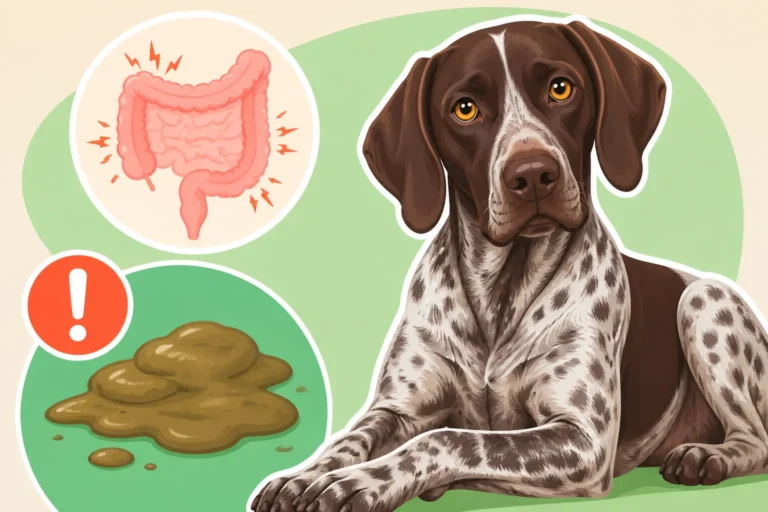
- Vomiting or Diarrhea: These are common and dangerous signs of severe heat stress. Vomiting, especially foamy or bile-tinged, indicates gastrointestinal distress. Diarrhea, which can sometimes be bloody, is even more serious, leading to rapid dehydration and shock. The body is literally trying to purge itself, but it’s a desperate and counterproductive measure.
- Wobbling, Stumbling, or Collapse: This is often the point of no return for field activity. If your GSP starts losing coordination, stumbling as they walk, or simply collapses, their muscles and nervous system are failing. They might appear drunk or disoriented. This means their core temperature has likely reached dangerous levels, affecting brain function and motor control. Heat Exhaustion in an Early Season Shorthair covers some scenarios leading to this.
- Bluish or Pale Gums: We talked about bright red gums earlier. If they become very pale, almost white, or worse, bluish (cyanotic), this indicates a severe lack of oxygen circulating in the blood, often due to shock. This is an immediate, dire emergency and requires professional veterinary attention right away.
- Elevated Body Temperature (Rectal): While you might not carry a thermometer in the field, if you do, a rectal temperature of 104°F (40°C) or higher is a red alert. Above 106°F (41°C), organ damage can occur very quickly. This is the definitive diagnostic sign of heatstroke.
Neurological Distress and Collapse
As the brain begins to suffer from extreme heat, neurological symptoms become pronounced and terrifying.
- Seizures: Uncontrolled muscle tremors or full-blown seizures are a terrifying sign that the brain is severely affected. This is a clear indicator of severe heat stroke and requires immediate veterinary care. Your dog is no longer just hot; they are in a life-threatening crisis.
- Unconsciousness or Coma: If your GSP becomes unresponsive, cannot be roused, or goes into a coma, it's the most severe manifestation of heatstroke. At this point, irreversible organ damage and brain injury are highly likely without rapid, aggressive medical intervention. This is a true race against time.
- Muscle Tremors or Twitching: Even before full seizures, you might notice involuntary muscle twitching or tremors. This suggests that the nervous system is compromised, and the body is struggling to regulate itself. These small twitches can escalate quickly.
Immediate Actions for Severe Cases
Knowing the signs is only half the battle; knowing what to do is the other. If you suspect heat stroke, act immediately.
- Stop All Activity and Get to Shade: The absolute first step is to get your dog out of the sun and stop any exertion.
- Apply Cool Water (Not Ice Cold): Wet your dog thoroughly with cool, not freezing cold, water. Focus on the head, neck, armpits, and groin. You can use a hose, bottles of water, or even a wet towel. Do not immerse them in ice water, as this can cause peripheral vasoconstriction, trapping heat in the core, and can induce shock.
- Offer Small Amounts of Water: If they are conscious and able to swallow, offer small sips of cool water. Do not force them to drink, especially if they are disoriented or vomiting, as they could aspirate.
- Fan Your Dog: Air movement helps evaporate the water and cool them down. Use anything available—a shirt, a hat, or a hand—to create a breeze.
- Seek Veterinary Care Immediately: Even if your dog seems to be recovering, heat stroke can cause internal damage that isn't immediately visible. Get them to the nearest veterinarian as fast as possible. Call ahead if you can, so they are ready the moment you arrive. This is not a "wait and see" situation.
Table: Signs of Overheating Progression
| Symptom | Early Warning (Heat Stress) | Advanced (Heat Exhaustion/Stroke) |
|---|---|---|
| Behavior | Excessive panting, lagging, seeking shade, reduced drive | Stumbling, disorientation, collapse, seizures, unconsciousness |
| Respiration | Fast, frantic panting, sometimes raspy | Labored, gasping, shallow, very rapid, struggling to breathe |
| Gums/Tongue | Bright red, dark pink | Pale, white, or bluish (cyanotic) |
| Saliva | Normal to slightly thicker | Thick, ropy, excessive drooling |
| Body Temperature | Very warm to touch, >103°F (Rectal) | Extremely hot, >104°F (Rectal) |
| Gastrointestinal | None or mild nausea | Vomiting (sometimes bloody), diarrhea (sometimes bloody) |
| Alertness | Still responsive, but subdued | Unresponsive, comatose |
Preventing Overheating in the Field
Preventing overheating is always better than treating it, especially with a breed as high-drive as the German Shorthaired Pointer. With their boundless energy, it’s up to us to manage their environment and physical output. Thinking ahead and having a plan can make all the difference between a successful, fun day afield and a trip to the emergency vet. It truly begins long before you even step foot in the truck.
Pre-Hunt Preparation and Conditioning
You can't just throw a GSP off the couch and expect them to handle a hot, strenuous hunt without risk. Just like any athlete, they need to be prepared.
- Proper Conditioning: Your dog needs to be in peak physical condition before the season starts, not just when the birds are flying. This means consistent, year-round exercise that gradually increases in intensity. A well-conditioned dog handles stress, including heat, far better than an out-of-shape one. Regular roading, swimming, and controlled field exercises are key. Read Conditioning a Shorthair Before Opening Day for more tips.
- Acclimatization to Heat: Don't ask your GSP to work hard on the first hot day of the year. Gradually introduce them to warmer conditions, starting with shorter sessions and slowly increasing duration. This allows their body to adapt and improve its natural cooling mechanisms. Early season hunts, especially in September, can be particularly risky if your dog hasn't had time to acclimate.
- Timing Your Hunts: Whenever possible, avoid hunting during the hottest parts of the day. Early mornings and late evenings are generally much cooler and safer. If you must hunt midday, plan for frequent, longer breaks in the shade. The Temperature a German Shorthaired Pointer Should Not Hunt In provides more specific guidance.
- Vet Check-ups: Ensure your GSP has had a recent vet check-up and is in good health. Underlying conditions, even subtle ones, can make a dog more susceptible to heatstroke. The Vet Schedule a Working Shorthair Should Keep is a good guideline.
Hydration and Rest Strategies During the Hunt
This is where your active management really comes into play. You are your dog's personal hydration and rest manager.
- Consistent Water Access: This cannot be stressed enough. Carry plenty of fresh water for your dog and offer it frequently. Don't wait for them to ask. A collapsible bowl, like those found on Amazon or Chewy, is essential. Offer water every 15-20 minutes, especially after a retrieve or a long point. For longer hunts, consider carrying a hydration pack that includes a hose for your dog.
- Electrolytes: In hot weather, just water might not be enough. Electrolyte supplements can help replace essential salts and minerals lost through excessive panting. Mix them into your dog's water, but always offer plain water as well. What Electrolytes Add to a Shorthair's Season gives more detail.
- Forced Breaks in the Shade: No matter how many birds are flying, you need to enforce breaks. Find a shady spot, get your dog to lie down, and give them water. Don't let them just stand there; make them rest. Even 10-15 minutes can make a huge difference. Use these breaks to do a quick visual check on their gums and overall demeanor.
- Cooling Techniques on Breaks: During breaks, you can use cool, wet towels on their neck, armpits, and groin. If there’s a stream or pond, let them wade or swim for a few minutes to cool down, but always supervise. Watering a German Shorthaired Pointer Through a Long Day emphasizes the importance of proper hydration.
Essential Gear and Tools for Hot Weather Hunting
Being properly equipped can literally be a lifesaver. Don't skimp on these critical items.
- First-Aid Kit with Cooling Supplies: Your field first-aid kit should include items specifically for cooling. Think instant cold packs (wrapped in cloth), extra water bottles, and even a small spray bottle to mist your dog.
- GPS Tracking Collars: While not directly for cooling, knowing exactly where your dog is at all times is vital. If they collapse out of sight, a GPS collar, like those often sold on Amazon, can help you locate them quickly.
- Cooling Vests or Bandanas: For particularly hot days or dogs prone to overheating, a cooling vest or bandana, pre-soaked in cool water, can provide evaporative cooling. While they won't prevent heatstroke on their own, they can help extend safe working times. Whether a Cooling Vest Helps a Shorthair in September explains their benefits.
- Insulated Water Jugs and Collapsible Bowls: Invest in good quality, insulated water jugs to keep water cool throughout the day. A reliable collapsible bowl is also a must-have for easy access in the field. You can find many options on Chewy or Amazon.
- Knowledge of Emergency Vet Locations: Before you head out, especially if you're hunting in an unfamiliar area, know where the nearest emergency veterinary clinic is. Have their number programmed into your phone and know the fastest route. This preparation can shave precious minutes off your response time in an emergency.
Remember, your German Shorthaired Pointer is a magnificent, tireless partner, but they rely on you for their safety and well-being. By understanding the risks of overheating, recognizing the signs early, and taking proactive preventive measures, you can ensure many more safe and successful days together in the field.
Disclaimer
This article is for general informational purposes only and does not constitute professional advice. Laws, prices and regulations vary by location and change over time. Consult a qualified professional for guidance on your specific situation.