Whether a Shorthair Can Be Too Lean
It’s a common sight for German Shorthaired Pointer owners, especially those new to the breed, to look at their active, sinewy dog and wonder, "Is my Shorthair too lean?" These dogs are naturally athletic, built for endurance and speed, but there's a fine line between a healthy, fit physique and being genuinely underweight, which can have serious implications for their health and performance. This guide will help you understand the nuances of a German Shorthaired Pointer's ideal body condition, recognize the signs of being too lean, and explore the reasons behind it, so you can ensure your beloved companion is thriving.
Understanding the German Shorthaired Pointer's Natural Build
When you first bring home a German Shorthaired Pointer, or even just observe them at a dog park, you'll quickly notice they aren't built like a lumbering mastiff or a plush retriever. They are finely tuned athletes, and their physique reflects centuries of selective breeding for a specific purpose: a versatile hunting dog that can point, retrieve, and track across varied terrain for hours on end. This athletic heritage dictates a certain body type that often looks "lean" compared to many other breeds.
The Ideal Athletic Physique: What "Lean" Should Look Like
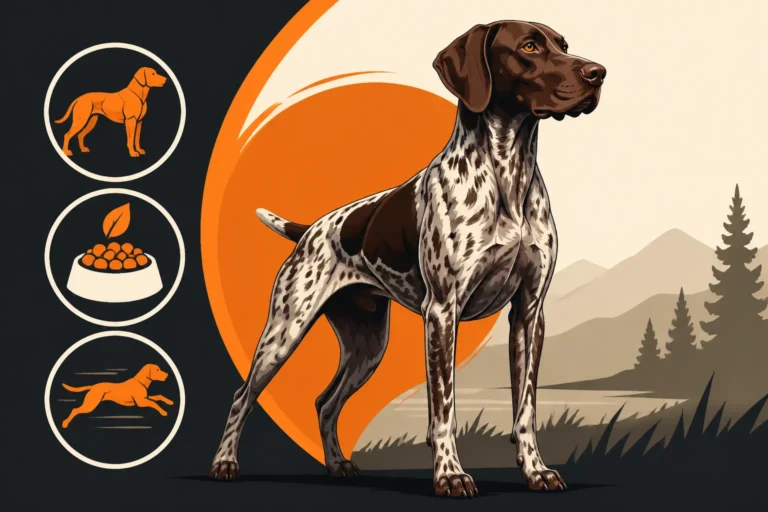
A healthy German Shorthaired Pointer should possess a body that clearly speaks of power, agility, and stamina. This means they are inherently lean, not bulky. You should be able to easily feel their ribs beneath a thin layer of muscle, but they shouldn't protrude sharply or be visible from a distance without any effort. Think of a marathon runner or a professional swimmer – powerful but without excess fat.
Their waist should be distinctly tucked up when viewed from the side, creating an elegant arch from the ribcage to the hindquarters. From above, you should see an hourglass figure, where the waist is narrower than the hips and chest. This gives them the aerodynamic shape needed for covering ground quickly. You’ll also notice well-defined musculature, especially over their powerful hindquarters and shoulders, which are essential for their explosive drives and sustained running. Many owners ask, Whether You Should See a German Shorthaired Pointer's Ribs, and the answer is usually yes, to a certain degree.
A common misconception is that a dog needs to be "cushy" to be healthy. For a German Shorthaired Pointer, being overly padded with fat hinders their natural athleticism, puts strain on their joints, and can lead to a host of health problems down the line. A fit Shorthair moves with fluid grace, and any excess weight would impede that. It's about efficiency and performance, ingrained in their DNA.
The Metabolism of a High-Energy Breed
German Shorthaired Pointers are metabolic powerhouses. Their engines are always running, even when they appear to be relaxing. This breed was developed to work hard, and that work ethic comes with a truly impressive metabolic rate. They burn through calories at an astonishing speed, much faster than many other breeds. This high metabolism is a significant factor in their naturally lean build.
During an active hunting season, or even just regular, vigorous daily exercise, their caloric needs can skyrocket. A Shorthair running through fields, plunging into icy water for retrieves, and covering miles in search of game will burn an immense amount of energy. If their diet doesn't keep pace with this energy expenditure, they will naturally become leaner, sometimes crossing the line into being underweight. It's a constant balancing act between activity and fuel, and it's something every GSP owner needs to monitor closely.
This unique metabolic profile means that what might be an appropriate amount of food for a less active breed could be woefully inadequate for a German Shorthaired Pointer. Their bodies are constantly converting food into energy, and without a steady, rich supply, they simply don't have the reserves they need to maintain optimal weight, muscle mass, and overall health. Understanding this innate drive to burn fuel is key to proper nutrition and care.
Signs Your German Shorthaired Pointer Might Be Too Lean
While a German Shorthaired Pointer is meant to be lean, there’s a distinct difference between a healthy, athletic leanness and an unhealthy, worrisome thinness. Knowing how to tell the difference is crucial for their well-being. It's not just about a quick glance; it requires a more thorough assessment of their physical condition and behavior.
Beyond Just Seeing Ribs: Visual Cues of Underweight
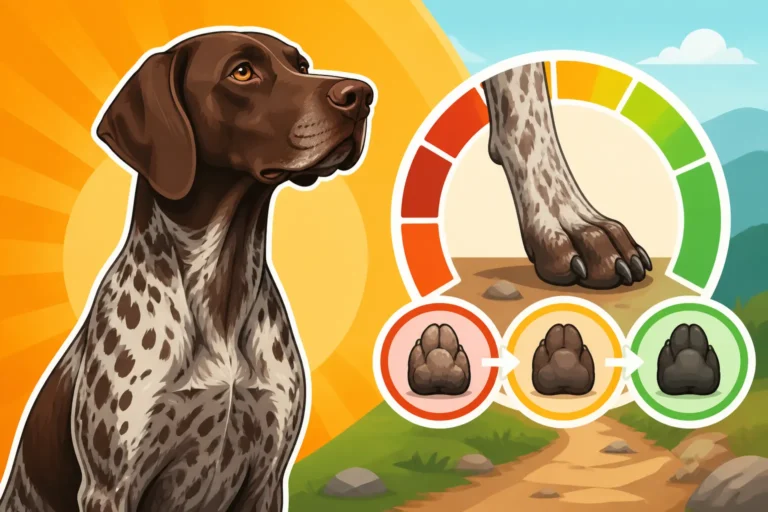
When a German Shorthaired Pointer is truly too lean, you’ll notice more than just visible ribs. The problem becomes evident in how those ribs appear: they might be sharply prominent, almost jutting out, rather than simply being easily felt. Beyond the ribs, other bony structures will become much more noticeable. You'll likely see their hip bones protruding clearly, often with a stark angle. Similarly, the vertebrae along their spine will be individually discernible, creating a "washboard" effect down their back, rather than a smooth, muscular top line. The shoulders and even the bones around their tail base can also become alarmingly prominent.
Another tell-tale sign of being underweight is a noticeable loss of muscle mass, particularly over their hindquarters and shoulders. These are the power zones for a German Shorthaired Pointer, and if they start to look flat or hollowed out, it's a red flag. Their overall body shape will appear more angular and bony, lacking the graceful curves that healthy muscle provides. You might also observe that their coat looks dull or sparse, which can sometimes be a secondary indicator of inadequate nutrition, even if it's not the primary symptom. Taking stock of The Body Condition a Field Shorthair Should Carry is a fantastic tool to help you objectively assess your dog.
Behavioral and Health Indicators
Beyond the visual cues, an underweight German Shorthaired Pointer will often exhibit changes in their behavior and overall health. One of the most common signs is a noticeable drop in energy levels or stamina. While a fit Shorthair is an endless fount of enthusiasm, an underweight one might tire quickly, be less keen to run or play, or simply seem lethargic. Their typical boundless zest for life might diminish, which is incredibly out of character for the breed. If your dog, who usually wants to run for miles, suddenly seems hesitant on walks or shortens their hunting days, it's worth investigating.
Their coat quality can decline, appearing dry, brittle, or shedding excessively, even outside of normal shedding seasons. Their skin might also seem drier or less supple. Another often overlooked sign is an increased susceptibility to cold. With less body fat to insulate them, they might shiver more easily, seek out warmer spots, or just seem generally uncomfortable in cooler temperatures. In more severe cases, an underweight Shorthair might show signs of a weakened immune system, leading to more frequent infections or slower recovery from minor ailments. Digestive issues, such as chronic loose stools or a lack of appetite (despite being underweight), can also be indicators that something isn't right.
Factors Contributing to Being Underweight
Identifying that your German Shorthaired Pointer is too lean is just the first step. The next crucial phase is to understand why they might be struggling to maintain a healthy weight. Several factors, ranging from dietary issues to underlying health problems, can contribute to a Shorthair becoming underweight.
Insufficient Caloric Intake for Activity Level
This is, by far, one of the most common reasons a German Shorthaired Pointer becomes too lean. As we discussed, these dogs are athletes with extremely high metabolisms. If their food intake doesn't match their energy output, they will simply burn through their reserves and lose weight. Many owners, especially those new to the breed, underestimate the sheer volume of calories a working Shorthair truly needs. A dog that spends hours a day training, running, or hunting requires significantly more fuel than a couch potato, even if that couch potato is the same breed.
During intense periods, like hunting season or consistent field training, their caloric demands can soar. What might be an adequate portion size in the off-season could be a severe deficit when they are working hard. It's not uncommon for a German Shorthaired Pointer to lose several pounds over a rigorous hunting week if their diet isn't carefully calibrated. Checking Calorie Needs of a German Shorthaired Pointer in Season is a great resource. You might need to feed a high-performance dog food, which is often richer in fat and protein, to provide the necessary energy density. Many excellent brands are available through retailers like Chewy or Amazon, offering options specifically formulated for active dogs. These formulas pack more punch in each kibble, reducing the sheer volume of food you need to feed while ensuring they get all the necessary nutrients.
Even for Shorthairs that aren't actively hunting, consistent daily exercise like long runs, bikejoring, or vigorous play sessions can easily put them in a caloric deficit if their food isn't adjusted. It’s essential to regularly assess their body condition and adjust their food portions accordingly, rather than sticking to a fixed amount on the bag label, which is often just a guideline.
Health Issues and Underlying Conditions
Sometimes, despite adequate feeding, a German Shorthaired Pointer just can't seem to gain or maintain weight. In these cases, it's critical to consider underlying health conditions. One of the simplest culprits can be internal parasites, like worms. These unwelcome guests steal nutrients from your dog, making it impossible for them to absorb enough calories to thrive. Regular deworming, as advised by your vet, is a foundational part of preventative care.
Dental problems can also play a role. If your Shorthair has painful teeth or gums, it might become reluctant to eat, especially hard kibble. Even slight discomfort can lead to a reduced appetite over time. More serious issues can include malabsorption disorders, where the intestines aren't properly absorbing nutrients from food. This could be due to inflammatory bowel disease, exocrine pancreatic insufficiency, or other gastrointestinal conditions. Thyroid Failure in a Middle Aged German Shorthaired Pointer is another possibility, as hypothyroidism, while usually leading to weight gain, can sometimes present atypically or with other complex symptoms that affect appetite and nutrient utilization. Metabolic diseases or even certain types of cancer, which unfortunately The Cancers That Turn Up Most in German Shorthaired Pointers more frequently than in some other breeds, can also cause significant weight loss. This is why a thorough veterinary check-up is absolutely essential if your dog is underweight and you can't readily identify the cause.
Stress and Environmental Factors
It's easy to overlook the impact of psychological and environmental stress on a dog's weight, but for sensitive and intelligent breeds like the German Shorthaired Pointer, these factors can be significant. Chronic stress or anxiety can lead to a decreased appetite and an increase in metabolic rate as their body is constantly on high alert. A Shorthair suffering from separation anxiety, for example, might be too stressed to eat when left alone, or might pace excessively, burning calories.
Environmental conditions can also contribute. Living in a consistently cold environment without adequate shelter or bedding means a dog has to burn more calories just to stay warm. Conversely, extreme heat can suppress appetite and lead to dehydration, further impacting weight. If a dog is in a high-stress kennel environment, or constantly competing with other dogs for food, these social dynamics can also lead to under-eating. Ensuring a calm, secure, and predictable environment is just as important as the food in their bowl when it comes to maintaining a healthy weight. Even travel or changes in routine can temporarily affect a Shorthair's eating habits, highlighting their sensitive nature.
Strategies for Healthy Weight Gain
If you've determined that your German Shorthaired Pointer is indeed too lean, don't despair! With a thoughtful approach and partnership with your veterinarian, you can help them achieve a healthy weight. It's about more than just piling on extra food; it's about a holistic strategy that addresses nutrition, health, and lifestyle.
Adjusting Diet for Performance and Health
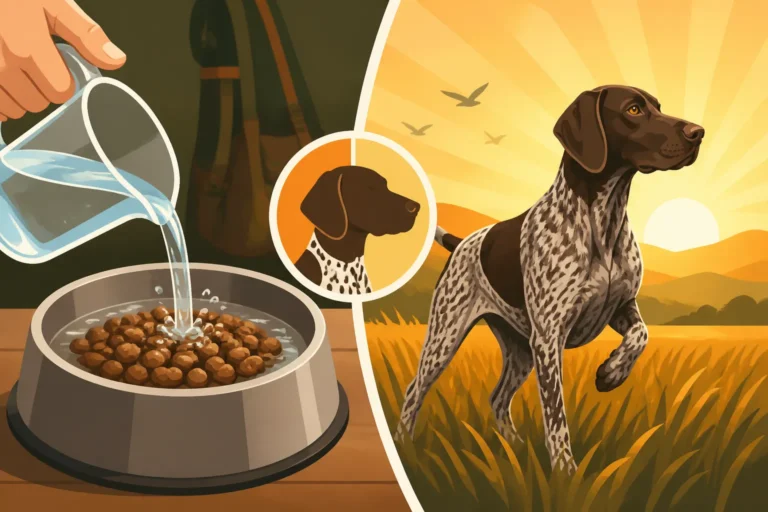
The first and most direct step is to re-evaluate your Shorthair's diet. This breed requires a high-quality, calorie-dense food, especially if they are active. Look for performance-oriented kibbles that boast higher protein and fat percentages. These are designed to fuel working dogs and can be found at pet supply stores or online retailers like Chewy and Amazon. It's often recommended to increase both the frequency and portion sizes of meals. Instead of two large meals, consider three smaller meals spread throughout the day to aid digestion and nutrient absorption. Remember that The Daily Ration a Working Shorthair Actually Eats can be much more than you expect.
Some owners also find success with incorporating wet food, raw diets, or fresh food options. Services like Ollie deliver freshly prepared meals that can be very palatable and nutrient-rich, often encouraging dogs who are picky eaters or those needing to put on weight. If you're considering a change in diet, introduce new foods gradually over several days to avoid digestive upset. High-quality protein sources are crucial for muscle mass, so ensuring their food has excellent animal-based protein is key. You might also want to explore Whether a Shorthair Needs a High Fat Diet in Season to ensure they are getting enough energy, particularly if they are actively hunting or training. Additionally, some nutritional supplements, like fish oil for healthy fats and coat condition, or probiotics for gut health, can be beneficial, but always consult your vet before adding supplements.
Regular Vet Check-ups and Parasite Control
Before making significant dietary changes, it is absolutely paramount to rule out any underlying medical conditions causing the weight loss. Schedule a comprehensive check-up with your veterinarian. They can perform blood tests, fecal exams, and other diagnostics to identify issues like parasites, thyroid imbalances, malabsorption disorders, or other systemic diseases. A vet can also provide a professional assessment of your dog's body condition score, giving you an objective baseline.
If parasites are an issue, your vet will prescribe appropriate deworming treatments. Regular parasite prevention, including flea and tick control, is an ongoing part of a healthy lifestyle for active dogs like German Shorthaired Pointers, as these can also contribute to overall poor health and nutrient drain. If a more serious condition is diagnosed, your vet will develop a tailored treatment plan, which might include specific medications, prescription diets, or other interventions. Addressing the root cause is the most effective way to ensure healthy and sustainable weight gain.
Monitoring and Consistent Routine
Once you begin implementing dietary adjustments and any necessary medical treatments, consistent monitoring is key. Don't just guess; weigh your dog regularly, perhaps weekly or bi-weekly, and keep a log. This helps you track progress and make further adjustments as needed. Many vets use a Body Condition Score (BCS) chart, which is a standardized way to assess a dog's fat reserves and muscle mass. Familiarize yourself with this chart (often a scale of 1 to 9) and aim for a healthy score, typically around 4-5 for an active GSP.
| Body Condition Score | Description | What it Means for Your GSP |
|---|---|---|
| 1: Emaciated | Ribs, lumbar vertebrae, pelvic bones, and all bony prominences evident from a distance. No discernible body fat. Obvious loss of muscle mass. | This is dangerously underweight. Immediate veterinary intervention and a careful refeeding plan are critical. Performance and health are severely compromised. |
| 2: Very Thin | Ribs, lumbar vertebrae, and pelvic bones easily visible. No palpable fat. Some visual loss of muscle mass. | Still severely underweight. Ribs, hips, and spine are too prominent. Needs urgent dietary adjustment and veterinary assessment to rule out disease. |
| 3: Thin | Ribs easily palpable and may be visible with no palpable fat. Top of lumbar vertebrae visible. Pelvic bones becoming prominent. Obvious waist and abdominal tuck. | This is often where a German Shorthaired Pointer might be considered "too lean." Ribs and hips are too distinct. Energy levels might be affected. Time to increase calories and consult a vet. |
| 4: Underweight | Ribs easily palpable, with minimal fat covering. Waist easily noted when viewed from above. Abdominal tuck evident. | A working Shorthair might hover here at the peak of hunting season, but ideally should gain a little to be in the "ideal" range. Still, a good time to slightly increase food intake. |
| 5: Ideal | Ribs palpable without excess fat covering. Waist observed behind ribs when viewed from above. Abdominal tuck evident. | This is the goal for most healthy German Shorthaired Pointers. You can feel the ribs but they don't protrude. Musculature is defined. This allows for optimal performance and reduces joint strain. |
| 6: Overweight | Ribs palpable with slight excess fat covering. Waist discernible but not prominent. Abdominal tuck still present. | Beginning to carry too much weight for a German Shorthaired Pointer. Performance may start to decline, and joint health could be at risk. Needs dietary adjustment. |
| 7: Heavy | Ribs palpable with difficulty; heavy fat cover. Waist absent or barely visible. Abdominal tuck may be absent. Obvious rounding of abdomen. | Significantly overweight. This is detrimental to a Shorthair's health and athleticism. Weight loss plan, including diet and exercise modification, is essential. |
| 8: Obese | Ribs not palpable under very heavy fat cover. Abdomen distended. No waist or abdominal tuck. Extensive fat deposits over lumbar area and base of tail. | Severely obese. High risk for numerous health issues (diabetes, joint disease, heart problems). Requires strict veterinary-supervised weight loss. |
| 9: Grossly Obese | Massive fat deposits throughout. Ribs and bony prominences completely obscured. Abdomen pendulous. | Life-threatening obesity. Immediate and aggressive veterinary intervention and weight loss program required. |
Beyond diet, maintaining a consistent routine for feeding, exercise, and rest can significantly reduce stress and help your dog feel secure, which can positively impact their appetite and metabolism. Also, remember to keep them well-hydrated, especially if increasing dry food intake or activity levels. Weighing a German Shorthaired Pointer Through the Season and knowing how many pounds of food a sixty pound Shorthair eats can help you make informed decisions.
Getting your German Shorthaired Pointer to a healthy weight is a marathon, not a sprint. It takes patience, consistency, and a close eye on both their plate and their physique. With the right approach, your lean Shorthair will soon be back to their optimal, powerful self, ready for whatever adventure you embark on together.
Disclaimer
This article is for general informational purposes only and does not constitute professional advice. Laws, prices and regulations vary by location and change over time. Consult a qualified professional for guidance on your specific situation.