Whether a Shorthair Needs Its Teeth Scaled Each Year
It's a common worry for German Shorthaired Pointer owners, isn't it? You look at those strong jaws, the way they crunch kibble, and wonder if what you're doing at home is enough to keep their pearly whites healthy. The question of whether a shorthair needs its teeth professionally scaled every single year can weigh heavily, especially with the costs and the thought of anesthesia. This guide is here to untangle that knot of concern, helping you understand dental health in your GSP and make informed decisions about their care, so their mouth stays healthy and ready for anything.
Understanding Dental Disease in German Shorthaired Pointers
Dental disease isn't just about bad breath; it's a genuine health concern that can quietly undermine your German Shorthaired Pointer's overall well-being. These active, driven dogs often mask discomfort, making it even harder for us to spot issues before they become serious. Understanding the progression of dental problems is the first step in keeping your Shorthair happy and healthy for the long haul.
The Silent Threat: How Plaque and Tartar Build Up
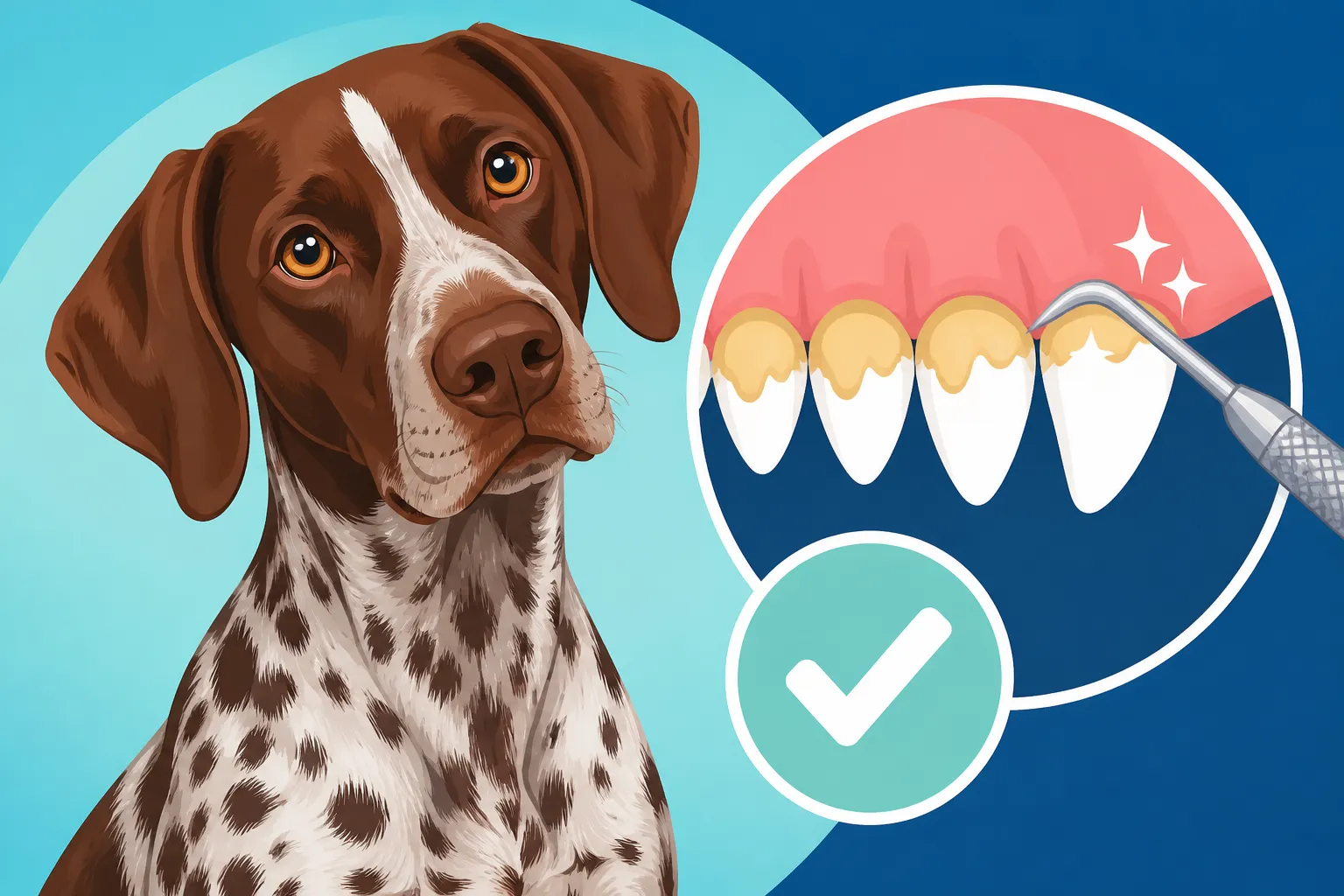
It all starts with something simple: plaque. Every time your German Shorthaired Pointer eats, a sticky film of food particles, saliva, and bacteria begins to form on their teeth. This is plaque. If left undisturbed, this soft plaque hardens into tartar, a calcified, rough deposit that adheres firmly to the tooth surface, both above and below the gum line. Think of it like hard water stains in your sink – once it’s there, it’s much harder to scrub away.
Once tartar forms, it creates an ideal rough surface for more bacteria to cling to and multiply. This accumulation of bacteria irritates the gums, leading to gingivitis, which is essentially inflammation of the gums. You might notice redness, swelling, or even a little bleeding along the gum line when your dog chews on something hard. It’s often subtle, and with a GSP’s busy life, it’s easy to overlook these early warning signs. Many owners might not even think to lift their dog’s lips for a regular inspection, assuming their active dog is fine.
As gingivitis progresses, the bacteria and inflammation start to attack the supporting structures of the teeth. This is where periodontal disease truly begins. The gums recede, creating pockets where even more bacteria can thrive, and the infection begins to erode the bone and ligaments that hold the teeth in place. This process is insidious because it often doesn't cause obvious pain until it's quite advanced. Your GSP, being a stoic breed, might just keep running, retrieving, and pointing, suffering in silence. That's why being proactive about their dental health is so crucial.
Signs Your Shorthair Might Need Dental Attention
Spotting dental issues in a German Shorthaired Pointer can be tricky. They're such resilient dogs, always eager to please and push through discomfort. However, there are some tell-tale signs that your Shorthair might be suffering from dental pain or advanced disease, even if they aren't explicitly showing it. The most common and often first thing owners notice is truly foul breath. It’s not just "dog breath"; it's a distinctly unpleasant odor caused by the rampant bacteria in their mouth. If you recoil when your Shorthair gives you a happy greeting, it’s time to investigate their mouth.
Beyond the smell, observe their eating habits. While a Shorthair is usually a voracious eater, a dog with significant dental pain might start to approach their food bowl with hesitation. They might drop kibble, chew on one side of their mouth, or prefer softer foods. Sometimes, you might notice them pawing at their mouth or rubbing their face along the carpet or furniture more frequently. This isn't just an itch; it could be an attempt to alleviate deep-seated pain. If your dog, who typically loves to chew on tough toys, suddenly loses interest or whines when they try, it's a huge red flag.
Visually, you can check their gums and teeth. Lift their lips and look at the gum line. Are the gums red, swollen, or bleeding easily? Do you see brown or yellow Tartar on a German Shorthaired Pointer's Molars or other teeth? While a little tartar build-up is common, heavy deposits, especially those near the gum line, indicate a problem. Loose or missing teeth, swelling around the muzzle, or even discharge from the nose or eyes can all be signs of advanced dental disease where infection has spread. Remember, your GSP's enthusiasm can mask a lot, so a thorough, regular inspection by you is invaluable.
The Risks of Untreated Dental Issues
Ignoring your German Shorthaired Pointer's dental health isn't just about bad breath; it's about risking their entire systemic health. When bacteria from the mouth are constantly infecting the gum tissue, they don't stay confined to the mouth. These bacteria can enter the bloodstream through the inflamed gums and travel to major organs, including the heart, kidneys, and liver. This phenomenon, known as systemic infection, can lead to serious conditions like endocarditis (inflammation of the heart lining), kidney failure, or liver damage over time. It's a silent killer that many owners don't realize stems from their dog's mouth.
Beyond the systemic risks, the localized pain and destruction in the mouth itself can be debilitating. Untreated periodontal disease leads to chronic pain, which can impact your Shorthair's quality of life. Imagine trying to eat or play fetch with a throbbing toothache every day. This pain can lead to changes in behavior, including irritability, reluctance to play, or even aggression if they're touched near their face. The continued erosion of bone can also lead to pathological jaw fractures, especially in the lower jaw, which becomes incredibly fragile.
Furthermore, infections can create oral-nasal fistulas, which are holes that connect the mouth to the nasal passages, leading to chronic sneezing and nasal discharge. For a German Shorthaired Pointer, an active dog bred for endurance and work, dental pain can severely limit their ability to do what they love. A dog in pain simply cannot perform at its best in the field or enjoy a long hike with the family. The health of their mouth is intrinsically linked to their overall well-being and their ability to live a full, happy, and active life.
The Truth About Annual Dental Scaling for German Shorthaired Pointers
The idea of "annual dental scaling" can be a bit misleading because, just like with people, not every dog needs a professional cleaning every single year. The actual frequency really depends on your individual German Shorthaired Pointer, their genetics, diet, and perhaps most importantly, your home care routine. It's less about a strict calendar date and more about their current oral health status.
When is Professional Scaling Necessary?
So, how do you know if your German Shorthaired Pointer truly needs professional scaling this year? It really comes down to a thorough assessment by your veterinarian. During your Shorthair's annual wellness exam, your vet will perform a basic oral examination while your dog is awake. They'll lift the lips, check for obvious tartar buildup, gum inflammation, and any broken or loose teeth. They'll look for signs of Dental Disease in a Middle Aged German Shorthaired Pointer, paying close attention to those molars at the back. This initial assessment gives them a good idea of your dog's general oral health.
However, a truly comprehensive assessment, which is vital for deciding if scaling is necessary, can only be done under anesthesia. This is because significant dental disease often lurks below the gum line, hidden from plain sight. Under anesthesia, your vet can meticulously probe around each tooth, take dental X-rays to assess bone loss and root integrity, and identify painful or infected teeth that would otherwise be missed. This is where they can pinpoint specific issues like deep periodontal pockets or abscesses that require more than just a surface cleaning.
The actual scaling procedure involves removing plaque and tartar both above and below the gum line using ultrasonic and hand scalers. This is followed by polishing the teeth to smooth the enamel, making it harder for new plaque to adhere. If severe disease is present, extractions might be necessary. This is why the "yearly" question is answered on a case-by-case basis; some GSPs might have excellent home care and genetics and only need a cleaning every few years, while others might require more frequent intervention due to faster tartar accumulation or specific health issues. Owners often worry about Anesthesia Risk in a Lean German Shorthaired Pointer, but modern veterinary anesthesia protocols are very safe, with extensive monitoring to protect your athletic companion.
The Role of Regular Veterinary Check-ups
Regular veterinary check-ups are absolutely non-negotiable for maintaining your German Shorthaired Pointer's dental health, regardless of whether they need an annual scaling. These appointments aren't just for vaccinations or general health; they're your vet's opportunity to get a professional eye on your Shorthair's mouth. During their yearly physical exam, your veterinarian will always include an oral assessment. They'll be looking for subtle changes that you, as an owner, might miss, partly because they know what to look for and partly because your Shorthair might be a bit more cooperative for the vet than they are for your home inspections!
During these check-ups, your vet can identify early signs of gingivitis, assess the amount of plaque and tartar buildup, and check for any broken or worn teeth, which can be common in active hunting breeds like GSPs who love to retrieve or chew. They'll examine the gums for redness, swelling, or recession, and might even be able to spot areas where infection is brewing, even if your dog isn't showing obvious signs of pain. This regular professional oversight is crucial because it allows for early intervention, potentially delaying or reducing the need for extensive dental work down the line.
It's also your opportunity to have an open conversation with your vet about your Shorthair's dental health. You can discuss your home care routine, any observations you've made, and ask specific questions about their oral hygiene. Your vet can provide tailored recommendations, suggest specific dental products, or explain why a professional cleaning might be warranted. They can explain what a German Shorthaired Pointer's dental cleaning runs to and help you understand the value it brings to your dog's health. Think of it as a partnership: your consistent home care combined with your vet's professional expertise creates the strongest defense against dental disease.
Alternatives and How They Fit In
While professional scaling is sometimes unavoidable, there are definitely things you can do at home to keep your German Shorthaired Pointer’s teeth healthier and potentially reduce the frequency of needing full dental procedures. These alternatives are primarily preventative measures, aiming to slow down plaque and tartar buildup. The gold standard for home dental care is daily tooth brushing. Yes, it sounds daunting, especially with a high-energy GSP, but even a few minutes a day can make a monumental difference. We'll delve into how to do that shortly.
Beyond brushing, a variety of dental chews and treats are on the market. When choosing these, it's really important to look for products with the Veterinary Oral Health Council (VOHC) seal of acceptance. This means they have been scientifically proven to reduce plaque and/or tartar. Many brands, easily found on platforms like Chewy or Amazon, offer these specialized chews. However, it's crucial to select chews that are appropriate for your dog's size and chewing style. Some aggressive chewers can break off pieces or even risk tooth fractures if the chews are too hard; we've all heard stories about Whether a Shorthair Cracks Teeth on Bones from unsuitable chews.
Another option is water additives, which contain ingredients that help reduce bacteria in the mouth or prevent plaque from adhering to teeth. While not as effective as brushing, they can be a helpful supplement, especially for dogs who absolutely refuse to have their teeth brushed. Certain diets are also formulated specifically for dental health, featuring kibble designed to scrub teeth as the dog chews. Some owners also explore fresh food diets, like those offered by Ollie, believing they can contribute to better overall health, though their direct impact on tartar reduction may vary compared to mechanical cleaning. It's all about finding a multi-faceted approach that works for you and your industrious GSP.
Proactive Dental Care for Your German Shorthaired Pointer
Taking a proactive stance on your German Shorthaired Pointer's dental health can save you and your dog a lot of heartache and expense down the road. It means making dental care a regular part of their routine, not just something you think about when bad breath hits.
Establishing a Home Dental Care Routine
The single most effective thing you can do at home for your German Shorthaired Pointer's teeth is regular brushing. Yes, I know, the idea of getting a toothbrush into a GSP's mouth might sound like a wrestling match, but with patience and positive reinforcement, it's absolutely achievable. The goal is to brush daily, or at least several times a week, focusing on the outside surfaces of their teeth, especially the molars, where tartar tends to accumulate most.
Start slow and make it a positive experience. Begin by simply rubbing your finger along their gums, then introduce a tiny bit of canine toothpaste (never human toothpaste, as it contains ingredients toxic to dogs). Let them lick it off your finger, praising them enthusiastically. Gradually introduce a finger brush or a soft-bristled dog toothbrush. At first, just brush one or two teeth for a few seconds, then praise and reward generously with a favorite treat or a quick game of tug. Over several days or weeks, slowly increase the number of teeth brushed and the duration. Remember, this isn't about deep cleaning, but disrupting that plaque before it hardens. You can find specialized canine toothbrushes and toothpastes at most pet supply stores or online through retailers like Chewy or Amazon. Consistency is key, even when your GSP has Daily Tooth Care for a Shorthair That Carries Birds on the brain!
Many GSP owners find that making it a routine part of their daily interactions helps. Perhaps after their evening walk, while they're winding down, or before a meal. It doesn't have to be a major production; even a minute or two can make a significant difference in preventing plaque from hardening into stubborn tartar. Your GSP may be an energetic dynamo, but they're also smart and eager to please, and they'll quickly associate this routine with positive rewards.
Dental Chews, Toys, and Diet Considerations
Beyond brushing, dental chews and toys can be valuable allies in your quest for a healthier mouth for your German Shorthaired Pointer, but they need to be chosen wisely. Not all dental chews are created equal. As mentioned, look for products with the VOHC seal; this means they’ve met specific standards for reducing plaque or tartar. These chews typically have a texture and shape designed to scrape teeth as your dog chews, or they contain ingredients that chemically reduce plaque. You can find a vast selection on Chewy or Amazon, often with customer reviews that can help guide your choice.
Be mindful of the hardness of the chews you offer. While a good chew can help clean teeth, anything too hard – such as real bones, antlers, or extremely dense synthetic chews – can actually damage your Shorthair's teeth, leading to fractures. A broken tooth is incredibly painful and often requires an expensive extraction. A good rule of thumb is that if you can't indent it with your thumbnail, or if it feels too hard to break with a hammer, it's too hard for your dog's teeth. Stick to chews that are somewhat pliable or designed to break down safely.
Diet also plays a role. While some believe raw feeding naturally cleans teeth, scientific evidence supporting this for plaque and tartar removal is often anecdotal. Some specialized dental kibbles are specifically designed with larger, fibrous kibble to mechanically scrape teeth as your dog crunches. Water additives, easily purchased from Amazon or Chewy, can also be a helpful supplement, though they won't replace brushing. Some fresh food services, like Ollie, focus on overall nutritional health which can support a healthier immune system, but for direct dental cleaning, mechanical action or specific dental ingredients are usually needed. Consider what your GSP actually eats when evaluating their overall dental care plan.
Monitoring and Early Intervention
You're their advocate, their best line of defense. Between vet visits, it’s up to you to be the primary monitor of your German Shorthaired Pointer's oral health. Aim to do a quick visual check of your Shorthair's mouth once a week. Lift their lips, look at the gum line, and get familiar with what healthy gums and teeth look like for your dog. Are the gums pink and firm, or are they red, swollen, or bleeding? Do you see any new brown or yellow buildup? Are there any broken or discolored teeth that weren’t there before? Do they seem reluctant to let you touch their mouth?
Catching issues early can make a huge difference. If you notice persistent bad breath, redness along the gum line, increased tartar, or any changes in your Shorthair's chewing habits, don't wait until the next annual check-up. These are signals that it's time to call your veterinarian. Early intervention can prevent minor issues from becoming major, painful, and expensive problems. For example, a small area of gingivitis might be reversed with increased home care, but if left to fester, it could quickly progress to severe periodontal disease requiring extractions.
Remember, German Shorthaired Pointers are stoic. They're bred to work through discomfort. What might be a slight inconvenience to them could be a sign of significant pain in a less driven dog. Trust your gut. If something seems off, even subtly, reach out to your vet. They can provide guidance, recommend specific products from places like Chewy or Amazon, or advise if a full dental examination under anesthesia is warranted. Being vigilant about their mouth now ensures more healthy, happy years with your beloved hunting companion.
Here’s a quick overview of home care vs. professional cleaning:
| Feature | Home Dental Care | Professional Dental Cleaning (Anesthetized) |
|---|---|---|
| Primary Goal | Preventative; reduce plaque buildup, maintain health | Treat existing disease; remove tartar, address infections |
| Method | Brushing, dental chews, water additives, special diets | Ultrasonic scaling, hand scaling, polishing, dental X-rays, extractions |
| Frequency | Daily to several times weekly | As needed (varies: 1-3+ years); based on vet assessment |
| Consciousness | Awake, cooperative dog | Anesthetized |
| Cost | Low (toothpaste, brushes, chews) | Moderate to High (vet fees, anesthesia, X-rays, extractions) |
| Effectiveness | Excellent for preventing new buildup | Essential for removing established tartar/treating disease |
| Key Benefit for GSP | Prevents pain, preserves teeth, extends intervals | Resolves pain, prevents systemic disease, saves teeth (if caught early) |
The Vet Schedule a Working Shorthair Should Keep often includes discussions about dental health. Don't forget to inquire about Retained Baby Teeth in a Shorthair Puppy if you have a young GSP, as this can also lead to early dental issues.
Disclaimer
This article is for general informational purposes only and does not constitute professional advice. Laws, prices and regulations vary by location and change over time. Consult a qualified professional for guidance on your specific situation.