Whether an Old Shorthair Should Still Swim
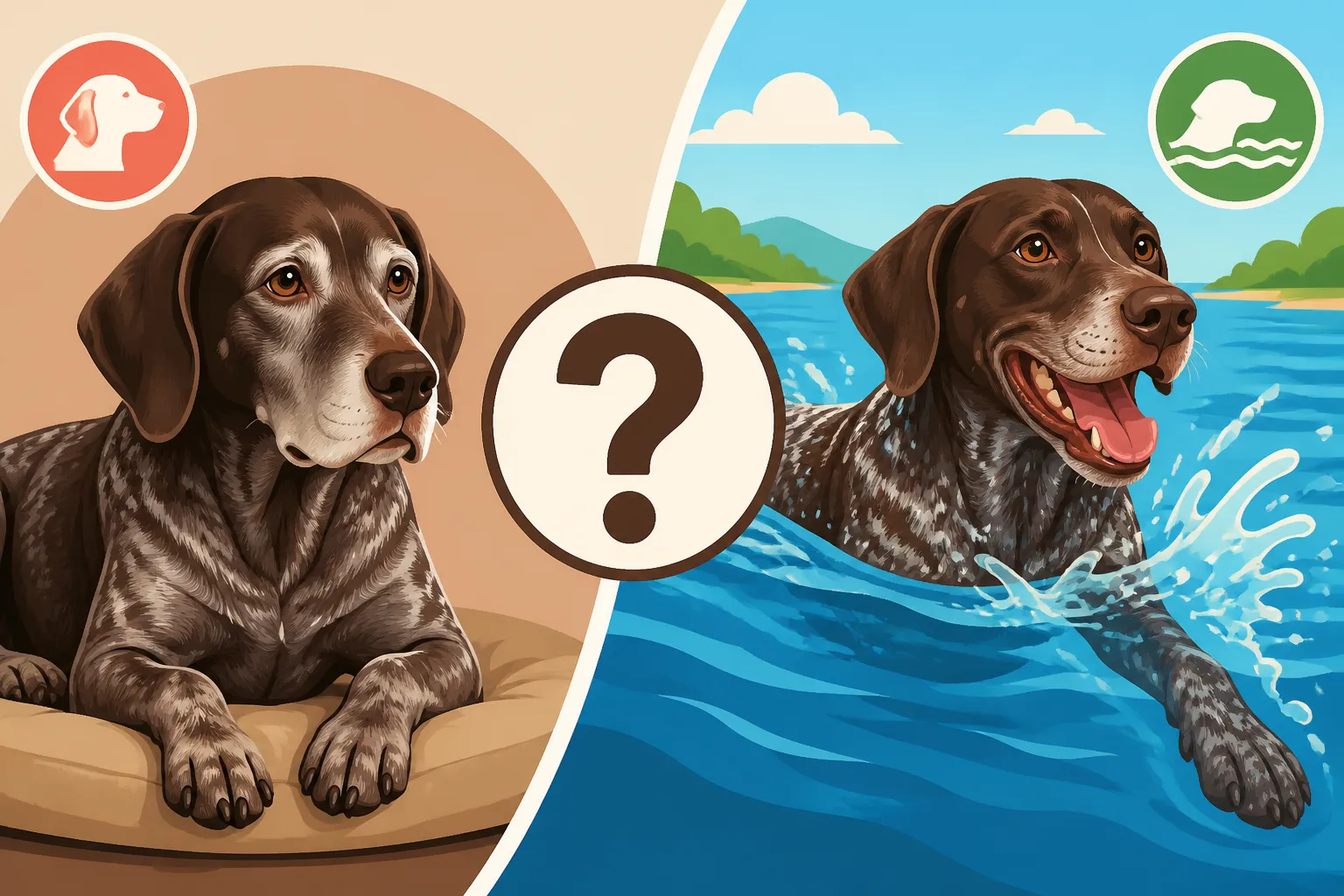
It's heartbreaking to watch our beloved German Shorthaired Pointers slow down, especially when they've spent their lives bounding through fields and plunging into lakes with unbridled joy. Many of us grapple with the question: should I let my old Shorthair still swim, or is it too risky now? This guide is here to walk you through the nuances of senior GSPs and water, helping you understand the benefits, potential dangers, and how to adapt so your older companion can still enjoy a dip safely.
The Enduring Benefits of Water Work for an Older Shorthair
Even as the gray starts to dust their muzzle and their gait loses a little of its youthful spring, swimming remains one of the best forms of exercise for an aging German Shorthaired Pointer. It's a natural fit for a breed that was practically born for water.
Low-Impact Joint Support and Muscle Maintenance
One of the biggest advantages of swimming for a senior GSP is its low-impact nature. Think about it: when your Shorthair runs, jumps, or even just walks on hard ground, their joints take a pounding. For an older dog, especially one dealing with the early stages of Arthritis in a German Shorthaired Pointer at Eight or chronic issues like hip or elbow dysplasia, that impact can cause pain and exacerbate existing conditions. Swimming, however, allows them to move their limbs through a full range of motion without the jarring impact of gravity. The buoyancy of the water supports their body weight, significantly reducing stress on aching joints.
This doesn't just reduce pain; it actively helps maintain crucial muscle mass. As dogs age, they naturally start to lose muscle, a process called sarcopenia. Strong muscles are essential for supporting joints and maintaining overall mobility, even more so when joints are compromised. Swimming engages almost every muscle group in their body – their core, their back, their legs, their shoulders – building and maintaining strength without undue strain. This muscle work can be incredibly beneficial for helping them get up more easily, reducing stiffness, and even providing some relief from discomfort, much like specialized exercises for Helping a Stiff Old German Shorthaired Pointer Get Up. It’s a gentle, yet highly effective, way to keep their body condition sound.
Boosting Mental Well-Being and Managing Weight
Beyond the physical benefits, swimming offers immense mental stimulation for an older Shorthair. GSPs are incredibly intelligent and driven dogs, and that need for purpose doesn't just vanish when they hit their senior years. While they might not be able to chase birds for hours anymore, the act of swimming—feeling the water, retrieving a floating toy, navigating the currents—provides a rich sensory experience that can combat boredom and depression. It taps into their innate instincts and can make them feel useful and engaged, which is so important for their overall quality of life. The joy of a good swim can truly light up their eyes and put a youthful bounce back in their step, even if it's just for a little while.
Furthermore, managing weight becomes increasingly important as a German Shorthaired Pointer ages. With less intense activity, it's easy for those extra pounds to creep on, and every extra pound places additional strain on already aging joints. Swimming is a fantastic calorie-burning activity that doesn't put stress on their body. It's an excellent tool for Feeding a Senior Shorthair That Has Slowed Down and keeping them at a healthy weight, which in turn alleviates pressure on their hips, knees, and spine. Combined with a properly managed diet, regular, gentle swims can be instrumental in keeping your senior Shorthair trim and comfortable.
Risks and Red Flags: When to Be Cautious About an Old Shorthair Swimming
While the benefits are clear, it's crucial to acknowledge that an older German Shorthaired Pointer isn't the same as a vigorous youngster. There are specific risks that become more prevalent with age, and ignoring them could turn a fun outing into a dangerous situation.
Exacerbated Joint Conditions and Increased Fatigue
Even though swimming is low-impact, it's still exercise, and overexertion is a real danger for an older dog. A GSP's drive to please and their innate desire to work can sometimes make them push past their limits, especially in an activity they love so much. If your Shorthair has severe arthritis, advanced hip dysplasia, or has had past injuries like Rehabbing a Shorthair After Cruciate Surgery, even the cold water itself can sometimes stiffen their joints or cause discomfort. They might not show pain in the water, only to be noticeably lamer or more stiff once they get out and cool down. It's vital to watch for signs of increased fatigue, not just during the swim but in the hours and days afterward. They might struggle more getting in and out of the water, or their recovery time might be much longer than it used to be.
Heart and Lung Concerns
As dogs age, their cardiovascular and respiratory systems can become less efficient. Conditions like dilated cardiomyopathy (DCM) or other heart murmurs, while sometimes present from a younger age like The Heart Murmur a German Shorthaired Pointer Puppy Can Carry, can progress or develop later in life. Swimming is strenuous; it requires significant effort from the heart and lungs to pump blood and oxygen to working muscles. If your senior GSP has an undiagnosed or poorly managed heart or lung condition, the exertion of swimming could lead to serious complications. They might experience shortness of breath, excessive coughing, or even collapse. This is why a thorough veterinary check-up, including cardiac assessment, is non-negotiable before introducing or continuing swimming with an older dog.
Temperature Regulation and Water Hazards
German Shorthaired Pointers have notoriously short coats, offering minimal insulation. While this is great for cooling off on hot days, it also means they can get cold very quickly, especially in cooler water. An older dog's ability to regulate body temperature naturally declines, making them more susceptible to both chilling and overheating. Getting too cold can lead to hypothermia, which is a serious medical emergency, and can also contribute to conditions like Cold Water Tail in a German Shorthaired Pointer, a painful muscle strain. Conversely, on a hot day, if they are swimming intensely, they can still overheat, even in water, if they’re pushing too hard.
Beyond temperature, the water itself can present hazards. Natural bodies of water can harbor harmful bacteria, blue-green algae, or parasites. Swift currents can be dangerous, and uneven entry points can lead to falls or injuries. Even a backyard pool without proper steps or a ramp can be a challenge for an older dog with diminishing strength and agility. There's also the ever-present concern for The Bloat Risk a Shorthair Carries Into Every Season, which can be exacerbated by gulping large amounts of water or exercising too close to meal times. And don't forget the risk of Water Intoxication in a Retrieving German Shorthaired Pointer if they're obsessively retrieving and ingesting too much water.
Declining Senses and Balance Issues
Cognitive decline can affect an older dog's judgment and spatial awareness. What was once an easy jump into the lake might now be misjudged, leading to a fall. Their vision might not be what it once was, especially if they are experiencing Night Vision Loss in an Older Shorthair, which can impact their confidence around water even in daylight or if the light isn't ideal. Hearing loss might mean they don't respond as quickly to your commands, potentially putting them in harm's way. Balance issues, common with age, can make getting in and out of the water precarious, increasing the risk of slips and falls on wet surfaces.
Here's a quick comparison of the benefits versus the risks:
| Aspect | Benefits for Senior GSPs | Risks for Senior GSPs |
|---|---|---|
| Physical | Low-impact joint exercise, muscle maintenance, flexibility | Overexertion, exacerbation of arthritis, injuries upon entry/exit |
| Cardio/Resp | Gentle cardiovascular workout (if healthy) | Strain on heart/lungs if underlying conditions exist |
| Mental | Enrichment, joy, instinct satisfaction, reduces boredom | Disorientation if cognitive decline is present |
| Weight | Effective calorie burning, helps maintain healthy weight | Fatigue leading to less activity, potential for water intoxication/bloat |
| Safety | Relatively safe if managed properly | Drowning risk, hypothermia, overheating, unseen water hazards |
Adapting Swimming for Your Senior GSP's Safety and Enjoyment
Given these considerations, the goal isn't necessarily to stop your old Shorthair from swimming entirely, but to adapt the activity to their changing needs. Safety and comfort should always be your top priorities.
Prioritize a Full Veterinary Check-Up
Before you even think about letting your senior GSP near the water, schedule a comprehensive check-up with your veterinarian. This is your most critical step. Be open with them about your Shorthair's history, any recent changes in behavior, appetite, or mobility, and your desire to let them swim. Your vet can assess their overall health, including their heart, lungs, joints, and cognitive function. They might recommend specific tests, such as blood work or a cardiac evaluation, to rule out any underlying conditions that could make swimming risky. This kind of proactive care is part of The Vet Schedule a Working Shorthair Should Keep and is even more crucial as they age. Your vet can provide tailored advice on how much exercise, including swimming, is appropriate for your individual dog.
Invest in a Quality Life Vest
A well-fitting life vest is absolutely non-negotiable for a senior German Shorthaired Pointer in the water. Even if your Shorthair was once a champion swimmer, age can bring decreased stamina, muscle weakness, and sudden fatigue. A life vest provides essential buoyancy, making it easier for them to stay afloat without expending as much energy. This allows them to enjoy the mental and physical benefits of swimming for longer without getting exhausted. Look for vests with strong handles on the back; these are invaluable for helping you lift your dog in and out of the water safely, especially if they struggle with slippery edges or high banks. Brands like Ruffwear, KONG, or even simpler options available on Chewy or Amazon offer excellent quality life vests designed for canine comfort and safety. Make sure to size it correctly for a snug, secure fit that doesn't chafe.
Choose Controlled and Safe Environments
Forget the roaring river or the deep, cold lake for now. Opt for swimming spots that are calm, shallow, and have easy, gradual entry and exit points. A dog-friendly private pool with steps or a ramp is ideal. If you're using natural water, choose a spot with a gently sloping shore rather than a steep drop-off. Avoid strong currents, murky water where debris might be hidden, and areas known for blue-green algae. You want a predictable environment where you can easily keep an eye on your Shorthair and intervene quickly if needed. Remember, an older dog might not react as fast to a sudden shift in conditions.
Keep Sessions Short, Frequent, and Monitored
Short, gentle swimming sessions are the way to go for senior GSPs. Instead of one long, exhausting swim, consider several shorter dips throughout the week. Pay close attention to your dog's cues: are they still enjoying it? Are they showing signs of fatigue like lagging, slower movements, or excessive panting? Stop before they get tired, not after.
During the swim, actively monitor their breathing, energy levels, and overall demeanor. Keep a watchful eye for any signs of discomfort or struggling. Bring easily digestible, high-energy treats for quick breaks, and ensure fresh drinking water is always available to prevent them from gulping pond or lake water. After the swim, towel them off thoroughly, especially if it's cool outside, to prevent chilling. You might even consider a lightweight drying coat to help them warm up.
Manage Hydration and Prevent Bloat
Bloat (Gastric Dilatation-Volvulus) remains a serious concern for deep-chested breeds like the German Shorthaired Pointer, regardless of age. Exercising too vigorously or consuming large amounts of water or food around swim time can increase the risk. To mitigate this:
- Wait after eating: Ensure at least an hour, preferably two, has passed since their last meal before they go swimming.
- Controlled water intake: Bring a portable water bowl and offer small amounts of fresh water frequently, rather than letting them drink directly from the pool or lake, where they might gulp too much.
- Avoid over-exertion: Keep swim sessions gentle and short to prevent excessive panting and subsequent gulping of air and water.
When the Pool is Out: Other Ways to Keep an Old Shorthair Moving
Sometimes, despite our best efforts, swimming just isn't safe or comfortable for an older German Shorthaired Pointer anymore. That doesn't mean their active life has to end. There are plenty of other ways to keep them happy, healthy, and engaged.
Explore Professional Hydrotherapy
If your senior GSP has significant joint issues or struggles with balance, but still loves the water, professional hydrotherapy might be a fantastic option. This is typically done in a controlled, heated pool with a trained therapist who can guide your dog through specific exercises. The warm water can be incredibly soothing for aching joints, and the controlled environment minimizes risks. It’s a therapeutic approach that focuses on rehabilitation and gentle conditioning, offering all the benefits of water exercise without the risks of an uncontrolled environment. Your vet can often recommend reputable hydrotherapy centers in your area.
Gentle Walks, Massage, and Joint Support
For many senior GSPs, gentle, frequent walks on soft, even surfaces are an excellent alternative. Think short strolls in a park, through tall grass (but check for Foxtails and Grass Awns in a Hunting Shorthair afterward!), or on sandy paths. The goal is consistent, low-impact movement, not endurance. Breaking a longer walk into several shorter ones throughout the day can be more beneficial and less taxing.
Consider incorporating regular massage into your routine. Gentle kneading and stroking can improve circulation, reduce muscle stiffness, and provide comfort. Many resources on Amazon or Chewy can guide you on canine massage techniques, or you can ask your vet for tips.
Supporting their joints internally is also crucial. Discuss with your vet whether supplements like glucosamine, chondroitin, MSM, or omega-3 fatty acids are appropriate for your Shorthair. Many senior-specific diets and supplements designed for joint health are available. Brands like Ollie may offer fresh food options tailored for senior dogs, which some owners find beneficial for overall health and joint comfort. Joint Supplements for a Hunting German Shorthaired Pointer can make a real difference in their comfort levels.
Mental Stimulation and Comfort
Even if their body is slowing, your Shorthair's mind is still sharp. Keep them engaged with puzzle toys, scent games, and short, gentle training sessions. Learning new, easy tricks can keep their cognitive function humming and strengthen your bond. Creating a comfortable home environment is also key: orthopedic beds like those discussed in Beds a German Shorthaired Pointer Will Not Shred can alleviate pressure points, and non-slip mats on slick floors can prevent falls.
Watching our senior Shorthairs gracefully navigate their golden years is a privilege. By understanding their changing needs and adapting our approach to exercise, we can ensure they continue to live rich, fulfilling lives, even if their days of leaping into the water are replaced by gentler, equally joyful dips.
Disclaimer
This article is for general informational purposes only and does not constitute professional advice. Laws, prices and regulations vary by location and change over time. Consult a qualified professional for guidance on your specific situation.