How Shorthair Field Lines and Show Lines Diverged
It can be truly bewildering for prospective German Shorthaired Pointer owners to navigate the subtle, yet significant, differences between what's often called a "field line" Shorthair and a "show line" Shorthair. You might see two dogs of the same breed looking quite different, or hear conflicting advice on their energy levels and what kind of home they need. This guide is here to untangle those distinctions, helping you understand how these lines diverged and what that means for bringing one into your life.
The Genesis of Specialization: Historical Roots of the Divide
To truly understand why German Shorthaired Pointers have branched into distinct field and show lines, we need to take a quick trip back in time to their origins. The breed was initially developed in Germany with a very specific purpose: to be a versatile hunting dog, capable of pointing game, retrieving from land and water, and even tracking. They were bred to do it all, a true all-around gun dog, and their physical structure, intelligence, and temperament were all honed for this exact function.
The Original Versatile Vision
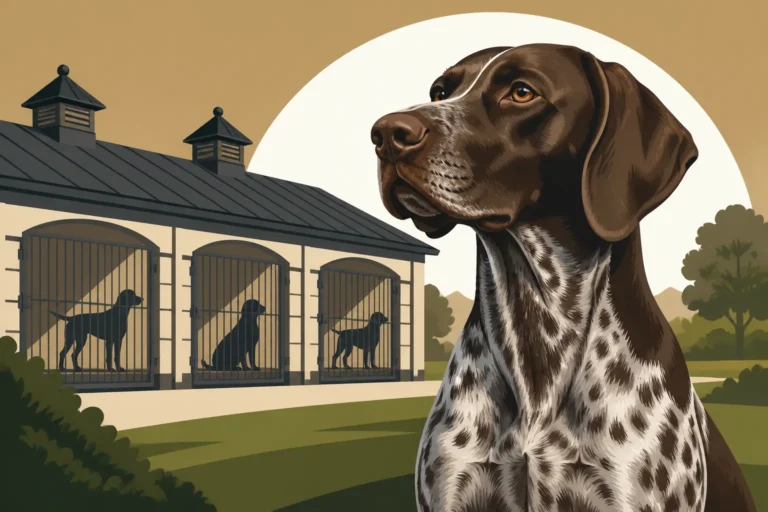
The early breeders of the German Shorthaired Pointer, or Deutsch Kurzhaar as they're known in their homeland, aimed for a dog that could excel across various hunting disciplines. This meant they needed stamina for long days in the field, a keen nose, a strong prey drive, and the intelligence to be easily trained. The German Kennels the Shorthair Was Built In tells us how these early dogs were carefully selected for their working prowess. Their conformation, or physical build, was important, but primarily in how it facilitated their work. A good hunting dog needed strong, athletic legs, a deep chest for endurance, and a coat that could withstand varied weather. Beauty was secondary to utility.
The American Split and the Rise of the Show Ring
When German Shorthaired Pointers began to gain popularity in the United States, particularly after their recognition by the AKC in The 1930 AKC Entry of the German Shorthaired Pointer, a new emphasis began to emerge: the show ring. While many breeders still valued hunting ability, some started to focus more intensely on producing dogs that conformed perfectly to the written breed standard for appearance. This wasn't a malicious shift, but a natural divergence as different goals became priorities. Over time, selecting strictly for a particular gait, head shape, or tail set for competition in the show ring could inadvertently de-emphasize the traits crucial for demanding field work, such as boundless energy and intense bird drive.
Conformation: The Visual Divide Between Lines
One of the most immediate and noticeable differences between field and show line German Shorthaired Pointers is their physical appearance. While both are undeniably GSPs, a keen eye can spot distinct characteristics that have been selectively bred into each line over generations.
The Athleticism of Field Lines
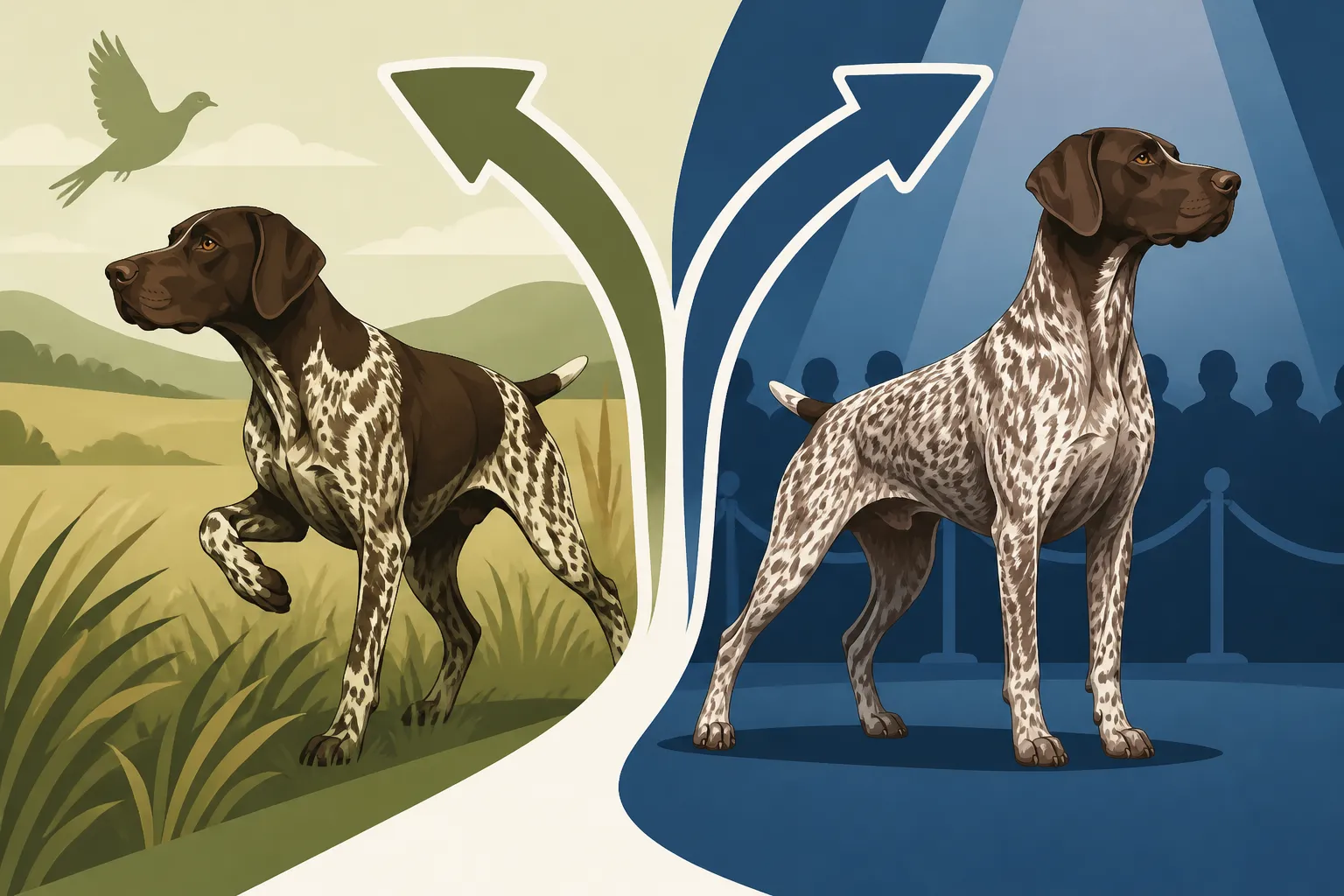
Field line Shorthairs are typically bred for efficiency, endurance, and agility above all else. This means their build tends to be lighter, more streamlined, and incredibly athletic. You'll often see them with a somewhat leaner frame, slightly longer legs, and a less "blocky" head. Their musculature is visible and taut, built for explosive speed and sustained effort across diverse terrains. Think of them as the marathon runners of the GSP world – every part of their body is optimized for performance. Their coats might not be quite as dense or plush as some show lines, again, prioritizing practicality in the field over a luxuriant aesthetic. If you're looking for a dog that can keep up with you through miles of pheasant cover, the field line's build is designed for it. How a Field Bred Shorthair Differs in Build goes into more detail on these specific physical nuances.
The Refined Standard of Show Lines
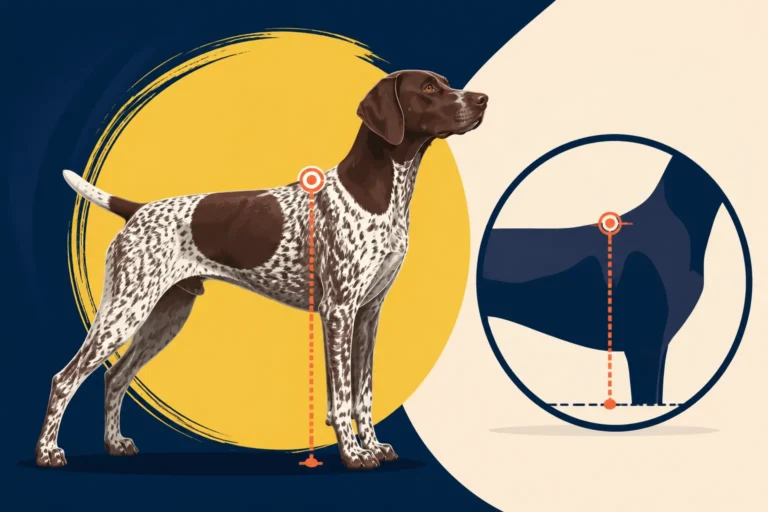
Show line German Shorthaired Pointers, on the other hand, are bred to perfectly match the breed standard's description of an "ideal" GSP appearance. This often translates to a more robust, substantial build. They might have a deeper chest, a slightly heavier bone structure, and a more pronounced, sculpted head. Their coats are generally denser and may appear richer in color, all contributing to a striking presence in the show ring. The Size and Build the Shorthair Standard Asks For outlines the precise measurements and proportions judges look for. While they are still athletic dogs and perfectly capable of light hunting or demanding exercise, their primary selection criteria lean heavily towards aesthetic perfection as defined by the breed standard, sometimes resulting in a less extreme energy level than their field-bred counterparts.
Temperament and Drive: The Working vs. Companion Focus
Beyond the physical, the most significant divergence lies in temperament and drive. This is where many unsuspecting owners find themselves overwhelmed if they haven't done their homework. While all GSPs possess inherent energy and intelligence, the intensity and focus of that energy differ profoundly between lines.
The Unwavering Drive of Field Dogs
A field-bred German Shorthaired Pointer lives to work. Their genetic programming is heavily tilted towards hunting: a relentless prey drive, an insatiable desire to run and explore, and an almost obsessive focus on birds. They are often described as having an "on" switch that's very hard to turn "off" without adequate mental and physical stimulation. This intense drive means they need a job, whether it's actual hunting, advanced dog sports like agility or dock diving, or structured, high-energy exercise every single day. Without this outlet, they can become anxious, destructive, and generally a handful. Why So Many Shorthairs End Up Rehomed at Eighteen Months often highlights the mismatch between an owner's expectations and a field dog's needs. They bond incredibly deeply with their handlers, but that bond is often forged through shared activity and challenges.
The Manageable Energy of Show Dogs
Show line German Shorthaired Pointers still possess the breed's characteristic energy and intelligence, but it tends to be channeled differently and often with a slightly lower intensity than their field counterparts. They are still active dogs that require significant daily exercise, but their drive for hunting might not be as all-consuming. They are often bred with a greater emphasis on being biddable and calm in the home environment, making them excellent companions for active families who enjoy hiking, jogging, or recreational retrieves without the need for intense, focused field work. This isn't to say a show dog can't hunt – many can, and do – but their primary selection isn't solely based on that drive. They thrive on human companionship and are often more content with a vigorous run and some playtime rather than miles of focused searching.
Training and Purpose: What Each Line is Bred For
The distinct goals of field and show breeding naturally lead to different approaches in training and the ultimate purpose for which these dogs are intended. Understanding these fundamental differences is key to choosing a GSP that will thrive in your home.
Field Training for Peak Performance
Training a field line German Shorthaired Pointer is typically an immersive and extensive process, often starting from a very young age. The goal is to hone their natural instincts into a refined hunting machine. This involves specialized training in pointing, retrieving, tracking, and honoring another dog's point. They are expected to hunt for hours, navigating dense cover, water, and varied terrain, all while maintaining focus on their quarry and responding to their handler's commands from a distance. Tools like check cords, e-collars (used responsibly and humanely), and endless repetitions with live birds are common. This intensive training builds an incredible partnership, but it demands a handler who is knowledgeable, consistent, and dedicated to the process. The Two Hours a Day a German Shorthaired Pointer Needs is not an exaggeration for these dogs, and often, it's two hours of highly engaged, demanding work.
Show Training and Family Integration
Show line German Shorthaired Pointers, while still incredibly intelligent and trainable, typically undergo a different kind of specialized training. Their focus is on developing impeccable manners, ring presence, and the ability to move gracefully and confidently in a show environment. This includes stack training (posing for examination), gait training (moving correctly around the ring), and general obedience to ensure they are well-behaved both in and out of competition. Many show line GSPs also make fantastic family pets, excelling in obedience, rally, or even therapy work, where their biddable nature shines. While they can be trained for hunting, their natural drive might require more encouragement than a field dog, and their physical build might not be quite as suited for extreme conditions. They integrate beautifully into active family life, often enjoying long walks, runs, and interactive play, and are generally easier for a first-time GSP owner to manage without professional hunting aspirations.
| Feature | Field Line German Shorthaired Pointer | Show Line German Shorthaired Pointer |
|---|---|---|
| Primary Focus | Hunting ability, endurance, intense prey drive | Conformation to breed standard, appearance, balanced temperament |
| Physical Build | Lighter, leaner, more athletic, often longer legs, less "blocky" head | More robust, substantial, deeper chest, often more sculpted head |
| Energy Level | Extremely high, relentless, requires significant mental & physical work | High, active, but often more manageable for non-hunting homes |
| Temperament | Intense, driven, focused on work, can be "busy" in the home | Biddable, eager to please, calmer in home (with adequate exercise) |
| Coat/Markings | Often less emphasis on "perfect" markings, functional coat | Strong emphasis on correct coat texture and specified markings |
| Ideal Home | Active hunter, dog sports enthusiast, dedicated to daily intense work | Active family, recreational outdoor activities, good companion |
Breeding Practices and Health Considerations
The divergence in breeding goals also impacts how breeders approach health testing and the overall selection of breeding stock. Both lines strive for healthy dogs, but the specific emphasis can sometimes vary.
Health and Longevity in Working Lines
Field breeders are deeply invested in producing dogs that are sound, durable, and healthy enough to withstand the rigors of hunting for many years. A dog that breaks down in the field is useless, regardless of how well it performs otherwise. Therefore, structural soundness and robust health are paramount. You'll find responsible field breeders diligently performing health clearances such as hip and elbow evaluations, eye certifications, and cardiac exams. They also pay close attention to the working longevity of their breeding stock, seeking dogs that can maintain their drive and physical capability well into their senior years. While genetic tests are important, observing a dog's performance in the field and its ability to recover from a hard day's hunt often provides invaluable insight into its overall hardiness. When looking at pedigrees, you'll often see titles like FC (Field Champion) or titles from organizations like NAVHDA, which indicate proven hunting ability and soundness. Don't forget to ask breeders for the specific results, not just claims, and be ready to do your homework. Reading a Shorthair's OFA and Eye Results Before Paying is a fantastic resource for this.
Conformation and Health in Show Lines
Show breeders, while equally committed to health, often have the additional layer of selecting for dogs that meet stringent conformation standards. They meticulously study pedigrees for appearance traits, sometimes tracing back generations to achieve a particular look or lineage. Health clearances, such as OFA hip and elbow certifications, eye exams by veterinary ophthalmologists, and cardiac evaluations, are standard practice for reputable show breeders. They want to ensure their dogs not only look the part but are also genetically sound. The emphasis on structure in the show ring often correlates with good joint health, as judges penalize unsound movement. However, it's always crucial to verify specific health tests and ask about any prevalent health concerns in their lines, such as The Bloat Risk a Shorthair Carries Into Every Season or specific cancers, regardless of whether you're looking at a show or field line. Many show breeders will be happy to share results, often displayed publicly on databases for transparency.
Making Your Choice: Field or Show?
Deciding between a field line and a show line German Shorthaired Pointer isn't about one being "better" than the other; it's about finding the right fit for your lifestyle and expectations. It's a significant commitment, and an informed decision will lead to a much happier partnership for both you and your dog.
When a Field Line Shorthair Might Be for You
If your life revolves around hunting, competitive dog sports, or an extremely active, outdoors-oriented lifestyle, a field line GSP might be your perfect match. You are someone who truly understands and appreciates an intense working drive and is prepared to dedicate substantial time, effort, and possibly financial resources to training and daily exercise. You relish the idea of a canine partner who is always ready for the next adventure, whether it's chasing upland birds, running miles of trails, or competing in advanced events. You have the experience or the willingness to learn about force fetch and advanced handling. Your home might be geared towards dogs that come in muddy, and you prioritize a dog's ability to perform over its pristine appearance. Many owners find their field dogs need durable gear and specialized high-performance food, which you can often find readily available from retailers like Chewy.
When a Show Line Shorthair Might Be for You
If you're seeking an active, intelligent, and devoted canine companion who will happily join you for daily runs, hikes, and family activities, but you don't necessarily have aspirations for competitive hunting or extreme dog sports, a show line GSP could be a fantastic choice. You value a dog with a generally more biddable and adaptable temperament, one that can transition smoothly between vigorous exercise and relaxing calmly in the home. You appreciate the classic GSP look and might even be interested in dabbling in local dog shows or obedience trials. You are ready for a dog that requires significant daily exercise (think jogging, long walks, active playtime, and mental stimulation) but doesn't need a "job" in the same all-consuming way a field dog does. These dogs are often seen as more amenable to a wider range of family dynamics, and their temperament might be a better fit for those with less experience with high-drive working breeds. You'll still want to stock up on quality food and enrichment toys, and online stores like Chewy are excellent for managing recurring deliveries of necessities.
Ultimately, the best advice I can give is to be honest with yourself about the amount of time, energy, and commitment you can truly offer. Talk to reputable breeders from both lines, visit their kennels if possible, and meet their adult dogs. Don't be swayed solely by a puppy's cute face; consider the adult dog it will become and whether that dog truly fits your life. The Household a German Shorthaired Pointer Actually Fits is a must-read before making such a profound decision.
Disclaimer
This article is for general informational purposes only and does not constitute professional advice. Laws, prices and regulations vary by location and change over time. Consult a qualified professional for guidance on your specific situation.