Whether the Shorthair Was Bred for Fur as Well as Feather
For many years, it felt like the perception of the German Shorthaired Pointer was primarily that of a superb bird dog, pointing upland game and retrieving waterfowl with unmatched enthusiasm. But to only see them through the lens of "feather" is to miss a huge, crucial piece of their historical puzzle and their true, impressive versatility. This guide dives deep into the breed's origins to reveal how intentionally and effectively the German Shorthaired Pointer was bred to hunt not just birds, but also a wide array of furred game.
The Original German Hunting Landscape and the Need for Versatility
Imagine the German countryside centuries ago – dense forests, open fields, and wetlands, all teeming with diverse wildlife. Unlike the more specialized hunting traditions that sometimes developed in other parts of Europe, German hunters faced a landscape that demanded a dog capable of doing everything. They weren't just after pheasants; they needed to put rabbit and fox in the pot, track wounded deer, and retrieve shot game from various terrains, including water. This was a practical, sustenance-focused approach to hunting, where having multiple specialized dogs simply wasn't feasible for the average hunter.
The early breeders, particularly in the 19th century, weren't just dreaming of a stylish bird dog. They envisioned a truly "all-around" utility gundog, a single canine partner that could tackle virtually any hunting task presented. This deep-seated desire for a versatile companion shaped every aspect of the German Shorthaired Pointer's development, from their physical build to their innate instincts and keen intelligence. They were looking for a dog that could transition seamlessly from one type of quarry to another, often within the same day's hunt. This required a dog with a powerful nose, incredible stamina, and a strong will to please, combined with the biddability to work closely with their human partner. The German Kennels the Shorthair Was Built In truly tells a story of this demanding environment.
It's this very heritage that sets the German Shorthaired Pointer apart. They weren't simply refined to excel at one or two tasks; they were engineered, almost genetically, to be the ultimate jack-of-all-trades in the field. This meant carefully selecting for traits like scent discrimination, tracking ability, protective instincts, and a relentless drive, alongside the classic pointing and retrieving skills. This multifaceted approach to breeding produced a dog that was, and remains, incredibly adaptable, capable of handling the unexpected challenges that a diverse hunting environment throws their way.
The Shorthair's Design for Furred Quarry
While their pointing prowess for birds is legendary, the German Shorthaired Pointer's history is equally rich with their work on furred game. This wasn't a secondary role; it was fundamental to their creation. German hunters needed a dog that could track, flush, and even dispatch smaller furred animals, as well as blood-track larger ones.
Tracking and Flushing Rabbits and Hares
One of the most common forms of furred game in Europe was, and still is, rabbits and hares. These animals present a different challenge than birds. They don't fly, they rely on scent and speed on the ground, and they often bolt from cover. The German Shorthaired Pointer was specifically bred to handle these scenarios. Their powerful noses, inherited in part from hound ancestors, made them exceptional at following cold trails. Once a rabbit or hare was located, the GSP's job was to flush it from dense brush, often with a burst of speed and an eager chase. This required a dog that was agile, quick, and tenacious, not just a statue on point. The Hound Blood Behind a Shorthair's Nose is a fascinating read about this specific trait.
Unlike some bird dogs that might be trained not to chase fur, the Shorthair's natural inclination to pursue running game was encouraged and refined. They needed to be able to follow a scent trail through varying conditions, often in thick undergrowth where vision was limited, relying solely on their olfactory abilities. This made them indispensable for putting food on the table, as rabbits and hares were a consistent and important source of protein for rural communities. This historical context is vital to understanding the full scope of a modern GSP's instincts.
The Predator Work a Shorthair Was Expected to Do
Beyond edible small game, early German Shorthaired Pointers also had a role in predator control. Foxes, martens, and even wildcats could pose a threat to livestock or smaller game populations. Hunters needed a dog tough enough to engage with these animals, driving them out of cover or, if necessary, dispatching them. This side of their work speaks volumes about their courage, protective instincts, and physical robustness. The Predator Work a Shorthair Was Expected to Do goes into more detail on this often-overlooked aspect of their breeding.
This "predator work" wasn't about being an aggressive fighter, but about being a capable and determined hunter. It required a dog with a strong prey drive, quick reflexes, and the mental fortitude to confront potentially dangerous animals. Breeders selected for dogs that displayed this kind of grit, ensuring the GSP wasn't just a pretty pointer but a formidable and versatile worker. This duality – gentle companion yet fierce hunter – is a hallmark of the breed's character. For a GSP owner today, understanding these historical roles can help explain certain behaviors, like their intense focus on squirrels in the yard or their unwavering drive when they catch a scent.
The Shorthair's Role in Hunting Feathered Game
Of course, we can't talk about the German Shorthaired Pointer without honoring their extraordinary contributions to hunting feathered game. This was intertwined with their furred game capabilities from the very beginning, creating a truly all-encompassing hunting dog. The goal was never to create just a bird dog, but a dog that could also hunt birds effectively.
Pointing and Retrieving Upland Birds
The iconic image of a German Shorthaired Pointer on a staunch point, frozen solid with intensity, is ingrained in the minds of bird hunters worldwide. This ability to locate upland birds by scent and then hold them in place until the hunter arrives is a finely tuned art, and the GSP excels at it. They were developed to cover a lot of ground, quartering efficiently in front of the hunter, using their incredible nose to find quail, pheasant, grouse, and partridge. Pointing, Retrieving and Tracking in One Shorthair neatly summarizes these combined talents.
Once the bird is flushed and shot, the Shorthair's job isn't over. Their soft mouth and natural retrieving instinct mean they are just as adept at bringing the bird back to hand, often through challenging terrain and dense cover. This complete package – finding, pointing, and retrieving – made them invaluable for upland bird hunting. It's a testament to their balanced breeding that they can switch from the high-energy chase of a rabbit to the disciplined, precise point of a pheasant, sometimes within minutes of each other. This adaptability is key to their definition of "versatile."
Waterfowl Work and Toughness
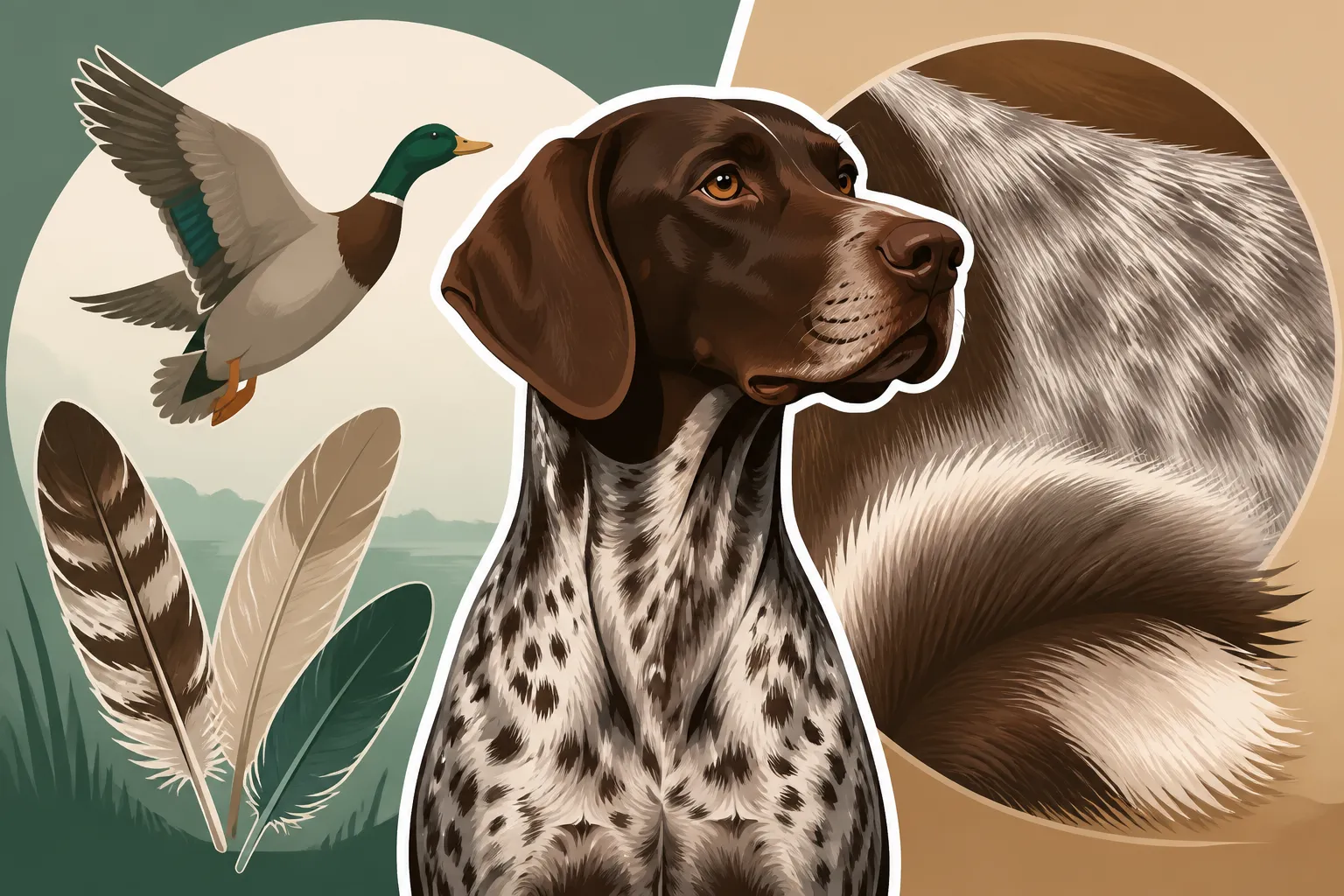
The German Shorthaired Pointer's utility extends to the water, a task often associated with other breeds like Labradors. However, the Shorthair was specifically bred to be a capable waterfowl retriever, a demanding job that requires courage, a tough constitution, and a dense, water-resistant coat. While not as thick as a retriever's double coat, their short, coarse hair, combined with muscular build and webbed feet, makes them surprisingly effective in cold water. Whether a Shorthair Retrieves Waterfowl Well is a topic many GSP owners explore.
From breaking through ice to swimming long distances to retrieve a fallen duck or goose, the GSP handles the rigors of waterfowl hunting with remarkable resilience. This ability to work in varied conditions and environments, from dry fields to icy marshes, further underscores their all-around hunting credentials. It’s not just about retrieving; it’s about enduring the elements, finding the bird, and bringing it back safely, demonstrating their unwavering dedication to their handler. Ensuring they have the right nutrition, perhaps performance-based kibble from a reliable source like Chewy, helps maintain their energy levels for these demanding tasks.
The Legacy: Modern Shorthairs and Their Instincts for All Game
The dual-purpose breeding goals of the early German Shorthaired Pointer creators have left an indelible mark on the breed we know and love today. Even if a modern GSP never sets paw in a hunting field, those deeply ingrained instincts for both fur and feather remain, shaping their personality and needs as companions. What Versatile Actually Means for a Shorthair truly captures this essence.
Understanding Your Shorthair's Instincts
For pet owners, understanding this heritage is crucial. That intense focus on a squirrel darting across the yard, the sudden "point" at a rustling leaf, or the enthusiastic dive into a kiddie pool are all echoes of their ancestors' work in varied terrain and on diverse game. They aren't being "naughty" when they chase a rabbit; they are simply fulfilling a genetically programmed drive. A strong recall and consistent training are paramount, especially if you plan on enjoying off-leash adventures where they might encounter either fur or feather. Training aids and quality collars, easily found on Chewy, can be indispensable for managing these powerful instincts.
This inherent versatility means that a German Shorthaired Pointer, regardless of whether they are a dedicated hunting companion or a beloved family pet, requires significant mental and physical stimulation. Their brains are wired to solve hunting problems, to follow scent trails, and to engage with their environment in a highly active way. Providing outlets for these instincts, whether through scent games, vigorous exercise, or formal training in activities like agility or canine good citizen tests, is essential for a happy, well-adjusted GSP.
The Enduring All-Arounder
Ultimately, the answer to "Whether the Shorthair Was Bred for Fur as Well as Feather" is an emphatic yes. They are the quintessential all-around hunting dog, designed to excel in a demanding European environment where a single dog needed to do it all. They are not merely pointers, nor simply retrievers, but a remarkable combination of gun dog and hound, capable of working any game, any time, anywhere. This foundational versatility is what makes them such dynamic, intelligent, and often challenging, companions. How the Shorthair Was Bred to Replace Four Specialist Dogs really underlines this ambition.
From tracking deer to pointing quail, flushing rabbits to retrieving ducks, the German Shorthaired Pointer's historical purpose dictated a breadth of skills that few other breeds can match. This rich history ensures that every GSP carries within them the spirit of the ultimate versatile hunter, a legacy that continues to define them in homes and fields across the world. Their powerful drive, whether directed at a game bird or a stray tennis ball, is a direct link to their meticulously crafted past.
| Trait / Skill | Primary Use for Furred Game | Primary Use for Feathered Game |
|---|---|---|
| Nose/Scenting Ability | Tracking ground trails (rabbit, fox, deer blood-trailing) | Locating hidden birds in cover and wind scents |
| Pointing Instinct | Freezing on scent of furred game before flush (less common) | Holding birds until hunter is in position |
| Retrieving Drive | Bringing back small furred game, downed larger game | Fetching downed birds from land and water |
| Stamina & Range | Covering vast areas for ground game, long tracks | Quartering fields, maintaining high energy for hours |
| Coat/Physical Build | Protection against brush and weather while tracking | Water resistance for retrieving, agility for rough terrain |
| Tenacity/Grit | Flushing stubborn furred animals, predator work | Enduring challenging conditions, breaking cover for birds |
| Biddability/Trainability | Responding to commands for diverse tasks, varied game | Learning specific commands for pointing, flushing, retrieving |
Disclaimer
This article is for general informational purposes only and does not constitute professional advice. Laws, prices and regulations vary by location and change over time. Consult a qualified professional for guidance on your specific situation.