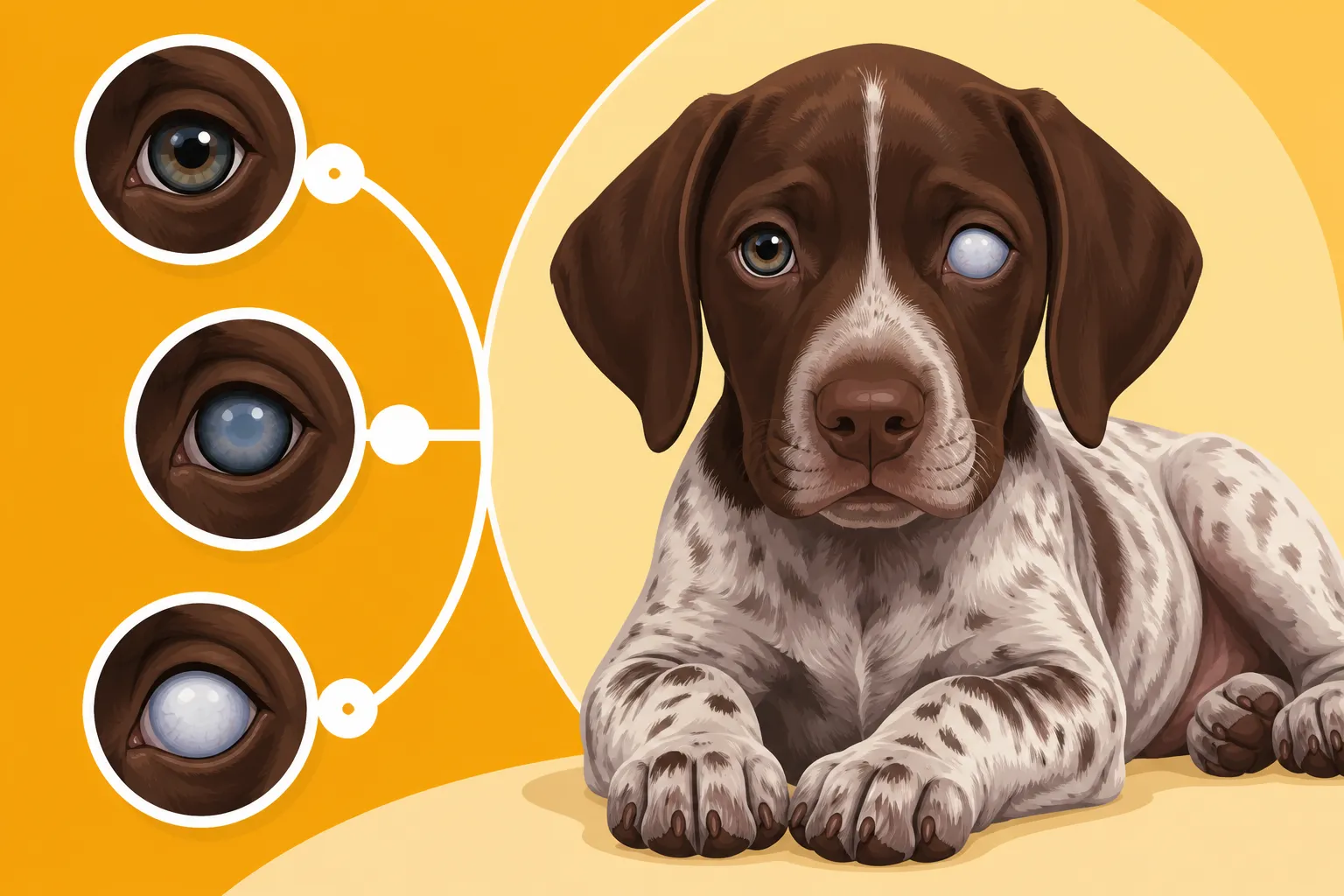
The Age Day Blindness Shows in a Shorthair Puppy
Discovering that your energetic German Shorthaired Pointer puppy is struggling with their vision can be an incredibly heartbreaking and confusing experience. Many dedicated GSP owners, especially those new to the breed, might find themselves wondering why their otherwise robust little companion is suddenly hesitant in bright light or bumping into objects, leading to worries about their long-term health and happiness. This guide aims to shed light on Cone Degeneration, often referred to as day blindness, specifically detailing when this inherited condition typically manifests in German Shorthaired Pointer puppies, what to look for, and how to best support your furry friend.
Understanding Cone Degeneration, or Day Blindness, in German Shorthaired Pointers
Cone Degeneration (CD) is a fascinating, yet challenging, inherited eye disease that affects the photopic system of a dog's retina. In simpler terms, it impacts the cone cells in the eye, which are responsible for vision in bright light and for distinguishing colors. Unlike the rod cells, which handle low-light and peripheral vision, the cones are crucial for clear, detailed sight during the day. When these cells don't function correctly or begin to degenerate, the dog experiences what's commonly known as "day blindness."
The Role of Cone Cells in Vision
Imagine your eyes having two types of light sensors: one for navigating in dim conditions, like a moonlit night, and another for seeing vibrant colors and sharp details on a sunny afternoon. The former are your rod cells, and the latter are your cone cells. German Shorthaired Pointers, like many breeds, rely heavily on their cone cells for navigating complex environments, particularly when working in the field or playing outdoors during daylight hours.
With Cone Degeneration, these vital cone cells either don't develop properly from the start or begin to fail prematurely. This means that while a GSP puppy with CD might see perfectly fine in low light conditions—think dawn, dusk, or indoors—they become increasingly compromised when exposed to direct sunlight or brightly lit areas. Their vision can become blurry, distorted, or even completely non-functional in these situations, leading to confusion and distress for the dog. It’s not that they can’t see at all, but rather they cannot process the intense light effectively, making the world appear as a blinding glare.
How Cone Degeneration Differs from Other Vision Issues
It’s easy to jump to conclusions when you notice your puppy struggling, and often, other eye conditions might cross your mind, like cataracts or progressive retinal atrophy (PRA). However, Cone Degeneration has a distinct presentation. Cataracts typically cause a cloudy appearance in the lens and can affect vision in various lighting conditions, often worsening over time. PRA, on the other hand, usually starts with night blindness and progresses to day blindness, often affecting older dogs, though some forms can appear earlier.
With CD, the key differentiator is the specific impact of bright light. A GSP puppy with CD will show marked improvement or even seem perfectly normal in dimmer environments. This often leads to initial confusion for owners, who might wonder if their puppy is just being playful or stubborn in the sun, only to watch them zoom around the house with no issues. This peculiar pattern is a hallmark of the condition and a critical clue for veterinary diagnosis. While other issues might cause a general decline, CD zeros in on the day vision, leaving night vision largely intact.
When Day Blindness Symptoms Typically Emerge in Shorthair Puppies
One of the most common questions, and certainly the most heartbreaking, for owners of affected puppies is when these signs become noticeable. The onset of symptoms for Cone Degeneration in German Shorthaired Pointers isn't usually immediate at birth but typically manifests during the crucial developmental period of puppyhood, often catching owners off guard.
The Standard Age Range for Symptom Onset
For German Shorthaired Pointers, the symptoms of Cone Degeneration most commonly start to appear between 8 and 12 weeks of age. This window is significant because it's precisely when puppies are becoming more adventurous, exploring their surroundings, and spending more time outdoors. Before this age, their visual system is still maturing, and their exposure to bright, outdoor light might be more limited. As they grow and their eyes fully develop, the functional deficit of the cone cells becomes glaringly apparent.
Some owners might notice subtle signs a little earlier, perhaps around 6-7 weeks, while for others, it might not be overtly clear until 3-4 months. The variation can depend on several factors: the individual puppy's genetic expression of the disease, the amount of time they spend in bright light, and the owner's keenness in observing subtle behavioral changes. For instance, a puppy raised primarily indoors might show signs later than one that spends significant time playing outside in a sunny yard. It's a developmental condition, meaning the genetic predisposition is there from conception, but the visible effects become obvious as the puppy's day-to-day life demands more from those failing cone cells.
Factors Influencing the Timing of Recognition
Several elements can subtly shift the timeline for recognizing day blindness in a GSP puppy. First, the puppy's environment plays a huge role. If a puppy lives in a perpetually shaded yard or a dimly lit house, the absence of bright light might mask the symptoms for longer. Conversely, a puppy born in a sunny climate or frequently taken outside in direct sunlight will likely exhibit signs earlier.
Second, the attentiveness and experience of the owner or breeder can make a difference. Experienced GSP breeders or owners who are familiar with the breed's typical puppy behaviors and development might spot the subtle hesitations, squinting, or unusual clumsiness in bright light sooner than a first-time owner. Understanding the difference between normal puppy antics and true visual impairment is key. Often, new owners might attribute the puppy's struggles to typical puppy clumsiness or a lack of confidence, only later realizing it's a vision problem. It's a cruel trick of nature that a condition like this can be so easy to miss in its nascent stages.
Third, some puppies might have a slightly milder form or a slower progression, making the initial signs less pronounced. While Cone Degeneration is generally non-progressive, meaning it doesn't get worse over time once established, the initial manifestation can vary in intensity. This slight variability is why it’s so important for breeders to be proactive with genetic testing and for new owners to be vigilant, especially if they know the condition runs in their dog's lineage.
Recognizing the Early Signs of Day Blindness in Your GSP Puppy
Detecting day blindness in a GSP puppy can be challenging because, well, puppies are inherently a bit clumsy! They're still learning to navigate the world. However, if you know what to look for, you can differentiate normal puppy bumbling from genuine visual impairment. Observing your puppy's behavior in different lighting conditions is paramount.
Behavioral Clues in Bright Sunlight
The most telling signs of day blindness emerge when your German Shorthaired Pointer puppy is exposed to bright, direct sunlight. You might notice your usually boisterous puppy becoming suddenly hesitant or anxious when taken outside on a sunny day. They might squint excessively, appear to be trying to shield their eyes, or even resist going into sunny areas altogether, preferring shade. Instead of confidently bounding across the lawn, they might move slowly, cautiously, or even stop dead in their tracks, exhibiting signs of confusion or fear.
It's not uncommon for these puppies to bump into familiar objects or miss toys that are clearly visible to other dogs when the sun is shining brightly. This isn't just a misstep; it's a consistent pattern of spatial disorientation that disappears once they are moved into a less intensely lit area. For example, if you toss a treat in the shade, they might retrieve it easily, but if you toss it into a sunny patch, they might struggle to locate it. This dichotomy is often the first "aha!" moment for owners, signaling that something is genuinely amiss with their puppy's vision, specifically related to light intensity. If you are noticing these behaviors, it's a good idea to consider scheduling a visit with a veterinary ophthalmologist, and if you have pet insurance like Healthy Paws, it's worth checking what diagnostic costs might be covered.
Contrasting Vision in Different Environments
The stark contrast in a day-blind GSP puppy's behavior between bright and dim environments is perhaps the most significant diagnostic indicator. Indoors, in a typical home setting, or outdoors during overcast days or in the fading light of dusk, these puppies often behave like any other perfectly sighted puppy. They will confidently navigate rooms, play fetch, and interact normally. Their night vision remains intact because the rod cells are unaffected.
This can be incredibly confusing for owners. One moment, their puppy is a whirling dervish, full of typical GSP energy and precision; the next, they're a cautious, bumping mess outside. This leads to immense frustration for owners who can't understand the inconsistency, often questioning if the puppy is being stubborn or just needs more training. But once you understand Cone Degeneration, the pattern clicks. They are not choosing to be awkward; their eyes simply cannot process the light, rendering them functionally blind in those conditions. This distinction is crucial for understanding your puppy's experience and providing them with the right support. You might notice their comfort and confidence increase dramatically as the sun begins to set, almost as if a switch has been flipped. For more specific observations, you can read about How a Day Blind Shorthair Behaves in Bright Sun.
| Normal GSP Puppy Vision | Day-Blind GSP Puppy (Cone Degeneration) | |
|---|---|---|
| Bright Sunlight | Confident, clear vision, plays normally | Squints, hesitates, bumps objects, seeks shade, anxious |
| Overcast Day/Indoors | Confident, clear vision, plays normally | Appears normal, confident, navigates easily, plays well |
| Dusk/Night | Good low-light vision | Appears normal, confident, navigates easily (rod cells function) |
| Object Recognition | Easy in all light | Difficult in bright light, easy in dim light |
| Eye Appearance | Clear, pupils react normally | May squint, pupils may react slowly or abnormally to bright light, no physical cloudiness |
| Behavioral Temperament | Consistent, energetic in all light | Inconsistent; withdrawn/anxious in bright light, normal otherwise |
The Genetic Basis and Testing for Cone Degeneration
Understanding that day blindness is an inherited condition is crucial for breeders and prospective puppy owners. This isn't something that just happens; it's passed down through generations. Thankfully, science has provided us with the tools to identify the gene responsible and make informed decisions.
The Specific Gene and Inheritance Pattern
Cone Degeneration in German Shorthaired Pointers is caused by a specific genetic mutation. Researchers have identified the gene responsible, known as the CNGB3 gene. This gene provides instructions for making a protein that is essential for the proper function of cone photoreceptor cells in the retina. When a mutation occurs in this gene, the cone cells either don't develop correctly or degenerate, leading to the characteristic day blindness.
This condition is inherited in an autosomal recessive pattern. What does this mean for your GSP? It means a puppy must inherit two copies of the mutated gene—one from each parent—to be affected by the disease.
- Clear dogs have two normal copies of the gene. They won't develop CD and won't pass the mutated gene to their offspring.
- Carrier dogs have one normal copy and one mutated copy of the gene. They will not show symptoms of day blindness themselves because the single healthy gene copy is sufficient for normal cone function. However, they can pass the mutated gene on to their puppies.
- Affected dogs have two copies of the mutated gene. They will develop Cone Degeneration and experience day blindness.
This recessive inheritance pattern is why the condition can sometimes pop up unexpectedly, even if neither parent shows symptoms. Two seemingly healthy carrier dogs can produce affected puppies. For breeders, understanding The Gene Behind Cone Degeneration in Shorthairs is paramount to making responsible breeding decisions and preventing the spread of this condition.
Available DNA Testing for GSPs
The good news is that reliable DNA tests are readily available for Cone Degeneration in German Shorthaired Pointers. These tests typically require a simple cheek swab or blood sample, which is then sent to a specialized veterinary genetic testing laboratory. The results will definitively identify whether a dog is Clear, a Carrier, or Affected.
Testing is a game-changer for GSP breeders. By testing all breeding stock, they can make informed decisions to avoid producing affected puppies. A responsible breeder will never knowingly breed two carriers together. They might breed a carrier to a clear dog; in such a pairing, all puppies will be either clear or carriers, but none will be affected. This is why when you are looking for a puppy, it's so important to ask to see the health clearances and genetic test results for both parents. Reputable breeders often use laboratories like OptiGen or OFA (Orthopedic Foundation for Animals) for these tests. Checking a breeder's claims against official records, such as those found on the OFA website or directly from the testing lab, can give you peace of mind. For more detailed information on this, check out Ordering a Cone Degeneration Test on a Shorthair Puppy and Cone Degeneration and the Shorthair DNA Test for It. This proactive approach allows breeders to maintain the health of the breed and minimize the heartache for future puppy owners. Even if you're not planning to breed, knowing your dog's status can help you understand their unique needs and potential health concerns throughout their life.
Living With and Managing a Day Blind Shorthair
While a diagnosis of Cone Degeneration can feel overwhelming, it's important to remember that GSP puppies affected by day blindness can still lead full, happy lives. Their excellent rod vision means they thrive in appropriate lighting, and with a few adaptations, they can be wonderful companions. The key is understanding their limitations and proactively creating an environment where they can succeed.
Adapting the Environment and Routines
The most significant adaptation for a day-blind German Shorthaired Pointer is managing their exposure to bright sunlight. This doesn't mean they can never go outside, but it does mean being strategic about when and where they go.
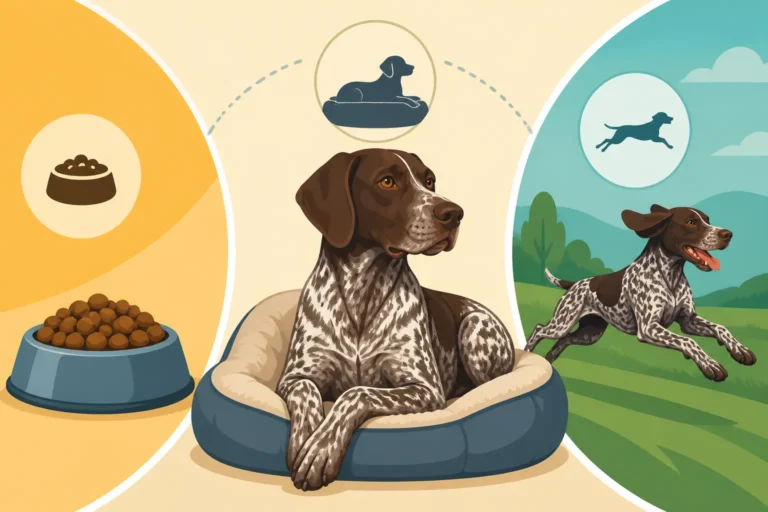
- Timing Walks and Play: Schedule outdoor activities for early mornings, late evenings, or on heavily overcast days. These times provide sufficient light for their rod vision to function effectively without the blinding glare that overwhelms their cone cells. Avoid midday walks or long periods in direct, intense sun.
- Shaded Areas: If outdoor time during the day is necessary, ensure there are ample shaded areas. A large patio umbrella, a shady tree, or even a covered kennel run can provide a safe haven where your GSP can relax comfortably.
- Indoor Lighting: Ensure your home is well-lit but avoid harsh, direct spotlights that could create uncomfortable glares. Natural, diffused light is often best. For indoor play, toys with good contrast against your flooring can be helpful.
- Safety First: Because their vision is compromised in bright light, these dogs are at a higher risk of accidents. Secure fenced yards are essential, and always keep them on a leash in unfamiliar or unfenced outdoor areas during the day. Consider adding ramps or steps for access to elevated surfaces rather than expecting them to jump blindly.
- Visual Cues: Since their night vision is fine, you might find that adding light-up or glow-in-the-dark toys for evening play can be a blast for them!
Remember, consistency is key. Establishing predictable routines and environments helps them learn to navigate their world with confidence, despite their visual limitations. If you have any concerns about modifying your home for your GSP, a quick chat with your veterinarian can provide tailored advice, and organizations like Healthy Paws can often clarify what home modification tools or accessories might be beneficial for long-term care plans.
Training and Activity Adjustments
Training a day-blind German Shorthaired Pointer requires patience and a focus on non-visual cues. While traditional visual hand signals might be less effective in bright light, these dogs typically have exceptional hearing and scenting abilities, which you can leverage.
- Verbal Commands: Emphasize clear, consistent verbal commands. Your GSP will learn to associate specific words with actions, relying on sound rather than sight.
- Scent Work: Engage their incredible nose! Scent games, tracking, and hide-and-seek with treats are fantastic ways to provide mental stimulation and build confidence. German Shorthaired Pointers are naturally gifted trackers, and this activity is often a huge hit for them.
- Auditory Cues: Use bells on toys, a whistle for recall, or even your voice to guide them during play. A distinct sound can help them orient themselves.
- Touch and Pressure: Incorporate touch cues during training. A gentle tap on the shoulder for "stay" or a leash pressure for "heel" can be highly effective.
- Hunting and Field Work: This is often a significant concern for GSP owners. While a day-blind GSP may struggle with traditional bird hunting that relies heavily on visual tracking and pointing in bright daylight, their exceptional nose and hearing still allow them to engage in other activities. Some day-blind GSPs can excel at blood tracking or scent discrimination work, enjoying a "working dog" role that taps into their innate abilities. It’s certainly a shift from what many expect, but it's not the end of their potential. For those wondering, Whether a Day Blind German Shorthaired Pointer Can Still Hunt is a topic worth exploring further.
The ultimate goal is to build a strong bond and provide enriching experiences that cater to their strengths, rather than dwelling on their limitations. Their intelligence and eagerness to please remain undiminished, making them wonderful partners even with compromised vision.
Prognosis and Long-Term Care for Affected Pointers
Receiving a diagnosis of Cone Degeneration for your beloved GSP puppy can be a gut punch, filled with worries about their future. However, it’s important to understand the prognosis and the realities of long-term care. This condition is certainly a challenge, but it is not a death sentence, nor does it typically lead to other health complications.
Non-Progressive Nature of the Condition
One of the most reassuring aspects of Cone Degeneration in German Shorthaired Pointers is its non-progressive nature. This means that once the symptoms appear and stabilize, they typically do not worsen over time. Your GSP's day vision won't deteriorate further than what you observe in their puppyhood. This is a crucial distinction from other degenerative eye diseases, like some forms of Progressive Retinal Atrophy, where vision can completely vanish.
For an affected GSP, their vision in low light will generally remain strong throughout their lives. This stability allows you to establish routines and adaptations with confidence, knowing that their visual landscape isn't going to keep shifting beneath their paws. It means you can plan for their future with a clearer understanding of what to expect, focusing on maximizing their quality of life. While you might worry about The Age a German Shorthaired Pointer Is Called Senior, this particular condition won't be a source of progressive decline in their later years.
Ensuring Quality of Life and Veterinary Support
Even though Cone Degeneration is non-progressive, it doesn't mean you can forget about regular veterinary care. Routine check-ups are essential to monitor their overall health and address any other age-related or breed-specific concerns that may arise over their The Twelve to Fourteen Years a German Shorthaired Pointer Gets. While there's currently no cure for CD, your veterinarian can help you manage symptoms and ensure your GSP remains comfortable and happy.
Key aspects of long-term care include:
- Regular Eye Exams: Even though CD itself doesn't progress, routine eye exams with a general practitioner or a veterinary ophthalmologist can help rule out any other concurrent eye conditions that might develop independently. They can also ensure the eyes remain healthy and free from irritation or injury, especially if your dog tends to bump into things more frequently. Learning how to interpret things like Reading a German Shorthaired Pointer's Eye Certificate can be helpful, though less directly relevant for CD since it's a genetic diagnosis.
- Protective Eyewear: In some cases, your vet might suggest Doggles or other protective eyewear for outdoor activities on very bright days. These can help reduce glare and protect the eyes from UV damage, making outdoor experiences more comfortable for your GSP.
- Enrichment: Continue to provide plenty of mental and physical stimulation. Focus on activities that rely on their other senses, like scent work, puzzle toys, and interactive play in appropriate lighting. A happy GSP is a busy GSP, and ensuring they have outlets for their energy and intelligence is crucial.
- Emotional Support: Living with a visual impairment can be frustrating for a dog. Provide plenty of reassurance, praise, and comfort. A strong bond with their human family will help them adapt and thrive.
- Financial Planning: Diagnostic tests, potential protective gear, and ongoing veterinary care can add up. Pet insurance, such as a plan from Healthy Paws, can be an invaluable tool to help manage the costs associated with chronic health conditions or unexpected incidents. Planning ahead financially for potential needs is a responsible part of dog ownership.
Ultimately, a German Shorthaired Pointer with Cone Degeneration can lead a wonderful life as a cherished family member. With your understanding, patience, and proactive care, they can navigate their world with confidence and bring immense joy to your home, proving that their spirit shines brightly even when their day vision doesn't.
Disclaimer
The information provided in this guide is intended for educational and informational purposes only and does not constitute veterinary medical advice. Always consult with a qualified veterinarian or veterinary ophthalmologist for any health concerns or before making any decisions about your pet's health or treatment.