Ear Infections in a Shorthair That Swims
If you're a German Shorthaired Pointer owner, especially one whose loyal companion loves a good dip in the lake or a retrieve in the pond, you know the frustration: chronic ear infections. It feels like a never-ending battle, with your dog scratching, shaking its head, and that tell-tale odor emerging. This guide will dive deep into why GSPs are so susceptible, how to spot the early warning signs, and most importantly, what you can do to prevent and treat those pesky ear troubles.
Why Swimmers Are More Prone to Ear Infections
It’s no secret that German Shorthaired Pointers adore water. Whether it's a quick splash in a creek during a summer hike or a full-on plunge for a duck retrieve, their enthusiasm is infectious. However, this love for swimming, combined with their unique ear anatomy, creates a perfect breeding ground for infections. It's a common lament among GSP owners, and often, you feel like you're constantly on alert for the next bout of redness or discomfort.
The Anatomy of a Shorthair's Ear
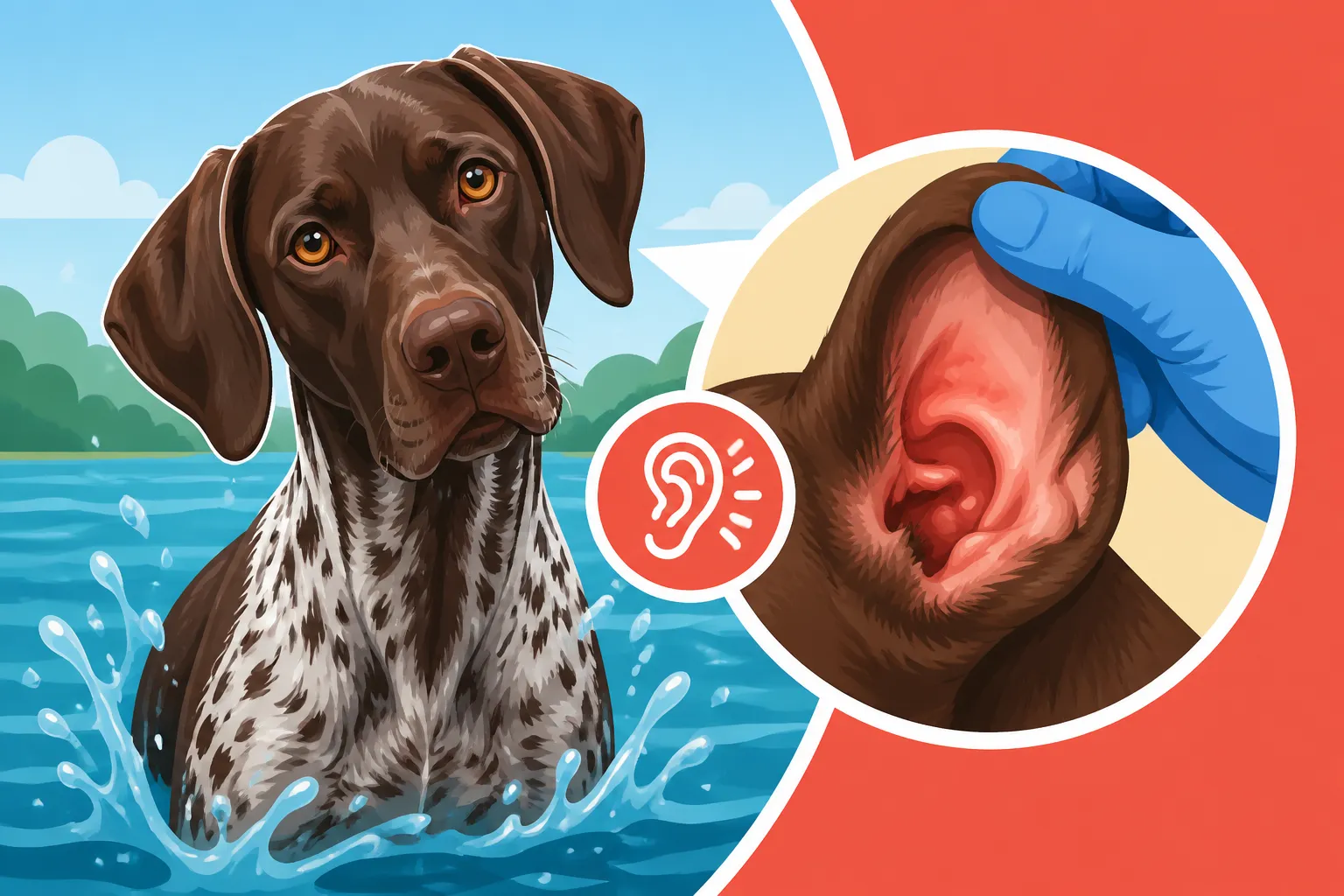
A German Shorthaired Pointer's ears, like many sporting breeds, are semi-pendulous – they hang down, covering the ear canal. This design, while perhaps giving them that soulful, expressive look we all love, isn't ideal for ventilation. The ear flap acts like a lid, trapping moisture and warmth inside the ear canal. Think of it like a humid greenhouse for bacteria and yeast, which thrive in such environments. Unlike breeds with upright ears, where air can circulate freely, a GSP's ear canal remains dark and moist.
Beyond the external flap, the internal structure also plays a role. The ear canal in dogs takes an "L" shape, making it difficult for fluid or debris to drain naturally. When water gets in, it can sit in that bend, unable to easily escape. This anatomical predisposition means that even a little bit of retained moisture can kickstart a problem, leading to inflammation and then, inevitably, infection. It's not a flaw in their design, per se, but it's a significant factor we, as owners, need to be aware of and actively manage.
Water, Warmth, and the Perfect Storm
Every time your German Shorthaired Pointer enjoys a swim, water inevitably finds its way into those already poorly ventilated ear canals. This trapped water dramatically increases the humidity within the ear. Couple that with the body heat emanating from your dog, and you have a warm, moist environment – the absolute ideal conditions for opportunistic microorganisms like bacteria and yeast to multiply rapidly. These aren't usually invaders; they are often normal residents of the skin that simply get out of control when conditions are right.
Consider a hot summer day after a long session of retrieving bumpers from a local pond. Your Shorthair is panting, their body temperature is up, and their ears are dripping wet. That combination can turn a healthy ear into an inflamed, itchy mess within hours. Furthermore, the chemicals in chlorinated pool water or the bacteria and algae in natural bodies of water can irritate the delicate skin lining the ear canal, weakening its natural defenses and making it even easier for infections to take hold. It's a delicate balance, and for a dog that loves to dive headfirst into any available water source, maintaining that balance is a constant challenge.
Recognizing the Early Signs of Trouble
Catching an ear infection early is key to preventing it from becoming a more severe, painful, and costly problem. German Shorthaired Pointers are stoic dogs, especially those bred for work, and they might try to tough out discomfort, so it's up to us to be observant. You know your dog best, and any deviation from their normal behavior should raise a red flag. Sometimes, the signs are subtle at first, and you might just dismiss a head shake as a minor annoyance, but it can quickly escalate.
Behavioral Clues Your Shorthair is Uncomfortable
One of the first things you might notice is an increase in head shaking. It might start subtly, just a little more often than usual, but as the irritation grows, it can become quite vigorous, as if they're constantly trying to dislodge something. Another common sign is excessive ear scratching. Your Shorthair might use a hind paw to dig at the ear, or even rub their head along furniture or the ground to alleviate the itch. This scratching can further irritate the skin, leading to secondary infections or even causing a hematoma if they rupture a blood vessel in the ear flap.
Beyond the direct ear-related behaviors, look for changes in their general demeanor. A usually energetic GSP might seem a bit more lethargic, less interested in playing or training. They might resist having their head touched, especially around the affected ear, or even vocalize when you try to examine it. Some dogs might hold their head tilted to one side, favoring the painful ear. If your normally happy-go-lucky Shorthair is suddenly withdrawn, grumpy, or showing signs of pain when you try to pet them, it's definitely time to take a closer look at those ears. It's easy to dismiss these early cues, but they are your dog's way of telling you something is amiss.
Visual and Olfactory Indicators of Infection
Beyond behavioral cues, there are several physical signs that point directly to an ear infection. Visually, you might notice redness or swelling around the ear canal opening or on the inner flap of the ear. The skin might appear inflamed or crusty, and in some cases, you might even see small abrasions from scratching. Sometimes, the ear canal itself might look narrower due to swelling. Discharge is another clear indicator; it can range from a waxy, dark brown build-up to a yellowish or greenish pus, depending on the type of infection.
Perhaps the most unmistakable sign for many owners is the smell. A healthy dog's ears should have little to no odor. However, an ear infection, particularly one caused by yeast, often produces a distinct, sweet, yeasty smell, sometimes described as similar to old bread or rotten fruit. Bacterial infections can smell more pungent or foul. Don't be afraid to take a sniff of your Shorthair's ears periodically, especially after a swim. If you catch The Smell That Means a Shorthair's Ear Is Infected early, you can often prevent the infection from escalating. Being proactive with your senses is crucial for keeping your swimming companion healthy and comfortable.
Preventative Measures for Water-Loving Shorthairs
Preventing ear infections, especially in a breed as water-inclined as the German Shorthaired Pointer, requires a consistent and multi-faceted approach. It's not just about one quick fix; it's about establishing a routine that supports ear health, particularly for those dogs that spend a lot of time splashing around. Without these preventative steps, you might find yourself on a never-ending cycle of vet visits and medications.
Post-Swim Ear Care Routine
The single most important preventative measure for a swimming GSP is meticulous post-swim ear care. As soon as your dog comes out of the water, it's crucial to dry their ears thoroughly. Use soft cotton balls or a clean, dry towel to gently wipe the visible parts of the ear canal and the inner flap. Never insert anything deep into the ear canal, as you could push debris further in or damage delicate structures. The goal is to absorb excess moisture, not to clean deep within.
Following drying, applying an ear drying solution specifically formulated for dogs is highly recommended. These solutions, often containing ingredients like boric acid or witch hazel, help to acidify the ear canal and evaporate any remaining moisture, making it a less hospitable environment for bacteria and yeast. Your veterinarian can recommend a good quality drying solution. This routine should become as regular as drying them off after a bath. Over time, this consistent habit will drastically reduce the frequency of ear infections and spare your beloved Shorthair a lot of discomfort. Many owners find that making this a fun, treat-filled ritual helps their dogs accept it willingly, rather than seeing it as an intrusive chore. For routine checks and if you notice any unusual discharge, remember that Whether Weekly Ear Cleaning Is Enough for a Shorthair really depends on their lifestyle.
Dietary Considerations and Underlying Allergies
Sometimes, ear infections aren't just about water; they can be a symptom of a deeper issue, like allergies. Many German Shorthaired Pointers, unfortunately, are prone to environmental or food allergies, and one of the most common manifestations of these allergies is itchy, inflamed ears. If your Shorthair gets recurrent ear infections even with diligent cleaning, it's worth discussing potential allergies with your vet. They might recommend an elimination diet or allergy testing to pinpoint the culprits.
Adjusting your dog's diet to a high-quality, limited-ingredient food, or one specifically designed for sensitive skin, can sometimes make a significant difference. Some owners find that adding omega-3 fatty acid supplements, like fish oil, can help improve overall skin and coat health, which in turn can strengthen the ear's natural defenses against inflammation. While diet isn't a direct solution for trapped water, it can reduce the underlying inflammatory response that makes ears more susceptible. This holistic approach ensures you're not just treating symptoms but addressing potential root causes that contribute to recurrent ear problems, particularly if your dog also shows signs of Environmental Allergies in a Shorthair That Works Cover.
Regular Maintenance and Vet Check-ups
Beyond daily post-swim care, regular ear maintenance is vital. This includes routinely checking your GSP's ears for any redness, discharge, or odor, even when they haven't been swimming. Gently lift the ear flap and take a good look and sniff. If you notice a small amount of dark, waxy build-up that's easy to wipe away with a cotton ball and doesn't smell foul, it might just be normal ear wax. However, if you see excessive debris, changes in color, or a strong odor, it's time to act. Don't ignore What Collects in a Shorthair's Folded Ear because it can quickly become problematic.
Furthermore, scheduling regular veterinary check-ups is paramount. Your vet can perform a thorough otoscopic examination of the ear canals, looking for any deeper issues or signs of infection that you might miss. They can also demonstrate the proper way to clean and dry your dog's ears and recommend appropriate products. If your GSP has a history of chronic ear infections, your vet might suggest more frequent visits to stay ahead of the problem. Many pet insurance providers, such as Healthy Paws, offer wellness plans that can help cover the cost of these routine check-ups and preventative care, making it easier to stay on top of your Shorthair's health without breaking the bank. Maintaining The Vet Schedule a Working Shorthair Should Keep is critical not just for ear health but for overall well-being.
When to Seek Veterinary Care
While diligent home care can prevent many ear infections, there are times when professional veterinary intervention is absolutely necessary. Trying to self-diagnose and treat an advanced ear infection can lead to prolonged suffering for your dog and potentially more serious complications down the line. It's crucial to know when your efforts at home aren't enough and when it's time to pick up the phone and call your vet.
The Dangers of Ignoring Ear Infections
Ignoring an ear infection, especially in a breed like the GSP that is prone to them, is a recipe for disaster. What starts as a minor irritation can quickly escalate into a painful, chronic condition. Untreated infections can spread deeper into the ear canal, affecting the middle and even inner ear, which can lead to more severe symptoms like loss of balance, hearing impairment, facial nerve paralysis, or even neurological issues. Imagine the constant, throbbing pain your dog would endure if an infection reaches these sensitive areas.
Chronic inflammation can also lead to permanent changes in the ear canal. The tissues can thicken and narrow, making it even harder to treat future infections and creating a vicious cycle. In severe, long-standing cases, the ear canal can become so calcified and obstructed that medical treatment is no longer effective, and surgical intervention, such as a Total Ear Canal Ablation (TECA), becomes the only option. This is a major, invasive surgery, and it's a future you want to avoid for your beloved companion at all costs. Acting early not only saves your dog pain but also saves you significant emotional and financial stress.
Diagnostic Tools Your Vet Will Use
When you bring your German Shorthaired Pointer to the vet with suspected ear issues, they won't just guess. They have a range of diagnostic tools to accurately identify the problem. First, they'll perform a thorough physical examination, observing your dog's demeanor, how they hold their head, and palpating the external ear. Then, they'll use an otoscope – a specialized instrument with a light and magnifying lens – to carefully examine the external ear canal and eardrum. This allows them to visualize the extent of inflammation, check for foreign bodies (like grass awns, which are common in hunting dogs), and assess the integrity of the eardrum.
Following the visual exam, your vet will almost certainly take a sample of any discharge from the ear. This sample will be examined under a microscope (a cytology). This simple, quick test allows them to identify the type of organisms present – whether it's yeast, different types of bacteria, or even ear mites. Knowing whether you're dealing with cocci or rods, or a yeast overgrowth, is critical for prescribing the correct medication. In some cases, especially with recurrent or stubborn infections, a bacterial culture and sensitivity test might be performed. This involves sending a sample to a lab to grow the bacteria and determine which antibiotics will be most effective against that specific strain, ensuring targeted and successful treatment. If anesthesia is required for a deep cleaning, your vet will consider Anesthesia Risk in a Lean German Shorthaired Pointer.
Treatment Options for Stubborn Ear Infections
Once your veterinarian has diagnosed the type of ear infection, they will formulate a treatment plan tailored to your German Shorthaired Pointer's specific needs. The goal is not just to clear the current infection but to provide relief from pain and discomfort and reduce the likelihood of recurrence. It's important to follow your vet's instructions precisely, even if your dog's ears seem to improve quickly, to ensure the infection is fully eradicated.
Topical and Oral Medications
For most acute ear infections, topical medications are the first line of defense. These typically come in liquid or ointment form and contain a combination of ingredients: an antibiotic to kill bacteria, an antifungal to combat yeast, and an anti-inflammatory steroid to reduce swelling and pain. Your vet will show you how to properly administer these drops or ointments into your GSP's ear canal, emphasizing the importance of massaging the base of the ear to help distribute the medication deep inside. Consistency is crucial; skipping doses can lead to resistant infections.
In more severe cases, or if the infection has spread beyond the ear canal, oral medications may be prescribed. This could include systemic antibiotics, antifungals, or even oral steroids to reduce widespread inflammation. Sometimes, a combination of both topical and oral treatments is necessary for a comprehensive attack on the infection. Pain medication might also be given to make your dog more comfortable during the initial stages of treatment. It's vital to complete the entire course of medication, even if your dog seems better, to prevent a relapse. Healthy Paws pet insurance policies can be a lifesaver here, often covering a significant portion of the costs for these medications and treatments, easing the financial burden during an unexpected health challenge.
Advanced Treatments and Chronic Cases
When a German Shorthaired Pointer suffers from chronic, recurrent ear infections that don't respond well to standard medical therapy, or if there's significant narrowing or damage to the ear canal, your vet might explore more advanced treatment options. One common approach is a thorough deep ear flush performed under sedation or general anesthesia. This allows the vet to meticulously clean out debris, wax, and discharge from the entire ear canal, which can be impossible to do effectively on a conscious dog, especially if they are in pain.
In some extreme, long-standing cases, where the ear canal has become permanently damaged, calcified, or tumors are present, surgical intervention might be recommended. The most common procedure is a Total Ear Canal Ablation (TECA), where the diseased ear canal is surgically removed. This is a last resort, as it can result in hearing loss in the affected ear, but it can provide immense relief from chronic pain and infection for dogs who have exhausted all other options. While this sounds daunting, the aim is always to restore your GSP's quality of life. Discussions around these types of surgeries might also involve considering the dog's overall health, including topics like The Heart Murmur a German Shorthaired Pointer Puppy Can Carry or other pre-existing conditions that could impact anesthesia.
Table: Key Signs and Solutions for German Shorthaired Pointer Ear Health
| Symptom Category | Specific Signs | Possible Causes (for Swimmers) | Recommended Action | When to See Vet |
|---|---|---|---|---|
| Behavioral | Head shaking, scratching, rubbing ear, head tilt, lethargy, pain when touched | Water in ear, yeast/bacterial infection, ear mites, foreign body, allergies | Gentle drying, use ear drying solution, observe | Persistent behavior, worsening pain, head tilt |
| Visual | Redness, swelling, discharge (waxy, yellow, green), crusting, abrasions, narrow canal | Trapped moisture, bacterial/yeast overgrowth, environmental irritants | Thorough post-swim care, gentle cleaning of outer ear | Any discharge, significant redness/swelling, visible foreign body |
| Olfactory | Yeasty smell (sweet/bread-like), foul or pungent odor | Yeast infection (yeasty), bacterial infection (foul) | Increase cleaning frequency, use ear drying solution | Any strong, persistent odor |
| Proactive Care | (No specific symptom, but vital) | (Preventative) | Regular ear checks, dietary management, appropriate ear cleansers | Routine wellness checks, especially for dogs with history of ear infections |
Disclaimer
The information provided in this guide is for general educational purposes only and should not be considered a substitute for professional veterinary advice. Always consult with a qualified veterinarian for any health concerns or before making any decisions related to your German Shorthaired Pointer's care, diet, or treatment. Every dog is unique, and what works for one may not be suitable for another.