What a Ten Year Old German Shorthaired Pointer Can Still Do
It’s a bittersweet moment when you start seeing those subtle signs of age creeping into your beloved German Shorthaired Pointer. One day they're a whirlwind of energy, chasing squirrels and pointing birds with boundless enthusiasm, and the next you notice a slight stiffness after a nap or a little less spring in their step during a long hike. It’s natural to wonder how much of that spark is left and what activities they can still truly enjoy without discomfort. This guide is here to reassure you and explore the many wonderful things a ten-year-old German Shorthaired Pointer can still do, helping you adapt and support them through their golden years.
Understanding the Senior German Shorthaired Pointer
When we talk about a ten-year-old German Shorthaired Pointer, we're definitely talking about a senior dog. While some breeds might still be considered middle-aged at this point, the GSP, with their intense energy and athletic build, often starts showing age-related changes earlier than some other, larger or more sedentary breeds. It doesn’t mean they’re ready for the retirement home with a blanket and a bowl of mush; it simply means their needs are shifting, and our approach to their care and exercise needs to shift with them.
What "Senior" Really Means for a GSP
For many German Shorthaired Pointers, the "senior" designation often begins around seven or eight years old, with ten years old placing them firmly in their golden years. However, much like people, every GSP is an individual. You might have a ten-year-old who still acts like a pup, eager for a long run, while another might be noticeably slower and more content with shorter, gentler activities. This variation depends heavily on genetics, their lifetime activity level, diet, and overall health. A GSP that has been a hard-charging field dog might show more wear and tear on their joints than a well-cared-for pet who enjoyed regular, but not extreme, exercise. It’s about observing your individual dog, rather than sticking strictly to a calendar age. Understanding the signs of aging is crucial to providing them with the best quality of life.
Common Age-Related Changes and How They Impact Activity
As GSPs age, a few common changes tend to pop up, and these can certainly influence what they're capable of doing. One of the most prevalent concerns is joint stiffness and arthritis. After years of running, jumping, and hard stops, those joints – especially hips and elbows – can start to ache. This might manifest as reluctance to jump into the truck, slower ascents up stairs, or a noticeable limp after a long walk. You might find yourself searching for information on Arthritis in a German Shorthaired Pointer at Eight long before you expected to. Another common change is a decrease in stamina. They might still be keen to go, but they tire faster and need more recovery time. Their once endless reserves of energy become finite.
Sensory decline is another factor. Vision and hearing can diminish, which might make them less responsive to distant commands or more easily startled. While a GSP's nose is legendary, even that can become slightly less acute with age. These changes don't mean the fun is over, but they do require us to be more patient, provide clearer communication, and create a more predictable environment. They might also experience changes in metabolism, leading to weight gain if their diet isn't adjusted, or a decline in muscle mass if exercise becomes too sparse. All these factors contribute to how much a ten-year-old GSP can still do, and how we can best support them.
Activities a Ten-Year-Old GSP Can Still Enjoy
The good news is that a ten-year-old German Shorthaired Pointer can absolutely still live a fulfilling and active life. The key isn't to stop activity entirely, but to modify it to suit their changing bodies and energy levels. It’s about quality over quantity, and often, revisiting the joy of simpler pleasures.
Continued Hunting and Field Work
For many GSP owners, the thought of their seasoned hunting partner slowing down is tough. These dogs live to hunt, and taking that away entirely can impact their mental well-being. The fantastic news is that many ten-year-old GSPs can still enjoy hunting and field work, just perhaps with a few adjustments. Instead of full-day excursions through heavy cover, consider shorter hunts in more open terrain where they don't have to push as hard. They might be able to manage How Many Seasons a German Shorthaired Pointer Hunts, but the daily effort will need to be reevaluated. You might focus on a few birds, or just enjoy watching them work a familiar field for an hour or two.
Many older GSPs become incredibly intelligent and methodical hunters. They've learned where the birds hold, how to conserve energy, and how to read the wind. Their experience can often compensate for a slight drop in speed. You might notice them still holding a staunch point, even if the retrieve itself takes a little longer. It's about respecting their limits. If you're a serious hunter, you might switch to taking them out for a few hours in the morning, then bringing them home to rest while a younger dog takes over. This allows them to still participate in the activity they love, maintaining that vital mental stimulation and connection with you, without overdoing it. Remember to always have plenty of water and shade available, and be extra vigilant about signs of fatigue or overheating, especially on warmer days.
Enjoyable Daily Exercise and Mental Stimulation
While the intensity might dial back, consistent, appropriate exercise remains vital for a senior GSP. Daily walks are still excellent, though they might become more of a leisurely sniff-a-thon rather than a brisk jog. Instead of thinking about How Far a German Shorthaired Pointer Runs in an Hour, think about enjoying the time together, exploring scents, and moving those joints gently. Many older GSPs still love swimming, which is fantastic for low-impact exercise. The buoyancy of the water takes pressure off their joints, making it a comfortable way to get exercise and stay cool. Just ensure the water isn't too cold, and they have easy entry and exit points.
Mental stimulation is arguably even more important for senior GSPs. Their bodies may be aging, but their minds are often still sharp. Puzzle toys, scent work, and short training sessions can keep their brains active and engaged. Hide-and-seek with treats in the house or yard, or even just teaching them new, simple tricks, can be incredibly rewarding. These activities don't tax their bodies but prevent boredom and cognitive decline. Many owners find that even just ten to fifteen minutes of focused mental work can tire an older GSP more effectively than a long, physically demanding session.
Maintaining Social Connections
German Shorthaired Pointers are inherently social creatures, deeply bonded to their families. As they age, maintaining these social connections is crucial for their emotional well-being. This means continuing to include them in family activities, even if it’s just lying at your feet while you watch TV or supervising yard work from a comfortable spot. Gentle interactions with other calm, well-mannered dogs can also be beneficial. A busy, boisterous dog park might be too much, but a supervised playdate with a known canine friend could be perfect.
Consider visits to quiet, familiar places where they can interact with friendly people and dogs at their own pace. Perhaps a short trip to a pet-friendly cafe or a stroll through a local park during off-peak hours. These outings provide mental enrichment and reinforce their bond with you, preventing them from feeling isolated or forgotten as their physical capabilities change. Just like us, senior dogs thrive on routine and feeling like an integral part of the family.
Supporting Your Aging German Shorthaired Pointer's Health
Beyond activity modifications, a proactive approach to your GSP's health is paramount as they enter their senior years. This involves everything from what goes in their bowl to regular vet check-ups and creating a safe, comfortable home environment.
Nutritional Adjustments for Senior Dogs
As a GSP ages, their metabolism tends to slow down, and their activity level might decrease, even if slightly. This means their caloric needs often drop, and maintaining a healthy weight becomes critical to prevent undue stress on their joints. Look for senior-specific dog foods that are typically lower in calories but still provide excellent nutrition. Many brands formulate senior diets with added joint support ingredients like glucosamine and chondroitin. You can also discuss Joint Supplements for a Hunting German Shorthaired Pointer with your vet, as these can make a significant difference in comfort and mobility.
Additionally, consider the quality of the ingredients. Lean protein is important for maintaining muscle mass, which can naturally decline with age. Ensuring they get enough omega-3 fatty acids can help reduce inflammation, benefiting both their joints and skin. Fresh water should always be readily available, and for older dogs, especially those with dental issues, sometimes adding a little water to their kibble can make it easier to eat. Regular monitoring of their body condition is key. You should still be able to easily feel their ribs, but not see them prominently.
Proactive Veterinary Care and Pain Management
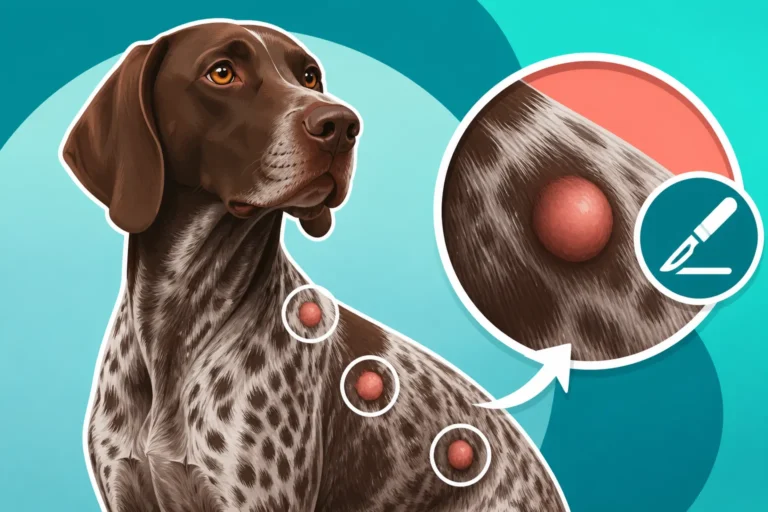
Regular veterinary check-ups become even more crucial for a ten-year-old GSP. Twice-yearly senior wellness exams are often recommended, allowing your vet to catch potential issues early. These visits typically include blood work to check organ function, urinalysis, and a thorough physical examination, including checking for lumps and bumps. If you’re concerned about things like Weight Gain That Points at a Shorthair's Thyroid, regular blood panels can help diagnose issues like hypothyroidism.
If your GSP is showing signs of arthritis or joint pain, your vet can discuss various pain management strategies. This might include anti-inflammatory medications, cold laser therapy, acupuncture, or physical therapy. Many progressive vets now offer canine rehabilitation services that can significantly improve an older dog's quality of life, helping them regain strength and mobility. Don't let your GSP suffer in silence; there are many effective treatments available to help manage chronic pain. Insurance providers like Healthy Paws can be invaluable for helping to cover unexpected vet bills or ongoing treatments for age-related conditions, allowing you to prioritize your dog's comfort without financial strain.
Creating a Comfortable and Safe Home Environment
Making your home senior-friendly can dramatically improve your GSP's daily life. Consider adding orthopedic dog beds in their favorite resting spots to support aching joints. If they struggle with slippery floors, lay down runners or carpets to provide better traction, especially in high-traffic areas or where they jump on and off furniture. Ramps can be a lifesaver for helping them get into cars, onto beds, or up stairs, reducing the strain on their hips and knees. You might look into options for Helping a Stiff Old German Shorthaired Pointer Get Up to make their lives easier.
Ensuring easy access to food and water is also important. If they have difficulty bending down, elevated bowls can make mealtime more comfortable. For GSPs with vision or hearing loss, maintaining a consistent routine and avoiding moving furniture helps them navigate their environment confidently. Keep pathways clear and consider nightlights for nighttime excursions. Remember, their comfort and safety are paramount as they navigate their senior years. A thoughtful home environment reduces their risk of injury and promotes overall well-being.
Senior German Shorthaired Pointer Activity Modifications
Here’s a quick overview of how you might adjust activities for your ten-year-old German Shorthaired Pointer:
| Activity | Typical for Younger GSP | Modified for 10-Year-Old GSP | Benefits |
|---|---|---|---|
| Hunting/Field Work | Full-day hunts, heavy cover, extensive retrieves | Shorter outings (1-2 hours), open cover, fewer retrieves | Mental stimulation, maintains breed instinct, less physical strain |
| Daily Exercise | Long runs, biking, intense fetch sessions | Gentle walks, swimming, short, controlled fetch with soft toys | Joint health, muscle maintenance, low-impact cardio |
| Mental Stimulation | Advanced obedience, complex field trials | Scent games, puzzle toys, simple new tricks, familiar training | Cognitive function, prevents boredom, strengthens bond |
| Social Interaction | Busy dog parks, strenuous play with multiple dogs | Quiet playdates with known, calm dogs, family time, pet-friendly outings | Emotional well-being, reduces isolation, maintains manners |
| Home Environment | No special considerations | Orthopedic beds, non-slip rugs, ramps, elevated bowls | Comfort, reduces injury risk, improves mobility |
| Veterinary Care | Annual check-ups, vaccinations | Bi-annual wellness exams, bloodwork, pain management discussions | Early detection of disease, maintains comfort, proactive care |
Don't be afraid to think outside the box to keep your senior GSP engaged. Even gentle stretching exercises, recommended by a vet or canine physical therapist, can make a huge difference in their mobility and comfort. You might also consider whether The Age a German Shorthaired Pointer Slows in the Field is consistent with your dog's current behavior, and adjust your expectations accordingly.
As your GSP ages, their needs will continue to evolve, and you may find yourself exploring topics like Helping a Stiff Old German Shorthaired Pointer Get Up or Feeding a German Shorthaired Pointer That Has Stopped Hunting. Remember that organizations like Healthy Paws can provide peace of mind regarding vet costs for chronic conditions that often emerge in older dogs, enabling you to focus on their care. The most important thing is to continue to provide them with love, attention, and tailored care that respects their changing abilities, allowing them to enjoy their golden years to the fullest.
Disclaimer
This article is intended for informational purposes only and does not constitute veterinary advice. Always consult with a qualified veterinarian for any health concerns or before making any decisions about your German Shorthaired Pointer's care, diet, or exercise regimen. Individual needs may vary.