Ordering a Cone Degeneration Test on a Shorthair Puppy
It’s truly heartbreaking to notice subtle changes in your lively German Shorthaired Pointer puppy’s vision, especially when you know their world revolves around sight, scent, and motion. Trying to figure out why your young dog might be bumping into things in bright sunlight or struggling to track a toy can be incredibly confusing and distressing. This guide is here to walk you through everything you need to know about ordering a cone degeneration test, helping you understand this condition and take proactive steps for your beloved Shorthair's future.
Understanding Cone Degeneration in German Shorthaired Pointers
Imagine a world where bright sunlight makes everything a blurry, painful mess. That's a bit like what some German Shorthaired Pointers experience with cone degeneration, a hereditary eye disease that can steal their day vision. It’s a condition that can catch owners off guard, especially in a breed known for its boundless energy and sharp senses.
What is Cone Degeneration?
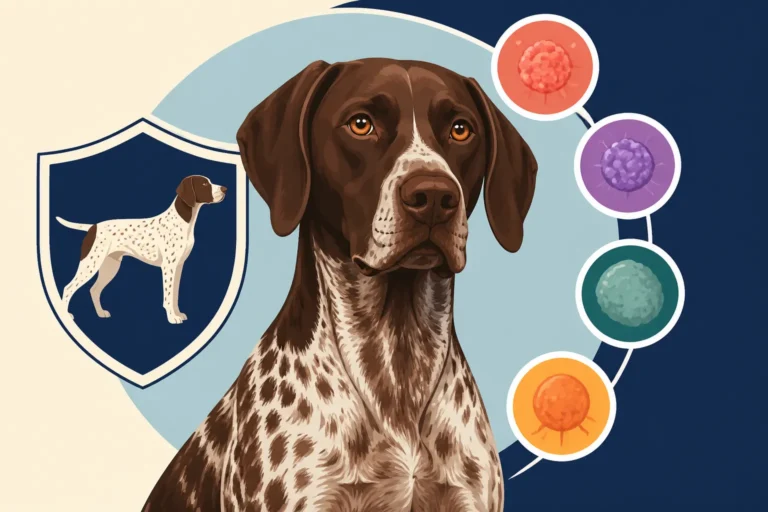
Cone degeneration, often abbreviated as CD, is an inherited eye disease that specifically affects the cone photoreceptor cells in a dog's retina. These cone cells are responsible for vision in bright light and the perception of color. Unlike rods, which handle low-light vision, cones are critical for navigating during the day, distinguishing objects, and detecting movement in well-lit environments. When these cells degenerate or don't function properly, it leads to progressive vision impairment in daylight conditions. It's not usually something you'd notice in a newborn puppy, but rather as they start to mature, typically becoming apparent within the first few months of life, often between 8 to 12 weeks of age, though it can sometimes manifest a bit later.
The Impact on a Shorthair's Vision
For a German Shorthaired Pointer, a breed famous for its keen eyesight and ability to spot game from a distance, the impact of cone degeneration can be profound. Affected dogs will display signs of day blindness, meaning their vision is significantly reduced or absent in normal to bright light conditions. You might notice your energetic puppy becoming hesitant to go outside on a sunny day, or perhaps they'll bump into furniture and objects that are clearly visible to other dogs. They might move much more cautiously, relying heavily on their sense of smell and hearing, which can be particularly disheartening for an owner expecting a fearless, fast-moving companion. Conversely, their night vision, handled by rod cells, remains unaffected, so they might navigate perfectly well in dim light or at dusk. This stark difference between day and night behavior can be a significant clue for owners. If you're observing how a day blind Shorthair behaves in bright sun, you'll see a dramatic change in confidence and mobility.
Why Early Detection Matters
Early detection of cone degeneration is crucial for several reasons, both for the individual dog and for the breed as a whole. For an affected puppy, knowing they have CD allows you to make necessary adjustments to their environment and routine, ensuring their safety and quality of life. For instance, you might adapt their training schedule to cooler, dimmer parts of the day, or ensure outdoor playtime happens in shaded areas. From a breeding perspective, early testing allows responsible breeders to identify carriers and affected dogs, making informed decisions to prevent passing the gene onto future generations. Without this knowledge, the gene could unknowingly continue to spread through the breed, causing more heartache for countless puppies and their families down the line. Understanding The Gene Behind Cone Degeneration in Shorthairs is paramount for responsible breeding practices and the long-term health of the breed.
The Genetics Behind Cone Degeneration
Genetics can feel like a labyrinth, especially when you're trying to understand how a condition like cone degeneration crops up in your German Shorthaired Pointer. But understanding the inheritance pattern is key to not only identifying affected dogs but also preventing future cases.
The Gene Behind Cone Degeneration in Shorthairs
Cone degeneration in German Shorthaired Pointers is caused by a specific genetic mutation. This isn't some random fluke; it's a mutation in the CNGB3 gene that has been identified and can be reliably tested for. This gene provides instructions for making a protein that is essential for the normal function of cone photoreceptor cells. When there's a mutation, these instructions are faulty, leading to cones that either don't develop properly or quickly degenerate, resulting in day blindness. The scientific identification of this specific gene has been a game-changer, allowing for definitive testing rather than relying solely on observable symptoms, which can sometimes be subtle or mistaken for other issues.
Inheritance Patterns: Affected, Carrier, Clear
Cone degeneration is inherited in an autosomal recessive pattern. What does that mean for your Shorthair? Let's break it down:
- Clear (N/N): A "clear" dog has two normal copies of the CNGB3 gene. They will not develop cone degeneration and cannot pass the gene on to their offspring. They are completely free of the genetic mutation.
- Carrier (N/CD): A "carrier" dog has one normal copy of the gene and one copy with the cone degeneration mutation. These dogs are clinically normal; they do not develop the disease themselves because the single normal copy is enough for their cone cells to function correctly. However, they can pass the mutated gene on to their puppies. This is why a carrier Shorthair never loses its sight, but they are crucial for understanding breeding outcomes.
- Affected (CD/CD): An "affected" dog has two copies of the mutated CNGB3 gene. These are the dogs that will develop cone degeneration and experience day blindness. They will also pass a mutated copy of the gene to all of their offspring.
The implications for breeding are straightforward:
- If you breed a Clear dog with a Clear dog, all puppies will be Clear.
- If you breed a Clear dog with a Carrier dog, roughly 50% of the puppies will be Clear and 50% will be Carriers. None will be Affected.
- If you breed a Carrier dog with a Carrier dog, approximately 25% of the puppies will be Clear, 50% will be Carriers, and 25% will be Affected. This is why breeding two carriers together is generally discouraged.
- If you breed an Affected dog with a Clear dog, all puppies will be Carriers.
- If you breed an Affected dog with a Carrier dog, 50% of the puppies will be Carriers and 50% will be Affected.
- If you breed an Affected dog with an Affected dog, all puppies will be Affected.
Understanding this allows breeders to make responsible choices to eliminate the disease from their lines without sacrificing other valuable traits, as long as they test their breeding stock. The cost of ordering a Cone Degeneration Test on a Shorthair Puppy is a small investment for such vital information.
Understanding Carrier Status and Breeding Decisions
For many German Shorthaired Pointer owners, discovering their dog is a carrier can bring a mix of relief and concern. Relief because their beloved companion won't suffer from the disease, but concern about potential breeding decisions. A carrier dog, by definition, is healthy. They live a full life with perfect day vision. The concern primarily arises if that carrier dog is part of a breeding program.
Responsible breeders use DNA testing not to eliminate carrier dogs from the gene pool entirely, but to ensure they are bred responsibly. A carrier dog can be bred to a "clear" dog without producing any affected offspring. All puppies from such a pairing would be either clear or carriers, but none would develop day blindness. This approach allows breeders to retain valuable genetics—perhaps exceptional hunting ability, temperament, or conformation—that a carrier dog might possess, without inadvertently spreading the disease. The key is knowing your dog's status and ensuring any potential mate is also tested and confirmed "clear." This proactive testing is part of a broader commitment to canine health, much like investing in pet insurance from companies like Healthy Paws for unforeseen health issues, ensuring you're prepared for whatever comes.
How to Order a Cone Degeneration Test for Your Shorthair Puppy
Getting your German Shorthaired Pointer puppy tested for cone degeneration is a straightforward process, thankfully. It doesn't involve any invasive procedures or trips to a specialized clinic, which is a relief for both you and your young, energetic dog.
Choosing a Reputable Testing Laboratory
The first step is selecting a reliable genetic testing laboratory. You want a lab that is experienced in canine genetics and specifically offers the cone degeneration test (CNGB3 mutation) for German Shorthaired Pointers. Some well-known and reputable labs include Embark Veterinary, Optimal Selection (now part of Wisdom Panel), and the Orthopedic Foundation for Animals (OFA) through their various DNA test partners. Many breed clubs, like the German Shorthaired Pointer Club of America, will often recommend specific labs or have resources on their websites to guide you. It's always a good idea to check reviews and ensure the lab provides clear, easy-to-understand results. Don't just pick the cheapest option; reliability and accuracy are paramount when it comes to genetic health.
Collecting Your Puppy's DNA Sample
Once you've chosen a lab, they will send you a DNA collection kit. These kits are usually incredibly simple and designed for at-home use, which is great for avoiding extra vet visits. Typically, they contain sterile cheek swabs. You'll simply need to swab the inside of your puppy's cheek firmly for about 30-60 seconds to collect enough cheek cells.
Here’s a quick step-by-step for collection:
- Isolate Your Puppy: Make sure your puppy hasn't eaten or nursed for at least an hour before swabbing. This prevents food particles or maternal DNA from contaminating the sample.
- Open the Swab Package: Carefully open the sterile packaging without touching the cotton tip of the swab.
- Swab the Cheek: Gently but firmly rub the cotton tip along the inside of your puppy's cheek and under their tongue. Rotate the swab as you go to maximize cell collection. Do this for at least 30 seconds per swab. Most kits include two swabs for redundancy.
- Air Dry: Allow the swab to air dry for a few minutes before placing it back into its paper sleeve or envelope. Do NOT use plastic bags, as this can trap moisture and promote bacterial growth, which could degrade the DNA.
- Mail It In: Follow the lab's specific instructions for packaging and mailing your sample back to them.
It really is that simple. The hardest part might be getting your curious Shorthair puppy to hold still for a minute! After you've sent it off, patience is key. Results usually take a few weeks to process, but the peace of mind is well worth the wait.
Interpreting the Test Results
When your results arrive, they will typically classify your German Shorthaired Pointer puppy as either "Clear," "Carrier," or "Affected."
- Clear (N/N): This is the best news! Your puppy has no copies of the gene mutation and will not develop cone degeneration. They also won't pass it on.
- Carrier (N/CD): Your puppy carries one copy of the mutation. They will not develop the disease themselves, but they can pass it on to their offspring. If you plan to breed them, you'll need to ensure their mate is tested and confirmed Clear. This information is particularly vital for breeders, helping to ensure the health of future generations.
- Affected (CD/CD): Your puppy has two copies of the mutation and will develop day blindness. This result means you can proactively prepare for managing their vision impairment, making their life as comfortable and safe as possible. While it's tough news, it allows you to understand what's happening and tailor their care. Remember, their night vision will still be intact.
Some labs also provide a detailed explanation of the results and implications, and many will list these results in public databases like the OFA, if you provide permission. This transparency is incredibly important for breed health over time. For any questions, don't hesitate to reach out to the testing lab or your veterinarian, who can help clarify the information. This proactive step helps you manage your dog's specific needs, much like how many owners research The Vet Schedule a Working Shorthair Should Keep to stay ahead of potential health challenges.
Living with a Cone Degeneration Affected or Carrier Shorthair
Whether your German Shorthaired Pointer puppy tests as a carrier or affected, understanding their status allows you to provide the best possible care and make informed decisions for their future. It's about adapting and ensuring their quality of life remains high.
Managing Life with an Affected Shorthair
If your puppy tests as "affected" for cone degeneration, it means they will develop day blindness. This can be a hard pill to swallow, but it's important to remember that these dogs can still lead incredibly happy and fulfilling lives. Their world simply becomes one where other senses take the lead during the day.
Here’s how you can help them thrive:
- Adjust Routines: Schedule walks, playtime, and training sessions during dawn, dusk, or cloudy days when light is softer. In bright sunlight, consider shaded areas or indoor activities.
- Consistent Environment: Try to keep your home environment consistent. Avoid moving furniture frequently, and create safe, familiar paths. This minimizes bumping into things and helps build their confidence.
- Verbal Cues: Rely heavily on verbal commands and sound. A jingle bell on your shoe can help them track your location. Consistent verbal cues for steps, doorways, or turns can be invaluable.
- Safety First: Supervise outdoor time closely, especially in unfamiliar or brightly lit areas. A long line can provide security without restricting their exploration too much. Consider dog booties to protect their paws if they're more prone to bumping into things.
- Enrichment: Focus on games that engage their superb sense of smell and hearing. Scent work, puzzle toys, and auditory cues will become their favorite activities.
- Emotional Support: Your Shorthair will pick up on your emotions. Stay calm, confident, and reassuring. They thrive on consistency and positive reinforcement. They still have their incredible drive and desire to please, you just need to channel it differently. For instance, while they might struggle with visually tracking a pheasant in bright light, their nose will still be top-notch, allowing them to participate in scent-based activities or even specific types of hunting adapted to their vision. For insights on managing potential issues, you might find information on Signs a German Shorthaired Pointer's Day Vision Is Failing helpful.
The Role of Carriers in Breeding Programs
For a German Shorthaired Pointer found to be a "carrier" (N/CD), their personal health isn't impacted by cone degeneration. They will have normal vision throughout their lives. The importance of their carrier status comes into play primarily for breeding.
Responsible breeders understand that simply eliminating all carriers from a breeding program can severely limit genetic diversity, potentially introducing other health problems in the long run. Instead, the strategy is to manage the gene effectively. A carrier dog, if they possess other desirable traits (like excellent temperament, conformation, or proven hunting ability), can still be part of a thoughtful breeding program, but only when bred to a "clear" mate. This ensures no affected puppies are produced.
Breeders who utilize carriers responsibly often adhere to strict testing protocols, making sure every potential breeding partner is DNA tested for CD. They also provide full disclosure to potential puppy buyers about the carrier status of the parents and the likelihood of puppies being carriers themselves. These puppies, if identified as carriers, would then also be part of a managed breeding approach in their future, or simply live full, healthy lives as pets. This careful approach helps to reduce the prevalence of cone degeneration over generations while maintaining genetic diversity within the breed. It also offers peace of mind, similar to how an insurance provider like Healthy Paws can offer coverage for unexpected health challenges, highlighting the importance of preventative measures and preparedness.
Supporting Your Dog's Overall Eye Health
Regardless of their cone degeneration status, maintaining excellent overall eye health is paramount for any German Shorthaired Pointer. Regular veterinary check-ups are key, as your vet can spot early signs of other potential issues. They’ll also be able to conduct specific tests, such as those recommended by organizations like the American College of Veterinary Ophthalmologists (ACVO).
Things you can do at home include:
- Daily Visual Checks: Briefly inspect your dog's eyes daily. Look for any redness, discharge, cloudiness, squinting, or signs of discomfort.
- Cleanliness: Gently wipe away any discharge with a clean, damp cloth or a vet-approved eye wash. Avoid using harsh chemicals or cloths that could scratch their eyes.
- Protection: If your Shorthair runs through dense cover while hunting, consider protective eyewear (like Doggles) to prevent minor injuries, which can sometimes escalate to more serious issues. For insights into general eye care, you might want to read about The ACVO Eye Exam a Shorthair Needs Each Year or learn more about Eye Injuries a Shorthair Gets Running Heavy Cover.
- Nutrition: Ensure your dog is on a high-quality diet rich in antioxidants, omega-3 fatty acids, and vitamins A, C, and E, all of which support eye health. Your veterinarian can recommend specific supplements if needed, but a balanced diet is usually the best starting point.
- Hydration: Proper hydration is vital for overall health, including eye health. Ensure your Shorthair always has access to fresh, clean water, especially after vigorous exercise.
By being diligent with regular care and routine check-ups, you can contribute significantly to your German Shorthaired Pointer's long-term eye health, helping them maintain their incredible zest for life. Even if your dog has certain genetic predispositions, proactive care, combined with comprehensive pet insurance like Healthy Paws, ensures you're ready for anything.
Cone Degeneration Test Results and Implications
Here’s a summary of what your test results mean and the next steps:
| Result Status | Genetic Makeup | Vision Impact (Daylight) | Breeding Recommendation | Key Takeaway |
|---|---|---|---|---|
| Clear | N/N | Normal | Can be bred to any dog. | No risk of CD for this dog or its offspring (unless bred to affected). |
| Carrier | N/CD | Normal | Breed only to a "Clear" dog. | Will not develop CD, but can pass the gene to offspring. |
| Affected | CD/CD | Day blindness | Should NOT be bred. | Will develop CD. Manage their environment and routine for safety and comfort. |
This table provides a quick reference to help you understand the core implications of the cone degeneration test. It’s a powerful tool for informed decision-making, whether you’re a pet owner or a dedicated breeder looking to improve the German Shorthaired Pointer breed.
Disclaimer
Please remember that the information provided in this guide is for informational purposes only and is not a substitute for professional veterinary advice. Always consult with a qualified veterinarian or a certified veterinary ophthalmologist for any concerns regarding your German Shorthaired Pointer's health and specific medical conditions.