Eye Injuries a Shorthair Gets Running Heavy Cover
It's a gut-wrenching moment for any German Shorthaired Pointer owner: seeing your tireless hunting partner emerge from dense cover, head down, one eye squinting or watering uncontrollably. These active dogs, bred for their relentless drive through tough terrain, are highly susceptible to painful eye injuries. This guide will walk you through understanding the common culprits, recognizing the signs, providing crucial first aid, and implementing preventative measures to keep your GSP's precious vision safe in the field.
Navigating the Hazards of Heavy Cover
German Shorthaired Pointers are, by their very nature, fearless and relentless hunters. They crash through brush, weave through tall grasses, and push into dense thickets with an enthusiasm that's truly admirable. However, this same drive, while making them exceptional bird dogs, also exposes their vulnerable eyes to a myriad of hazards. It's not a question of if your GSP will encounter challenging cover, but when, and understanding those challenges is the first step in protecting them.
Identifying Risky Vegetation and Environments
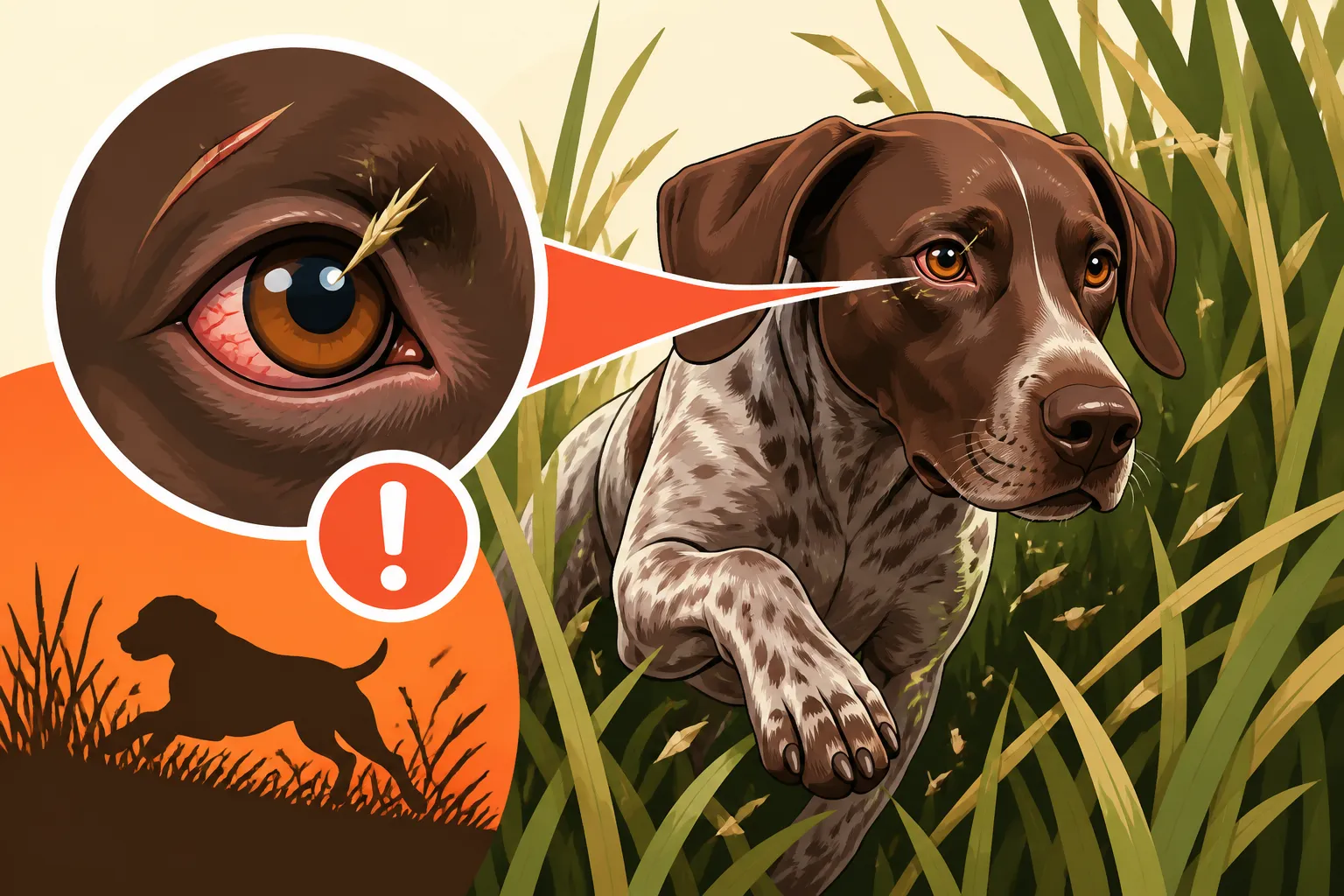
The world your Shorthair navigates is a wild and untamed one, full of potential eye threats. Think about the types of cover you hunt: thick stands of switchgrass or bluestem that whip back with force, thorny rose bushes or multiflora rose hedges, dense stands of young saplings, or even crops like corn stalks. Each of these presents a unique danger. Fine, wispy seeds and awns, often found on wild oats or foxtail grasses, can easily become lodged under an eyelid or embed directly into the cornea. Sharp, stiff twigs from shrubs or low-hanging branches from trees can scratch or even puncture the eye. Even seemingly innocuous leafy cover can harbor hidden dangers, especially if it’s dry and brittle, ready to splinter into sharp shards upon impact.
Consider your locale too. In the Pacific Northwest, salmonberry or blackberry bushes are notorious for their thorns. In the Midwest, the stiff stalks of leftover cornfields can act like tiny spears. Even a simple clump of weeds can hold a sharp burr waiting to cause trouble. It’s a constant battle between their instinct to push through and the fragile nature of their eyes.
How a Shorthair's Hunting Style Increases Risk
A German Shorthaired Pointer’s hunting style is a double-edged sword when it comes to eye safety. They are not dogs that gingerly pick their way through cover; they are powerhouses, pushing forward with their heads down, relying on their incredible scenting ability. This low-to-the-ground, driving approach means their eyes are often directly in the path of whipping branches, abrasive grasses, and low-lying thorns. Their short, dense coats offer little to no protection for their faces, unlike some longer-coated breeds that might have a bit more natural shielding around their eyes.
Furthermore, their boundless energy means they rarely slow down, even when entering particularly dense areas. A GSP on point, locked onto a bird, might be oblivious to the thorny vine brushing against its eye as it holds staunch. This intense focus, combined with their athletic, fast-paced movement, means they often don't have time to react and blink, leaving their eyes exposed to impact. This relentless nature, while a hallmark of the breed, demands extra vigilance from us as owners.
Common Eye Injuries in the Field
When your German Shorthaired Pointer is doing what they love best, crashing through cover, their eyes are on the front line. The types of injuries they can sustain range from minor irritations to severe, vision-threatening trauma. Understanding these common injuries will help you identify the problem quickly and respond appropriately.
Corneal Abrasions and Punctures
This is perhaps the most frequent type of eye injury seen in GSPs who hunt heavy cover. A corneal abrasion is essentially a scratch on the surface of the eye – the cornea. Imagine a tiny twig, a stiff blade of grass, or even a piece of grit whipping into your dog’s eye at speed. It’s incredibly painful and can feel like sand constantly rubbing against the eye. The cornea is covered with nerve endings, making even a small scratch acutely uncomfortable.
A puncture, while less common, is far more serious. This occurs when an object, like a sharp thorn or a stiff, broken twig, penetrates deeper into the corneal layers, or even through the entire cornea, entering the anterior chamber of the eye. This is an immediate emergency and can lead to severe infection, glaucoma, or even loss of the eye if not treated promptly. Both abrasions and punctures can quickly become infected if bacteria are introduced, which is highly likely in a field environment. This is where a robust pet insurance plan, like those offered by Healthy Paws, can be invaluable, covering the unexpected costs of such urgent care.
Foreign Bodies and Irritants
Beyond simple scratches, foreign objects themselves can become lodged in or around the eye. These range from the obvious, like a burr stuck to the eyelid or a piece of plant material caught under the third eyelid, to the insidious, such as tiny grass awns or seeds that embed themselves in the conjunctiva (the pink tissue surrounding the eye) or even the cornea itself. We've all been there, brushing burrs off our dogs after a hunt, but it's easy to miss something tiny near the eye.
These foreign bodies cause constant irritation, leading to excessive blinking, squinting, rubbing, and discharge. If left untreated, they can cause chronic inflammation, ulceration, or introduce infection. Some, like the notorious foxtail, can even migrate, causing deeper, more severe damage if they aren't removed promptly. Regularly checking a German Shorthaired Pointer over after a hunt should always include a thorough examination of their eyes and surrounding areas.
Blunt Trauma and Eyelid Lacerations
While direct punctures are often due to sharp objects, a German Shorthaired Pointer can also experience blunt trauma to the eye. This might happen if they run full-speed into a low-hanging branch, or if another dog in the field accidentally paws them in the face. Blunt trauma can cause swelling around the eye, bruising, or even internal damage to the eye itself, such as hyphema (blood in the anterior chamber) or retinal detachment. It might not look as dramatic as a laceration, but the internal damage can be just as severe.
Eyelid lacerations are another concerning injury. A sharp stick or thorn can easily cut through the delicate skin of the eyelid. While the eyeball itself might be spared, eyelid lacerations are painful, bleed profusely, and require veterinary attention for proper cleaning and suturing. These injuries can sometimes impact the tear ducts, leading to long-term issues with tear production or drainage. It's a reminder that their entire ocular area is at risk in dense cover.
Recognizing the Signs of Eye Trouble
The key to preventing severe complications from eye injuries is early detection. Your German Shorthaired Pointer is a tough dog, and they might try to hide discomfort, especially when their hunting drive kicks in. As their owner, you need to be a keen observer, both in the field and after the hunt, to catch even subtle signs of a problem.
Immediate Field Observations
When you’re out in the field, actively observe your GSP's behavior. A sudden, persistent squinting or holding one eye shut completely is a huge red flag. Excessive blinking, rubbing their face with a paw (a sign of irritation), or suddenly slowing down and shaking their head could all indicate an eye issue. You might notice unusual discharge – clear, watery tears at first, possibly progressing to thicker, yellowish or greenish discharge if infection has already set in.
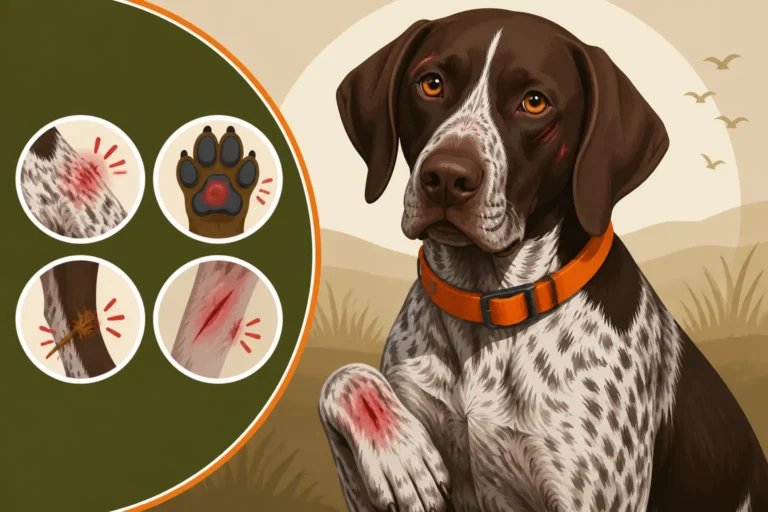
Sometimes, you might even see the physical injury itself: blood around the eye, a swollen eyelid, or a visible foreign object. Don't assume that if they continue to hunt, they're fine. Their drive is immense, and they might push through pain until it becomes unbearable. If you notice any of these signs, immediately stop the hunt and bring your dog in for a closer inspection. Early intervention can make all the difference, potentially saving their vision and preventing a much longer recovery period, similar to how prompt action can prevent worse outcomes in other field injuries a hunting German Shorthaired Pointer comes home with.
Subtle Symptoms to Watch for at Home
The post-hunt routine is critical for spotting problems that might not have been obvious in the excitement of the field. Even if your GSP seemed fine while hunting, always perform a thorough check once you're back home. Look for subtle cues:
- Redness: Is the white of the eye (sclera) or the pink tissue around the eye (conjunctiva) unusually red or inflamed?
- Swelling: Are the eyelids puffy or swollen?
- Discharge: Is there any crusting around the eye, or any discharge beyond normal clear tears?
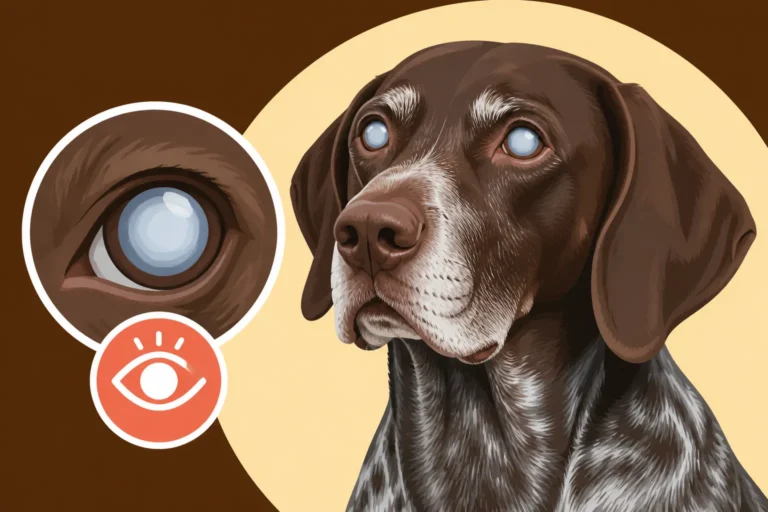
- Cloudiness: Does the cornea look cloudy, hazy, or does it have a bluish tint? This could indicate an abrasion or an ulcer.
- Sensitivity to light: Does your dog shy away from bright light, or prefer to be in darker areas? This is called photophobia and is a common sign of eye pain.
- Behavioral changes: Is your dog more lethargic than usual, less interested in food, or showing signs of discomfort when you touch their head?
Sometimes, the foreign body might be so small it’s almost invisible, causing constant irritation. If your dog continues to squint or rub their eye even hours after the hunt, it’s a strong indication that something is wrong. Don't delay; these issues rarely resolve on their own and can worsen rapidly.
First Aid and When to Seek Veterinary Care
Discovering an eye injury can be alarming, but knowing what immediate steps to take can significantly impact the outcome. While some minor irritations can be managed with careful first aid, most eye injuries in German Shorthaired Pointers warrant prompt professional veterinary attention.
Immediate Steps for Eye Injuries
Your primary goals when you suspect an eye injury are to prevent further damage, alleviate discomfort, and prepare for veterinary assessment.
- Stop everything: If you're in the field, immediately leash your dog and stop the hunt. Further running will only increase irritation and potential for more damage.
- Examine gently: In a calm, well-lit area, gently try to open your dog’s eyelids to get a look. Be incredibly careful not to touch the eyeball itself. Look for obvious foreign objects or visible trauma.
- Flush the eye: If you see a foreign body or suspect an irritant, a copious flush with sterile saline solution (the kind used for contact lenses, or even plain sterile water if nothing else is available) is your best first line of defense. Do not use human eye drops or solutions unless specifically instructed by a vet, as many contain ingredients harmful to dogs. Flush from the inside corner of the eye outwards, letting the solution run over the entire surface. Repeat several times.
- Prevent rubbing: Your dog’s natural instinct will be to rub or scratch the irritated eye. This can turn a minor abrasion into a serious ulcer or even rupture the eye. If possible, fit them with an Elizabethan collar (e-collar) or cone. If you don't have one, keep them leashed and gently restrain their head to prevent rubbing until you can get to a vet.
- Keep it clean: Avoid trying to wipe the eye with abrasive materials. A clean, damp cloth can be used to gently clean away discharge from around the eye, but avoid touching the eyeball itself.
- Apply a cold compress (for blunt trauma/swelling): If the injury appears to be blunt trauma resulting in swelling around the eye, a cold compress wrapped in a towel can help reduce swelling and pain. Do not apply pressure directly to the eyeball.
Remember, this is first aid, not a cure. Most eye injuries require a vet's expertise.
Here’s a quick reference table for common injuries and initial actions:
| Injury Type | Immediate Action | When to See Vet |
|---|---|---|
| Corneal Scratch/Abrasion | Flush with saline, prevent rubbing, gentle restraint | Always, ASAP (risk of infection, deeper damage) |
| Foreign Body (visible) | Carefully attempt removal with clean cloth, flush | If unable to remove, persistent irritation, pain |
| Foreign Body (unseen) | Flush extensively with saline, prevent rubbing | Always (can cause severe damage, infection) |
| Blunt Trauma (swelling/red) | Cold compress, gentle handling | If swelling, severe pain, vision change |
| Eyelid Laceration | Gentle pressure to stop bleeding, clean with saline | Always, ASAP (suturing needed, infection risk) |
Veterinary Diagnosis and Treatment Options
Once you've administered first aid, contact your veterinarian immediately. Eye injuries are rarely "wait and see" situations. Your vet will perform a thorough examination, which may include:
- Fluorescein stain test: This uses an orange dye to highlight any abrasions or ulcers on the cornea. The dye will stick to damaged areas, glowing bright green under a special light. This is a common and crucial diagnostic tool.
- Ophthalmoscopy: Using an ophthalmoscope, the vet can look at the internal structures of the eye to check for deeper damage.
- Tonometry: Measuring the eye pressure can help detect glaucoma, which can sometimes result from trauma.
- Magnification: Sometimes, a specialized ophthalmic microscope is needed to find tiny foreign bodies.
Treatment will depend on the diagnosis. For simple abrasions, medicated eye drops or ointments (often antibiotics to prevent infection and atropine to reduce pain) are prescribed. For foreign bodies, manual removal under local anesthetic or sedation might be necessary. Punctures and severe lacerations often require surgery, performed by a general vet or a veterinary ophthalmologist. In these cases, the cost can quickly add up, and having a pet insurance plan like Healthy Paws can truly alleviate the financial stress, allowing you to focus on your GSP's recovery. Even complex procedures or follow-up ACVO eye exams a Shorthair needs each year may be covered, offering peace of mind.
Proactive Measures to Protect Your Shorthair's Eyes
Prevention is always better than cure, especially when it comes to something as vital as your German Shorthaired Pointer's eyesight. While you can't eliminate all risks, there are many steps you can take to significantly reduce the chances of an eye injury while your GSP is doing what they love.
Field Gear and Training Considerations
One of the most effective ways to protect your GSP's eyes in heavy cover is with appropriate gear. Hunting vests and chest protectors are common, but face protection is often overlooked.
- Eye protection: Consider using dog-specific eye protection, often called "doggles" or protective visors. Brands like Rex Specs and Doggles offer various styles designed for active dogs. While some dogs might initially resist, introducing them slowly with positive reinforcement can help them adapt. Start with short wear times at home, associating them with treats and praise, gradually increasing duration. The minor inconvenience of getting your dog used to them is well worth the protection they offer against whipping branches, sharp debris, and even UV rays. This is especially true when running through sharp cover, similar to how boots for a Shorthair on rock and stubble protect their paws.
- Awareness training: While you can't train a GSP not to hunt, you can reinforce commands that help you manage their approach to dense cover. A solid "whoa" or "heel" can allow you to slow them down or divert them around particularly hazardous sections of cover. Teach them to respond to whistle commands and hand signals from a distance, so you can guide them away from obvious dangers. The more control you have over your dog, the better you can mitigate risks.
- Pre-scouting: Whenever possible, scout your hunting area before unleashing your GSP. Identify areas with unusually dense, thorny, or sharp vegetation that might pose a higher risk. If you can avoid these areas, do so. If not, be extra vigilant when your dog is working them.
Post-Hunt Eye Care Routine
Your job doesn't end when the birds are bagged. A consistent post-hunt care routine is crucial for detecting and addressing minor issues before they become major problems.
- Immediate Visual Inspection: As soon as you finish hunting, and before you even leave the field, take a few minutes to give your GSP a quick once-over. Gently part their eyelids and look for any immediate signs of redness, discharge, or foreign objects.
- Thorough Home Examination: Once you're home, in good lighting, perform a more detailed eye check. Gently examine the entire ocular area. Look for any plant material, burrs, or seeds lodged in the fur around the eyes, on the eyelids, or under the third eyelid. Pay particular attention to the area around the eyelashes. Wipe away any accumulated debris with a soft, damp cloth.
- Saline Flush (if needed): If you suspect any irritation or have been hunting in very dusty or seedy conditions, a prophylactic flush with sterile saline solution can help wash away any microscopic irritants before they cause problems. This is a good habit to incorporate, similar to thoroughly checking for foxtails and grass awns in a hunting Shorthair in other parts of their body.
- Regular Vet Checks: Don't skip your regular veterinary appointments. Your vet can often spot subtle issues during routine vet schedule a working Shorthair should keep exams that you might miss, and they can provide tailored advice for maintaining your GSP's eye health.
By combining proactive gear use, smart training, and a diligent post-hunt routine, you can significantly reduce the risk of debilitating eye injuries for your German Shorthaired Pointer. They give their all in the field; it’s our responsibility to protect them in return.
Disclaimer
The information provided in this guide is for general informational purposes only and is not a substitute for professional veterinary advice, diagnosis, or treatment. Always seek the advice of your veterinarian or other qualified animal health provider with any questions you may have regarding a medical condition or eye injury in your German Shorthaired Pointer.