The Age a German Shorthaired Pointer Can Start Roadwork
It's an age-old dilemma for German Shorthaired Pointer owners: you've got this energetic, intelligent powerhouse of a dog, and all you want to do is get out there and run with them, pushing their athletic potential. But that gnawing worry about their developing joints and knowing when it's safe to hit the pavement for serious roadwork can be a real source of stress. This guide will walk you through the crucial considerations and timing for safely introducing your German Shorthaired Pointer to roadwork, helping you build their fitness without risking their long-term health.
Understanding the German Shorthaired Pointer's Growth Plate Development
Before we even think about hitting the streets for a run, it’s absolutely vital to understand what's happening inside your German Shorthaired Pointer's growing body. Young dogs aren't just miniature adults; their skeletons are still developing, and pushing them too hard, too soon, can have lasting, painful consequences.
Why Growth Plates Matter for Young Pointers
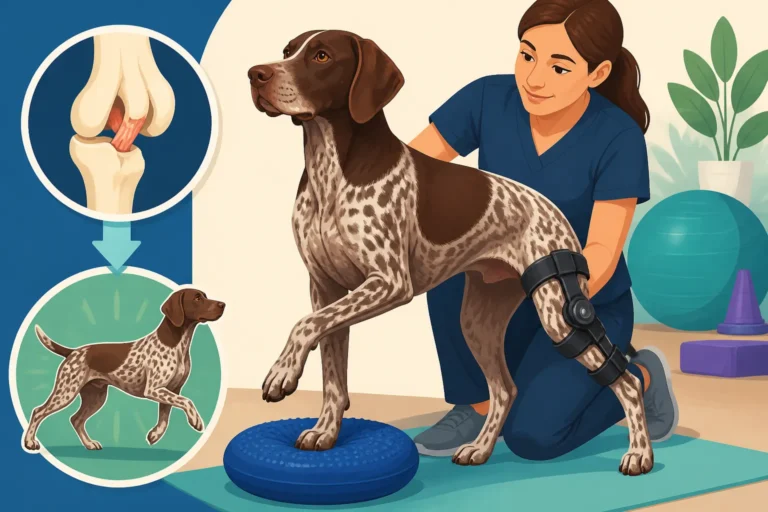
Imagine the bones in your GSP's legs as having "soft spots" near the ends, close to the joints. These are called growth plates, or epiphyseal plates, and they're made of cartilage. This cartilage is where new bone tissue is formed, allowing the bones to lengthen as your puppy grows. They're incredibly important, but also incredibly fragile. Unlike mature bone, growth plates are softer and more susceptible to injury. High-impact activities, like sustained running on hard surfaces, jumping, or intense agility work, can easily damage these plates.
When a growth plate is injured, it can lead to abnormal bone growth, which means the bone might grow crooked, shorter than it should be, or even fuse prematurely. This can result in permanent lameness, painful arthritis, and serious mobility issues that will affect your dog for the rest of their The Twelve to Fourteen Years a German Shorthaired Pointer Gets life. It's a cruel irony that the very activities we think are beneficial for an athletic breed like the German Shorthaired Pointer can be detrimental if introduced before their skeletal system is ready. Rushing this stage often means you'll have a dog who can't perform as an adult, or who needs extensive veterinary care down the line.
The Timeline of Growth Plate Closure
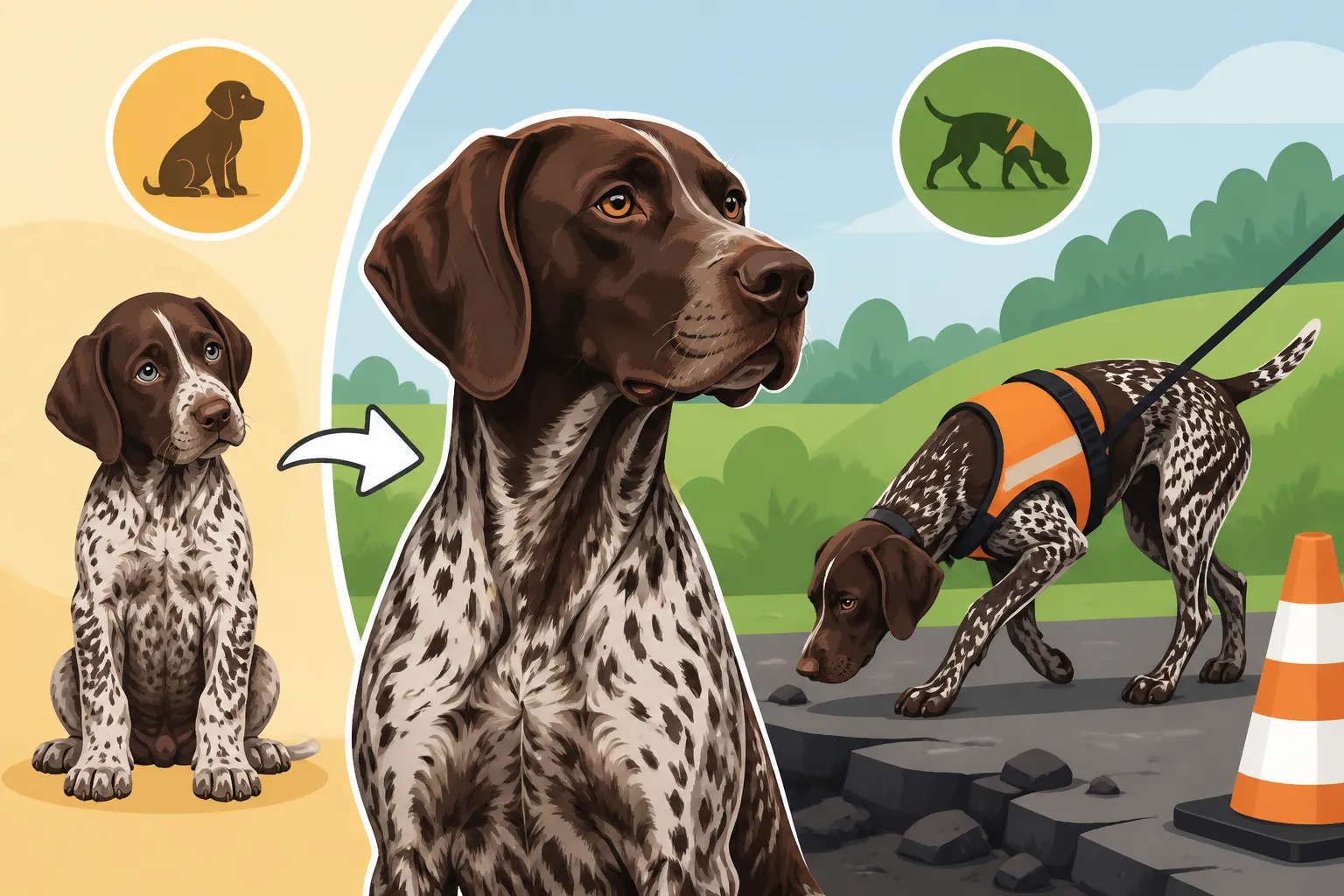
While every German Shorthaired Pointer is an individual, there's a general timeline for when growth plates typically close and solidify into bone. For most medium to large breeds, including GSPs, this process generally occurs between 12 and 18 months of age, sometimes even later for very large individuals or specific growth plates. The long bones in the legs—the radius, ulna, tibia, and femur—are particularly important in this discussion, as these are the bones that bear the brunt of impact during activities like running.
For example, the growth plates in the elbows and shoulders tend to close earlier, often around 8-10 months, while those in the knees and hips can remain open longer, sometimes up to 18 months or even a bit beyond. This staggered closure means that even if one set of growth plates has fused, others might still be vulnerable. It's not a sudden event where all plates close on a specific day; it's a gradual process. This is why a cautious approach is always best, erring on the side of waiting a bit longer rather than risking irreversible damage. Understanding this timeline is the first step in making informed decisions about your GSP's exercise regimen.
Defining "Roadwork" for a German Shorthaired Pointer
The term "roadwork" itself can mean different things to different people, but when we talk about a German Shorthaired Pointer's development, it's crucial to distinguish between casual walks and structured, high-impact exercise that puts significant strain on their joints.
What Constitutes High-Impact Roadwork
When we talk about "high-impact roadwork" for a German Shorthaired Pointer, we're referring to sustained, repetitive exercise on hard, unforgiving surfaces like asphalt, concrete, or even heavily compacted dirt roads. This includes activities such as:
- Running beside a bicycle: This often involves consistent, fast-paced running for extended periods, putting immense pressure on joints without much shock absorption.
- Long-distance jogging on pavement: While beneficial for an adult GSP, a young dog's still-developing joints are not equipped to handle the constant jarring impact over miles.
- Pulling a cart or participating in urban mushing: While excellent for conditioning mature dogs, the added resistance and sustained effort on hard surfaces can be highly detrimental to growth plates and developing musculature.
- Repetitive jumping or intense agility on hard ground: While agility is fantastic for GSPs, doing extensive, high-impact jumps on unforgiving surfaces before full growth plate closure can lead to injuries like Torn Cruciates in a Field Bred German Shorthaired Pointer or other joint issues.
These types of activities, while ideal for an adult German Shorthaired Pointer's incredible stamina and drive, create significant concussive forces through the legs, which are then absorbed by the joints. A young dog's body simply isn't ready to handle that level of stress, and it can set them up for early onset arthritis, lameness, and a significantly shortened active life.
Lower-Impact Conditioning Alternatives
Before your German Shorthaired Pointer is fully mature, there are plenty of excellent, lower-impact ways to build their fitness, muscle, and stamina without risking their joints. These alternatives allow them to burn off that boundless GSP energy and develop their coordination and strength safely.
- Soft-surface running and free play: Let your GSP run and play to their heart's content on natural, yielding surfaces like grass, dirt trails, or sandy beaches. These surfaces provide much-needed shock absorption. Think about long hikes on varied terrain or letting them tear around a securely fenced field.
- Swimming: This is arguably one of the best full-body, low-impact exercises for dogs of all ages, especially active breeds like GSPs. Swimming builds strong muscles, improves cardiovascular health, and puts virtually no stress on the joints. Just be sure to supervise closely and introduce them to water safely, perhaps with a life vest initially, and always check for blue-green algae.
- Structured walks on varied terrain: Instead of pavement pounding, explore local nature trails, woods, or large parks. The varied ground challenges their balance, engages different muscle groups, and keeps the impact low. These walks are also fantastic opportunities for scent work and mental stimulation.
- Short bursts of controlled running: Even on soft surfaces, avoid excessively long, forced runs with a young GSP. Allow them to dictate the pace and duration during free play. For structured exercise, keep sessions shorter and more frequent rather than long and grueling.
- Obedience and trick training: Mental stimulation is just as important as physical for a GSP. Engaging their minds with training sessions, puzzle toys, and scent games can tire them out almost as much as a physical workout and further strengthen your bond.
By prioritizing these lower-impact options, you're investing in your German Shorthaired Pointer's long-term soundness, ensuring they'll be able to enjoy rigorous activities when their body is truly ready.
When to Safely Introduce Roadwork to Your German Shorthaired Pointer
This is the question that keeps so many active GSP owners up at night. You want to do right by your dog, but you also know they need to run! Finding that sweet spot where their body is developed enough to handle the demands of roadwork is key.
The "Magic Number" and Individual Assessment
There's often a "magic number" thrown around when it comes to starting high-impact activities: 12 to 18 months of age. For German Shorthaired Pointers, this is generally a good guideline, with many vets and experienced breeders recommending closer to the 18-month mark, or even later, especially for more intense forms of roadwork. This timeframe allows the majority of their growth plates to fully close and harden into mature bone. However, it's absolutely crucial to understand that this is just an average. Every dog is an individual.
Several factors influence when your specific GSP will be truly ready:
- Genetics and Lines: Some lines might mature a bit slower than others. If you have a working line GSP, they might be incredibly eager to get going, but their physical development still adheres to biological timelines. Discuss this with your breeder, as they often have insights into the maturation rates of their specific lines.
- Nutrition: Proper nutrition during puppyhood is vital for healthy bone and joint development. Over-feeding or feeding an unbalanced diet can sometimes lead to overly rapid growth, which can put additional stress on developing joints.
- Overall Health and Conformation: A veterinarian can assess your dog's overall physical condition, gait, and conformation. They might be able to feel for areas of tenderness or instability. A pre-roadwork check-up is always a good idea to confirm your GSP is structurally sound for increased demands.
The most responsible approach is to consult with your veterinarian. They can examine your German Shorthaired Pointer and give you personalized advice based on their growth and physical development. In some cases, they might even suggest X-rays to confirm growth plate closure, especially if you plan on intensive competitive activities. Don't push your dog just because a friend's dog of the same age is doing roadwork; listen to your dog's body and your vet's advice. This patience now can prevent serious issues like Hip Dysplasia in a Hard Running German Shorthaired Pointer later.
Gradual Introduction and Monitoring for Issues
Once your vet gives the green light and your GSP is around 18 months old, it’s still not a free-for-all. The introduction of roadwork must be slow and deliberate, mimicking how you'd condition a human athlete. Think marathon, not sprint.
Here’s a step-by-step approach:
- Start Short and Slow: Begin with very short durations, maybe 5-10 minutes of light jogging on pavement, interspersed with walking. Don't aim for speed or distance initially. The goal is simply to get their body accustomed to the new impact.
- Increase Gradually: Over several weeks, slowly increase the duration and intensity. A good rule of thumb is the 10% rule: don't increase the distance or time by more than 10% each week. For example, if you start with two 10-minute sessions a week, the next week you might do two 11-minute sessions.
- Mix Surfaces: Even when cleared for roadwork, it's always beneficial to mix up the surfaces. Incorporate grass, dirt trails, and soft fields into your routine. This helps to distribute the stress on different joints and muscles, offering natural recovery periods from hard surfaces.
- Watch for Signs of Discomfort: This is perhaps the most critical part. Your German Shorthaired Pointer, being the stoic, driven athlete they are, might try to push through pain. You need to be an attentive observer. Look for:
- Subtle lameness or limping: This might only be noticeable after exercise, or only on one leg.
- Stiffness or reluctance to move: Especially after resting.
- Changes in gait: Are they favoring one side? Is their stride shorter?
- Licking or chewing at joints/paws: This can indicate pain or irritation.
- Behavioral changes: Less enthusiasm for walks, lethargy, irritability.
- Pad wear: Are their paw pads holding up? Are they becoming raw or tender?
- Recovery is Key: Just like any athlete, your GSP needs proper recovery time. Ensure they get adequate rest between strenuous sessions. A balanced diet, sufficient hydration, and potentially joint supplements can support their body through increased activity. Healthy Paws pet insurance can be a fantastic safety net here, helping cover unexpected vet bills if an injury does occur despite your best efforts, giving you peace of mind as your GSP embarks on their athletic journey. Remember, even the most careful owner can face unforeseen accidents, and a good insurance plan can make a world of difference.
- Regular Vet Check-ups: Maintain your The Vet Schedule a Working Shorthair Should Keep, especially once you start increasing their exercise demands. Your vet can catch subtle issues before they become major problems.
By being patient, gradual, and vigilant, you can help your German Shorthaired Pointer develop into a strong, healthy athlete ready for years of adventure.
Preparing Your German Shorthaired Pointer for the Pavement
Starting roadwork isn't just about waiting for growth plates to close; it's also about preparing the rest of your German Shorthaired Pointer's body for the specific demands of running on hard surfaces. This includes their paws, muscles, and their understanding of what's expected of them.
Conditioning the Pads and Paws
Running on pavement is a very different experience for a dog's paws than running on soft earth or grass. Hard surfaces can be abrasive, hot in summer, and cold in winter, all of which can take a toll on delicate paw pads.
- Gradual Exposure: Before embarking on structured roadwork, ensure your GSP's paws are already accustomed to various terrains. Start with short walks on sidewalks and gradually increase the duration. This allows the pads to naturally toughen up over time, building calluses that offer protection.
- Paw Pad Protection: Consider using paw balms or waxes, such as Musher's Secret, which create a protective barrier and help keep pads moisturized, preventing cracking and dryness. Applying these regularly, especially before and after runs, can make a big difference. For particularly rough terrain or extreme weather, dog boots can be invaluable. Training your GSP to wear boots from a young age can make them more accepting of them when they're truly needed for a serious run. You might want to refer to resources on Boots for a Shorthair on Rock and Stubble for specific recommendations.
- Regular Inspections: After every walk or run, especially on pavement, make it a habit to thoroughly inspect your GSP's paw pads. Look for cuts, abrasions, cracks, blisters, or foreign objects lodged between the toes. Early detection of minor injuries can prevent them from escalating into painful infections or lameness that sideline your dog.
- Nail Trims: Keep your GSP's nails trimmed short. Overly long nails can splay the toes, alter gait, and increase the risk of injury, especially when running at speed on hard surfaces. If you can hear their nails clicking on the floor, they're too long.
Building Foundational Fitness and Obedience
Roadwork isn't just about physical endurance; it also requires a well-trained, obedient dog. A German Shorthaired Pointer needs to understand and respond reliably to commands when running alongside you, especially in potentially busy environments.
- General Fitness First: Before you even think about structured roadwork, ensure your GSP has a good base level of fitness from lower-impact activities like hiking, swimming, and off-leash play on soft surfaces. This builds the necessary muscle, stamina, and cardiovascular health without stressing immature joints. Think of it as their Conditioning a Shorthair Before Opening Day regimen, but for year-round health.
- Solid Leash Manners: Your GSP needs to be an absolute pro at walking politely on a leash before you attempt to run with them. They should be able to heel calmly without pulling, darting, or becoming distracted by every squirrel or scent. A strong "heel" command is paramount for safety, preventing them from pulling you off balance or running into traffic.
- Reliable Recall and "Leave It": Even if you plan on keeping them leashed, a strong "recall" is essential for unexpected situations, and "leave it" can prevent them from ingesting something dangerous or chasing wildlife. These commands are critical for any dog, but especially for high-drive, easily distracted breeds like the German Shorthaired Pointer.
- Patience and Consistency: Training takes time, consistency, and patience. Don't rush the obedience aspect. A well-trained German Shorthaired Pointer is not only safer but also a joy to exercise with. If you're struggling with leash manners or recall, consider enrolling in an obedience class or working with a professional trainer. Investing in their training early pays dividends throughout their active life.
| Exercise Type | Age to Introduce (Approx.) | Surface Recommendation | Impact Level | Benefits | Risks (if done too early) |
|---|---|---|---|---|---|
| Free Play (Grass/Dirt) | 8 weeks+ | Soft, natural | Low | Socialization, natural muscle development, mental stimulation | Minimal |
| Short Leash Walks (Soft Surface) | 8 weeks+ | Grass, dirt, short trails | Low | Leash training, exploration, low-impact exercise | Minimal |
| Swimming | 4-6 months+ | Pool, calm lake/pond | Very Low | Full body conditioning, joint-friendly, cardiovascular health | Cold water tail (if too cold), accidental ingestion of contaminated water |
| Long Hikes (Varied Terrain) | 6-12 months+ | Dirt trails, woods, grassy fields | Medium | Stamina, balance, proprioception, mental enrichment | Overexertion, injury from uneven ground if not conditioned |
| Light Jogging (Soft Surface) | 12-15 months+ | Grass, soft dirt trails | Medium | Cardiovascular fitness, muscle endurance | Overuse injuries if pushed too hard |
| Structured Roadwork (Pavement) | 18 months+ | Asphalt, concrete | High | Cardiovascular endurance, pad conditioning, mental toughness | Growth plate damage, arthritis, lameness, torn ligaments |
| High-Intensity Running/Sprints | 24 months+ | Varied, preferably soft | High | Explosive power, speed, advanced conditioning | Strain injuries, muscle tears, joint damage |
Disclaimer
The information provided in this guide is for general informational purposes only and does not constitute veterinary advice. Always consult with a qualified veterinarian regarding your German Shorthaired Pointer's specific health, exercise needs, and before starting any new training or conditioning program. Individual dogs may vary in their development and readiness for certain activities.