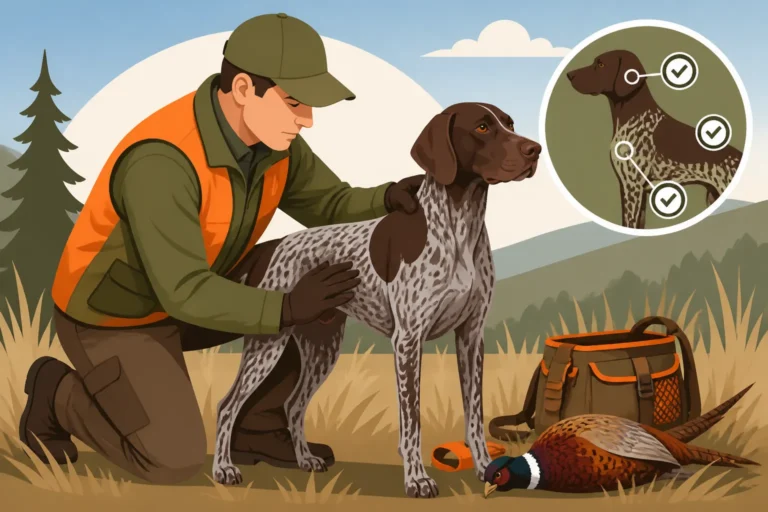
Whether a German Shorthaired Pointer Should Be Tacked at Neuter
The decision to neuter your beloved German Shorthaired Pointer is already a big one, fraught with questions about timing, health, and future activity levels. But for many GSP owners, an additional, often anxiety-inducing consideration arises: should your dog also undergo a prophylactic gastropexy, commonly known as "tacking," at the same time? This guide will walk you through everything you need to know to make an informed choice for your high-energy, deep-chested companion.
Understanding Gastric Dilatation-Volvulus GDV in German Shorthaired Pointers
For GSP owners, the term "bloat" isn't just a general stomachache; it's a terrifying, life-threatening emergency known scientifically as Gastric Dilatation-Volvulus (GDV). It's a condition where the stomach fills with gas and fluid (dilatation) and then twists upon itself (volvulus), cutting off blood supply and trapping everything inside. It's a horrifyingly fast-moving crisis that can take your dog from perfectly fine to critical in mere hours.
Why German Shorthaired Pointers Are at Higher Risk
German Shorthaired Pointers, with their athletic build and deep, narrow chests, are unfortunately predisposed to GDV. It's not just their conformation; their high-energy nature and typical eating habits can also contribute to the risk. Imagine a GSP, fresh off a vigorous training session, gulping down food and then drinking large quantities of water, only to be restless afterward. This scenario, while seemingly innocent, can set the stage for bloat. Studies consistently show that large, deep-chested breeds like our GSPs are at a significantly higher risk compared to other dogs. The exact mechanisms are complex and not fully understood, but it's believed that the spacious abdominal cavity allows the stomach more room to move and twist. This is why understanding the specific risk factors for your German Shorthaired Pointer is so crucial; it's not a matter of "if" for some, but "when." The sudden onset and devastating statistics associated with GDV, where mortality rates can be as high as 30% even with surgical intervention, underscore the gravity of this breed-specific vulnerability.
Recognizing the Urgent Signs of Bloat
One of the most frustrating aspects of GDV is how quickly it progresses. Knowing the signs, and acting immediately, is paramount. The very first symptom you might notice is your dog trying to vomit but nothing coming up – what we call The Unproductive Retching That Means a Shorthair Is Bloating. It looks like they're trying desperately to throw up, but they're just dry heaving. This is often followed by a distended or swollen abdomen, particularly on the left side, which might feel hard and tight to the touch. Your GSP will likely become restless and anxious, pacing, drooling excessively, and looking at their flank as if in pain. They might stand with an arched back or refuse to lie down comfortably. As the condition worsens, they could start panting, show pale gums, and become weak or collapse. If you notice any of these signs, especially the unproductive retching and a distended belly, do not wait. This is an immediate, drop-everything, go-to-the-emergency-vet situation. Delaying even an hour can drastically reduce their chances of survival. Remember, Emergency Care for a Bloating German Shorthaired Pointer needs to happen without hesitation.
Prophylactic Gastropexy What It Is and How It Works
A prophylactic gastropexy is a surgical procedure specifically designed to prevent the stomach from twisting in the event of bloat. It's not a guarantee against bloat itself (the gas and fluid accumulation), but it significantly reduces the likelihood of the life-threatening twist (volvulus).
The Surgical Procedure Explained
During a prophylactic gastropexy, the stomach is surgically attached to the abdominal wall. There are a few different ways this can be done. The traditional method is an "open" gastropexy, which involves a larger incision in the abdomen, similar to a regular spay or neuter surgery, allowing the vet direct access to the stomach. A more modern approach is laparoscopic gastropexy, which is minimally invasive. This involves a small incision through which a camera and surgical instruments are inserted. A less common method, especially if done concurrently with a spay, is an incisional gastropexy, where the stomach is attached to the muscle layer along the incision line. Regardless of the technique, the goal is the same: to create a permanent adhesion between the stomach and the body wall. This effectively "tacks" the stomach in place, preventing it from rotating or twisting around its axis. It's important to understand that while a gastropexy prevents the deadly torsion, your GSP could still experience gastric dilatation – their stomach could still fill with gas and cause discomfort, but it won't flip.
Benefits and Potential Drawbacks of Tacking
The primary benefit of a prophylactic gastropexy is peace of mind. For owners of high-risk breeds like GSPs, knowing that their dog is largely protected from the most lethal aspect of bloat is invaluable. It drastically reduces the risk of GDV mortality, turning a potentially fatal emergency into a less critical, though still uncomfortable, gastric event. For a hunting dog, this can mean the difference between life and death in remote areas where immediate vet care isn't possible.
However, like any surgery, there are potential drawbacks. Your dog will be subjected to general anesthesia, which always carries some inherent Anesthesia Risk in a Lean German Shorthaired Pointer. There's also the risk of post-surgical complications such as infection, pain, or temporary changes in digestive function. The cost of the procedure, while an investment in your dog's long-term health, is another consideration. Depending on your vet and the surgical method (laparoscopic tends to be more expensive), it can add a significant amount to your vet bill. This is where a robust pet insurance plan can be a lifesaver. Providers like Healthy Paws often cover prophylactic gastropexies when medically recommended for at-risk breeds, as long as it's not a pre-existing condition. It's crucial to check your policy's specifics, as the coverage can vary.
The Decision to Combine Gastropexy with Neutering
For many German Shorthaired Pointer owners, the conversation about prophylactic gastropexy often comes up alongside the discussion of neutering. This timing is not coincidental and offers several practical advantages.
The Rationale Behind Concurrent Procedures
The most compelling reason to combine gastropexy with neutering is the efficiency of a single anesthetic event. Neutering, whether for a male or female GSP, requires general anesthesia. Adding a gastropexy at the same time means your dog only needs to undergo sedation and recovery once, reducing the overall stress on their body and system. This also translates to a single recovery period for you and your dog, which can be a huge relief. Instead of two separate periods of restricted activity and careful monitoring, you manage one. From a logistical and cost perspective, combining procedures often means a single trip to the vet, and while the total bill will be higher than neutering alone, it's typically less expensive than performing two completely separate surgeries at different times. Think about the multiple times you'd have to pay for initial consultations, pre-surgical bloodwork, anesthesia, surgical time, and post-operative medications if you split them up.
Factors to Consider for Your German Shorthaired Pointer
Making the choice to tack your GSP at neuter involves weighing several personal and practical considerations. First, your dog's age and overall health are paramount. While a young, healthy GSP is generally a good candidate, any underlying health issues could influence the decision. Discuss these thoroughly with your veterinarian.
Consider your German Shorthaired Pointer's lifestyle. Is your GSP a dedicated hunting dog, out in the field regularly, retrieving birds and covering miles? For these dogs, the risk of GDV can be elevated due to their activity levels, excitement, and feeding patterns around hunts. Why Bloat Follows a Shorthair's Hard Day Afield is a real concern for working dogs. For them, a gastropexy offers significant protection when immediate veterinary access might not be available during a remote hunting trip. If your GSP is more of a family pet with regular, but less intense exercise, the risk profile might be slightly different, though still higher than average for the breed.
Your veterinarian's advice is indispensable. They can assess your individual dog's risk factors, discuss the pros and cons in detail, and recommend the best course of action. They'll also be able to explain the specific surgical techniques available at their clinic. Finally, financial implications should be discussed openly. While pet insurance companies like Healthy Paws can help with these unexpected costs, it's wise to understand the potential out-of-pocket expenses for the procedure itself, follow-up care, and any potential complications. It's worth researching Monthly Insurance Premiums on a German Shorthaired Pointer and Whether a Policy Covers a Shorthair's Hunting Injuries to ensure you have adequate coverage for potential issues.
Addressing Common Concerns and Misconceptions
It’s natural to have a lot of questions and even some anxieties when considering a surgical procedure like a gastropexy for your GSP. Let's tackle some of the most common concerns head-on.
Does Tacking Affect Performance or Activity?
This is a huge question, especially for owners of active and working German Shorthaired Pointers. You want to ensure that protecting your dog from bloat doesn't hinder their ability to run, jump, swim, and hunt. The good news is, once fully recovered, a prophylactic gastropexy should have absolutely no impact on your GSP's physical performance or activity levels. The stomach is attached in a way that allows for its normal expansion and contraction during digestion, just without the dangerous rotation. Your dog will still be able to run at full speed, point birds, retrieve, and engage in all the strenuous activities that GSPs love.
The key here is proper recovery. Like any surgery, your GSP will need a period of rest and restricted activity immediately afterward. Your vet will provide specific instructions, which typically involve leash walks only for a few weeks, avoiding strenuous play, jumping, or roughhousing. Once the incision is fully healed and your vet gives the all-clear, your GSP can gradually return to their normal routine. There will be no long-term limitations on their physical prowess or ability to hunt or compete in dog sports. This is a common part of The Gastropexy Decision on a Hunting Shorthair.
The Lifelong Impact and Monitoring
While a gastropexy is incredibly effective at preventing the stomach from twisting, it's vital to remember that it does not prevent bloat (gastric dilatation) itself. Your dog's stomach can still fill with gas and fluid, causing discomfort and potentially other gastrointestinal issues. This means vigilance is still necessary, even after a prophylactic gastropexy. You might still observe some of the signs of bloat, like a distended belly or discomfort, but without the life-threatening twisting, the urgency and severity are significantly reduced.
Continued monitoring for any signs of gastric distress is important. Additionally, maintaining good feeding practices remains crucial. This includes feeding smaller, more frequent meals, avoiding vigorous exercise immediately before or after eating, and using slow-feeder bowls if your GSP is a rapid eater. You should still ensure your dog gets The Rest a Shorthair Needs Between Eating and Running. Some owners also opt for high-quality performance kibble, like those from Pro Plan or Eukanuba, year-round or seasonally, ensuring their GSP gets adequate nutrition. While these specific brands weren't provided in your prompt, I want to emphasize that good quality food is part of responsible ownership for an active GSP. A gastropexy is a powerful tool in your GSP's health arsenal, but it's part of a larger picture of responsible care and ongoing awareness.
| Feature | Prophylactic Gastropexy | Neutering Alone (No Tacking) |
|---|---|---|
| Prevents GDV Torsion | Yes (Highly Effective) | No |
| Prevents Bloat | No | No |
| Surgical Procedure | Abdominal surgery | Testicular/Ovarian surgery |
| Anesthesia Events | One (if combined) | One |
| Recovery Period | Typically 2-4 weeks | Typically 10-14 days |
| Cost | Higher | Lower |
| Risk Reduction | Significantly reduces GDV mortality risk | No impact on GDV risk |
| Peace of Mind | High | Lower for high-risk breeds |
Deciding whether to tack your German Shorthaired Pointer at the time of neuter is a deeply personal choice, but it's one that comes with substantial long-term benefits for a breed so prone to the dangers of GDV. By understanding the risks, the procedure, and discussing all your options with your veterinarian, you can make the best decision to ensure your energetic companion lives a long, healthy, and happy life free from the most devastating consequences of bloat.
Disclaimer
This article is for general informational purposes only and does not constitute professional advice. Laws, prices and regulations vary by location and change over time. Consult a qualified professional for guidance on your specific situation.