A German Shorthaired Pointer That Bleeds Too Long
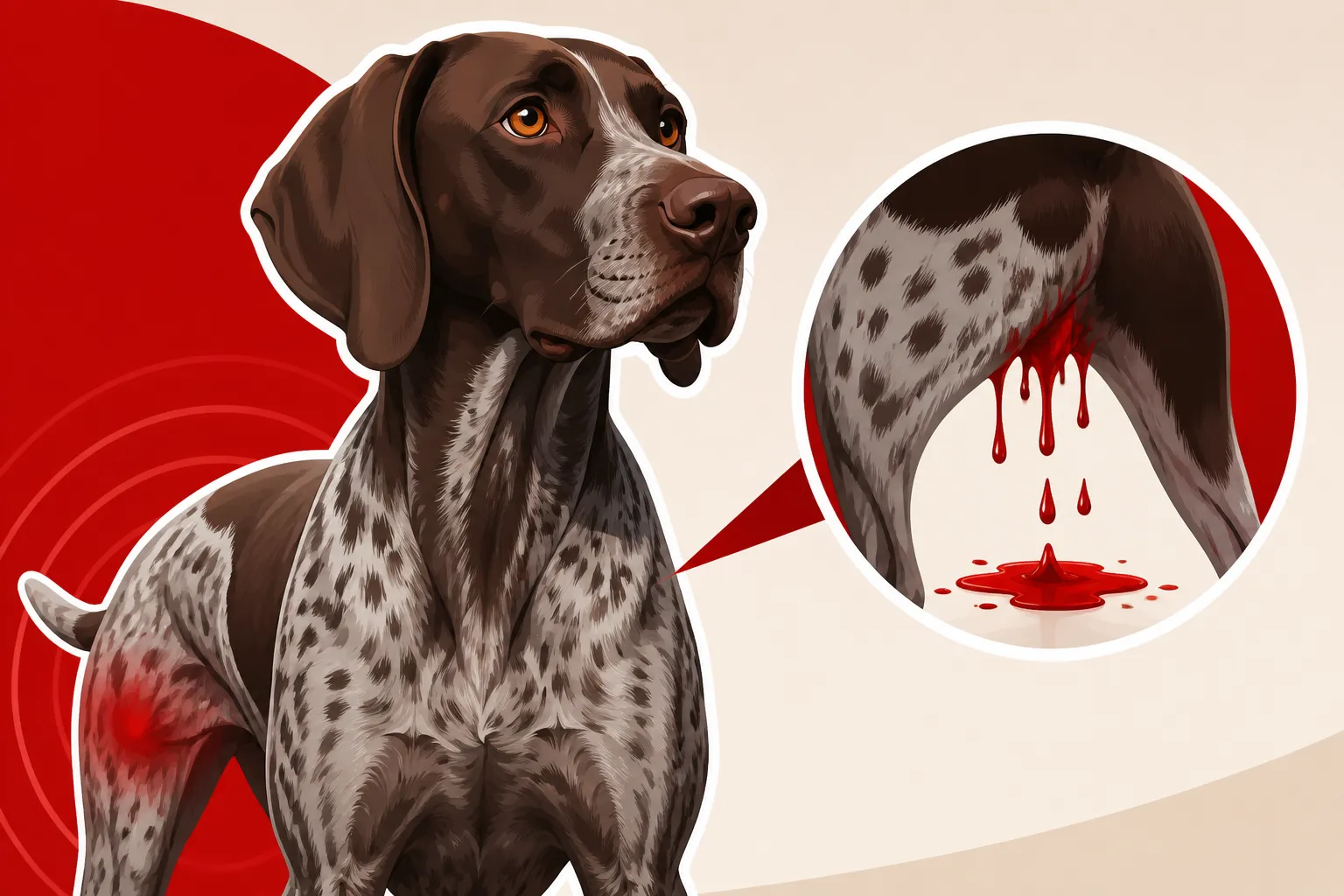
It can be incredibly alarming when you notice your beloved German Shorthaired Pointer bleeding more than you'd expect, whether it's from a minor cut, a dental procedure, or even just a persistent nosebleed. This isn't just about a little extra mess; it's a deep-seated worry that something isn't quite right with your typically robust and active companion. This guide is here to walk you through why a German Shorthaired Pointer might bleed too long, what signs to look for, and how to work with your vet to get to the bottom of it and ensure your dog gets the care they need.
Understanding Normal Clotting in Your Shorthair
Before we dive into what can go wrong, let's talk a bit about how your German Shorthaired Pointer's body is supposed to handle a scrape or cut. It’s a marvel of biological engineering! When a blood vessel is damaged, a series of complex reactions kicks in, almost instantly, to seal off the leak. This process, called hemostasis, is vital for survival, especially for a breed as active and prone to bumps and scrapes as a GSP.
The Stages of Blood Clotting
Think of it like a rapid-response team. First, the blood vessel constricts, narrowing the opening to reduce blood flow. Then, tiny cell fragments called platelets rush to the site, sticking together and forming a temporary plug. This is like putting a thumb over a leaky hose. But that's not enough for a lasting repair. Next, a cascade of proteins, known as clotting factors, gets activated. These factors work together, one after another, in a precise sequence to form a strong, stable fibrin clot – kind of like weaving a strong net over that initial platelet plug. This fibrin mesh traps more red blood cells and platelets, solidifying the seal. Finally, once the wound is healed, the body has a system to break down the clot. It’s a beautifully orchestrated dance, and any misstep can lead to problems.
When a Minor Cut Becomes a Major Worry
For most dogs, a small cut from a thorny bush or a nick during a nail trim will stop bleeding within a few minutes, maybe ten at the absolute most, with a little direct pressure. You might see a tiny bit of ooze, but nothing dramatic. However, if you find yourself applying pressure for what feels like an eternity, or the blood just keeps seeping, it's a huge red flag. This isn't normal. It hints that one or more parts of that intricate clotting process might not be functioning correctly. For a German Shorthaired Pointer, a breed known for its relentless drive in the field, this kind of issue can turn a routine hunting excursion or even a spirited backyard play session into a terrifying emergency.
Common Causes of Prolonged Bleeding in Shorthairs
German Shorthaired Pointers, while generally a hardy breed, can be predisposed to certain conditions that affect their blood clotting abilities. It's not always a dramatic injury; sometimes, it's an underlying issue that only becomes apparent when their system is challenged.
Von Willebrand Disease in German Shorthaired Pointers
One of the most well-known and frustrating bleeding disorders in dogs, including German Shorthaired Pointers, is Von Willebrand Disease (vWD). This is a genetic condition where the dog's blood lacks or has a reduced amount of Von Willebrand factor, a crucial protein involved in platelet adhesion and carrying another clotting factor. Without enough vWF, those initial platelet plugs don't form properly, and the entire clotting process is compromised.
There are different types of vWD, with Type 2 being of particular concern in German Shorthaired Pointers. Von Willebrand Type Two in German Shorthaired Pointers specifically targets this breed and can lead to more severe symptoms compared to other types found in different breeds. Dogs with vWD might show signs like prolonged bleeding after surgery or an injury, nosebleeds (epistaxis), blood in their urine or stool, or easy bruising. Sometimes, the first hint of trouble comes with something as routine as a spay or neuter. You might bring your dog in for Testing a German Shorthaired Pointer Before a Spay and suddenly be faced with a much bigger issue. It's an invisible threat until it becomes very, very visible.
Other Coagulation Disorders
While vWD is prominent, it's not the only show in town when it comes to bleeding issues. Other, less common, inherited clotting factor deficiencies, similar to human hemophilia, can occur, although they are rarer in GSPs. These conditions involve specific clotting factors being absent or dysfunctional, disrupting the fibrin clot formation.
Acquired bleeding disorders are also a possibility. These aren't genetic but develop over a dog's lifetime. They can be caused by:
- Liver Disease: The liver produces many clotting factors. If it's not functioning correctly, clotting can be impaired.
- Platelet Disorders: Low platelet counts (thrombocytopenia) or poorly functioning platelets can lead to excessive bleeding. This can be caused by immune-mediated diseases, certain medications, or even some tick-borne illnesses.
- Toxins: Rat poison, for example, often contains anticoagulants that prevent blood from clotting, leading to severe internal and external hemorrhaging. This is a life-threatening emergency.
- Certain Medications: Some drugs, like NSAIDs, can interfere with platelet function, especially if your dog is already predisposed to bleeding issues or is on a higher dose.
Understanding that a range of issues can cause prolonged bleeding underscores the importance of a thorough veterinary investigation whenever you observe these concerning signs.
Diagnosing Bleeding Disorders in Your German Shorthaired Pointer
When you notice your German Shorthaired Pointer bleeding too long, your heart sinks. The next step is a trip to the vet, and understanding what to expect can help ease some of that anxiety. Diagnosis involves a careful look at your dog’s history, a physical exam, and specific tests to pinpoint the problem.
The Importance of a Detailed History
Your veterinarian will start by asking you a lot of questions. This isn't just small talk; every detail you provide can be a crucial piece of the puzzle. They'll want to know:
- When did you first notice the prolonged bleeding? Was it after an injury, surgery, or did it seem spontaneous, like Nosebleeds in a German Shorthaired Pointer?
- How long did the bleeding last? Did it eventually stop, or did you need veterinary intervention?
- Have you noticed any other symptoms, such as bruising, lethargy, or changes in appetite?
- Are there any known bleeding disorders in your dog's family history? This is particularly important for breeds like GSPs where genetic testing for conditions like vWD is recommended. For instance, knowing about The Bleeding Disorder in German Shorthaired Pointer Lines in your dog's pedigree can be incredibly helpful.
- What medications, supplements, or flea/tick preventatives is your dog currently on?
- Has your dog recently had access to anything unusual, like rodenticides or human medications?
Being as thorough and honest as possible here is paramount. Don't leave anything out, even if it seems insignificant to you.
Essential Diagnostic Tests
Once your vet has a good history, they'll move on to a physical examination to check for any obvious signs of bleeding, bruising, or other abnormalities. After that, a series of blood tests are typically recommended.
Common Blood Tests:
- Complete Blood Count (CBC): This evaluates red blood cells, white blood cells, and platelets. A low platelet count (thrombocytopenia) can directly cause bleeding issues.
- Coagulation Profile: This is a panel of tests that specifically assess the various stages of the clotting cascade.
- Buccal Mucosal Bleeding Time (BMBT): A quick, in-house test where a small, shallow cut is made on the inside of the lip. The time it takes for bleeding to stop gives an indication of platelet function and vWF activity.
- Prothrombin Time (PT) and Activated Partial Thromboplastin Time (aPTT): These tests measure how long it takes for blood to clot, evaluating different pathways of the coagulation cascade. Abnormal results can point to specific clotting factor deficiencies or issues like rodenticide toxicity.
- Von Willebrand Factor Antigen (vWF:Ag) Test: If vWD is suspected, this specific blood test measures the amount of vWF in the blood. A definitive diagnosis often requires genetic testing, which can determine if your dog is clear, a carrier, or affected by the disease. This is often done proactively, even when a dog is still a puppy, with Von Willebrand Testing Before a German Shorthaired Pointer Is Bred.
Based on these results, your vet might recommend further specialized tests or refer you to a veterinary internal medicine specialist or a veterinary hematologist for more advanced diagnostics.
| Bleeding Disorder Type | Primary Cause | Common GSP Relevance | Typical Symptoms | Diagnostic Approach |
|---|---|---|---|---|
| Von Willebrand Disease | Deficiency/defect of Von Willebrand Factor (vWF) | High (Type 2 known) | Prolonged bleeding (surgery/injury), nosebleeds, bruising | BMBT, vWF:Ag test, genetic testing |
| Platelet Disorders | Low platelet count (Thrombocytopenia) or dysfunction | Moderate | Petechiae (pinpoint hemorrhages), bruising, prolonged bleeding | CBC (platelet count), BMBT, bone marrow biopsy (rarely) |
| Clotting Factor Deficiencies | Lack of specific clotting factors (e.g., Hemophilia) | Low (rare but possible) | Spontaneous bleeding into joints/muscles, prolonged bleeding | PT, aPTT, specific factor assays |
| Anticoagulant Toxicity | Ingestion of rat/mouse poison (Vitamin K antagonists) | Situational | Lethargy, bruising, internal bleeding (gums, stool, urine) | PT, aPTT (severely prolonged), Vitamin K response |
| Liver Disease | Impaired liver function (cannot produce clotting factors) | Moderate | Jaundice, weight loss, digestive issues, bleeding | Blood chemistry, liver function tests, ultrasound |
Managing and Treating Prolonged Bleeding
Discovering that your German Shorthaired Pointer has a bleeding disorder can feel overwhelming. However, it’s important to remember that many of these conditions can be managed, allowing your GSP to live a full and happy life, albeit with some careful considerations. Treatment depends entirely on the underlying cause and the severity of the bleeding.
Emergency Interventions for Active Bleeding
If your GSP is actively bleeding heavily, whether from an injury, a surgery where Bleeding Risk During a German Shorthaired Pointer's Surgery became a reality, or a spontaneous hemorrhage, immediate veterinary attention is critical. This is not the time to wait and see.
Emergency treatments can include:
- Direct Pressure: For external wounds, applying firm, continuous pressure with a clean cloth is the first and most crucial step before reaching the vet.
- Transfusions: For significant blood loss or severe clotting factor deficiencies, whole blood or plasma transfusions can be life-saving. Plasma contains fresh clotting factors and vWF, which can temporarily correct the defect.
- Desmopressin Acetate (DDAVP): This medication can temporarily increase the release of vWF from storage sites in the body and may be used for some types of vWD before planned surgeries or in emergency situations.
- Vitamin K: If anticoagulant rodenticide poisoning is suspected, Vitamin K therapy is essential and can reverse the effects of the poison. This treatment often needs to be continued for several weeks.
- Surgical Intervention: In cases of severe internal bleeding or uncontrolled external hemorrhage, surgery might be necessary to locate and repair the bleeding vessel.
Don't hesitate to call your emergency vet, like BluePearl Pet Hospital or VCA Animal Hospitals, if you're dealing with a serious bleeding episode. These situations often require prompt, aggressive treatment.
Long-Term Management and Preventative Measures
For GSPs diagnosed with chronic bleeding disorders like vWD, long-term management focuses on minimizing risk and having a plan in place.
Key strategies include:
- Avoidance of Trauma: While you can't wrap your energetic GSP in bubble wrap, you can be mindful of activities that carry a high risk of injury. Supervised play, secure fencing, and avoiding known hazards in the field are important.
- Medication Awareness: Always inform all veterinarians and veterinary specialists about your dog's bleeding disorder before any procedure or medication is prescribed. Certain drugs, like aspirin or NSAIDs (e.g., carprofen, meloxicam), can further impair platelet function and should be avoided or used with extreme caution.
- Proactive Surgical Planning: If your GSP needs surgery, even a routine dental cleaning, advanced planning is vital. Your vet might recommend a pre-surgical DDAVP dose or having plasma on hand for a transfusion. This is especially true for anything beyond a simple procedure. For any German Shorthaired Pointer, being prepared for potential Anesthesia Risk in a Lean German Shorthaired Pointer is important, but for one with a bleeding disorder, it's non-negotiable.
- Genetic Counseling: If you have a GSP with a diagnosed genetic bleeding disorder and are considering breeding, understanding Whether a Carrier Shorthair Ever Loses Its Sight (though this link refers to eye issues, the principle of understanding genetic carriers is similar) and genetic testing is crucial to prevent passing the condition to future generations.
- Monitoring: Regular check-ups and being vigilant for signs of bruising, lethargy, or recurrent nosebleeds are important.
- Pet Insurance: Having robust pet insurance can be a lifesaver, especially with conditions that require expensive emergency care or ongoing management. Providers like Healthy Paws offer comprehensive coverage that can help offset the considerable costs of diagnostics, transfusions, and specialized treatments for conditions like vWD. While it won't prevent the condition, having financial support from a company like Healthy Paws can significantly reduce the stress of managing a chronic health issue. Many owners find peace of mind knowing that their Healthy Paws policy can cover unexpected emergencies, making it easier to say "yes" to necessary treatments without financial strain. It's smart to explore insurance options when your GSP is young and healthy to ensure coverage for future potential issues.
Living with a German Shorthaired Pointer that has a bleeding disorder means being a proactive and informed owner. With careful management and a strong partnership with your veterinary team, your GSP can still enjoy a long and fulfilling life. For instance, maintaining The Vet Schedule a Working Shorthair Should Keep becomes even more crucial, ensuring consistent health monitoring and early detection of any new concerns.
Disclaimer
This article is intended for informational purposes only and does not constitute medical advice. Always consult with a qualified veterinarian for any health concerns or before making any decisions about your pet's health or treatment.