Barbed Wire Cuts on a Running Shorthair
There’s a unique dread that washes over you when you're out in the field with your German Shorthaired Pointer, watching them tear through cover with that boundless energy, and then you see it: a glint of old, forgotten barbed wire. In a flash, their enthusiasm can turn into a nasty injury. This guide is here to walk you through the harsh reality of barbed wire cuts, what to do when they happen, and how to minimize the risks to your beloved hunting companion.
The Unavoidable Reality of Barbed Wire in the Field
Anyone who's spent time hunting or exploring rural landscapes knows that barbed wire fences are an unfortunately common sight. They're often old, rusty, and hidden in overgrown brush, making them a significant hazard for fast-moving dogs like our German Shorthaired Pointers. It's a risk we, as owners, constantly worry about, and for good reason.
Why Barbed Wire Is So Dangerous for a Running Shorthair
German Shorthaired Pointers are built for speed and endurance, covering ground with an effortless, powerful stride. Their sleek, short coats, while great for shedding burrs and water, offer very little protection against sharp objects. When a GSP is in full pursuit of a bird or hot on a scent, their focus is laser-sharp, often ignoring obstacles that might give a less driven dog pause. This combination of high speed, intense focus, and minimal coat protection is a recipe for disaster when barbed wire is present.
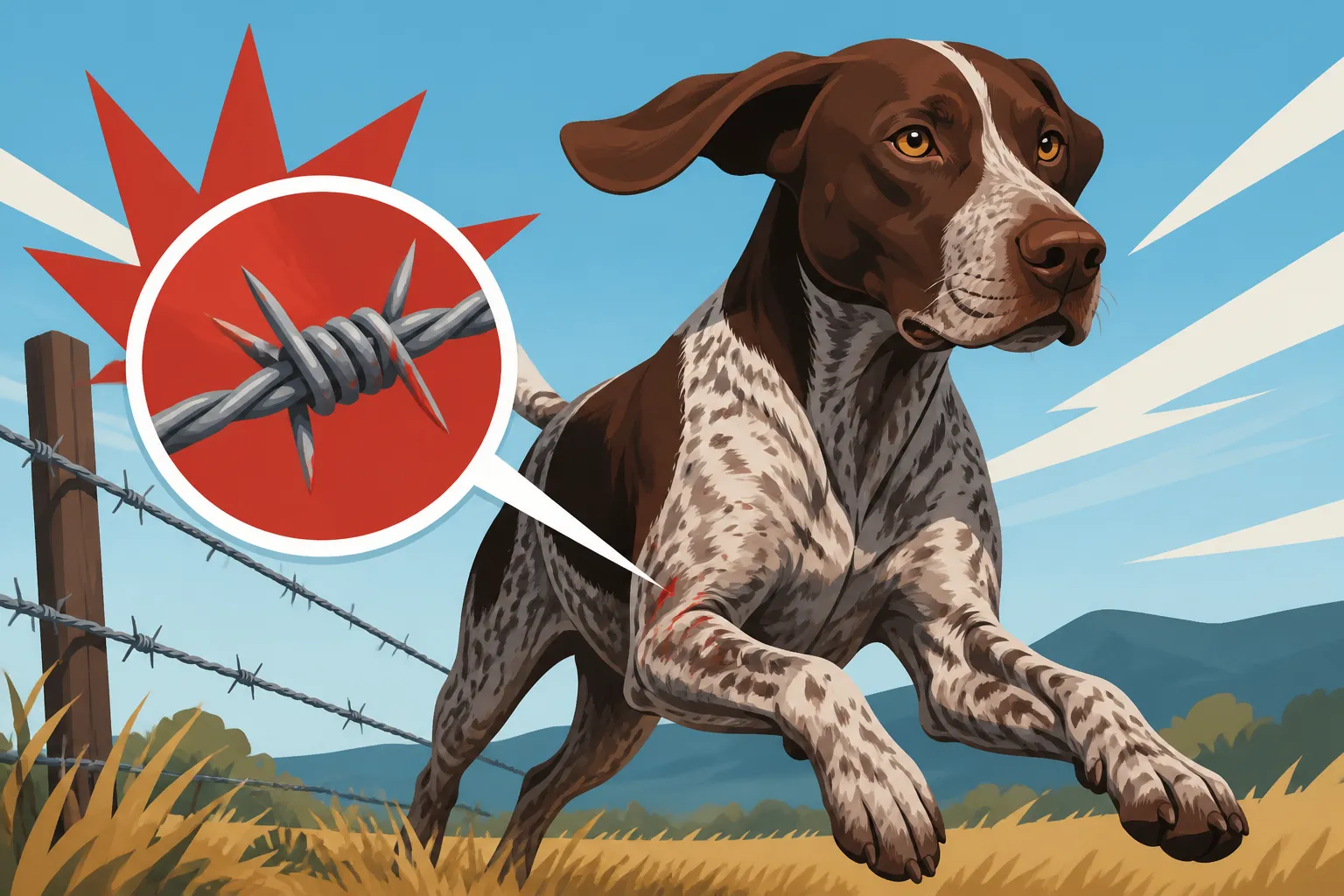
Imagine your Shorthair quartering at full throttle, nose to the ground, and suddenly, an old, rusted strand of barbed wire that’s fallen into the weeds becomes invisible in their periphery. At that speed, they don't just brush past it; they collide with it. The barbs can snag and tear through their thin skin in an instant, causing long, ragged lacerations or deep puncture wounds. The momentum of their run, coupled with the wire's resistance, can transform a minor contact into a significant, traumatic injury. It’s not just a cut; it’s a rip, a tear, sometimes even an entanglement that can cause panic and further injury. This is why checking a German Shorthaired Pointer over after a hunt is so critical, even if you think the cover was safe.
Common Locations and Severity of Barbed Wire Injuries
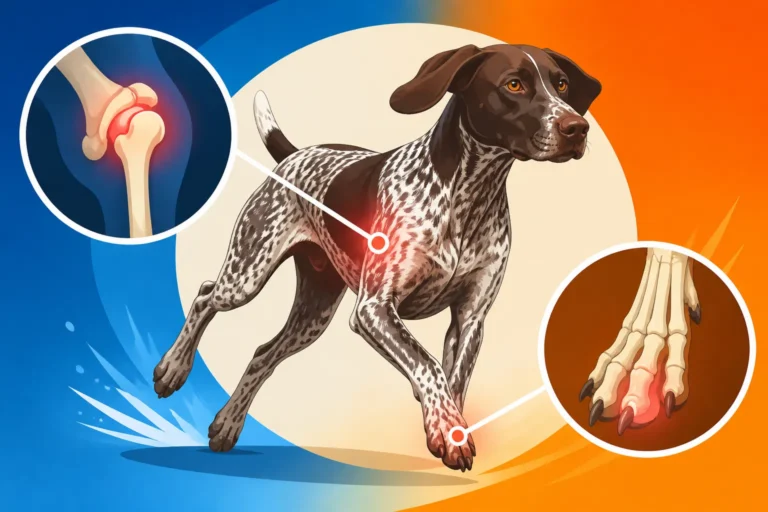
Due to their running gait and how they push through cover, certain areas of a German Shorthaired Pointer’s body are more prone to barbed wire injuries. The legs, especially the insides and outsides of the thighs and forelegs, are incredibly vulnerable. As they push through dense brush, their flanks and belly can also get caught, leading to long, shallow but wide gashes that bleed profusely. Their chest, particularly when they launch over a fence or log and misjudge the clearance, is another common strike zone.
The severity of these cuts varies wildly. You might encounter a superficial scrape that looks worse than it is, bleeding a lot but not deeply impacting the tissue. More often, however, barbed wire creates deep lacerations that penetrate through several layers of skin and muscle. These can be agonizingly painful and leave gaping wounds. Puncture wounds are also a major concern, as they can be deceptively small on the surface but incredibly deep, carrying dirt, rust, and bacteria deep into the tissue, setting the stage for serious infection. Sometimes, the wire can even become embedded, requiring surgical removal. It’s a stark reminder that a field injury isn't just about the surface damage; it’s about what lies beneath.
Immediate First Aid for a Barbed Wire Cut in the Field
Finding your high-drive German Shorthaired Pointer bleeding from a barbed wire cut is alarming, to say the least. Your heart races, and panic can quickly set in. But taking a deep breath and knowing the immediate steps to take can make a huge difference in the outcome and your dog’s comfort.
Assessing the Injury and Ensuring Safety
The very first thing you need to do, before anything else, is ensure both your safety and your dog's. A wounded dog, even the most biddable German Shorthaired Pointer, can be in immense pain and might react defensively out of fear or shock. Approach calmly and speak in a soothing voice. If you have a muzzle, even a makeshift one from a leash or scarf, now is the time to use it to prevent accidental bites. Gently restrain your dog, talking to them reassuringly.
Once you have control, carefully assess the injury. Is it bleeding heavily? Is there a foreign object, like a piece of wire or debris, still in the wound? Look for signs of shock – pale gums, rapid breathing, weakness, or a dazed expression. If the bleeding is severe, your immediate priority is to control it. Apply direct pressure to the wound using any clean cloth you have available, even a bandana or a spare sock. Maintain steady pressure, and don't lift it to check if the bleeding has stopped; just add more material on top if needed. Remember, deep cuts that bleed too much might mean you're dealing with a situation requiring immediate veterinary attention, possibly like the risk of bleeding disorder in German Shorthaired Pointer lines, which can complicate even minor injuries.
Cleaning and Bandaging a Field Wound
With the bleeding somewhat controlled and your dog as calm as possible, the next step is initial cleaning and bandaging. While you can't perform surgery in the field, you can prevent further contamination and protect the wound until you can get to a vet.
If you have a small first-aid kit (and you really should if you're hunting with a GSP!), use sterile saline solution or clean water to flush the wound as best you can. This helps remove surface dirt, debris, and some bacteria. Avoid harsh antiseptics like hydrogen peroxide, as they can damage delicate tissues. Gently blot around the wound with clean gauze pads or wipes. If the cut is relatively clean and not too deep, and you're confident there are no foreign objects, you can apply an antiseptic ointment formulated for dogs.
Next, it’s time to bandage. For long, open lacerations on the legs or body, apply a non-stick pad directly over the wound. Then, wrap it snugly (but not too tight to cut off circulation) with roll gauze, followed by a layer of cohesive bandage (like VetWrap). The goal is to keep the wound clean and protected, and to continue applying pressure if bleeding persists. For cuts on tricky areas, like the armpit or flank, sometimes a piece of medical tape and a small pad is all you can manage to keep it covered. Remember, this is a temporary measure. Your Shorthair needs professional care, likely for stapling a German Shorthaired Pointer's field wound or more extensive suturing.
Veterinary Care and Recovery for Barbed Wire Lacerations
Even with the best field first aid, a barbed wire cut almost always requires professional veterinary attention. The complexity and depth of these injuries often demand more than just a quick clean and bandage.
When to Seek Emergency Veterinary Attention
Let's be blunt: if your German Shorthaired Pointer has tangled with barbed wire, you should probably be heading to the vet as soon as possible. But there are certainly signs that scream "emergency!" and mean you need to get there now.
- Excessive or Uncontrolled Bleeding: If you can't get the bleeding to stop with direct pressure, or if it's spurting (indicating arterial damage), this is a critical emergency.
- Deep, Gaping Wounds: If you can see muscle, fat, or even bone, or if the wound is wide open, it absolutely needs to be cleaned and closed by a professional. Timely closure (within 6-8 hours, often called the "golden window") is crucial for preventing infection and ensuring proper healing.
- Lameness or Inability to Bear Weight: If your Shorthair is limping severely, refusing to put weight on a leg, or showing signs of nerve or tendon damage, it's a vet emergency.
- Swelling, Heat, or Pus: These are clear signs of infection, which can set in quickly with contaminated wounds.
- Foreign Objects: If you suspect a piece of wire, wood, or other debris is embedded in the wound, do NOT try to remove it yourself. You could cause more damage or bleeding. Let the vet handle it.
- Signs of Shock: Weakness, rapid heart rate, pale gums, cold extremities. These indicate a severe problem, potentially from blood loss or extreme pain.
If you observe any of these, don't hesitate. Call your vet on the way to give them a heads-up and prepare for your arrival.
Treatment Options and Healing Process
Once you're at the vet, they'll thoroughly examine your German Shorthaired Pointer and the wound. The treatment will typically involve several steps:
- Sedation or Anesthesia: Most barbed wire cuts are painful and require deep cleaning, which can't be done effectively on an awake, distressed dog. Your vet will likely sedate or anesthetize your Shorthair to properly clean, explore, and close the wound.
- Cleaning and Debridement: This is crucial. The vet will meticulously clean the wound, removing all dirt, debris, and any damaged or necrotic tissue. This process, called debridement, helps prevent infection and promotes healthy tissue regeneration.
- Suturing: For most deep lacerations, the vet will close the wound in layers using sutures. This helps bring the skin and underlying tissues back together, reducing the risk of infection and promoting better healing and cosmetic results. For smaller, cleaner cuts, sometimes medical glue or staples are used.
- Antibiotics and Pain Medication: Given the high risk of infection with barbed wire wounds, your vet will almost certainly prescribe a course of antibiotics. Pain medication is also essential to keep your GSP comfortable during recovery.
- Bandaging and E-Collar: A clean bandage will be applied to protect the wound during the initial healing phase. An Elizabethan collar (e-collar, or the "cone of shame") is often necessary to prevent your Shorthair from licking, chewing, or otherwise interfering with the healing incision.
Recovery time can vary based on the severity and location of the cut, but expect at least 2-4 weeks of restricted activity and careful wound monitoring. You’ll need to keep the bandage clean and dry, watch for any signs of infection (redness, swelling, discharge, foul odor), and administer all medications as prescribed. Your vet will usually want to recheck the wound in a few days and remove sutures in 10-14 days. Complications like infection or the development of proud flesh (excessive granulation tissue) can prolong healing.
Managing the Financial Impact of Unexpected Injuries
Let’s be honest, vet bills can be a real shock, especially when they’re for an unexpected emergency like a barbed wire cut. You're already stressed about your dog's well-being, and then the cost adds another layer of anxiety. A simple emergency visit, sedation, wound cleaning, and suturing can easily run into several hundred dollars, sometimes over a thousand if it's complex or requires an overnight stay. Throw in follow-up visits, antibiotics, pain meds, and an e-collar, and those expenses add up quickly. This is where being prepared financially, or having a plan, becomes incredibly important.
Many German Shorthaired Pointer owners swear by pet insurance precisely for these kinds of unforeseen accidents. Companies like Healthy Paws offer accident and illness plans that can reimburse a significant portion of your veterinary expenses, taking a huge weight off your shoulders during a stressful time. Imagine not having to choose between the best care for your injured companion and your savings account. Having coverage through Healthy Paws means you can focus solely on your dog's recovery without the added financial strain. It’s definitely something worth considering for any active German Shorthaired Pointer, as field injuries a hunting German Shorthaired Pointer comes home with are a common reality.
Prevention and Preparedness: Minimizing Barbed Wire Risks
While accidents can happen, there's a lot you can do to reduce the likelihood of your German Shorthaired Pointer encountering barbed wire and to be better prepared if they do.
Scouting Ahead and Awareness in the Field
The best defense against barbed wire cuts is prevention. Before you ever let your German Shorthaired Pointer off-leash in a new area, take the time to scout it out. Walk the perimeter, paying close attention to fencelines, overgrown areas, and abandoned structures where old wire might be lurking. Talk to landowners if you’re hunting on private property; they often know where the hazards are.
During the hunt or walk itself, remain vigilant. Even in familiar territory, changes can occur – a storm might have knocked down a fence, or new construction could have left debris. Keep an eye out for any suspicious glints of metal, old fence posts, or tangles of brush that might conceal wire. If you see something concerning, redirect your dog away from it. This proactive approach can save you a lot of heartache and vet bills. A strong recall, which we discuss in detail in our article on Recall on a German Shorthaired Pointer That Is Locked On, is invaluable here, allowing you to quickly steer your dog away from danger.
Essential Gear for Every German Shorthaired Pointer Owner
Being prepared is paramount for any GSP owner who spends time outdoors. A well-stocked first-aid kit for your dog is non-negotiable. Here's what it should include:
- Roll gauze and cohesive bandage (VetWrap): For wrapping wounds and providing pressure.
- Non-stick pads or sterile gauze: To cover the wound.
- Antiseptic wipes or spray: To clean around the wound.
- Saline solution: For flushing wounds.
- Medical tape: To secure bandages.
- Blunt-nosed scissors: To cut bandages or hair away from a wound.
- Muzzle: Essential for safety when handling an injured dog.
- Tweezers: For removing minor debris (but not embedded wire).
- Gloves: To keep things sterile and protect yourself.
- Hydrogen peroxide: ONLY to induce vomiting under vet guidance, not for wound cleaning.
- Pain relief: Always discuss safe options with your vet beforehand; never give human pain medications without guidance.
Beyond first aid, consider other gear. A good GPS tracking collar can help you quickly locate your dog if they get lost or are injured out of sight. Boots for a Shorthair on rock and stubble can offer some protection against cuts and abrasions on their paw pads, though they won't fully protect against barbed wire. Investing in a durable, reflective vest can also improve visibility in dense cover.
Training for Recall and Situational Awareness
A well-trained German Shorthaired Pointer is a safer German Shorthaired Pointer. A rock-solid recall is your most important tool for preventing barbed wire injuries. If you can call your dog back instantly, even when they’re locked onto a scent, you can steer them away from hazards you spot. Consistent training, starting with basic obedience and progressing to reliable recall in distracting environments, is essential.
Teaching "whoa" is another foundational skill that can literally stop your dog in their tracks, preventing them from running into danger. Our article, Whoa and Why Every Shorthair Starts There, delves into why this command is so vital. Beyond specific commands, encouraging overall situational awareness in your dog, where they check back with you regularly, can also help. This isn't about stifling their natural hunting drive but rather giving them the tools to navigate the field safely under your guidance. Regular practice in various environments reinforces these behaviors, making your Shorthair a more capable and safer hunting companion. Even if you're not a hunter, teaching these commands is invaluable for walks and hikes.
First Aid Action Plan for Barbed Wire Cuts
Here’s a quick reference table to help you respond to different types of barbed wire injuries:
| Type of Barbed Wire Cut | Immediate Action in the Field | When to See a Vet | Potential Vet Treatment |
|---|---|---|---|
| Superficial Scrape | Clean gently with saline/water, apply antiseptic wipe, cover. | As soon as possible, especially if large or on a joint. | Further cleaning, possibly medical glue/staples, antibiotics. |
| Deep Laceration | Apply direct pressure to stop bleeding, clean minimally, bandage firmly. | IMMEDIATELY – within hours for optimal closure. | Sedation/anesthesia, debridement, suturing, antibiotics, pain meds. |
| Puncture Wound | Clean area around wound, monitor for swelling/redness. DO NOT probe. | IMMEDIATELY – high risk of deep infection. | Exploration, deep cleaning, antibiotics, pain meds. |
| Embedded Wire | DO NOT attempt to remove. Immobilize area if possible, control bleeding around it. | IMMEDIATELY – risk of further damage/bleeding. | Surgical removal under anesthesia, wound care, antibiotics. |
| Excessive Bleeding | Apply continuous, firm direct pressure. Keep dog calm. | EMERGENCY VET IMMEDIATELY. | Blood transfusions, surgical control of bleeding, shock treatment. |
Disclaimer
This article is intended for informational purposes only and is not a substitute for professional veterinary advice, diagnosis, or treatment. Always seek the advice of your veterinarian or other qualified health provider with any questions you may have regarding a medical condition or treatment for your German Shorthaired Pointer.