Frostbite on a Late Season German Shorthaired Pointer
The biting wind and dropping temperatures of late hunting season bring a different kind of challenge, and for us German Shorthaired Pointer owners, it often means worrying about the health and safety of our tireless companions. One silent danger that often goes overlooked until it's too late is frostbite, a truly painful and debilitating injury that can strike our shorthairs when they’re pushing hard in frigid conditions. This guide will walk you through understanding why it happens, how to spot the subtle signs, what to do immediately, and how to prevent it, so you can keep your beloved dog safe and sound through the chilliest hunts.
Understanding Frostbite in German Shorthaired Pointers
Frostbite isn't just about feeling cold; it's a serious injury where tissues freeze, leading to cell damage and, in severe cases, tissue death. Our German Shorthaired Pointers, with their short, sleek coats, are particularly susceptible in the harsh realities of late-season hunting. They might have boundless energy and a thick skin for discomfort, but their physical makeup can betray them when exposed to extreme cold for extended periods.
Why Late Season Poses a Higher Risk
Late season hunting often means unpredictable, brutal weather conditions. We're talking about temperatures consistently below freezing, often accompanied by biting winds, sleet, or even thin ice on ponds and marshes. These factors combine to create a perfect storm for frostbite. Your GSP might be focused on the scent of a pheasant or retrieving a duck from icy water, pushing through discomfort that would send a less driven dog packing. This intense focus, combined with the extreme elements, means they might not show signs of distress until the damage is already done.
Moreover, the longer days spent out in the field as the season progresses mean prolonged exposure. A quick jaunt in 20-degree weather might be fine, but hours upon hours, especially if your dog is getting wet from snow, puddles, or retrieving from cold water, significantly increases the risk. The wind chill factor is a huge player here; a relatively mild freezing temperature can feel drastically colder with even a moderate breeze, accelerating the cooling of exposed tissues. It’s not just the air temperature, but the combination of wind, moisture, and duration of exposure that makes late season so dangerous.
The sheer athleticism of a German Shorthaired Pointer, while incredible, can also be a double-edged sword when it comes to cold weather. Their high metabolism generates heat, but their short coat offers minimal insulation compared to double-coated breeds. Once they stop moving or if they become soaked, that heat loss accelerates rapidly. We've all seen our shorthairs shiver a bit after a cold retrieve, but that's often just the start. They are so eager to please and so driven in the field that they will often push past the point of sensible comfort, making it critical for us to be vigilant on their behalf. You need to be particularly mindful of the temperature a German Shorthaired Pointer should not hunt in to ensure their safety.
Common Body Parts Affected
While any part of a German Shorthaired Pointer's body can suffer from frostbite, certain areas are far more vulnerable due to less fur protection, poorer circulation, or increased exposure. These are typically the extremities – the parts furthest from the core body heat and with smaller blood vessels. Their ears are particularly susceptible, being thin and often exposed. You might see the tips of the ears start to become stiff or discolored.
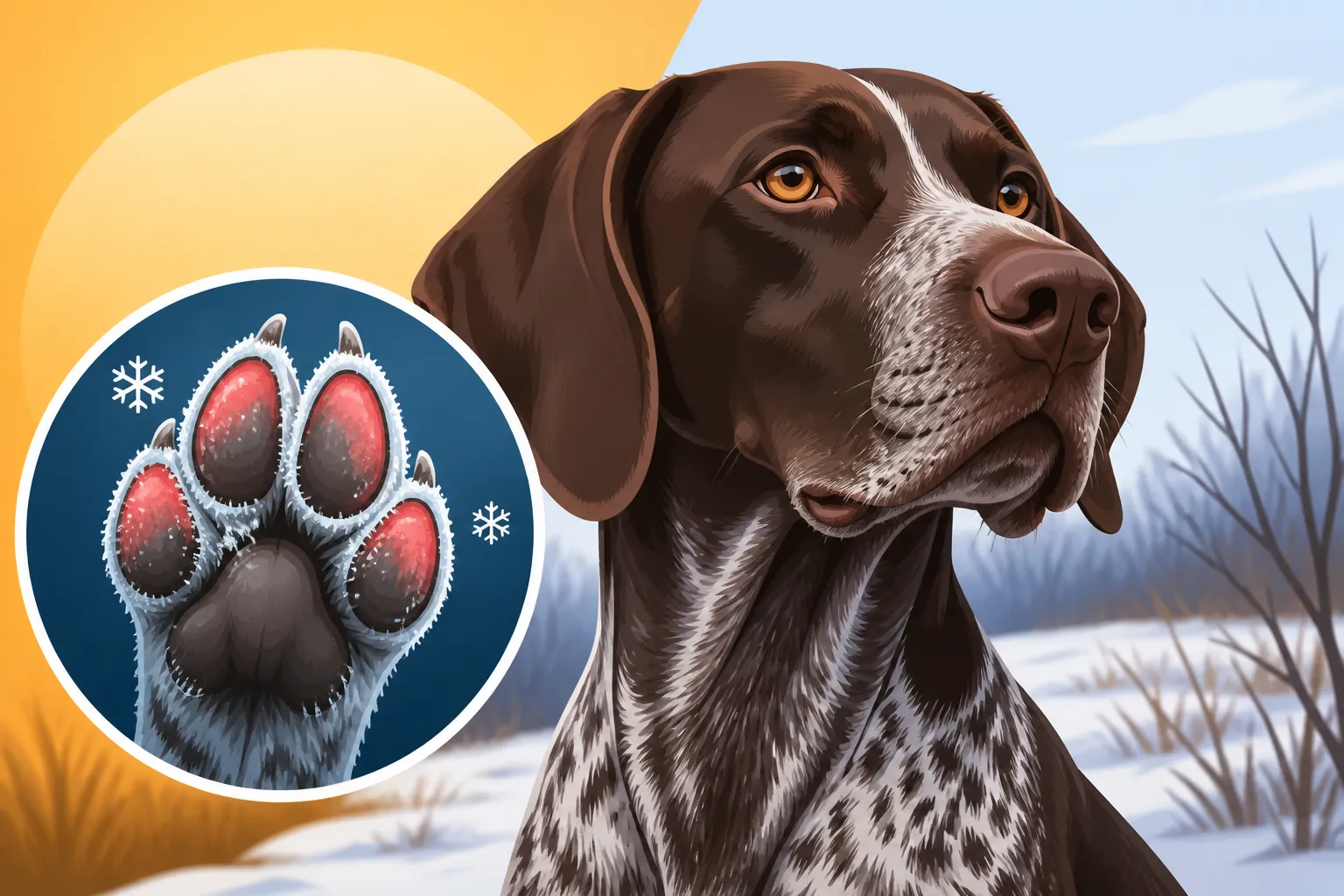
The tail, especially if it's docked, is another prime target. The end of the tail has reduced blood flow compared to the base, making it prone to freezing. You'll often see the tip of the tail affected first. And, of course, their paws are constantly in contact with cold, wet, or icy ground. The pads and the skin between the toes can easily suffer frostbite, especially if they are running through snow or ice without proper protection. If you're out in tough terrain, boots are a must, as these areas can also suffer from ice balls between a Shorthair's toes.
For male German Shorthaired Pointers, the scrotum is an extremely sensitive area that can also be affected, as it lacks significant fur protection. Any area with sparse hair, like the belly or even nipples, can be vulnerable, especially if the dog lies down in the snow or on frozen ground. Understanding these high-risk areas means you can perform a quick, targeted check on your dog during breaks or after a retrieve, potentially catching early signs before the damage becomes severe.
Recognizing the Signs of Frostbite in the Field
Spotting frostbite early is absolutely crucial for minimizing damage and ensuring your German Shorthaired Pointer's recovery. However, because our GSPs are often so stoic and driven, the initial signs can be incredibly subtle and easily missed amidst the excitement of the hunt. It requires a keen eye and a thorough understanding of what to look for beyond just shivering.
Early Indicators and Subtle Changes
In the very early stages of frostbite, the affected skin will typically appear pale, waxy, or grayish. You might notice a slight bluish tint, especially on the tips of the ears or tail. When you touch the area, it will feel unusually cold and firm, perhaps even numb. Unlike normal cold skin, which might still have some pliability, frostbitten skin feels stiff. Your dog might not react much to you touching these areas due to the numbing effect of the cold, which can be deceptive.
Behaviorally, your GSP might show some subtle discomfort. They might lift or favor a paw more frequently, or perhaps start shaking that specific limb. Shivering, while a general sign of being cold, can be more localized to the affected area or become more intense than what you'd typically expect for the conditions. Pay close attention if your dog seems to be trying to chew or lick at a particular spot on their paws, tail, or ears, as this could indicate a tingling sensation as the area tries to warm up, or a dull ache. This is when a quick, thorough check of your dog after a hunt is vital, much like the process of checking a German Shorthaired Pointer over after a hunt.
As the frostbite progresses slightly, the affected areas might become swollen and painful as blood flow slowly returns. This is often the point where dogs start to show more obvious signs of discomfort. It's a delicate balance: the tissue is still frozen, but the early signs of damage are setting in. This initial phase is the best time to intervene, as the damage is often reversible if treated promptly and correctly. Missing these early cues can lead to more severe, permanent tissue damage.
Advanced Symptoms and Damage
If frostbite is left untreated or exposure continues, the symptoms become far more pronounced and alarming. The initial paleness can progress to a deep red or purple, and then, ominously, to black. This blackening indicates necrosis, or tissue death. At this stage, the affected skin and underlying tissues will feel hard and cold, and the dog will likely have completely lost sensation in the area. Blisters, filled with clear or bloody fluid, can form on the affected skin, similar to severe burns. These blisters are a clear indicator of significant tissue damage.
Over several days to weeks, the severely frostbitten tissue will dry out, shrivel, and become mummified. It will eventually slough off, meaning it detaches and falls away. This can result in the loss of ear tips, tail tips, or parts of paws, leading to permanent disfigurement and functional impairment. The long-term implications can include chronic pain, increased sensitivity to cold in the affected areas, and a higher risk of future frostbite.
| Frostbite Severity | Appearance of Affected Area | Sensation | Long-Term Outcome |
|---|---|---|---|
| Mild (First-Degree) | Pale, waxy, grayish, cold to touch. Skin may be soft. | Numbness, tingling, mild pain upon rewarming. | Full recovery typically. |
| Moderate (Second-Degree) | Red, swollen, firm, possible blisters (clear/bloody fluid). | Significant pain upon rewarming, some numbness. | Healing can take weeks, scarring, potential for hair loss. |
| Severe (Third-Degree) | Bluish-gray to black, hard, cold, dry, shriveled. | No sensation (numbness). | Tissue necrosis, sloughing, permanent damage, loss of tissue. |
Immediate First Aid and Veterinary Care
When you suspect your German Shorthaired Pointer has frostbite, time is of the essence. Immediate action in the field can make a significant difference in the outcome, but it’s crucial to know what to do and, just as importantly, what not to do. The goal is to gently rewarm the affected tissues and prevent further damage, all while preparing for prompt veterinary attention.
On-the-Spot Actions to Take
The very first thing you need to do is get your shorthair out of the cold environment. Whether that means heading straight for the truck, a warm shelter, or even just wrapping them in a coat, remove them from the source of the cold. Once out of the wind and direct cold, focus on gentle rewarming. The best way to do this is by immersing the affected area in lukewarm (not hot!) water – think bathwater temperature, around 100-104°F (38-40°C). You can use a pan of water for paws, or wet towels for ears or tail. This gentle, moist heat helps to slowly restore circulation.
As you're rewarming, do not rub the affected areas with snow or aggressively massage them. Rubbing can cause further damage to fragile, frozen tissue. If you don't have water readily available, gently wrap your GSP in warm towels or blankets, using your own body heat if necessary, such as tucking their paws into your armpits. The key is slow, gradual warming. Avoid sudden, intense heat, like direct contact with a heat lamp or hairdryer, as this can cause burns to already compromised skin, compounding the injury.
Keep your dog calm and comfortable during this process. They may be in pain as the sensation returns, so speak in soothing tones and reassure them. Once the areas feel soft and warm to the touch, dry them gently and keep them well-covered to prevent refreezing, which is even more damaging than the initial freeze. Remember, this is merely first aid; professional veterinary care is the next, non-negotiable step. Even if the frostbite appears mild, complications can arise, so always err on the side of caution.
When to Seek Professional Help
Let me be absolutely clear: if you suspect frostbite, even mild frostbite, you must get your German Shorthaired Pointer to a veterinarian as quickly as possible. This isn't an injury you can treat completely at home, and delays can lead to irreversible damage or serious complications like infection. Your vet will be able to properly assess the extent of the injury, manage pain, and prevent secondary issues.
When you arrive at the clinic, the vet will likely continue the rewarming process if needed, often in a more controlled environment. They might administer pain medication, as the rewarming phase can be incredibly uncomfortable for your dog. Antibiotics are often prescribed to prevent infection in damaged tissues, and in some cases, specific medications to improve blood flow to the area might be used. They’ll also clean any blisters and ensure proper wound care. Severe cases may require hospitalization for continuous monitoring and advanced treatments.
The costs associated with treating frostbite, especially severe cases involving tissue loss, surgical debridement, or long-term wound care, can add up quickly. This is where having pet insurance can be a real lifesaver. Companies like Healthy Paws, for example, often cover accidents and illnesses, which would include frostbite treatment, helping to ease the financial burden during an already stressful time. Being prepared for unexpected vet bills means you can focus on your dog’s recovery without the added stress of financial strain. For more serious injuries, it's worth considering the bill when a Shorthair torsions mid season or what a Shorthair's knee surgery runs after a field injury.
Preventing Frostbite in Your Hunting Partner
Prevention is always better than cure, especially when it comes to an injury as insidious as frostbite. For our active German Shorthaired Pointers, being proactive about their cold-weather safety is paramount. The first line of defense is ensuring they have adequate protection. Investing in proper gear is essential. Quality dog boots can protect their sensitive paw pads from ice, snow, and frozen ground. Just make sure to get your dog used to them before opening day. A well-fitted neoprene vest on a German Shorthaired Pointer can provide vital insulation, especially if they are retrieving from cold water or working in wet snow.
Beyond gear, pay close attention to your dog's overall conditioning and nutrition. A well-fed, lean, but not underweight GSP will have better natural insulation and energy reserves to combat the cold. Ensure they are well-hydrated before, during, and after a hunt, as dehydration can impair circulation. Always carry water for your dog, even in cold weather. Take frequent breaks during long hunts to allow your dog to warm up in a sheltered area, and perform quick checks of their ears, tail, and paws for any early signs of cold exposure.
Most importantly, know your dog's limits and pay attention to the weather. Monitor the actual temperature, factoring in wind chill, and be realistic about how long your shorthair can safely stay out. If you notice them shivering uncontrollably, lifting paws, or seeming sluggish, it’s time to call it a day, even if the birds are still flying. There's no bird worth risking your dog's health for. Consider reading up on the median age a German Shorthaired Pointer reaches to emphasize the importance of preserving their health for a long, happy life.
Long-Term Management and Recovery
Even after immediate first aid and veterinary intervention, the journey to full recovery from frostbite can be lengthy and fraught with potential complications. It’s not just about the initial freezing; the aftermath can require ongoing vigilance and specialized care to ensure the best possible outcome for your German Shorthaired Pointer.
The Healing Process and Potential Complications
Once the frostbitten tissues are rewarmed, the real work of healing begins. In the days and weeks following the injury, you might observe significant swelling, redness, and discoloration in the affected areas. This is part of the inflammatory response as the body attempts to repair itself. Pain can persist, sometimes for an extended period, requiring continued pain management prescribed by your veterinarian. It’s vital to follow their instructions meticulously.
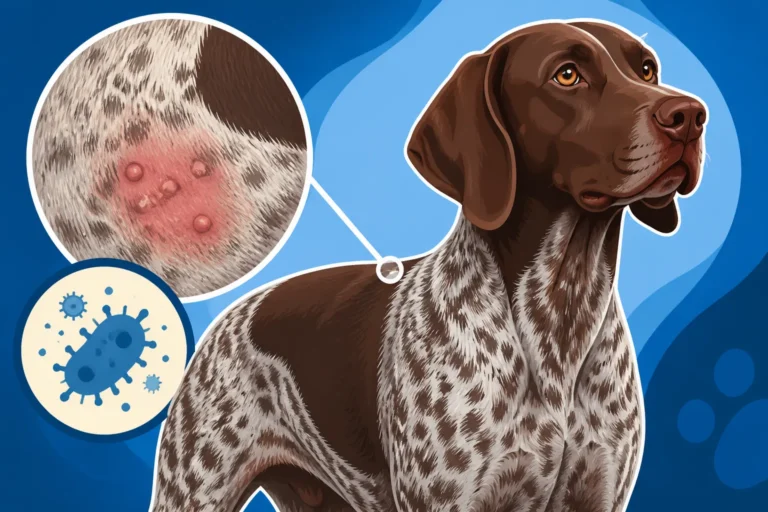
One of the most concerning complications is infection. Damaged tissue is highly susceptible to bacterial invasion, which can lead to further tissue breakdown and systemic illness. Your vet will likely prescribe antibiotics and advise on wound care, which might involve daily cleaning, topical medications, and protective bandaging. You’ll need to watch for any signs of worsening infection, such as increased redness, pus, foul odor, or fever. For those with Healthy Paws insurance, these follow-up vet visits and medications are typically covered, which can be a huge relief during a long recovery.
In severe cases, where tissue has died, the process of sloughing can be unsettling. The dead tissue will gradually separate from the healthy tissue underneath. This might leave open wounds that require diligent care to prevent infection and promote healing. Sometimes, surgical debridement (removal of dead tissue) is necessary to facilitate healing. The loss of tissue can result in permanent disfigurement or functional limitations, especially if paws, ears, or tails are significantly affected. The healing journey is a marathon, not a sprint, and patience and consistent care are essential.
Future Considerations for Your Shorthair
After a German Shorthaired Pointer has experienced frostbite, particularly if it was moderate to severe, you'll need to make some adjustments to their future activities and care. The affected areas, even if they appear fully healed, may have increased sensitivity to cold and are more prone to refreezing in the future. This means a heightened awareness of weather conditions and stricter preventive measures will be necessary.
Your vet will help you assess any permanent damage, such as nerve damage leading to chronic pain or numbness, or circulatory issues that make certain areas more vulnerable. It might mean modifying your hunting schedule, choosing warmer days, or significantly reducing the duration of cold-weather exposure. More robust protective gear, such as specialized boots for paws or ear coverings, might become essential. You might even consider if your dog's hunting days are over in very cold climates.
It’s also important to discuss with your vet any underlying health conditions that might have contributed to the frostbite or could complicate future cold exposure. For instance, conditions affecting circulation, like dilated cardiomyopathy and a Shorthair's diet, could increase susceptibility to cold injuries. Staying in close communication with your vet about your dog's overall health and making informed decisions about their activity levels will be key to ensuring they live a comfortable, happy life, despite having suffered frostbite.
Disclaimer
The information provided in this article is for general educational purposes only and should not be considered a substitute for professional veterinary advice. Always consult with a qualified veterinarian for any health concerns or before making any decisions related to your German Shorthaired Pointer's care.