Anesthesia Risk in a Lean German Shorthaired Pointer
It's incredibly nerve-wracking when your vibrant, energetic German Shorthaired Pointer needs to go under anesthesia for any procedure, big or small. We know how finely tuned these dogs are, often lean and full of boundless energy, which naturally makes us worry about how their bodies will handle sedation. This guide is here to walk you through the unique considerations for a lean GSP undergoing anesthesia, helping you understand the risks and how to best prepare and advocate for your beloved companion.
Understanding Anesthesia Risks in Lean German Shorthaired Pointers
The German Shorthaired Pointer is a breed renowned for its athletic build and high metabolism. They're often lean, sometimes even appearing a bit bony to those unfamiliar with the breed, and that sleek physique plays a significant role in how they respond to anesthesia. It's not just about aesthetics; their lack of body fat and intense physiological drive can present some distinct challenges during sedation.
The Impact of Low Body Fat on Anesthesia
When a GSP is naturally lean, it means they have less subcutaneous fat and often less fat around their organs compared to other breeds or even a less active GSP. This isn't necessarily a bad thing, as it's often a sign of their incredible athleticism and proper conditioning. However, in the context of anesthesia, this leanness can significantly alter how certain medications behave within their system. Many anesthetic drugs are fat-soluble, meaning they tend to distribute and accumulate in fatty tissues. When there's less fat available, these drugs can remain in higher concentrations in the bloodstream and vital organs for longer, potentially leading to a more profound or prolonged sedative effect.
Think about it like this: if you have a sponge (fat tissue) that absorbs some of the medication, a smaller sponge means less absorption, leaving more drug circulating freely. This can make dose calculations tricky and requires a veterinarian experienced with sighthound or athletic breeds, who understand these metabolic nuances. Over-sedation is a real concern if the dosage isn't meticulously adjusted for their lean body mass rather than just their total weight.
Metabolism and Thermoregulation Challenges
German Shorthaired Pointers have engines that run hot – metaphorically and sometimes literally! Their high metabolism, a characteristic that makes them exceptional working dogs, also means their bodies process drugs differently. They can metabolize certain anesthetics more quickly, leading to a shorter duration of effect, or in other cases, their lean muscle mass can alter how drugs are broken down and eliminated, sometimes leading to slower recovery. This variability means constant, vigilant monitoring is non-negotiable.
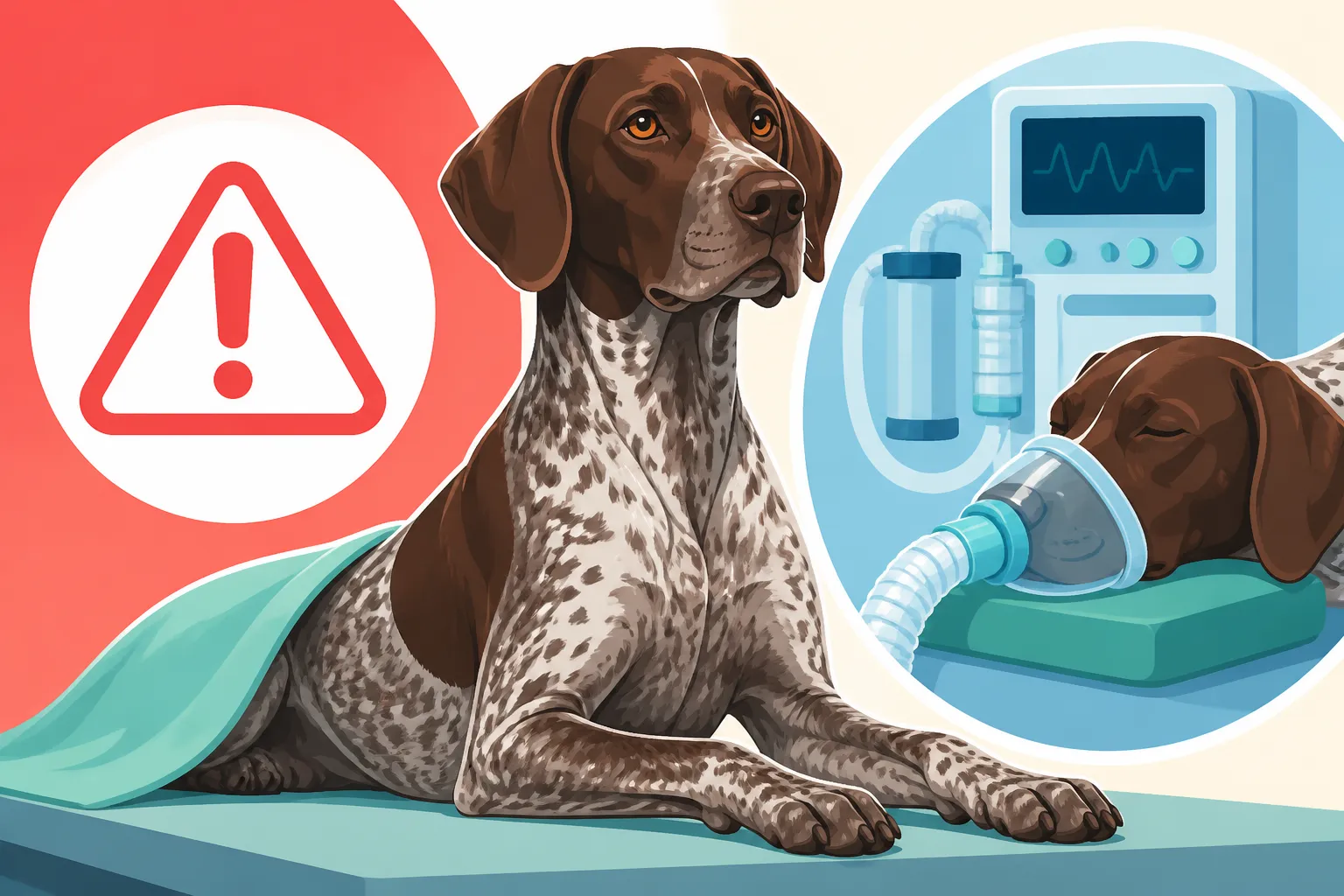
Beyond drug metabolism, their lack of insulating fat makes them much more susceptible to hypothermia during anesthesia. When a dog goes under, their body temperature naturally drops because their metabolic rate slows down, and the anesthetic drugs affect their ability to regulate temperature. For a GSP, this drop can be more rapid and severe. Hypothermia isn't just uncomfortable; it can lead to slower drug metabolism (creating a vicious cycle with the fat-soluble drugs mentioned earlier), slower recovery times, increased risk of heart arrhythmias, and impaired blood clotting. This is why maintaining core body temperature with warming blankets, heated IV fluids, and warm air systems is absolutely critical for our lean, short-coated companions.
Essential Pre-Anesthetic Steps for Your GSP
Preparation is paramount when it comes to any anesthetic procedure, and for a German Shorthaired Pointer, these steps are even more critical. It’s about being proactive and working closely with your veterinary team to ensure the safest possible experience.
Thorough Pre-Anesthetic Examination and Bloodwork
Before your GSP even sniffs the anesthetic gas, a comprehensive physical examination is essential. Your vet will listen to their heart and lungs, check their mucous membranes, assess their hydration, and discuss their general health history. This is your chance to voice any concerns you have, no matter how small they seem. Have they been less energetic lately? Is their appetite off? Every piece of information helps paint a complete picture. Sometimes, a GSP's enthusiasm can mask subtle health issues, so a vet familiar with the breed's high drive is a huge asset.
Beyond the physical exam, pre-anesthetic bloodwork is non-negotiable. This isn't just a standard procedure; it's a window into your GSP's internal health, especially their liver and kidney function, which are crucial for metabolizing and excreting anesthetic drugs. A complete blood count (CBC) will check for anemia or infection, while a chemistry panel assesses organ function. For a GSP, especially those destined for breeding or high-level performance, additional screening for conditions like Von Willebrand disease – a bleeding disorder found in some lines – might be advisable, particularly before a spay or other invasive surgery where bleeding risk is a factor. You don't want to discover a hidden health issue during anesthesia.
| Test Category | Specific Tests | Purpose for GSPs |
|---|---|---|
| Complete Blood Count (CBC) | Red Blood Cells, White Blood Cells, Platelets | Screens for anemia, infection, inflammation, and clotting ability. Essential for assessing overall health before anesthesia. |
| Chemistry Panel | Liver Enzymes, Kidney Values (BUN, Creatinine), Glucose, Protein | Evaluates liver and kidney function for drug metabolism and excretion. Checks blood sugar levels and hydration status. |
| Electrolytes | Sodium, Potassium, Chloride | Assesses electrolyte balance, crucial for heart function and nerve impulses, especially important in active dogs. |
| Urinalysis | Urine Specific Gravity, Protein, Glucose, pH | Provides further insight into kidney function and overall metabolic health, complementing blood chemistry. |
| Coagulation Profile | PT, aPTT, Platelet Count | Measures blood clotting times, vital for breeds with potential bleeding disorders like Von Willebrand disease, or before any invasive procedure. |
Customized Anesthesia Protocols
This is where your veterinarian's experience with German Shorthaired Pointers really shines. There isn't a "one size fits all" anesthesia plan, especially for a breed with such specific physiological characteristics. A good vet will tailor the anesthetic protocol specifically for your GSP, taking into account their age, overall health, the type of procedure, and their lean body condition. They might opt for a combination of drugs (multimodal anesthesia) that allows for lower doses of each individual agent, reducing the risk of side effects.
For instance, they might choose drugs that are less reliant on fat distribution or those with readily reversible agents. Propofol, isoflurane, or sevoflurane are common, safe choices. The use of pre-medication—sedatives and pain relievers given before the main anesthetic—is also key. These not only calm your dog but also reduce the amount of general anesthetic needed. Don't hesitate to ask your vet about their specific plan, the drugs they intend to use, and why they believe it's the best approach for your German Shorthaired Pointer. It’s important for them to explain how they will monitor and manage vital signs, and how they specifically account for a GSP's unique build.
You should also discuss the timing of the procedure. For a lean, high-energy dog, ensuring they have sufficient rest beforehand is important. Consider how early the clinic expects you to arrive and if that allows for your GSP to have a relaxed morning. Stress can elevate heart rate and blood pressure, making sedation more challenging.
Monitoring and Recovery: What to Expect
The actual time your German Shorthaired Pointer is under anesthesia is often the shortest part of the journey. What happens before and, critically, after is just as important for their safety and smooth recovery.
Vigilant Intra-Operative Monitoring
During the procedure, vigilant monitoring is absolutely essential. For a GSP, given their risk of hypothermia and unique drug metabolism, this means more than just a quick check. Modern veterinary clinics use advanced monitoring equipment that tracks a host of vital signs:
- Heart Rate and Rhythm (ECG): To detect any abnormalities in cardiac function, which is especially important for active breeds. A potential concern like a hidden The Heart Murmur a German Shorthaired Pointer Puppy Can Carry should be considered if not previously ruled out.
- Respiratory Rate and End-Tidal CO2: To ensure adequate breathing and ventilation.
- Blood Pressure: To maintain sufficient blood flow to organs.
- Oxygen Saturation (Pulse Oximetry): To measure the oxygen levels in the blood.
- Body Temperature: Continuous monitoring with a rectal probe is vital to prevent hypothermia, often paired with active warming measures like Bair Hugger blankets or circulating warm water pads.
Beyond the machines, a dedicated veterinary technician should be solely focused on monitoring your GSP's vital signs and adjusting anesthetic depth under the vet's direction. This human element is irreplaceable. They'll be watching for subtle changes in gum color, capillary refill time, and eye reflexes, which are all indicators of how your dog is tolerating the anesthesia.
Post-Anesthetic Care and Potential Complications
The recovery period is where many of the unique challenges for lean GSPs can manifest. Because they have less fat to hold onto fat-soluble drugs, they might wake up more abruptly, or conversely, their altered metabolism might mean a slower, groggier awakening if the drug choice wasn't perfectly matched to their system. Hypothermia is still a significant concern immediately post-op, so continued warming measures are often necessary until their body temperature stabilizes.
Upon waking, your GSP might be disoriented, unsteady, or even a bit vocal. This is generally normal. What's not normal are signs of prolonged lethargy, difficulty breathing, excessive bleeding, or uncontrolled pain. Your vet team will continue to monitor them closely, providing warmth, pain management, and reassurance.
One common post-anesthetic complication, especially for active dogs, can be swelling at the IV site or general discomfort. Make sure you get clear instructions on how to care for them at home, including feeding instructions and activity restrictions. Knowing The Rest a Shorthair Needs Between Eating and Running is crucial to prevent complications during recovery. Discussing potential post-op pain management, such as anti-inflammatory drugs, is also vital. In some cases, if there were any unexpected complications, having pet insurance like Healthy Paws can provide immense peace of mind, covering a significant portion of those unforeseen veterinary expenses.
Minimizing Risks and Choosing the Right Vet
Being an advocate for your German Shorthaired Pointer means being informed and making careful choices, especially when it comes to their health and medical procedures.
Long-Term Health and Lifestyle Considerations
Maintaining your GSP's overall health and fitness year-round is the best long-term strategy for minimizing anesthesia risks. A healthy heart, strong lungs, and appropriate body condition will always make any medical procedure safer. This means a balanced diet tailored to their high energy levels, consistent exercise, and regular veterinary check-ups. Even if your GSP isn't a full-time hunter, providing them with enough mental and physical stimulation, as outlined in topics like The Two Hours a Day a German Shorthaired Pointer Needs, is critical for their well-being.
However, "lean" doesn't mean "underweight." A properly conditioned GSP should have visible waist and tucked-up abdomen, and you should be able to easily feel, but not necessarily see, their ribs. If your GSP is too thin, or if their leanness is accompanied by other health concerns like poor coat quality or low energy, that's a different situation entirely and requires a thorough veterinary workup before considering anesthesia. Addressing underlying conditions like Thyroid Failure in a Middle Aged German Shorthaired Pointer would be paramount before any elective surgery.
Supplements, while not a substitute for good nutrition, can sometimes support overall health. For instance, joint supplements are often considered for active breeds, and while they don't directly impact anesthesia, they contribute to the dog's overall robust health. Always discuss any supplements with your vet.
Selecting an Experienced Veterinary Team
Choosing the right veterinary team is arguably the most critical step. You need a clinic and a veterinarian who not only understand general anesthesia but also have specific experience with athletic breeds like German Shorthaired Pointers. Don't be afraid to ask questions:
- How often do they anesthetize GSPs or similar athletic breeds?
- What pre-anesthetic testing do they require?
- What anesthetic drugs do they typically use for this breed and why?
- What monitoring equipment do they use, and who is dedicated to monitoring during the procedure?
- What warming measures do they employ for lean dogs?
- What are their post-operative care protocols?
- Do they offer pain management options for after your dog goes home?
A good vet will welcome these questions and be able to explain their protocols clearly and confidently. If you feel rushed or your concerns aren't adequately addressed, it might be worth seeking a second opinion. A veterinary team that understands the nuances of a GSP's physiology, from their lean build to their high metabolism and potential for conditions like Subaortic Stenosis in a Young German Shorthaired Pointer, will be best equipped to handle their anesthetic needs safely.
Lastly, be financially prepared. While we all hope for the best, complications can arise, and good veterinary care isn't cheap. Having a robust pet insurance policy, perhaps from a provider like Healthy Paws, can alleviate the stress of unexpected bills, allowing you to focus purely on your GSP's recovery rather than the financial strain. Understanding The Vet Bills a Hunting German Shorthaired Pointer Earns can help you plan ahead.
Disclaimer
The information provided in this guide is for general educational purposes only and should not be considered a substitute for professional veterinary advice. Always consult with a qualified veterinarian regarding any health concerns or before making any decisions about your German Shorthaired Pointer's medical care, including anesthesia. Individual risks and protocols can vary greatly based on your dog's specific health status and the nature of the procedure.