Helping a Stiff Old German Shorthaired Pointer Get Up
It’s truly heartbreaking to watch your once-exuberant German Shorthaired Pointer, who used to leap fences and bound through fields, now struggle with the simplest acts like standing up from a comfy bed. That stiffness, that hesitation, the visible effort just to get on their feet – it’s a clear sign that age is catching up, and it can leave you feeling helpless. This guide aims to equip you with a deep understanding of why your beloved GSP might be moving slower and, more importantly, provides actionable strategies to help ease their discomfort and improve their daily mobility.
Understanding Why Your Senior German Shorthaired Pointer Gets Stiff
As our German Shorthaired Pointers mature, their bodies, much like our own, start to experience the wear and tear of a lifetime of activity. For a breed renowned for its boundless energy and incredible athleticism, this transition can be particularly noticeable and, frankly, quite upsetting for us owners. It's not just a matter of "slowing down"; often, there's underlying physical discomfort causing that stiffness.
Common Causes of Joint Stiffness in Older GSPs
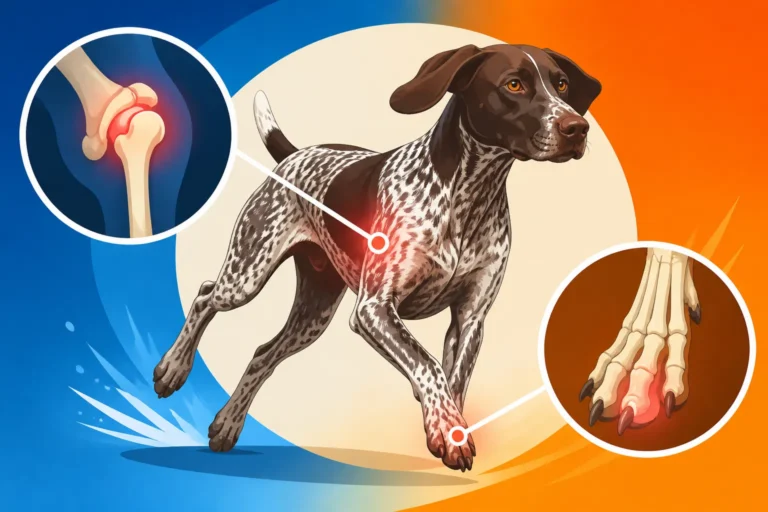
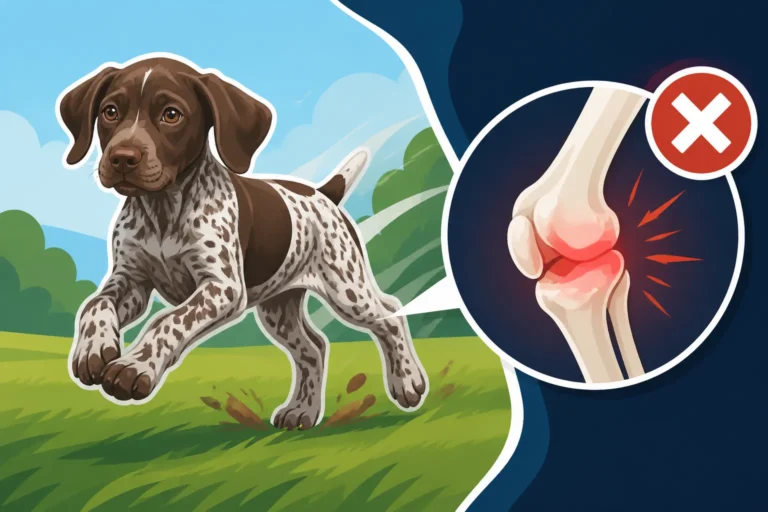
The primary culprit behind stiffness in older German Shorthaired Pointers is almost always osteoarthritis, often referred to as degenerative joint disease. This isn't just a simple ache; it's a progressive condition where the cartilage cushioning the joints gradually erodes. When this protective layer thins or disappears, bone rubs against bone, leading to pain, inflammation, and reduced range of motion. Think of it like a car's shock absorbers wearing out – the ride gets rougher, and every bump is felt more acutely. This can affect any joint, but you'll often see it in the hips, elbows, knees, and spine, especially for a dog that has spent years pounding the ground in pursuit of game. Many GSPs, unfortunately, are predisposed to conditions like Hip Dysplasia in a Hard Running German Shorthaired Pointer or elbow dysplasia from a young age, and these issues often accelerate the onset of arthritis.
Beyond just general arthritis, other age-related conditions can contribute significantly to stiffness. For instance, nerve compression issues in the spine, such as degenerative myelopathy or intervertebral disc disease (IVDD), can cause hind leg weakness, ataxia (wobbling), and difficulty coordinating movements, making it excruciating for them to get up. Muscle atrophy, a natural consequence of aging and reduced activity, also plays a huge role. Less muscle mass means less support for already compromised joints, creating a vicious cycle where pain leads to less movement, which leads to more muscle loss, and then even more stiffness. Sometimes, even seemingly unrelated issues like thyroid problems, which can impact metabolism and muscle strength, might contribute to a general reluctance to move. It’s a complex puzzle, and figuring out all the pieces is key to helping them.
Recognizing the Early Signs of Discomfort
It’s easy to miss the subtle cues our stoic German Shorthaired Pointers give us, especially when they're so eager to please. They're often masters at hiding pain, pushing through discomfort to join us for a walk or retrieve a bumper. However, if you observe closely, you'll start to notice changes. One of the earliest signs is a reluctance to perform actions they once loved, such as jumping into the truck, climbing stairs, or even just hopping onto the couch. You might see them hesitate at the bottom of the stairs, or try a few times before giving up. They might also appear stiff after resting, especially first thing in the morning or after a long nap. This "morning stiffness" is a hallmark of arthritis.
Other indicators include changes in gait – maybe they're taking shorter strides, bunny-hopping with their hind legs, or their back seems a bit hunched. You might notice a slight lameness that shifts from one leg to another, or a general reduction in their overall enthusiasm for exercise. Pet owners might also report their GSP whimpering when touched in certain areas, becoming less tolerant of grooming, or even just having a harder time adjusting their position when lying down, sighing heavily as they try to get comfortable. Sometimes, they might just seem "off" – less playful, more withdrawn, or sleeping more than usual. These are all critical signals that your dog is in pain and needs your attention. Paying close attention to these subtle shifts can help you intervene early, which is crucial for their long-term comfort and mobility.
Practical Strategies for Home Support
Once you’ve identified that your beloved GSP is struggling with stiffness, there's a lot you can do right at home to make their daily life more comfortable. These aren't just minor adjustments; they can profoundly impact their quality of life and help them maintain a sense of dignity as they age.
Creating a Comfortable Environment
One of the most immediate and impactful things you can do is to optimize their living space. Start with their bed. Those cheap, thin beds simply won't cut it anymore for aging joints. Invest in an orthopedic dog bed, preferably one with memory foam or dense, supportive foam that cradles their body and relieves pressure points. Brands like Big Barker or K&H Pet Products offer excellent options specifically designed for larger, heavier breeds that need superior support. Place these beds in quiet, draft-free areas where they feel secure and can easily get in and out without navigating obstacles. If your GSP sleeps in your room, consider getting a lower bed or using a ramp so they don't have to jump.
Additionally, make sure your home's flooring isn't contributing to their struggles. Slippery hardwood, tile, or laminate floors can be incredibly challenging for a stiff dog trying to gain traction. Imagine trying to walk on ice when your joints are screaming – that's what it feels like for them. Lay down rugs, carpet runners, or yoga mats in high-traffic areas, especially where they eat, drink, or where they typically get up from resting. Non-slip socks or paw pads can also be a game-changer for traction. If your dog still tries to jump on furniture, consider dog ramps or steps to help them access their favorite spots without straining their joints. Minimizing jumping and unnecessary movements is paramount. Every little bit of friction and support you can add to their environment helps immensely in preventing slips and falls that could worsen their condition.
Managing Movement and Exercise
While it might seem counterintuitive to exercise a dog that's stiff, controlled, gentle movement is absolutely vital. The key here is appropriate exercise, not the high-impact, long-distance runs they once enjoyed. Regular, short, low-impact walks on soft surfaces like grass are ideal. Think 15-20 minutes, two or three times a day, rather than one long trek. These walks help maintain muscle mass, keep joints lubricated, and prevent further stiffness. Avoid slippery surfaces, steep inclines, or activities that involve sudden stops, starts, or jumps. When you're out, always carry water and offer it frequently, as proper hydration supports overall joint health. You might find that The Age a German Shorthaired Pointer Slows in the Field is quite variable, but consistent, gentle exercise is always beneficial.
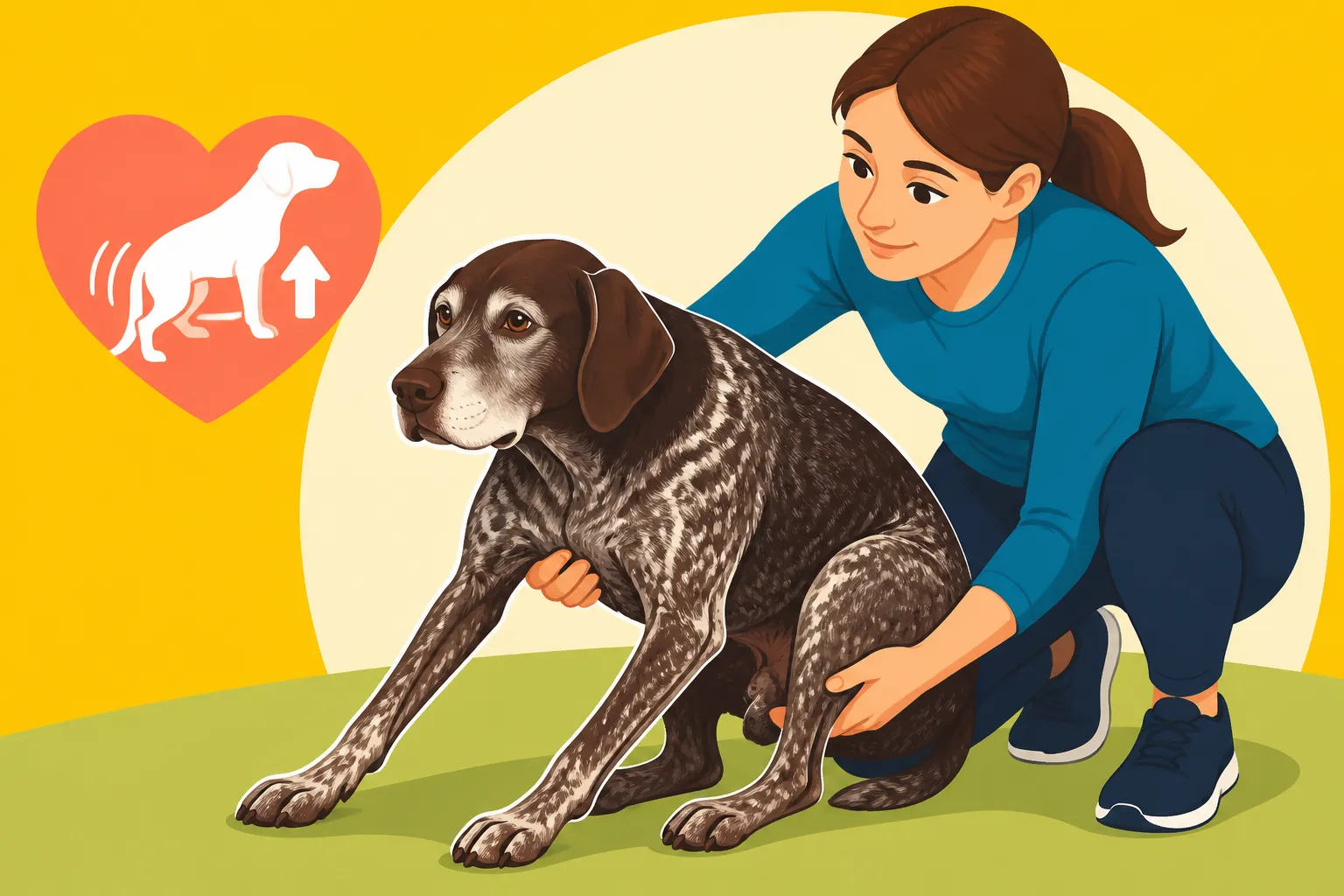
Warm water therapy or swimming can also be incredibly beneficial because it provides buoyancy that reduces stress on their joints while still allowing for a full range of motion. Many veterinary rehabilitation centers offer hydrotherapy pools with trained therapists. Even gentle, supervised swimming in a calm lake or pool (if your GSP enjoys it and the water isn't too cold) can do wonders for their muscles and joints. Consider using a dog lift harness or a belly sling to help them get up and navigate stairs, especially on days when they are particularly stiff. These tools provide much-needed support, preventing them from falling or putting excessive strain on their legs and back. The goal is to keep them moving, but to do so safely and without exacerbating their pain.
Nutritional Support and Supplements
What you feed your senior GSP plays a significant role in their joint health and overall well-being. Look for high-quality senior dog foods that are formulated with lower calorie counts to prevent weight gain, as excess weight puts enormous strain on already compromised joints. However, ensure the food still provides adequate protein to maintain muscle mass. Some senior formulations also include natural joint-supporting ingredients like glucosamine and chondroitin, or omega-3 fatty acids.
Beyond diet, joint supplements are often highly recommended by veterinarians. Glucosamine and chondroitin sulfate are foundational, helping to support cartilage health and reduce inflammation. Omega-3 fatty acids, particularly EPA and DHA found in fish oil, are powerful natural anti-inflammatories that can significantly reduce joint pain and improve mobility. Other beneficial supplements might include MSM (methylsulfonylmethane) for pain relief and inflammation, turmeric for its antioxidant and anti-inflammatory properties, and even green-lipped mussel extract. Always discuss any supplements with your veterinarian before introducing them, as they can guide you on appropriate dosages and ensure they don't interact with any existing medications. Proper nutrition and targeted supplementation can work wonders in conjunction with other management strategies to keep your GSP as comfortable as possible.
When to Seek Veterinary Intervention
While home care is essential, there will undoubtedly come a time when your GSP needs professional veterinary care to manage their stiffness and pain. Knowing when to reach out to your vet is crucial for providing the best possible quality of life for your aging companion. Don't wait until they are in extreme distress.
Diagnostic Approaches for Joint Pain
When you bring your stiff GSP to the veterinarian, they'll typically start with a thorough physical examination. They’ll carefully palpate joints, check range of motion, and observe your dog's gait. This hands-on assessment is invaluable. Beyond that, diagnostic imaging is often necessary to pinpoint the exact source and severity of the problem. X-rays are commonly used to visualize the bones and joints, showing signs of arthritis, bone spurs, and structural changes. While X-rays won't show soft tissue damage directly, they provide a great overview of the skeletal system. Your vet might suggest specific views to evaluate issues like Elbow Scores on a German Shorthaired Pointer or hip joint integrity.
In some cases, especially if nerve compression or more subtle soft tissue injuries are suspected, your vet might recommend advanced imaging techniques such as an MRI or CT scan. These provide much more detailed images of spinal cords, ligaments, tendons, and cartilage. Blood tests are also standard, not necessarily to diagnose joint issues directly, but to rule out other underlying health problems that could contribute to lethargy or muscle weakness, such as thyroid disease or kidney issues, and to ensure your dog is healthy enough for certain medications. A comprehensive diagnostic workup ensures that you and your vet are tackling the right problem with the most effective solutions, providing real relief for your dog.
Medical and Therapeutic Treatments
Once a diagnosis is made, your veterinarian can recommend a tailored treatment plan. Often, this involves a combination of medical and therapeutic approaches. Non-steroidal anti-inflammatory drugs (NSAIDs) are a cornerstone of pain management for arthritis in dogs. Medications like carprofen (Rimadyl), firocoxib (Previcox), or meloxicam (Metacam) can significantly reduce pain and inflammation, helping your GSP move more freely. However, NSAIDs require careful monitoring due to potential side effects on the liver and kidneys, so regular blood work is essential. Your vet might also consider other pain medications like gabapentin or tramadol, especially for neuropathic pain or when NSAIDs aren't enough.
Beyond oral medications, many vets are now incorporating disease-modifying osteoarthritis drugs (DMOADs) like Adequan (polysulfated glycosaminoglycan injections), which aim to slow the progression of arthritis and improve joint fluid quality. For more localized pain, corticosteroid injections directly into a joint can offer temporary relief. Physical rehabilitation and therapy are also incredibly powerful tools. This can include exercises designed to strengthen specific muscle groups, therapeutic ultrasound, laser therapy to reduce inflammation, massage, and even acupuncture. These modalities, often offered by certified canine rehabilitation specialists, can complement medical treatments and lead to significant improvements in mobility and comfort. Remember, finding the right balance of treatments often requires patience and collaboration with your vet. Some pet owners find that having pet insurance, such as from a provider like Healthy Paws, helps immensely with covering the costs of these various treatments, from diagnostics to long-term medication and therapy.
Maintaining Quality of Life for Your Aging Companion
Watching your once-athletic GSP slow down is tough, but it's important to remember that age doesn't have to mean the end of a happy, fulfilling life. Our role shifts from demanding peak performance to nurturing their comfort and well-being, focusing on the joy they still find in their days.
Balancing Activity with Rest
Finding the right balance between staying active and allowing for adequate rest is paramount for an aging German Shorthaired Pointer. While you want to encourage movement to prevent muscle atrophy and stiffness, overdoing it can lead to increased pain and setbacks. Think of it as a carefully calibrated dance. Short, frequent walks are much better than one long, strenuous outing that leaves them sore for days. Observe your dog closely during and after activity. Are they lagging behind? Are they limping more later? If so, you've likely pushed them too hard, and the next day calls for a lighter schedule. It’s a process of trial and error to figure out what their body can comfortably handle each day. Sometimes, an internal link like Knowing When an Old Shorthair Has Had Enough can provide even deeper insight into these daily decisions.
Ample opportunities for quality rest are equally important. This means providing those orthopedic beds mentioned earlier, ensuring a quiet, calm space where they won't be disturbed, and recognizing that they may need more sleep than they did in their younger years. Don't force them to play or engage if they're clearly opting for a nap. Mental stimulation, though, remains vital. Even if physical activity is limited, engage their keen GSP minds with puzzle toys, gentle scent games in the house, or short, positive training sessions. A happy mind can sometimes make up for a tired body. This balance ensures they remain engaged with the world around them without overtaxing their physical limits.
The Emotional Toll on Owners and Dogs
It's natural to feel a deep sense of sadness, frustration, or even guilt when your once-vibrant GSP starts to decline. You might grieve for the dog they once were, or worry constantly about their pain. These feelings are valid and normal. Acknowledging your own emotions is part of the process of caring for an aging pet. It’s also crucial to remember that our dogs are incredibly perceptive; they pick up on our stress and sadness. Maintaining a calm, reassuring, and positive demeanor around them can make a huge difference in their emotional well-being. Continue to engage with them, offer gentle affection, and maintain a consistent routine, which provides comfort and security.
On the other hand, the dog themselves is also experiencing an emotional toll. They might feel frustrated by their physical limitations, confused by their inability to do things they once loved, or even anxious about navigating spaces that are now challenging. Some dogs might become more clingy, seeking comfort, while others might become a bit withdrawn or irritable if they're in pain. Be patient and understanding with any behavioral changes. Your job is to be their advocate and their rock. Celebrate their good days, adapt to their limitations without making them feel inadequate, and cherish every moment. Ensuring their comfort through veterinary care, home modifications, and continued love and companionship helps them feel valued and secure, no matter their age. For many owners, the support of pet insurance like Healthy Paws can ease the financial burden of extensive senior care, allowing them to focus on the emotional needs without added stress.
Here’s a quick overview of key interventions:
| Intervention Category | Examples | Benefits | Considerations |
|---|---|---|---|
| Environmental Changes | Orthopedic beds, non-slip rugs, ramps | Reduces joint pressure, prevents slips, aids mobility | Requires investment, may need ongoing adjustment |
| Controlled Exercise | Short walks, swimming, hydrotherapy | Maintains muscle, lubricates joints, improves mood | Must be low-impact, monitored for discomfort, consistent effort needed |
| Diet & Supplements | Senior formulas, glucosamine, omega-3 | Supports joint health, reduces inflammation, manages weight | Consult vet for dosages, results take time, some dogs may have sensitivities |
| Veterinary Care | NSAIDs, DMOADs, physical therapy, acupuncture | Direct pain relief, slows disease progression, targeted rehabilitation | Requires vet supervision, potential side effects, can be costly (insurance helps) |
| Emotional Support | Positive interaction, consistent routine | Reduces anxiety, strengthens bond, improves overall well-being | Owner self-care is important, patience with behavioral changes is key |
Disclaimer
The information provided in this article is for general informational purposes only and is not a substitute for professional veterinary advice. Always consult with a qualified veterinarian regarding any medical concerns or before making any decisions about your German Shorthaired Pointer's health or treatment plan.