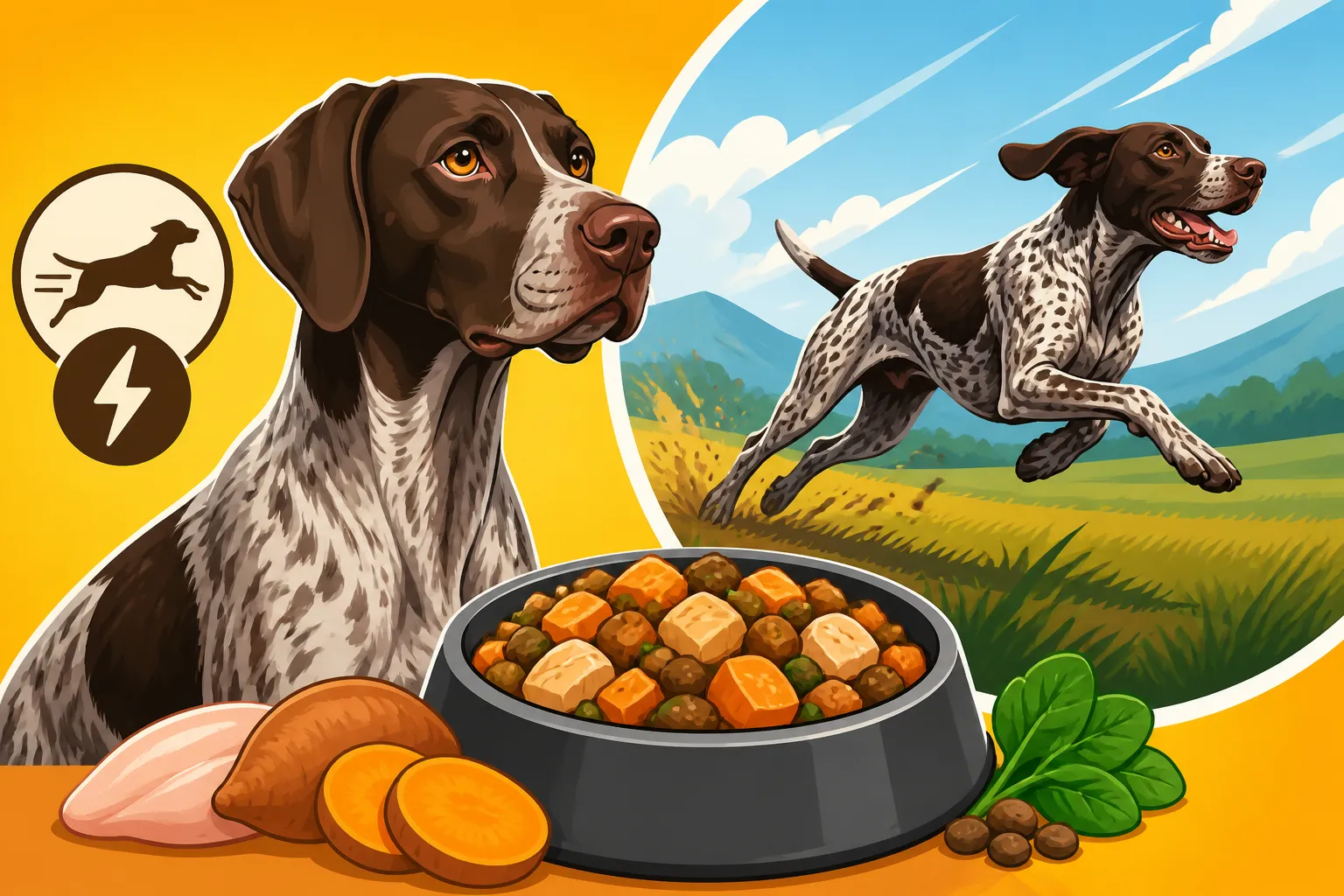
Feeding a German Shorthaired Pointer That Runs All Day
If you're living with a German Shorthaired Pointer, you know that "running all day" isn't just a figure of speech; it's their daily mantra. These dogs are finely tuned athletes, and their incredible energy, stamina, and drive mean they burn through calories at an astonishing rate. If you've ever watched your lean, hard-working GSP start to look a bit "drawn" or lose steam on a long day in the field, you've likely realized that standard dog food simply won't cut it. This guide is dedicated to helping you master the art of fueling your high-octane companion, ensuring they have the sustained energy, robust health, and quick recovery needed to excel, season after season.
Understanding the Fuel Needs of a High-Drive GSP
Bringing a German Shorthaired Pointer into your life means committing to an extraordinary level of activity. These dogs aren't built for a leisurely stroll around the block; they're bred to cover vast amounts of ground, point with intensity, and retrieve with unflagging enthusiasm. Their daily caloric demands are in a league of their own, and understanding this fundamental difference is the first step toward optimizing their diet.
The Energetic Demands of a Working Dog
Imagine a typical day for a hunting GSP: miles upon miles of running through varied terrain—fields, woods, marshes—often at a fast pace, punctuated by sudden stops to point and bursts of speed for retrieves. This isn't just physical exertion; it's mentally taxing as well, requiring immense focus and concentration. All this activity demands a constant, high-quality energy supply. Unlike a couch potato or even a moderately active pet, a working GSP can easily burn thousands of calories in a single outing. Their metabolism is incredibly efficient, designed for sustained effort, but that efficiency also means they deplete their reserves rapidly if not properly fueled. It's a frustrating experience to see your typically vibrant dog start dragging their feet, or worse, "bonk" completely in the middle of a session, simply because their fuel tank is empty.
Macronutrients for Sustained Energy
To meet these exceptional energy needs, a GSP's diet must be rich in specific macronutrients: protein, fat, and carbohydrates, each playing a critical role.
- Protein is the building block for muscle repair and growth. For a dog that's constantly using its muscles, an adequate supply of high-quality protein (typically 28-35% of the diet) is non-negotiable. It helps maintain lean muscle mass and supports recovery after strenuous exercise. Without sufficient protein, your GSP's muscles won't recover properly, leading to fatigue and potential injury.
- Fat is the primary, most concentrated energy source for endurance athletes like GSPs. It provides more than double the calories per gram compared to protein or carbohydrates, making it ideal for sustained energy without adding excessive bulk to meals. A diet with a fat content of 18-25% is often recommended for active GSPs. This ensures they have a slow-burning, long-lasting fuel source that powers them through hours of work.
- Carbohydrates offer quick energy bursts and help replenish glycogen stores in muscles and the liver. While fat provides the bulk of sustained energy, complex carbohydrates provide readily available fuel, especially important for those explosive points and retrieves. A balanced diet will include moderate levels of digestible carbohydrates, providing the quick-access energy without causing a sugar crash.
Why a Standard Dog Food Just Won't Cut It
Many commercial dog foods are formulated for the "average" dog, which typically means a less active companion with moderate energy needs. These formulas often have lower protein and fat percentages and might contain more fillers, which aren't ideal for a working GSP. Feeding such a diet to an active GSP is akin to putting regular unleaded in a high-performance sports car—it just won't run efficiently, if at all. You'll often find your GSP losing weight, struggling to maintain condition, or lacking the sustained drive they're known for. This isn't a reflection of your dog's genetics or training; it's simply a matter of inadequate fuel. The difference between a general maintenance diet and a high-performance formula is stark, particularly when it comes to caloric density and nutrient ratios that support intense, prolonged activity. You need a diet specifically designed to provide the concentrated energy and muscle support that a German Shorthaired Pointer demands every single day.
Choosing the Right Performance Diet
The market is flooded with dog food options, and it can feel overwhelming trying to decipher labels and choose what's truly best for your active GSP. However, understanding a few key principles and considering various diet types will help you make an informed decision that supports your dog's health and performance.
Decoding Dog Food Labels: Protein and Fat Percentages
When you're searching for a suitable diet for your highly active German Shorthaired Pointer, the guaranteed analysis on the dog food label is your best friend. Look for formulas with a higher protein and fat content, typically in the range of 28-35% protein and 18-25% fat. This higher density ensures your GSP gets enough calories and essential nutrients without having to eat an unmanageable volume of food. Beyond the percentages, always examine the ingredient list. The first few ingredients should ideally be named meat sources (e.g., "chicken meal," "beef," "lamb") rather than generic "meat by-products" or excessive grains as primary components. High-quality protein sources are crucial for muscle maintenance and repair. Some popular performance kibbles, like Purina Pro Plan Sport, are specifically formulated with these ratios in mind and are a go-to for many working dog owners because they deliver consistent, high-energy nutrition.
Kibble, Raw, or Fresh-Cooked: Pros and Cons for Active Dogs
Each feeding style comes with its own set of advantages and challenges for an active German Shorthaired Pointer:
- Kibble: This is the most popular choice for its convenience, cost-effectiveness, and consistent nutrient profile. High-quality performance kibbles are readily available and scientifically formulated to meet the demands of active dogs. They're easy to store, transport, and portion, which is a huge benefit when you're on the go for training or hunting trips. However, not all kibbles are created equal, so careful label reading is essential. Brands like Eukanuba Premium Performance also offer excellent kibble options for working dogs.
- Raw Diets: Proponents of raw feeding often highlight perceived benefits like improved coat condition, cleaner teeth, and better digestion due to the unprocessed nature of the food. For active dogs, the high moisture content can be a plus, and some owners report better muscle mass. However, raw diets require meticulous handling to prevent bacterial contamination, accurate balancing of nutrients (which can be challenging without expert guidance), and are generally more expensive and time-consuming to prepare. They also come with a higher risk of nutritional deficiencies if not carefully formulated, which can impact a working dog's health and performance over time.
- Fresh-Cooked Diets: Services like Ollie deliver human-grade, fresh-cooked meals directly to your door. These diets offer excellent palatability and controlled, high-quality ingredients, which can be beneficial for dogs with sensitivities or picky eaters. They offer a middle ground between raw and kibble in terms of processing. The downsides include higher cost, the need for refrigeration, and potentially more packaging waste. They can be a great option for owners who want the benefits of fresh food but lack the time or expertise for raw preparation, though careful consideration must be given to how these diets integrate with travel and field activities.
Ultimately, the "best" diet is the one that your GSP thrives on, is nutritionally complete, and fits your lifestyle and budget. Many owners even choose a hybrid approach, using high-quality kibble as a base and supplementing with fresh ingredients or specific toppers.
Considering Dietary Sensitivities and Allergies
Even the toughest GSP can have dietary sensitivities. Some German Shorthaired Pointers may develop allergies to common ingredients like chicken, beef, or grains, manifesting as itchy skin, ear infections, or gastrointestinal upset (vomiting, diarrhea, excessive gas). It’s incredibly frustrating when you're trying to keep your dog in peak condition, only to find they're constantly scratching or experiencing digestive woes. If you suspect a food sensitivity, working with your veterinarian is crucial. They might recommend an elimination diet or a novel protein diet (e.g., duck, venison, fish) to identify the culprit. Limited ingredient diets (LIDs), available through various brands including those found on Chewy, can also be a good starting point, as they minimize the number of potential allergens. Switching to a formula with a different primary protein source or a grain-free option might bring significant relief, allowing your GSP to absorb nutrients more effectively and focus on what they do best: running and hunting.
Feeding Schedules and Strategies for Active Days
The "when" and "how" you feed your German Shorthaired Pointer are just as vital as the "what." Proper timing can optimize performance, aid recovery, and significantly reduce the risk of serious health issues like bloat.
Timing Meals for Optimal Performance and Bloat Prevention
For an active GSP, meal timing is not just about convenience; it's a critical health and performance strategy. German Shorthaired Pointers are among the breeds susceptible to The Bloat Risk a Shorthair Carries Into Every Season, a life-threatening condition where the stomach fills with gas and can twist. To minimize this risk, and to ensure optimal digestion for peak performance, avoid feeding your GSP immediately before or after strenuous activity. A good rule of thumb is to feed at least two to three hours before any intense exercise and wait at least one to two hours after a session to offer a full meal. This allows the stomach to largely empty before exercise and gives their digestive system time to settle down post-exertion. Splitting their daily ration into two or even three smaller meals instead of one large one can also reduce the volume in their stomach at any given time, further mitigating bloat risk.
Mid-Day Fueling and Trail Snacks
When your GSP is literally running all day, relying solely on morning and evening meals often isn't enough. Mid-day fueling becomes essential to prevent energy crashes and maintain stamina. These aren't full meals, but rather easily digestible, high-energy snacks that provide a quick boost without upsetting their stomach. Think small portions of their regular performance kibble, dehydrated meat treats, or specially formulated high-calorie dog bars. The key is small, frequent offerings during breaks, allowing them to replenish some calories without feeling full or sluggish. Carrying these snacks in a handy pouch or vest pocket means you're always ready to offer a little pick-me-up when you notice their energy starting to wane, keeping them sharp and focused.
Refeeding and Recovery After a Hard Day
After a grueling day in the field, your GSP's body is focused on recovery. Their muscles need repair, and their energy stores, particularly glycogen, need replenishing. The post-hunt meal is crucial for this process. Remember to wait at least an hour or two after they've cooled down and settled before offering their main meal. This allows their heart rate to normalize, their body temperature to regulate, and their digestive system to prepare for processing food efficiently. This evening meal should be substantial, providing ample protein for muscle repair and fat/carbohydrates to restock energy reserves. Providing The Rest a Shorthair Needs Between Eating and Running is just as important as the food itself; ensure they have a quiet, comfortable space to digest and relax after their meal. Properly timed, nutrient-dense post-activity feeding sets the stage for a quicker recovery and readiness for the next adventure.
Hydration: Often Overlooked, Always Critical
While we meticulously plan our GSP's diet, hydration sometimes takes a back seat. This is a huge mistake, especially for a dog that runs as hard and as often as a German Shorthaired Pointer. Dehydration can quickly turn a successful day afield into a medical emergency.
Why Water Intake is Paramount for Performance
Water is absolutely essential for every physiological function in your GSP's body. For an active dog, adequate hydration is paramount for:
- Temperature Regulation: GSPs, with their short coats, can still overheat rapidly, especially during intense exercise in warm weather. Water helps regulate their body temperature through panting.
- Nutrient Transport: Water acts as the medium for transporting nutrients to cells and removing waste products.
- Joint Lubrication: It helps keep joints moving smoothly, crucial for preventing injuries in a dog that puts so much stress on its musculoskeletal system.
- Organ Function: Proper hydration supports kidney, liver, and heart function, all of which are working overtime during strenuous activity.
Even mild dehydration can lead to a significant drop in performance, affecting stamina, focus, and coordination. Signs of dehydration can include dry gums, lethargy, sunken eyes, and reduced skin elasticity. Don't wait for these signs; proactively manage their water intake.
Strategies for Encouraging Drinking in the Field
It's not enough to just have water; you need to ensure your GSP actually drinks it. Always carry ample fresh water in a portable, collapsible bowl when you're out. Offer water frequently during breaks, even if your dog doesn't seem to want it. Sometimes, just dipping your hand in the water and letting them lick it can encourage them to drink more. For those picky drinkers, a small splash of low-sodium broth or a few drops of an electrolyte solution can make the water more appealing. Remember that GSPs often retrieve in water, but this doesn't count as adequate hydration. In fact, excessive intake of pond or lake water during retrieving can lead to Water Intoxication in a Retrieving German Shorthaired Pointer, a dangerous condition caused by an imbalance of electrolytes. Always offer fresh, clean water yourself to prevent this.
Electrolytes: When and How to Use Them
Just like human athletes, intensely working GSPs lose essential electrolytes (like sodium, potassium, and chloride) through panting and sweating. These minerals are vital for nerve and muscle function, and an imbalance can lead to fatigue, muscle cramps, and even serious health issues. Electrolyte supplements, often available as powders to mix with water, can be beneficial in certain situations:
- Hot Weather: When working in high temperatures, sweat and panting increase electrolyte loss.
- Prolonged Exercise: Multi-hour or multi-day hunts can deplete reserves.
- Post-Illness: If your GSP has experienced vomiting or diarrhea.
However, electrolytes should be used judiciously and correctly. Always follow the manufacturer's instructions for dilution to avoid upsetting your dog's stomach. Over-concentrated electrolyte solutions can actually cause dehydration. It's best to introduce them during training sessions rather than on a critical hunt, ensuring your dog tolerates them well. For most regular training days, plain fresh water is usually sufficient, but having electrolytes on hand for extreme conditions can be a lifesaver.
Supplements for Peak Performance and Joint Health
Beyond a well-balanced diet and ample hydration, strategic supplementation can provide an extra edge for your hard-working German Shorthaired Pointer, addressing specific needs related to their active lifestyle.
Joint Support for Hard-Working Pointers
German Shorthaired Pointers are powerful, agile dogs that put immense strain on their joints. The constant running, jumping, and sudden stops in the field can lead to wear and tear over time, especially with conditions like Hip Dysplasia in a Hard Running German Shorthaired Pointer being a concern in the breed. Proactive joint support can make a significant difference in their longevity and comfort.
- Glucosamine and Chondroitin: These are key components of cartilage, helping to maintain its structure and elasticity. Supplementation can support cartilage health and potentially slow its degradation.
- MSM (Methylsulfonylmethane): Often combined with glucosamine and chondroitin, MSM is believed to help reduce inflammation and pain associated with joint stress.
- Omega-3 Fatty Acids: EPA and DHA, found in fish oil, are powerful anti-inflammatory agents that can help alleviate joint stiffness and improve overall mobility. Many owners find that incorporating a good fish oil supplement can visibly improve their dog's comfort and movement.
Products specifically designed as Joint Supplements for a Hunting German Shorthaired Pointer are widely available, including a vast selection on platforms like Chewy, making it easy to find reputable options. Starting these supplements early, even before signs of joint discomfort appear, can be a proactive step towards supporting your GSP's long-term mobility.
Probiotics and Digestive Health
An active lifestyle, changes in routine, stress from travel or competition, and even the diet itself can sometimes disrupt a GSP's delicate gut microbiome. A healthy gut is crucial for efficient nutrient absorption, immune function, and overall well-being.
- Probiotics introduce beneficial bacteria to the digestive tract, helping to maintain balance and support healthy digestion. This can be particularly helpful for GSPs prone to loose stools, gas, or mild digestive upsets, which can be exacerbated by the stresses of a demanding training or hunting schedule.
- Prebiotics (often included in probiotic supplements or certain dog foods) are fibers that nourish these beneficial bacteria, helping them to thrive.
Ensuring optimal gut health means your GSP can extract maximum nutrition from their food, converting those calories into usable energy and maintaining a robust immune system to fend off illnesses.
Antioxidants and Immune Boosters
Intense physical activity, especially for long durations, generates oxidative stress in the body. This process releases free radicals that can damage cells and tissues.
- Antioxidants like Vitamins E and C, selenium, and certain plant extracts (e.g., rosemary extract) help neutralize these free radicals, protecting cells from damage and supporting recovery.
- Immune Boosters: A strong immune system is vital for any working dog. Stress, fatigue, and exposure to various environments can challenge a GSP's immune defenses. Certain supplements containing ingredients like mushrooms, colostrum, or specific vitamins and minerals can help bolster their immune response, keeping them healthy and resilient.
While a high-quality performance diet should provide a good baseline of these nutrients, targeted supplementation during periods of intense work or stress can offer additional support, ensuring your GSP's body is as resilient as their spirit.
Monitoring Weight and Body Condition Throughout the Season
For a German Shorthaired Pointer that runs all day, "weight management" isn't about avoiding obesity; it's about maintaining a finely tuned athlete's physique. Their body condition is a direct reflection of their health, energy balance, and readiness for the demands of their active life.
The Ideal Body Condition Score for a Working GSP
The ideal body condition for a working GSP is lean, muscular, and hard. You should be able to easily feel their ribs, spine, and hip bones with gentle pressure, but not see them protruding sharply. When viewed from above, they should have a distinct "tuck" at the waist, and from the side, an athletic abdomen that slopes up from the chest. This is often described as a Body Condition Score (BCS) of 4-5 on a 9-point scale. A GSP carrying too much weight will have reduced stamina, increased strain on their joints, and a higher risk of heat exhaustion. Conversely, an underweight GSP (where ribs, spine, and hips are clearly visible) will lack energy reserves, have compromised muscle mass, and be more susceptible to injury and illness. Maintaining The Body Condition a Field Shorthair Should Carry is crucial for their overall health and performance.
Adjusting Rations for Activity Levels and Environmental Factors
A GSP's caloric needs are not static; they fluctuate significantly based on activity levels, environmental conditions, and even individual metabolism. This is where the art of feeding truly comes into play.
- High Activity Days: On days of intense training or hunting, your GSP will burn a massive amount of calories. On these days, their food intake will need to be at the higher end, sometimes requiring extra meals or increased portion sizes. Understanding the Calorie Needs of a German Shorthaired Pointer in Season is fundamental.
- Low Activity Days (Off-Season or Rest Days): During the off-season or on rest days, their caloric needs will drop considerably. Continuing to feed them a high-performance diet at full portions will quickly lead to unwanted weight gain. You'll need to gradually reduce their food intake or switch to a less calorically dense diet to prevent them from becoming overweight.
- Environmental Factors: Cold weather demands more calories for warmth, while hot weather can sometimes suppress appetite (though energy expenditure might still be high). Pay close attention to how your GSP's body condition changes week-to-week, especially if they are among How Much Weight a Shorthair Loses Over a Season. This is a constant balancing act that requires vigilance.
Recognizing Signs of Under- or Over-Feeding
Regularly assessing your GSP's body condition is essential. A quick, hands-on check once a week can tell you a lot more than just looking.
- Under-feeding: Signs include a noticeable drop in energy, loss of muscle mass (their hindquarters might look less defined), prominent bones (ribs, hips, spine easily visible), a dull coat, and sometimes a reduced desire to work. If you notice these signs, gradually increase their food intake, focusing on high-quality fat and protein sources.
- Over-feeding: This is usually more subtle for a GSP, often showing up as a loss of the clear waist tuck, a softer feel over the ribs (you have to press harder to feel them), and sometimes reduced stamina or enthusiasm for exercise. While rare in truly hard-working GSPs, it can happen during the off-season if their diet isn't adjusted. Address it by slightly reducing portions or increasing their physical activity.
A healthy GSP is a lean GSP. By consistently monitoring their body condition and adjusting their food intake, you'll ensure they remain a finely tuned athlete, ready for whatever adventures come their way.
Common Feeding Mistakes to Avoid
Even with the best intentions, it's easy to fall into common feeding traps that can undermine your GSP's health and performance. Being aware of these pitfalls can save you a lot of headache and potentially prevent health issues down the line.
Switching Foods Too Quickly
You've found a great new performance food, or perhaps your GSP is showing signs of a sensitivity to their current diet. The temptation to switch immediately can be strong, but a sudden change in diet is one of the quickest ways to cause gastrointestinal upset. Your GSP's digestive system needs time to adjust to new ingredients, different protein sources, and varying fat levels. Introducing a new food too abruptly can lead to diarrhea, vomiting, or gas, which is not only unpleasant for everyone involved but can also hinder nutrient absorption and dehydrate your already active dog. Always transition your GSP to a new food gradually, typically over a period of 7 to 10 days. Start by mixing a small amount of the new food (about 25%) with 75% of the old food. Over the next week, slowly increase the proportion of the new food while decreasing the old, until they are fully on the new diet. This slow introduction allows their digestive enzymes and gut bacteria to adapt smoothly.
Ignoring Individual Needs and Breed-Specific Concerns
While general guidelines for feeding active GSPs are helpful, it's crucial to remember that every dog is an individual. What works perfectly for one GSP might not be ideal for another, even if they're littermates. Factors like metabolism, activity level, age, health status (e.g., existing allergies, sensitivities), and even stress levels can influence their nutritional requirements. This is where breed-specific concerns, like the aforementioned risk of bloat, become even more pronounced. Never hesitate to consult your veterinarian or a board-certified canine nutritionist if you have concerns about your GSP's diet or if they aren't thriving. They can provide tailored advice, recommend specific dietary adjustments, or help diagnose underlying issues. Relying solely on anecdotal advice from other owners, while well-meaning, might not be the right approach for your unique dog. A personalized approach, possibly even a specialized plan from services like Ollie, ensures all their individual needs are met.
Inconsistent Feeding Routines
Dogs, especially high-energy breeds like German Shorthaired Pointers, thrive on routine and predictability. An inconsistent feeding schedule can do more than just make them anxious; it can also disrupt their digestive system. Feeding them at different times each day, or skipping meals sporadically, can confuse their body's natural rhythm, potentially leading to digestive upset or even contributing to the risk of bloat if they're then given a large meal after a long gap. Aim for a consistent feeding schedule, offering meals at roughly the same times each day. This helps regulate their metabolism, prepares their digestive system for incoming food, and provides a sense of security and stability. Even when traveling or during busy periods, try your best to maintain their feeding routine. This consistency, coupled with the right performance diet, will go a long way in ensuring your GSP remains healthy, happy, and ready to take on any challenge.
Transitioning Between High-Activity and Off-Season Diets
The calendar doesn't just mark the changing seasons; for a German Shorthaired Pointer owner, it marks significant shifts in their dog's activity levels. Failing to adjust their diet accordingly can lead to either weight gain or a loss of condition, neither of which is ideal.
Gradually Reducing Calories in the Off-Season
Once the hunting or intense training season winds down, your GSP's energy expenditure will naturally decrease. Continuing to feed them the same high-calorie performance diet at the same volume will inevitably lead to weight gain. An overweight GSP isn't just less agile; it puts unnecessary strain on their joints, exacerbates conditions like Arthritis in a German Shorthaired Pointer at Eight, and generally reduces their overall health and lifespan. To prevent this, you'll need to gradually reduce their caloric intake. This might mean decreasing portion sizes of their current performance food or transitioning to a maintenance diet with lower protein and fat percentages. Do this slowly, over several weeks, to avoid shocking their system and prevent them from feeling excessively hungry. Monitoring their body condition score regularly during this period, keeping a close eye on The Body Condition a Field Shorthair Should Carry, will guide your adjustments.
Maintaining Muscle Mass During Downtime
While reducing calories is important during the off-season, you still want to ensure your GSP maintains good muscle mass. Muscle is crucial for athletic performance and metabolic health, and losing too much during downtime can make it harder to condition them for the next season. Therefore, even if you switch to a maintenance diet, ensure it still contains a good quality protein source. You might also consider continuing some form of daily activity, even if less intense, to help preserve muscle tone. Short, brisk walks, swimming sessions, or mentally stimulating games can keep them engaged and prevent significant muscle atrophy without overworking them. Finding a balance is key: enough activity and protein to maintain muscle, but reduced calories to prevent fat gain.
Preparing for the Next Season: Building Up Endurance and Nutrition
As the next season approaches, whether it's hunting, trials, or intense training, you'll need to reverse the process and gradually ramp up both their physical conditioning and their nutritional intake. Just as you wouldn't suddenly take your GSP from zero to a full day afield, you shouldn't abruptly switch their diet back to peak performance levels. Begin increasing their exercise intensity and duration gradually. In parallel, start transitioning them back to their performance diet, or increasing the portion sizes of their current food, weeks before opening day. This allows their body to adapt, build up glycogen stores, and prepare their digestive system for the higher caloric demands. This phase is critical for Conditioning a Shorthair Before Opening Day, ensuring they are in prime physical and nutritional condition to hit the ground running, full of the boundless energy and drive that makes a German Shorthaired Pointer truly shine. For budgeting purposes, be mindful of What Performance Kibble Costs for a Shorthair as you transition.
Feeding for Longevity and Health Beyond the Field
While immediate performance is often the focus for a working GSP, the ultimate goal is a long, healthy, and happy life. Nutrition plays a paramount role in supporting their overall well-being, both in their active years and as they gracefully age.
Proactive Nutrition for a Lifetime of Activity
Thinking beyond just "fuel for the hunt" means considering how diet impacts long-term health. Choosing a high-quality food from the start, one that provides balanced nutrition, appropriate protein and fat levels, and essential vitamins and minerals, lays a strong foundation. This proactive approach can help mitigate some of the common health challenges GSPs might face. For instance, diets rich in antioxidants can support cellular health and potentially reduce the risk of certain diseases as they age. Similarly, maintaining a healthy weight throughout their life, by adjusting rations as activity changes, is one of the single most impactful things you can do to prevent joint problems, diabetes, and other age-related ailments. Considering their activity, owners often wonder Whether a Shorthair Needs More Fat When Hunting, and the answer is typically yes, but this should be adjusted off-season.
The Role of Regular Vet Checks and Dietary Adjustments
No matter how carefully you plan their diet, regular veterinary check-ups are indispensable. Your vet is your best partner in monitoring your GSP's overall health, identifying any emerging nutritional needs, or diagnosing issues that might impact their ability to absorb nutrients. During these visits, especially as they get older, bloodwork can reveal vital information about organ function, which might necessitate dietary changes. For instance, if kidney function starts to decline, a vet might recommend a diet with controlled protein and phosphorus levels. These check-ups also provide an opportunity to discuss supplements, dental health, and any changes in appetite or energy levels. Keeping up with The Vet Schedule a Working Shorthair Should Keep ensures you have professional guidance to adapt their diet and care as their needs evolve through every stage of life.
Supporting Senior German Shorthaired Pointers
As your GSP reaches their senior years, their nutritional needs will once again change. Their metabolism typically slows, activity levels decrease, and they may experience joint stiffness or other age-related conditions. An older GSP might benefit from a senior-specific diet that is lower in calories to prevent weight gain, but still rich in high-quality protein to maintain muscle mass. Joint supplements become even more critical during this stage. They might also need diets that are easier to digest or softer if dental issues arise. It's a bittersweet transition as they slow down, but with thoughtful nutritional care, you can help them remain comfortable, active, and engaged for as long as possible. The goal is to support their quality of life, ensuring their golden years are as enjoyable and healthy as their active prime.
| Diet Type | Convenience | Cost Range (Monthly) | Nutrient Control & Quality | Bloat Risk Consideration | Notes |
|---|---|---|---|---|---|
| High-Quality Kibble | High (easy storage, travel) | $40 – $100+ | Consistent, formulated for performance | Lower if portioned & timed | Widely available, excellent for consistency & travel. |
| Fresh-Cooked (e.g., Ollie) | Medium (delivery, refrigeration) | $80 – $200+ | High (human-grade ingredients) | Lower if portioned & timed | High palatability, good for sensitivities, expensive. |
| Raw Diet (DIY) | Low (prep, storage, safety) | $70 – $150+ | High (if balanced correctly) | Lower if portioned & timed | Requires expertise for balancing, high safety precautions. |
| Raw Diet (Commercial) | Medium (pre-portioned, frozen) | $100 – $250+ | Good (if reputable brand) | Lower if portioned & timed | Easier than DIY, still requires careful handling. |
(Note: Cost ranges are approximate and can vary significantly based on brand, region, dog size, and specific dietary needs.)
Disclaimer
The information provided in this article is for general informational purposes only and is not a substitute for professional veterinary advice. Always consult with a qualified veterinarian or certified canine nutritionist regarding your German Shorthaired Pointer's specific health concerns, dietary needs, or before making any significant changes to their diet or exercise regimen. Individual dogs may have unique requirements based on age, activity level, health conditions, and other factors.