What a Vet Charges to Close a Shorthair’s Field Cut
It’s a scenario no German Shorthaired Pointer owner ever wants to face, but one that’s all too common: your tireless companion, a blur of liver and white, comes trotting back from the thick cover or the stubble field, and you see it – a gash, perhaps on a leg, chest, or flank, oozing blood and suddenly making your heart pound. The immediate thought, after "Is my dog okay?", is often, "How much is this going to cost at the vet?" This guide aims to shed light on the financial aspects of getting your Shorthair’s field cuts closed, helping you understand the variables that influence the bill and how you might prepare for them.
The Immediate Aftermath and Initial Vet Assessment
When your German Shorthaired Pointer sustains a field cut, the first step is always to assess the situation as calmly as possible, provide immediate first aid if you can, and then get to a veterinarian. That initial visit sets the stage for everything that follows, both medically and financially. The severity, location, and contamination of the wound are all crucial factors the vet will evaluate.
Initial Examination and Stabilization Costs
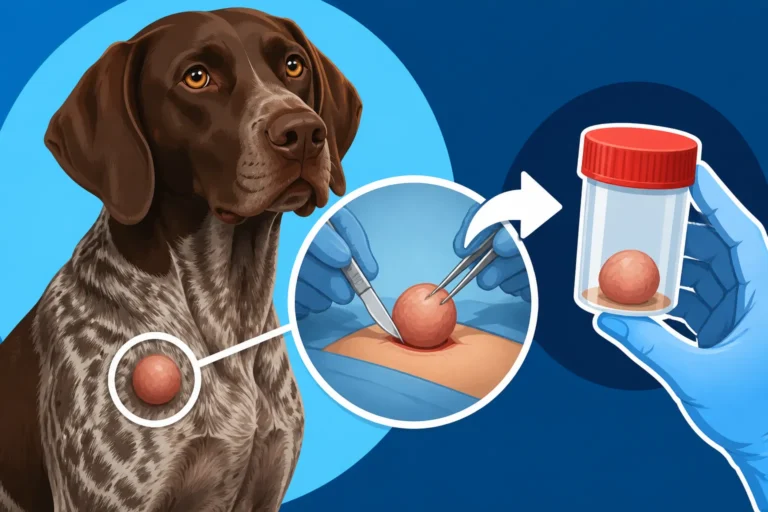
Once you arrive at the clinic, whether it’s your regular general practice vet or an emergency clinic on a weekend, the initial examination is where costs begin. The vet will need to thoroughly inspect the wound, which often requires clipping away hair around the area, cleaning it, and sometimes even a bit of local anesthetic just to get a good look without causing further distress to your already injured dog. They're looking for the depth of the wound, how long it is, if any vital structures (like tendons, nerves, or joints) are involved, and if there's any foreign material deeply embedded. This initial assessment and stabilization can include things like a basic examination fee, wound cleaning supplies, and potentially a mild sedative if your Shorthair is too painful or agitated to cooperate.
Think about your GSP's boundless energy and high pain tolerance. They might still be trying to jump and wag their tail even with a significant cut, making a thorough examination tricky. This isn't just about their comfort; it's about getting an accurate diagnosis. Sometimes, a seemingly superficial cut can hide deeper trauma, especially from things like barbed wire or sharp branches. These initial steps are non-negotiable and form the foundation of the bill. You might be looking at fees for an emergency visit, especially if it's after hours, which always carries a premium compared to a scheduled appointment during regular business hours. For serious injuries, quickly getting your dog into emergency care can be critical. Emergency Care for a Bloating German Shorthaired Pointer also highlights the importance of prompt action in other urgent scenarios.
Diagnostics to Determine Severity
Depending on the nature of the cut, the vet might recommend additional diagnostics. This isn't to rack up a bill, but to ensure they haven't missed anything crucial that could lead to complications down the line. For example, if the cut is deep or near a joint, X-rays might be necessary to rule out bone damage or foreign bodies that aren't visible on the surface. If there's suspicion of a puncture wound with internal damage, they might suggest an ultrasound. Bloodwork could be recommended if there's significant blood loss or concerns about infection, especially if the wound is dirty or old.
Each of these diagnostic steps adds to the overall cost. For a cut that penetrated the chest wall, for instance, a chest X-ray is vital to check for a collapsed lung. A puncture wound from a stick or other object might not look bad on the outside, but it can carry bacteria deep into the tissue, potentially leading to abscesses or even systemic infections. These additional tests are investments in your GSP's recovery and preventing more expensive problems later.
Types of Field Cuts and Their Repair Methods
The method of closing a field cut on your German Shorthaired Pointer is directly tied to its severity and location, and each method comes with its own cost implications. What might seem like a simple cut to the untrained eye can be quite complex for a veterinarian to repair properly.
Simple Lacerations and Suturing
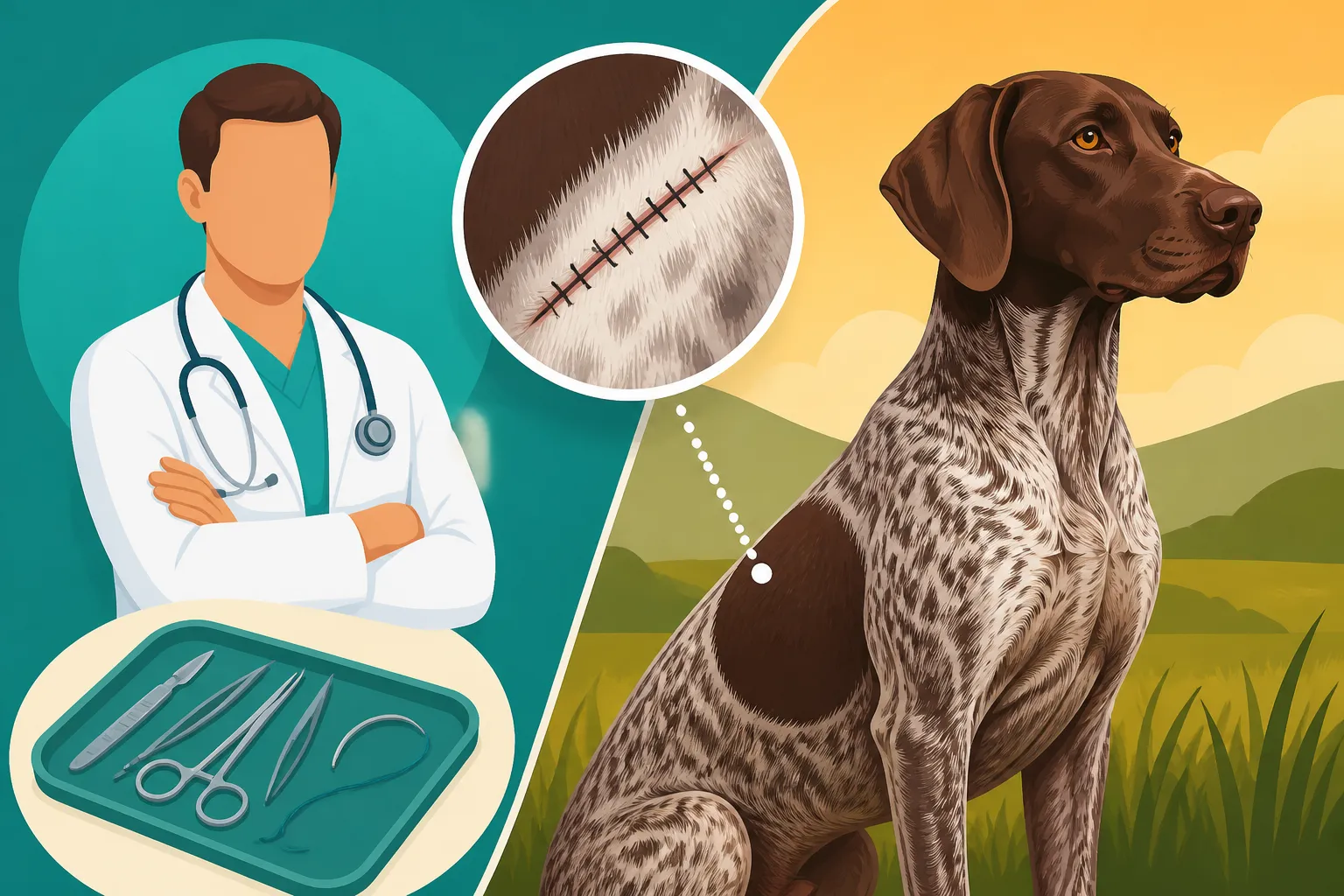
Most often, field cuts on GSPs are lacerations – tears in the skin and underlying tissues caused by sharp objects like thorns, wire, or sharp rocks. If the edges of the wound are clean, and there's not too much tissue loss, the vet will likely close it with sutures (stitches). This is generally the most straightforward and least expensive type of repair. It involves cleaning the wound thoroughly, sometimes debriding (removing) any damaged or contaminated tissue, and then meticulously stitching the layers back together.
The cost for simple suturing will depend on the length and depth of the laceration, as well as whether sedation or general anesthesia is required. A small, shallow cut on a cooperative dog might be closed with local anesthetic and a few stitches, while a longer or deeper one will almost certainly require general anesthesia to ensure proper closure and minimal stress for your GSP. Anesthesia adds significantly to the bill, as it involves pre-anesthetic bloodwork, the anesthesia itself, monitoring equipment, and recovery care. The Bill When a Shorthair Torsions Mid Season shows how quickly costs can escalate with anesthesia and surgery.
Complex Wounds and Advanced Closures
Sometimes, a field cut isn't simple. It could be an avulsion, where a flap of skin is torn away, or a degloving injury, where a large section of skin is completely ripped from the underlying tissue. These are far more serious and require advanced surgical techniques. They often involve extensive debridement, where the vet has to carefully remove all dead or non-viable tissue to prevent infection and promote healing. This process can be time-consuming and skilled, directly impacting the labor costs involved.
For complex wounds, the vet might use drains to prevent fluid buildup, skin grafts if there’s significant tissue loss, or even rely on "second intention healing," where the wound is left open to heal from the inside out, requiring diligent wound care at home. The duration of anesthesia, the complexity of the surgical procedure, and the specialized materials used will drive the cost up considerably. A wound that's been left for a day or two and has already started to show signs of infection will also be more complicated and expensive to treat than a fresh cut.
Puncture Wounds and Internal Damage
Puncture wounds are tricky because they often look small and innocuous on the surface, but can be incredibly deep and introduce bacteria far into the tissue. Picture a sharp stick your GSP ran into while bursting through a brush pile. The small entry hole can close up, trapping infection inside. In these cases, the vet might need to surgically explore the wound to ensure there are no foreign bodies lodged inside and to thoroughly clean the deep tissues. This is usually done under general anesthesia.
If the puncture caused internal damage, such as to an organ, tendon, or muscle, the surgery becomes even more complex and urgent. For example, a stick that penetrates the chest or abdomen can be life-threatening and require highly specialized surgery, vastly increasing the cost. Chest Surgery Prices When a Shorthair Inhales an Awn offers insight into the costs associated with similar internal foreign body removals. The vet will need to ensure the wound is flushed, and often, a course of strong antibiotics is prescribed, further adding to the overall expense.
Here's a simplified look at how different cut types can influence the vet bill:
| Cut Type | Description | Typical Repair Method | Cost Factors |
|---|---|---|---|
| Superficial Laceration | A clean, shallow cut, skin deep. | Cleaning, local anesthetic, simple sutures | Length, location, need for sedation vs. general anesthesia, amount of cleaning required. |
| Deep Laceration | Longer or deeper cut, through multiple layers of tissue. | Thorough cleaning, multi-layer suturing, drains | Extensive cleaning, general anesthesia, suture materials, surgeon's time, post-op pain management. |
| Puncture Wound | Small entry hole but potentially deep penetration. | Surgical exploration, deep flushing, closure | Depth of penetration, presence of foreign bodies, internal damage, anesthesia, antibiotics, imaging (X-ray). |
| Avulsion/Degloving | Skin torn away from underlying tissue, significant tissue loss. | Extensive debridement, advanced surgical techniques (grafts, drains), careful closure. | Long anesthesia time, highly skilled surgery, post-operative care complexity, potential for multiple procedures. |
Factors That Significantly Influence the Final Bill
The actual cost of closing a field cut on your German Shorthaired Pointer isn't just about the stitches; it's a culmination of many different factors. Understanding these can help you anticipate and manage the expenses.
Geographic Location and Clinic Type
Just like human healthcare, veterinary costs can vary significantly based on where you live. A vet clinic in a rural area might have different overheads and charge less than a clinic in a bustling metropolitan area. The type of clinic also plays a role. An emergency veterinary hospital, especially one with specialists and 24/7 care, will typically have higher fees than your local general practice vet. This is because they have specialized equipment, highly trained staff, and are always ready for critical cases.
If your GSP gets a cut on a Sunday evening, you’ll likely be heading to an emergency clinic, and their rates will reflect that immediate, specialized availability. Planning for potential emergencies, even if it means knowing where the nearest 24-hour facility is, can save crucial time, though it often comes at a higher price point.
Anesthesia and Pain Management
For most cuts requiring closure, especially on an active, sometimes squirming German Shorthaired Pointer, general anesthesia is a necessity. This ensures the vet can thoroughly clean and repair the wound without causing your dog pain or stress, and it prevents accidental movement that could complicate the procedure. Anesthesia costs include the pre-anesthetic blood panel (to ensure your dog is healthy enough for anesthesia), the anesthetic drugs themselves, monitoring by a dedicated technician, and reversal agents.
Post-operative pain management is also critical for your GSP's comfort and healing. Your vet will likely send you home with anti-inflammatory medications and possibly pain relievers. These medications are not just for comfort; they help reduce swelling and inflammation, which can promote faster healing. They are an essential part of the recovery process, but they do add to the total cost.
Medications and Follow-Up Care
Beyond pain medication, your Shorthair will almost certainly go home with a course of antibiotics, especially if the wound was dirty, or if there was any suspicion of infection. Field cuts are notorious for introducing bacteria from soil, water, or vegetation into the body. These oral antibiotics help prevent serious infections that could complicate healing and lead to further vet visits.
Follow-up care is also part of the healing journey. Your vet will want to recheck the wound in a few days to make sure it's healing properly and that there are no signs of infection or complications. Eventually, the stitches will need to be removed, which typically involves another visit. These follow-up appointments, while often less expensive than the initial surgery, still incur examination fees. And don't forget the dreaded "cone of shame" (an Elizabethan collar)! Most vets will send you home with one to prevent your GSP from licking, chewing, or otherwise messing with their stitches, which is paramount for proper healing. You can also pick up things like spare cones or specialized wound care products from places like Chewy.
Potential Complications
Unfortunately, even with the best care, complications can arise. Infections, suture dehiscence (stitches coming apart), seromas (fluid pockets), or even an allergic reaction to suture material can occur. If a complication arises, it means more vet visits, more medications, and potentially another surgical procedure, all of which drive up the cost. This is why following your vet's post-operative instructions carefully, administering all medications, and preventing your GSP from bothering the wound are so incredibly important. A little diligence on your part can save a lot of money (and heartache) in the long run. Proper care after an injury like a Cut Pads on a German Shorthaired Pointer After a Long Day is crucial for healing.
Managing the Costs of Your Shorthair's Care
Facing unexpected vet bills, especially for a sudden field injury, can be stressful. Thankfully, there are several ways you can prepare for and manage these costs.
Pet Insurance
Pet insurance can be an absolute lifesaver for German Shorthaired Pointer owners, especially for breeds as active and injury-prone as ours. Policies typically cover accidents and illnesses, which would include field cuts requiring vet attention. While you'll still pay upfront, the insurance company will reimburse you for a significant portion of the bill, depending on your deductible and reimbursement rate.
Companies like Healthy Paws are well-regarded for their accident and illness plans, which cover a wide range of unexpected veterinary expenses. It's important to get a policy before an accident happens, as pre-existing conditions are almost never covered. Having a good pet insurance policy can turn a several-thousand-dollar emergency into a manageable few hundred. Whether a Policy Covers a Shorthair's Hunting Injuries is a key question many hunting dog owners need to research when choosing a plan.
Emergency Funds and Payment Plans
Even with insurance, or if you don't have it, having an emergency fund specifically for your pet's unexpected medical needs is a wise decision. Setting aside a little bit each month can build up a cushion for situations just like a field cut. Many veterinary clinics also understand the financial strain of unexpected emergencies and offer payment plan options or work with third-party financing companies that provide low- or no-interest payment plans for veterinary care. It never hurts to ask your vet's office about their available options.
Another thing to consider is how you manage your general pet care expenses. Online retailers like Chewy offer not only pet food and supplies but also often have pharmacy services for prescription medications, which can sometimes be more cost-effective than buying directly from the vet. Ensuring your dog is on a high-quality diet, perhaps from a brand like Ollie, can also contribute to overall health and resilience, potentially reducing other unexpected health issues over time, though it won't prevent field cuts.
Prevention and Preparedness
While you can't prevent every accident, you can significantly reduce the risk of field cuts. Thoroughly checking hunting areas for hazards like old fences, barbed wire, or broken glass before letting your Shorthair loose is a good practice. Investing in protective gear, such as a durable neoprene vest for thick cover or dog boots for rough terrain, can also offer some protection. Boots for a Shorthair on Rock and Stubble can literally save your GSP's paws.
After every hunt or extended outdoor excursion, make it a habit to perform a full body check on your German Shorthaired Pointer. Look for any scrapes, punctures, or swelling. Early detection of a small cut can mean a much simpler (and cheaper) fix than waiting until it becomes infected or more severe. Being prepared with a basic pet first-aid kit, including antiseptic wipes, sterile gauze, and vet wrap, can help you manage minor injuries temporarily until you can get to the vet. This proactive approach not only minimizes injury risk but also helps you spot issues before they escalate into costly emergencies. Checking a German Shorthaired Pointer Over After a Hunt is an essential step every time you're back from the field.
Disclaimer
This article is for general informational purposes only and does not constitute professional advice. Laws, prices and regulations vary by location and change over time. Consult a qualified professional for guidance on your specific situation.