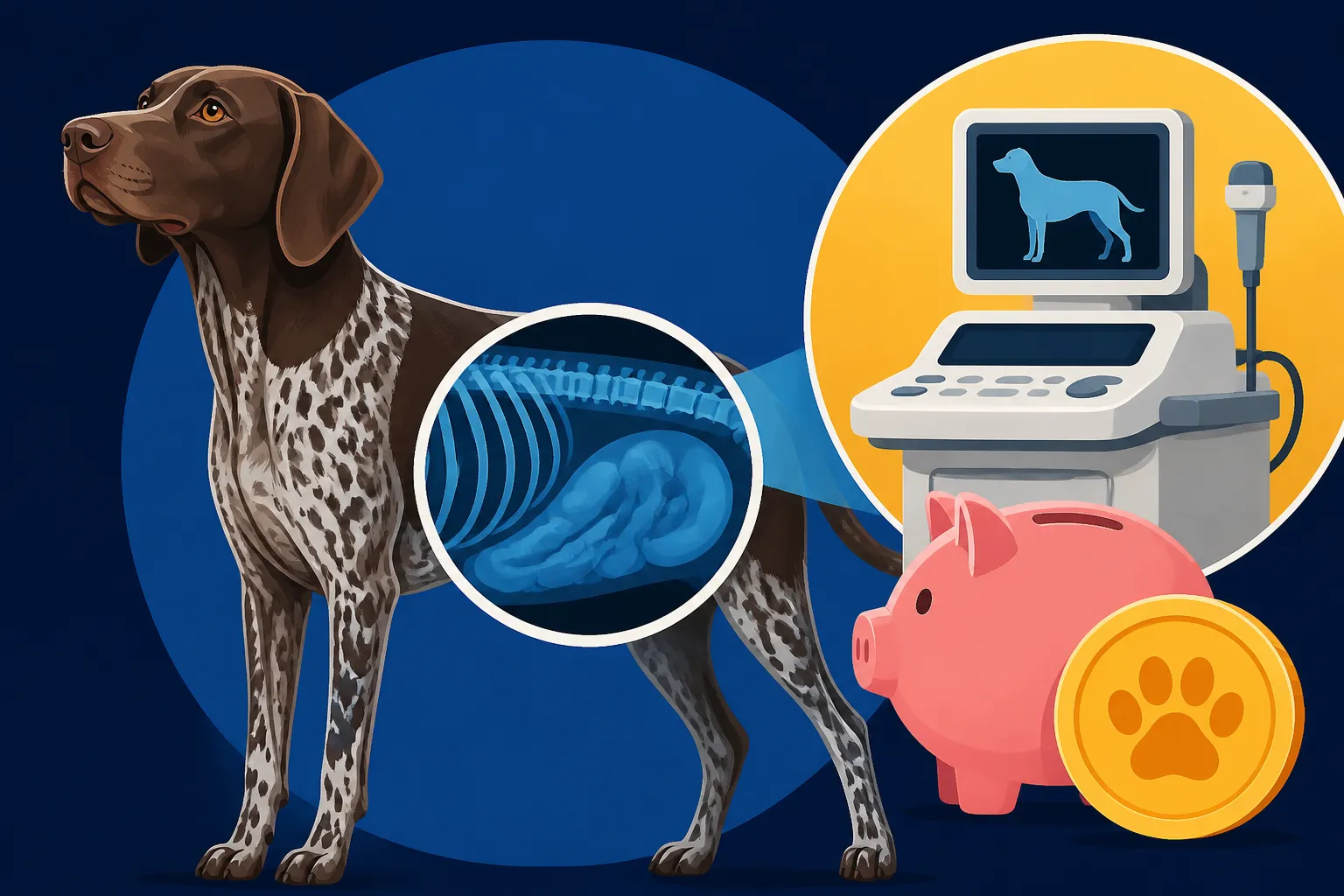
The Price of Imaging a Shorthair’s Abdomen
There’s nothing quite as heartbreaking as seeing your spirited German Shorthaired Pointer, usually a whirlwind of energy, suddenly curled up, uncomfortable, or showing signs of pain. When stomach issues or unexpected injuries strike, your vet might recommend abdominal imaging to get a clear picture of what’s happening inside. The concern for your beloved companion is immediate, but so too is the worry about the potential costs involved. This guide will help you understand the various types of abdominal imaging, the factors that influence their price, and how you can prepare for these necessary expenses, offering some peace of mind during a stressful time.
When Your German Shorthaired Pointer Needs Abdominal Imaging
German Shorthaired Pointers are, by nature, active and robust dogs. They live for the field, for runs, and for exploring every scent. This vigorous lifestyle, while wonderful, can sometimes lead to unexpected health challenges, particularly concerning their abdomen. When your GSP isn't acting quite right, or if there's a sudden emergency, abdominal imaging becomes a critical tool for diagnosis.
Common Reasons for a Belly Check-Up
One of the most terrifying emergencies for a deep-chested breed like a German Shorthaired Pointer is bloat, or gastric dilatation-volvulus (GDV). This life-threatening condition requires immediate veterinary attention, and imaging is crucial for confirmation. You can learn more about The Bloat Risk a Shorthair Carries Into Every Season. If you see your dog attempting to vomit without producing anything, pacing, or showing signs of distress, it might be The Unproductive Retching That Means a Shorthair Is Bloating. In such cases, imaging is not just helpful, it's often the first step in a race against time.
Beyond bloat, GSPs, being naturally curious and mouthy, sometimes ingest things they shouldn't. Foreign objects – a piece of a favorite toy, a swallowed sock, or even a stick from a vigorous retrieve – can cause obstructions or internal damage. Persistent vomiting, chronic diarrhea, a sudden loss of appetite, or unusual changes in urination can all point to problems within the digestive tract, kidneys, or bladder that necessitate an internal investigation. Trauma, perhaps from a fall during a run or an unfortunate incident while exploring, can also lead to internal injuries that require a visual assessment. Field Injuries a Hunting German Shorthaired Pointer Comes Home With are not uncommon, and sometimes those injuries aren't visible externally. Furthermore, your vet might feel a suspicious lump or notice an enlarged organ during a routine physical exam, prompting further investigation through imaging to determine its nature.
Recognizing the Signs of Trouble
As GSP owners, we become acutely tuned to our dogs' personalities and habits. Any deviation from their usual happy, energetic selves can be a red flag. Subtle changes, such as a slight lethargy, a reluctance to engage in their favorite activities, or a hunched, painful posture, are often the first indicators that something is amiss internally. Your dog might be unusually quiet, sleep more than usual, or seem withdrawn.
More obvious signs of distress include persistent retching without vomit, a visibly distended abdomen that feels hard to the touch, or even a sudden collapse. Changes in appetite, where your dog suddenly refuses food or water, or alterations in their stool consistency – such as severe diarrhea or blood in the stool – are also urgent signals. Similarly, if your Shorthair is straining to urinate, having accidents indoors despite being house-trained, or if their urine appears discolored, it could indicate a urinary tract issue that warrants imaging. The key is to trust your instincts. If your GSP is acting differently and you have a gut feeling that something isn't right, don't hesitate to contact your veterinarian. Early detection through imaging can make all the difference.
Understanding the Types of Abdominal Imaging for GSPs
When your vet needs to look inside your German Shorthaired Pointer’s abdomen, they have a few powerful tools at their disposal. Each imaging modality offers a different view and level of detail, and the choice depends on what your vet suspects might be going on.
X-rays Radiographs The First Look Inside
Often, the first stop on the diagnostic journey is a series of X-rays, also known as radiographs. These are fantastic for quickly getting a general overview of the abdominal cavity. Think of them as snapshots that show the bones, the gas patterns in the intestines, and the general size and position of the major organs. For a GSP presenting with acute abdominal pain, X-rays are invaluable for confirming conditions like bloat, where an abnormally gas-filled stomach is a tell-tale sign. They can also reveal larger foreign objects, such as a swallowed toy that might be causing an obstruction, or indicate fluid accumulation within the abdomen.
However, X-rays have their limitations. While they give a good outline, they aren’t great for seeing the intricate soft tissue details of organs like the liver, pancreas, or intestines. A small, non-metallic foreign object might not show up clearly, and early-stage masses within an organ can be easily missed. To get the most comprehensive view, your vet will often take multiple X-ray views from different angles. For some active German Shorthaired Pointers, a mild sedative might be needed to ensure they stay still enough for clear, diagnostic images, which can be an additional consideration for the procedure.
Abdominal Ultrasound A Deeper Dive Into Soft Tissues
If X-rays provide the broad strokes, an abdominal ultrasound offers a far more detailed, real-time look at the soft tissues within your Shorthair’s belly. This non-invasive procedure uses sound waves to create images of individual organs, allowing the vet to examine their internal structure, size, texture, and even blood flow. For example, an ultrasound can pick up subtle changes in the pancreas indicative of pancreatitis, identify specific masses within the liver or spleen, or assess the layers of the intestinal wall for signs of inflammatory bowel disease. It's also excellent for finding free fluid in the abdomen and guiding needle biopsies if a suspicious mass is found.
The process typically involves gently shaving a patch of fur from your GSP's belly, then applying a special gel to ensure good contact between the ultrasound probe and the skin. While generally comfortable for most dogs, the active nature of many German Shorthaired Pointers might mean they need a mild sedative to remain relaxed and still for the duration of the scan, which can take anywhere from 30 minutes to an hour or more, depending on the complexity of the case. The quality of the ultrasound can be somewhat operator-dependent, meaning a skilled, experienced veterinarian or a board-certified veterinary radiologist will provide the most accurate interpretation.
More Advanced Imaging CT and MRI Considerations
For truly complex cases or when surgical planning requires an exceptionally detailed, three-dimensional view, your veterinarian might recommend even more advanced imaging techniques like a CT (Computed Tomography) scan or an MRI (Magnetic Resonance Imaging). These are generally reserved for situations where X-rays and ultrasound haven't provided enough information, or when dealing with highly specific conditions like certain types of tumors, complex fractures involving the pelvis, or intricate vascular anomalies.
CT scans are fantastic for providing cross-sectional images that offer incredible detail of both bone and soft tissue structures, making them excellent for pinpointing the exact location and extent of a mass, or for detailed assessment before a major surgery. MRIs, while less commonly used for general abdominal issues, excel at imaging soft tissues with even greater detail than CT, particularly for neurological conditions, but can sometimes be applied to specific complex abdominal soft tissue issues if needed. It's important to know that these advanced procedures are significantly more expensive than X-rays or ultrasounds and almost always require full general anesthesia, which carries its own set of considerations and risks for your German Shorthaired Pointer. They are typically performed at larger veterinary specialty hospitals or university veterinary teaching hospitals.
What Influences the Cost of Abdominal Imaging for Your Shorthair
Understanding the price of abdominal imaging for your German Shorthaired Pointer isn't as simple as looking up a single figure. Several factors come into play, making each situation unique. It’s important to be aware of these variables so you can have an informed conversation with your vet.
Geographic Location and Veterinary Practice Type
Just like human healthcare, the cost of veterinary services, including imaging, can vary significantly based on where you live. Veterinary clinics in major metropolitan areas, for example, often have higher overheads and therefore typically charge more than those in rural or smaller suburban communities. So, what you might pay for a set of X-rays in, say, Los Angeles will likely differ from the cost in a small town in Nebraska.
Beyond geography, the type of veterinary practice also plays a huge role. A general practice veterinary clinic will usually have different pricing structures compared to a veterinary specialty hospital or an emergency clinic. Specialty hospitals, which house board-certified radiologists and advanced equipment like CT scanners, will naturally have higher fees due to the specialized expertise and technology involved. Emergency clinics, while invaluable for urgent care, often have premium pricing, especially for after-hours services. If your GSP has an emergency and needs imaging in the middle of the night, be prepared for the bill to reflect that urgent care.
Complexity of the Case and Number of Procedures
The sheer complexity of your German Shorthaired Pointer's situation and the number of diagnostic steps required are major cost drivers. A quick, two-view X-ray for a suspected swallowed sock will generally be less expensive than a full abdominal ultrasound to evaluate multiple organs for chronic disease. If your vet needs to perform several imaging modalities – perhaps starting with X-rays, then moving to an ultrasound for a clearer view – the costs will accumulate.
Furthermore, getting clear images of an energetic or anxious GSP can sometimes be a challenge. Sedation or even general anesthesia might be necessary to ensure your dog remains still enough for diagnostic quality images, especially for detailed ultrasounds or any advanced imaging like a CT scan. This adds to the overall cost, encompassing the drugs, the monitoring by veterinary staff, and the recovery period. Additionally, many clinics will send complex imaging, particularly ultrasounds, to be reviewed by a board-certified veterinary radiologist for a definitive interpretation. This expert analysis is invaluable for accurate diagnosis but will come with an additional professional fee.
Ancillary Services and Follow-Up Care
Abdominal imaging is rarely a standalone procedure. Often, it's part of a larger diagnostic and treatment plan, and the associated services can add to the total bill. For instance, before administering sedation or anesthesia, your vet will likely recommend pre-imaging bloodwork to ensure your GSP is healthy enough for the procedure. This is a crucial safety step, especially for an older dog or one with pre-existing conditions.
During or after the imaging, your German Shorthaired Pointer might need intravenous fluids to stay hydrated, especially if they've been vomiting or are in a critical state. Medications, such as pain relief, anti-nausea drugs, or antibiotics, are also frequently prescribed. If the issue is severe, like a confirmed bloat or a major internal injury, your GSP may require an overnight stay for monitoring and stabilization, which incurs hospitalization fees. In some cases, if a condition is being monitored, such as the size of a mass or the resolution of inflammation, follow-up imaging might be necessary, adding to the long-term cost. Each of these steps, while essential for your Shorthair's well-being, contributes to the overall financial commitment.
Budgeting for Unexpected Abdominal Health Issues
No one wants to think about their German Shorthaired Pointer getting sick or injured, but being prepared financially can make a world of difference when an emergency strikes. When the vet tells you your GSP needs abdominal imaging, knowing your options can ease some of the stress.
The Role of Pet Insurance
Pet insurance can be a true lifesaver when unexpected illnesses or accidents occur, and abdominal imaging often falls into these categories. Having a comprehensive policy in place before any symptoms appear is crucial, as most insurance companies consider existing conditions—even if undiagnosed—as pre-existing, making them ineligible for coverage. Providers like Healthy Paws offer various plans that can reimburse a significant portion of your veterinary bills after you meet your deductible, helping to cushion the blow of a large imaging fee. When looking into policies, pay attention to the deductible amounts, the reimbursement percentages, and any annual limits. It's also worth checking if the policy specifically covers conditions common in German Shorthaired Pointers, or if they have clauses regarding field injuries, as your GSP might be prone to those. For instance, you might want to review Monthly Insurance Premiums on a German Shorthaired Pointer and Whether a Policy Covers a Shorthair's Hunting Injuries to see how such plans align with your lifestyle.
Preparing for Emergency Vet Bills
Even with insurance, there will be out-of-pocket expenses, and for those without a policy, the full burden of emergency care can be overwhelming. It's always a wise idea to have an emergency fund specifically for your pets, or at least a dedicated credit card or line of credit for unexpected veterinary costs. Many veterinary clinics understand the financial strain these situations can cause and are often willing to discuss payment plans. Services like CareCredit or similar third-party financing options are also available and can help break down a large bill into more manageable monthly payments. Don't be afraid to ask your vet's office about these options; they want to help your dog as much as you do. The emotional stress of seeing your GSP unwell is enough, without the added pressure of financial uncertainty. Understanding options like The Bill When a Shorthair Torsions Mid Season or even Emergency Care for a Bloating German Shorthaired Pointer can give you a clearer picture of potential costs.
Proactive Care and Prevention
While not every abdominal issue can be prevented, proactive care can go a long way in minimizing risks and catching problems early, potentially reducing the need for expensive emergency imaging. Regular veterinary check-ups are essential, as your vet can often spot subtle changes that might indicate an underlying issue before it becomes critical. Keeping up with The Vet Schedule a Working Shorthair Should Keep can catch problems early.
Careful management of your GSP’s diet is another key factor. Feeding a high-quality food, perhaps a specialized diet if recommended by your vet (which you might find at retailers like Chewy or specialty brands like Ollie, known for fresh, customized options), can support digestive health. Preventing foreign object ingestion is also crucial; be diligent about keeping small toys, socks, and other tempting but dangerous items out of reach. For active dogs, a thorough check after every outdoor adventure, especially in the field, can prevent issues like embedded foxtails or other plant material that can migrate internally and necessitate imaging, as covered in topics like The Bill for Removing a Foxtail From a Shorthair. Knowing the signs of common GSP health concerns, like bloat, and acting quickly if you see them, can drastically improve outcomes and sometimes prevent the condition from becoming more severe and costly to treat. Be vigilant, know your dog, and don't hesitate to seek veterinary advice at the first sign of trouble. For instance, knowing how to spot Catching Bloat in a German Shorthaired Pointer After a Hunt is a skill every owner should cultivate.
Disclaimer
This article is for general informational purposes only and does not constitute professional advice. Laws, prices and regulations vary by location and change over time. Consult a qualified professional for guidance on your specific situation.