What a German Shorthaired Pointer Puppy’s First Shots Cost
Bringing home a German Shorthaired Pointer puppy is an incredibly exciting time, full of dreams about long field days and cozy evenings by the fire. But let's be real, among all the joy and anticipation, there's often a quiet worry gnawing at us: the initial costs. One of the first major expenses you'll encounter is your puppy's first set of vaccinations, and it's easy to feel overwhelmed by the unknown. This guide is here to demystify exactly what those first shots entail for your GSP pup, why they're so vital, and what you can realistically expect to pay.
Understanding the Initial Vet Visit and Puppy Shots
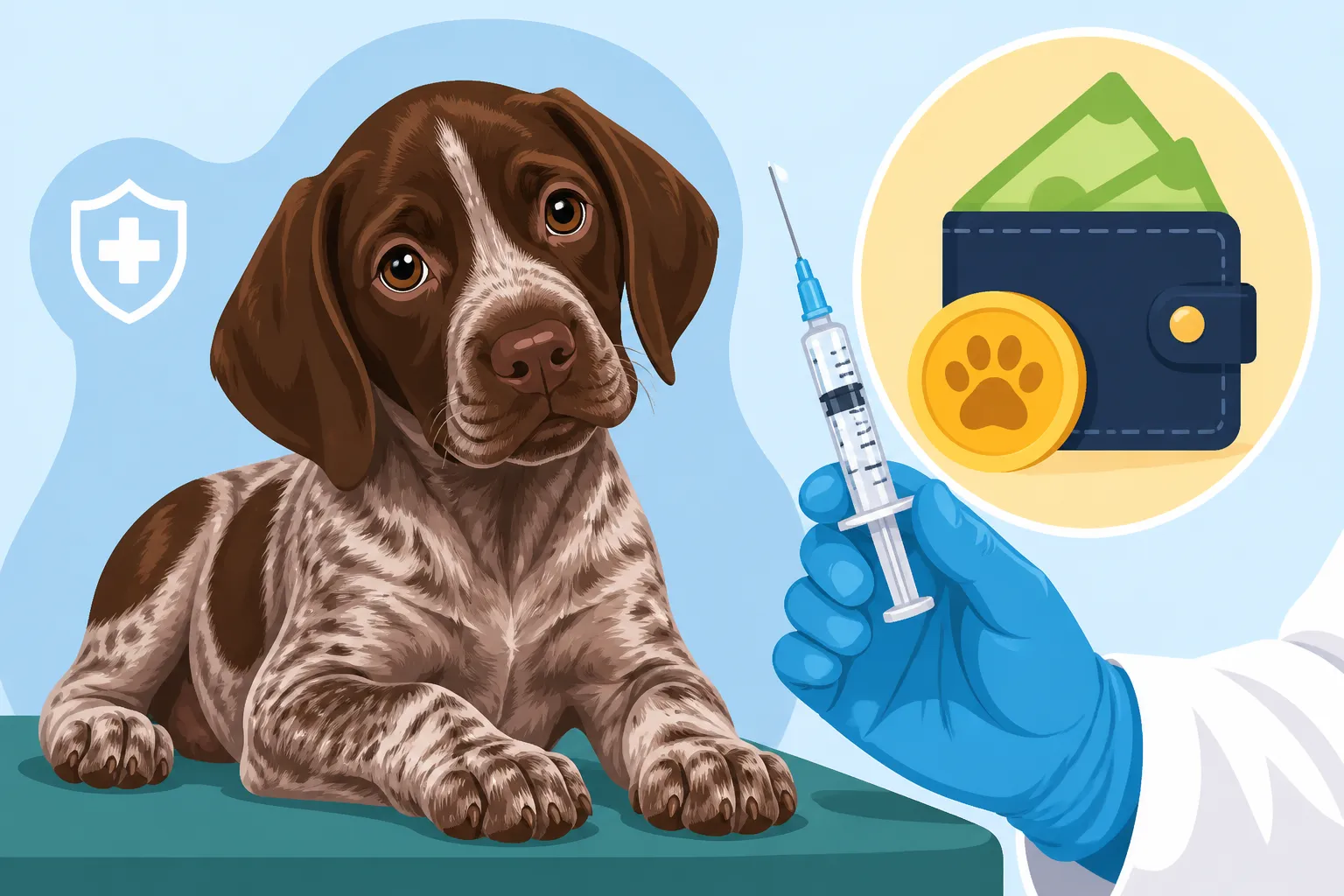
When you bring home that bouncy, bundles of joy, one of the very first things on your to-do list, even before picking out the perfect chew toy, is a trip to the vet. This isn't just a meet-and-greet; it's a critical foundational step for your German Shorthaired Pointer's long-term health. Puppy shots are more than just needles; they're a shield against common, often devastating, diseases that puppies are highly susceptible to.
The Importance of Early Vaccinations
Imagine your curious GSP puppy, nose to the ground, exploring every new scent and patch of grass. Their immune systems are still developing, making them incredibly vulnerable to a host of viruses and bacteria that might not even faze an adult dog. Without proper vaccination, a simple walk in the park or interaction with another dog could expose them to serious illnesses. German Shorthaired Pointers are often destined for active lives, running in fields, swimming in ponds, and interacting with other dogs—all scenarios that increase their exposure risk. Vaccinations are your best defense, preparing their bodies to fight off these invaders before they can cause harm. It’s not just about protecting your own puppy; it’s also about preventing the spread of disease within the wider dog community.
These early vaccinations create an "immunological memory" in your puppy's system, teaching their body how to recognize and combat specific pathogens. Think of it like a training exercise for their immune system. Without this critical training, should they encounter a real threat like parvovirus or distemper, their bodies would be entirely unprepared, leading to severe, often fatal, illness. For a breed known for its robust health and athleticism, ensuring a strong start with a complete vaccination series is paramount to their future as a working companion or beloved family member.
What's Included in the "First Shots" Package?
When people talk about "first shots," it's rarely just one single injection. Instead, it refers to a series of vaccinations, usually starting around 6-8 weeks of age and continuing every 3-4 weeks until the puppy is about 16 weeks old. The core vaccines are typically bundled together, often called the "DHPP" or "DA2PP" vaccine, which protects against:
- Distemper: A serious, contagious, and often fatal disease that attacks the respiratory, gastrointestinal, and nervous systems.
- Adenovirus (Hepatitis): Causes canine infectious hepatitis, affecting the liver, kidneys, spleen, and lungs.
- Parvovirus: A highly contagious and deadly gastrointestinal virus, especially dangerous for puppies.
- Parainfluenza: A common respiratory virus, often associated with kennel cough.
Beyond these core vaccines, your vet will also discuss non-core vaccines based on your GSP's lifestyle and geographic location. For an active German Shorthaired Pointer, these might include:
- Leptospirosis: Protects against a bacterial disease spread through the urine of infected wildlife, common in areas with standing water or wildlife exposure—very relevant for a dog that loves to swim or hunt in wet conditions.
- Bordetella: Often recommended for dogs that frequent dog parks, boarding kennels, or training classes, as it helps prevent kennel cough.
- Lyme Disease: If you live in an area with a high tick population, this vaccine might be a consideration.
- Rabies: This is a legally mandated vaccine in most places and is typically given as a single shot around 12-16 weeks of age, after the core puppy series is well underway.
In addition to the shots, your initial vet visit will almost certainly include a thorough physical examination to check your puppy's overall health, listen to their heart and lungs, check for parasites, and ensure they're growing properly. They’ll also discuss deworming, as many puppies are born with intestinal parasites or acquire them early in life.
The Typical Schedule of Puppy Shots
It’s easy to think you go to the vet once, get all the shots, and you're done. But for puppies, it’s a marathon, not a sprint! The typical vaccination schedule for a German Shorthaired Pointer puppy, like most breeds, involves multiple visits to your veterinarian over several weeks or months. This staged approach is crucial because maternal antibodies, passed from the mother dog to the puppies, can interfere with the effectiveness of vaccines. Giving booster shots every few weeks ensures that once those maternal antibodies wane, the puppy's own immune system can respond fully and develop lasting protection.
Here's a general breakdown, but always remember to follow your specific vet's recommendations, as schedules can vary:
- 6-8 Weeks Old: This is often the first vet visit after you bring your GSP home. Your puppy will likely receive their first dose of the DHPP/DA2PP vaccine, and potentially their first deworming. The vet will perform a comprehensive physical exam, check for congenital issues, and discuss diet and initial training tips.
- 9-11 Weeks Old: Around this time, your puppy will go back for a booster shot of the DHPP/DA2PP vaccine. This second dose is vital for building on the initial immunity. Depending on your region and the vet's assessment of your GSP’s lifestyle, they might also receive the first dose of non-core vaccines like Leptospirosis or Bordetella.
- 12-14 Weeks Old: Another booster for the DHPP/DA2PP vaccine is typically given. If your puppy is receiving non-core vaccines, the second dose of those might be given here as well. This is also often the time for the first Rabies vaccination, which, as mentioned, is legally required almost everywhere.
- 15-17 Weeks Old: The final booster for DHPP/DA2PP is often given around this age, completing the core vaccination series. This visit is particularly important as it’s generally considered the point where a puppy has developed full immunity against these critical diseases. Your vet might discuss further deworming if needed, and finalize plans for ongoing parasite prevention.
Each of these visits includes a general health check, which is a great opportunity to ask your vet any questions you have about your puppy's development, behavior, or any concerns you might be noticing. Remember that this series of appointments is essential for your German Shorthaired Pointer to develop robust protection before they're fully unleashed into the world of dog parks, hunting grounds, or even just long walks where they might encounter other dogs. This systematic approach is why The Vet Schedule a Working Shorthair Should Keep emphasizes regular check-ups from the start.
Breaking Down the Costs: What to Expect
Let's talk numbers, because that's often the biggest worry, right? The cost of your German Shorthaired Pointer puppy's first shots isn't a single lump sum, but rather a combination of services and supplies that make up those crucial initial vet visits. Understanding what each component costs can help you budget and avoid surprises.
Vet Examination Fees
Every time you take your puppy to the vet, there will be an examination fee. This fee covers the veterinarian's time to thoroughly assess your puppy's health, discuss your concerns, and administer the necessary treatments. It’s not just about the shot itself; it’s about the professional expertise and care your vet provides.
These fees can vary quite a bit depending on your location and the specific veterinary clinic. For example, a clinic in a bustling metropolitan area might have higher overheads and therefore higher exam fees than a rural clinic. Similarly, a specialized animal hospital might charge more than a smaller, local practice. Generally, you can expect an exam fee to be a significant portion of the cost for each visit. Don't be shy about asking your vet for a breakdown of these costs during your initial call, or asking if they have puppy packages that might bundle these fees.
Vaccination Costs Per Shot
The actual cost of the vaccines themselves can also vary. Core vaccines (like the DHPP/DA2PP combo) are often less expensive per dose than some of the non-core vaccines such as Leptospirosis or Lyme. Many veterinary clinics offer "puppy packages" that bundle the entire series of core vaccinations, along with deworming and sometimes a microchip, into a single, often discounted, price. These packages can be a great way to save money over paying for each vaccine individually across multiple visits.
For instance, one DHPP booster might be one price, while a Leptospirosis vaccine could be another. When you add up three or four visits, each with an exam fee and multiple vaccine doses, the costs can accumulate. It's smart to inquire about these package deals when you call to schedule your first appointment. Remember that some clinics even offer discounts for first-time clients or for puppies adopted from shelters, so it never hurts to ask! Investing in these early vaccinations is paramount to your GSP's health and can prevent far more expensive treatments down the line for diseases like parvovirus.
Additional First-Visit Expenses
Beyond the core vaccinations and exam fees, there are several other expenses commonly associated with your German Shorthaired Pointer puppy's first vet visits. These are just as important for their overall health and well-being.
- Deworming: As mentioned, most puppies need multiple rounds of deworming. The cost of the deworming medication itself is typically quite reasonable, but it adds to the overall bill for each visit where it's administered.
- Fecal Exam: Your vet will likely request a fresh stool sample to check for intestinal parasites that deworming targets. This lab test has a separate fee but is crucial for ensuring your puppy is parasite-free.
- Microchipping: Many vets recommend microchipping your puppy during one of their early visits, often around the time of their last set of shots. This small, permanent identification can be a lifesaver if your active GSP ever gets lost. The microchip itself and the procedure to implant it will have a cost, plus there might be a registration fee to link your information to the chip.
- Initial Parasite Prevention: Your vet will likely discuss and provide initial doses of heartworm prevention and flea/tick medication. These are ongoing monthly costs but often start with the first vet visits. Products are widely available from your vet or online retailers like Chewy, offering various options to fit your budget and your dog's needs. Maintaining vigilance against parasites is an ongoing battle, particularly for a breed that spends so much time outdoors.
- Basic Supplies: While not a vet expense, you'll need things like a good quality puppy food—perhaps a brand like Ollie, known for its fresh food options, which you’d order online or from a specialty store—along with bowls, a leash, collar, and initial training treats. These quickly add up when setting up for a new German Shorthaired Pointer. Considering Puppy Food That Suits a Growing German Shorthaired Pointer is another important early decision impacting cost.
These "additional" expenses are not optional if you want to provide your GSP with the best start. They are integral to preventative care and protecting your puppy from common health threats.
Factors Influencing the Final Bill
When you start researching costs, you'll quickly realize there isn't one universal price tag for your German Shorthaired Pointer puppy's first shots. Several factors play a significant role in determining your final bill. Understanding these can help you manage your expectations and even make informed choices about your veterinary care.
Geographic Location and Veterinary Practice Type
Just like human healthcare, the cost of veterinary services is heavily influenced by where you live. Veterinary clinics in high cost-of-living areas, like major cities or affluent suburbs, tend to have higher prices for exams, vaccinations, and other services. This is often due to higher rent, staff wages, and operational costs in those regions. Conversely, clinics in rural areas or smaller towns might offer more budget-friendly rates.
Beyond location, the type of veterinary practice also matters. A large, state-of-the-art animal hospital with multiple specialists, advanced imaging equipment, and 24/7 emergency services will naturally have higher pricing than a small, independent general practice. While both offer excellent care, their cost structures differ. Some practices might focus on preventative care and wellness, while others are geared more towards complex medical cases. For a GSP owner, finding a vet that understands the specific needs of active, sporting breeds can be invaluable, even if it means a slightly different price point. This decision impacts not just initial shots, but also ongoing care and potential Emergency Fees for a Shorthair Cut Open in the Field.
Package Deals vs. Individual Vaccinations
Many veterinary clinics understand the financial burden of multiple puppy visits and offer comprehensive "puppy packages." These packages typically include all the core DHPP boosters, deworming, initial parasite prevention, a microchip, and sometimes even the first rabies vaccine, all for a set price. Often, this bundled price is significantly less than if you were to pay for each service individually at every visit.
It's a smart idea to ask clinics in your area if they offer such packages. While they require an upfront commitment, they can provide substantial savings and peace of mind, knowing that a large chunk of your puppy's initial preventative care is covered. However, if your German Shorthaired Pointer puppy is already partially vaccinated or has unique health needs, individual vaccinations might be more appropriate. Your vet can advise you on the best approach for your specific situation. Don't assume packages are always the best fit without discussing your GSP's individual history and anticipated lifestyle.
The Role of Pet Insurance
Let's be honest, vet bills can be scary, especially with an active breed like a German Shorthaired Pointer who can find themselves in all sorts of scrapes. This is where pet insurance can truly shine, offering a safety net for unexpected health issues. While pet insurance typically doesn't cover the initial cost of puppy vaccinations and routine wellness care, many providers, like Healthy Paws, offer optional wellness plans or riders that do help cover these preventative expenses.
A wellness plan might reimburse you for a portion of your annual exam fees, vaccinations, deworming, and even spay/neuter costs. While you still pay the vet upfront, the insurance helps offset those costs. It's important to read the fine print and understand what a wellness plan covers, as some plans might have caps on specific services or only cover certain vaccines. For example, What a Wellness Plan Covers on a Shorthair can vary widely. Considering a policy with a wellness option from the start can make budgeting for routine care, like your GSP's puppy shots and subsequent annual boosters, much more manageable. It’s also important to note that a good policy can cover future unforeseen accidents or illnesses, which is a huge benefit for a high-energy dog prone to Field Injuries a Hunting German Shorthaired Pointer Comes Home With. Thinking ahead about Monthly Premiums for a Two Year Old Shorthair can help you assess the long-term value.
Long-Term Health and Financial Planning
Bringing home a German Shorthaired Pointer puppy and getting those first shots is just the beginning of a beautiful, active life together. But it's crucial to remember that responsible pet ownership, especially with a breed as athletic and spirited as a GSP, is a long-term commitment that extends far beyond those initial puppy vaccinations. Planning for their ongoing health needs and the associated costs will save you stress and ensure your companion thrives for years to come.
Beyond Puppy Shots: Ongoing Preventative Care
Once your GSP puppy has completed their initial vaccination series, the journey of preventative care continues. It's not a "one and done" situation. Adult German Shorthaired Pointers will still require regular booster shots, typically on an annual or triennial schedule, depending on the vaccine and your vet's recommendations. For example, the rabies vaccine needs to be updated regularly, and many core vaccines have a 3-year protocol after the initial puppy series and first annual booster. Non-core vaccines, like Leptospirosis or Bordetella, are often given annually, particularly for active, outdoor-loving GSPs.
But preventative care is so much more than just vaccines. It includes:
- Annual/Bi-Annual Vet Check-ups: These regular physical exams are vital for catching potential health issues early, monitoring weight and dental health, and discussing any behavioral changes.
- Parasite Prevention: Consistent monthly heartworm prevention, as well as flea and tick control, is non-negotiable for a German Shorthaired Pointer. These products protect against deadly diseases and uncomfortable infestations, especially important for dogs spending time in tall grass and varied terrains.
- Dental Care: Over time, tartar can build up, leading to dental disease, which can affect overall health. Regular dental cleanings under anesthesia become a part of many adult GSPs' care routine, which is an additional cost.
- Nutrition and Supplements: As your GSP grows and matures, their nutritional needs may change. Active dogs, especially those in the field, might require specific performance diets or joint supplements to support their hardworking bodies. The Growth Year of a German Shorthaired Pointer Puppy highlights how important diet is during this critical phase.
Neglecting these ongoing preventative measures can lead to more serious, and far more expensive, health problems down the road. For instance, skipping heartworm medication could result in a devastating and costly treatment for an advanced heartworm infection. This long-term commitment to health is a fundamental part of GSP ownership.
Budgeting for Your GSP's Health
Real talk: a German Shorthaired Pointer is not a cheap dog to own, especially if you're committed to their active lifestyle and proper healthcare. After those initial puppy shots, the costs continue, and it's essential to budget accordingly. Many experienced owners recommend setting aside a dedicated fund for vet emergencies, or investing in a robust pet insurance policy.
Think about the potential scenarios for an active GSP:
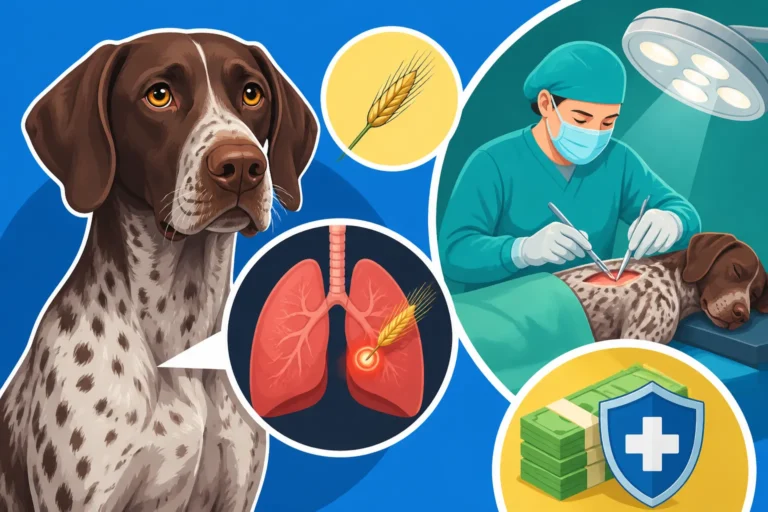
- Accidental Injuries: A German Shorthaired Pointer's zest for life can sometimes lead to injuries. A torn cruciate ligament, a broken toe from a misstep in the field, or even just a deep cut from running through barbed wire can result in significant vet bills. Whether Insurance Pays for a Shorthair's Grass Awn Surgery and Emergency Fees for a Shorthair Cut Open in the Field are real concerns that highlight why budgeting for the unexpected is crucial.
- Chronic Conditions: While generally healthy, GSPs are not immune to chronic conditions like allergies, arthritis as they age, or even genetic issues like A German Shorthaired Pointer That Bleeds Too Long (Von Willebrand Disease) or The Shifting Lameness in a Six Month Shorthair that could be early signs of joint problems. Managing these conditions often involves ongoing medication, specialized diets, or regular vet visits.
- Unexpected Illnesses: Even with the best care, dogs can get sick. An upset stomach, a sudden infection, or something more serious can pop up at any time.
Creating a "pet fund" by putting a little money aside each month, even just $50-$100, can build up a substantial safety net over time. Alternatively, thoroughly researching and purchasing a comprehensive pet insurance plan from a provider like Healthy Paws can provide peace of mind. While it's another monthly expense, it can be a lifesaver when a major unexpected vet bill hits. Regardless of your approach, consciously planning for the financial aspects of your GSP's health is a sign of a truly dedicated owner.
| Service/Item | Typical Frequency | Estimated Cost Range (Per Service/Dose) | Notes |
|---|---|---|---|
| Vet Examination Fee | Each visit (3-4 times) | Varies significantly by location and clinic. | Often the largest part of each visit's bill. |
| DHPP/DA2PP Vaccine | 3-4 doses (6-16 weeks) | Varies | Often bundled in puppy packages. Protects against Distemper, Parvo, Adeno, Parainfluenza. |
| Rabies Vaccine | 1 dose (12-16 weeks) | Varies | Legally required in most areas. |
| Leptospirosis Vaccine | 2 doses (if recommended) | Varies | Recommended for outdoor/hunting GSPs. |
| Bordetella Vaccine | 1-2 doses (if recommended) | Varies | Recommended for social GSPs (dog parks, boarding). |
| Deworming Medication | 2-3 times | Varies | Often included in puppy packages. |
| Fecal Exam | 1-2 times | Varies | Checks for intestinal parasites. |
| Microchipping | Once | Varies (includes implant & registration) | Permanent ID, often done at last puppy visit. |
| Initial Flea/Tick Prevention | 1 dose | Varies | Monthly cost after initial dose. |
| Initial Heartworm Prevention | 1 dose | Varies | Monthly cost after initial dose. |
| Puppy Package | One-time purchase | Varies | Can offer savings by bundling all initial shots, deworming, etc. |
This table provides a general overview, but it’s crucial to contact your local veterinary clinics for their specific pricing, especially for package deals tailored to young puppies.
Disclaimer
This article is for general informational purposes only and does not constitute professional advice. Laws, prices and regulations vary by location and change over time. Consult a qualified professional for guidance on your specific situation.