Force Fetch and a German Shorthaired Pointer’s Retrieve
It's incredibly frustrating when your German Shorthaired Pointer, with all its boundless energy and natural prey drive, just won't reliably bring back that bumper or, worse, a fallen bird. You see the desire, you see the chase, but then they either drop it halfway, play keep-away, or just lose interest the moment they pick it up. This guide is here to walk you through the world of force fetch training, a proven method designed to instill a consistent, willing, and reliable retrieve in your GSP, transforming those missed opportunities into confident, game-in-hand moments.
Understanding the German Shorthaired Pointer's Natural Retrieve Instinct
German Shorthaired Pointers are, by their very design, retrievers. They possess a deep-seated instinct to pursue, catch, and often, to carry. This isn't just a convenient trait; it's a foundational element of their versatility as a hunting dog, bred over generations to do more than just point. However, this natural inclination, while a fantastic starting point, isn't always enough to guarantee a reliable, consistent retrieve when it truly matters.
The GSP's Innate Desire to Carry
Most GSP puppies will, almost instinctively, pick up toys, socks, or anything else they find interesting. This is their prey drive manifesting, a strong genetic component that makes them want to interact with objects. You might notice them carrying things around the house, presenting you with a treasured squeaky toy, or even bringing in the mail from the porch. This inherent desire to carry is a huge asset in their training journey. It means you’re not starting from scratch trying to teach them how to pick something up. They often love the feel of something in their mouth, a trait that makes them wonderfully engaged in games of fetch.
However, there's a significant difference between a dog that likes to pick things up and a dog that reliably retrieves on command, every single time, under all conditions. Your GSP might be a superstar at bringing the tennis ball back in the park when there are no distractions, but what happens when a squirrel runs by, or when the retrieving object is a cold, wet pheasant? Many GSPs, despite their innate desire, might drop the bird a few feet away, shake it, or even decide playing keep-away is more fun. This inconsistency can be incredibly disheartening, especially if you rely on them for hunting. It's not a lack of intelligence, but rather a lack of understanding that the retrieve is a command, not an optional game.
The Difference Between a "Soft Mouth" and a "Hard Mouth"
When we talk about a GSP's retrieve, the term "mouth" often comes up. A "soft mouth" is highly prized in a retriever. It refers to a dog that picks up and carries game gently, without crushing or damaging it. Imagine a dog that can carry an egg without breaking it – that's the ideal soft mouth. This trait is partially genetic, but it's also heavily influenced by training. A naturally soft-mouthed dog handles game with the utmost care, ensuring that a pheasant brought to hand is still fit for the table, not mangled. This is what every hunter hopes for in their dog.
On the flip side, a "hard mouth" is the bane of a retriever owner's existence. A hard-mouthed dog bites down too hard, chews, or otherwise damages the retrieved item. This can ruin game birds, destroy training bumpers, and generally make the retrieve counterproductive. Sometimes, a hard mouth develops out of frustration or anxiety, or simply because the dog hasn't been taught how to hold gently. Force fetch, when implemented correctly, is a powerful tool for developing and maintaining a soft mouth. It teaches the dog precise control over its jaw pressure, making them understand that they must hold the item firmly enough not to drop it, but gently enough not to harm it. It's about instilling discipline in the mouth, which is crucial for preserving the integrity of any game they retrieve.
Why Traditional Retrieve Training Falls Short for Some GSPs
For many GSP owners, the journey of teaching their dog to retrieve starts with enthusiasm and positive reinforcement. We throw a ball, they chase, they bring it back, we praise. It’s a joyful interaction, and for a house pet, this level of retrieve might be perfectly adequate. But when you delve into the demands of a working German Shorthaired Pointer, or simply desire a truly reliable retrieve in all situations, these traditional methods often hit a wall.
When "Play Retrieve" Isn't Enough
The casual game of fetch in the backyard, while fantastic for bonding and exercise, operates on the dog's terms. Your GSP retrieves because it's fun, because it earns your praise, and because the act of chasing is inherently rewarding. There's no compulsion, no requirement for absolute compliance. This works beautifully until external factors come into play. A strong scent might distract them, the cover might be too thick, or the retrieve might involve a cold water swim on a chilly morning – suddenly, the "fun" factor diminishes, and so does the retrieve.
Imagine you're hunting pheasants, and your GSP makes a beautiful point, the bird flushes, and you make a clean shot. The bird falls in a dense briar patch. Your dog races out, finds it, picks it up… and then decides it's too much effort to fight through the thorns back to you. Or, perhaps, another dog runs by, and your GSP, now distracted, drops the bird to engage with the newcomer. These are scenarios where the purely motivational "play retrieve" falls apart. The dog hasn't learned that the retrieve is a non-negotiable command, regardless of comfort, desire, or distraction. It's at this point that many owners realize they need a more structured, dependable method to ensure their dog brings game to hand every single time. A Shorthair That Drops the Bird Short is a common frustration that play retrieve alone often fails to fix.
The Frustration of Inconsistent Retrieves
There’s a special kind of frustration that comes with a GSP who can retrieve but chooses not to, or does so inconsistently. You know they understand the concept, you've seen them do it perfectly a hundred times in a low-stakes environment. But then, when you’re out in the field, perhaps with hunting buddies watching, or even just when you've accidentally dropped your keys in a hard-to-reach spot, your otherwise brilliant dog decides to defy expectations. The bird is lost, the item is unreachable, and your confidence in your dog's training takes a hit.
This inconsistency isn't just annoying; it can be costly and, at times, even dangerous. Losing a downed bird means wasted effort and a missed opportunity. If your dog won't retrieve a critical piece of equipment from a dangerous location, it could lead to hazards. Owners often feel a deep sense of betrayal or confusion, wondering if their dog is being stubborn or just doesn't care. What they often don't realize is that the dog simply hasn't been given the tools to understand that the retrieve is an unbreakable chain of commands, from taking the object to delivering it to hand, no matter what. It’s not about their willingness; it’s about their definitive understanding of the task.
What Exactly is Force Fetch? Debunking Myths and Understanding the Method
The term "force fetch" can sound intimidating, conjuring images of harsh training. Many new German Shorthaired Pointer owners shy away from it, concerned they might damage their dog's spirit or create an aversion to retrieving. However, understanding what force fetch truly is – and what it isn't – is crucial for anyone seeking a rock-solid, dependable retrieve from their versatile hunting companion.
Defining Force Fetch: It's Not About Forceful Cruelty
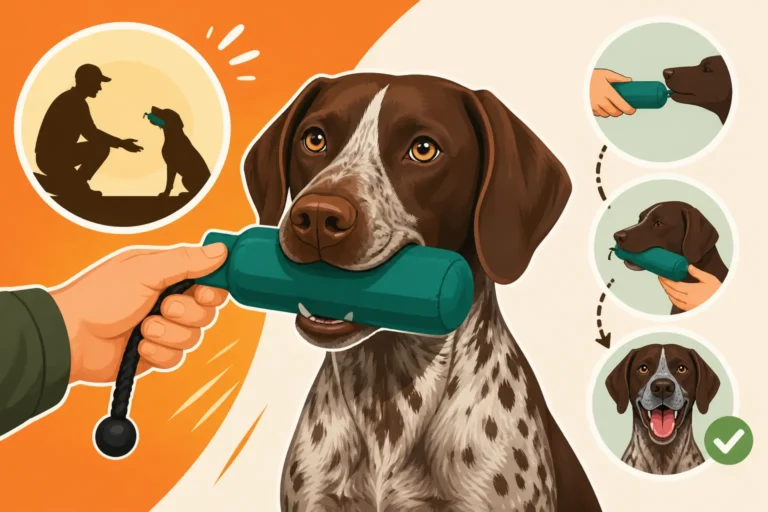
Let's clear the air: force fetch, when properly executed, is not about inflicting pain or being cruel to your dog. Far from it. At its heart, force fetch is a classical conditioning method that teaches a dog to take an object into its mouth, hold it, and deliver it to hand on command, regardless of distractions or the dog's mood. It's about building a clear, unequivocal understanding that "fetch" isn't a suggestion or a game, but a mandatory command with a specific sequence of actions.
The "force" in force fetch refers to the compulsion or pressure applied, which is immediately released the instant the dog performs the desired action. It’s a system of applying mild, consistent pressure and then promptly removing that pressure as a reward for compliance. This teaches the dog that by doing what is asked, they can turn off the discomfort. This method builds a foundation of reliability that purely motivational training, which relies solely on the dog's desire, often cannot achieve. It establishes a clear line of communication where the dog learns to obey even when its natural inclinations might be elsewhere. The goal is to build a dog that wants to retrieve, but also must retrieve, thereby ensuring a reliable outcome every time. Force Fetch Explained for a Shorthair Owner details this process extensively.
The Core Principles: Ear Pinch, Toe Pinch, or Post-Fetch Hold
The various techniques within force fetch all operate on the same principle: applying mild, escalating pressure until the dog complies, then immediately releasing that pressure. The most common methods involve the ear pinch, the toe pinch, or focused work on the "hold" command.
- Ear Pinch: This is often the most widely known and, when done correctly, highly effective method. The trainer gently but firmly pinches the dog's ear, starting with minimal pressure. As the "fetch" command is given, the pressure increases until the dog opens its mouth and takes the bumper. The instant the dog takes the bumper, the ear pinch is released. The dog quickly learns that "fetch" means "take the bumper, and the ear pinch stops." It's crucial that the pressure is light at first and only increased gradually as needed, never causing injury. The goal is discomfort, not pain.
- Toe Pinch: Similar to the ear pinch, this method uses pressure on the dog's toe. When the "fetch" command is given, gentle pressure is applied to a toe, increasing until the dog takes the bumper, at which point the pressure is immediately released. Some trainers prefer this method as it's less visible and can be less intimidating for the dog or owner, but the principle of pressure and release remains identical.
- Post-Fetch Hold: This technique focuses heavily on teaching the "hold" command after the dog has already picked up the bumper. The dog is taught to hold the bumper for progressively longer periods, often while the trainer gently pushes up on the bumper to apply mild, opposing pressure. If the dog drops the bumper, the pressure is reapplied or the "hold" command is repeated until the dog resumes holding. This is critical for ensuring the dog doesn't drop the bird on the way back or just at your feet. Teaching a Shorthair to Deliver a Bird to Hand is a direct follow-on from this stage.
No matter which specific pressure point is used, consistency is paramount. Short, frequent sessions (5-10 minutes, 2-3 times a day) are far more effective than long, drawn-out sessions that can lead to frustration for both dog and handler. The trainer's timing is everything: the release of pressure must be instantaneous with the dog's compliance, so the dog clearly associates its action with the cessation of discomfort. This clear cause-and-effect is what solidifies the retrieve command.
The Step-by-Step Journey of Force Fetch Training
Embarking on force fetch training with your German Shorthaired Pointer is a journey that requires patience, consistency, and a clear understanding of each step. It's a methodical process, building one skill upon another, ensuring that your GSP develops a deep, unwavering understanding of the retrieve command.
The Table/Barrel Phase: Introducing the Concept
The training typically begins on an elevated surface like a sturdy table or a barrel. This isn't just for convenience; it serves a crucial purpose: control. By placing your GSP on an elevated surface, you limit their ability to move away, preventing them from escaping the lesson. This also puts you, the trainer, in a dominant but calm position, allowing for precise application and release of pressure. The first few sessions are all about introducing the concept of "take it" under pressure.
You'll start by having your GSP stand comfortably on the table. With a retrieve bumper or a soft dummy (perhaps one from Amazon that's easy for them to grip), you'll present it to their mouth while giving the "take it" command. Simultaneously, you'll apply gentle pressure using your chosen method, be it an ear pinch or a toe pinch. The moment your GSP opens its mouth and takes the bumper, the pressure is immediately released. You'll then gently hold the bumper in their mouth for a few seconds, praising them softly, before giving the "give" or "release" command and taking the bumper. The key here is repetition and instant reward (the release of pressure) for compliance. Initially, your GSP might resist, shake its head, or even try to spit the bumper out. Your job is to calmly and consistently reapply the pressure until they hold it again, always releasing the instant they comply. These early sessions are short, just a few minutes each, to prevent mental fatigue and build a positive association with the process, even if it feels a little strange at first.
The "Hold" Command and Controlled Delivery
Once your GSP consistently takes the bumper into its mouth on command, the next critical phase is teaching the "hold" command. It's not enough for them to just pick it up; they must hold it securely until you tell them to release it, and deliver it directly to your hand. This is where many natural retrievers fall short, often dropping the item at their feet or engaging in a game of keep-away. This stage ensures a clean, confident delivery.
You'll continue to work on the table. After your GSP takes the bumper on command, you'll immediately give the "hold" command. Gently secure their muzzle with one hand or place gentle upward pressure on the bumper with your other hand to remind them not to drop it. Start with just a few seconds, gradually increasing the duration. If they drop it, you'll calmly reapply the pressure (ear or toe pinch) and the "take it" command, then immediately transition back to "hold" once the bumper is in their mouth. The goal is for your GSP to stand there, holding the bumper steadily, for extended periods – a minute or two is a good target. Only once they are holding reliably do you introduce the "give" or "release" command, taking the bumper directly from their mouth. This teaches them that the retrieve isn't complete until the item is in your hand. This systematic approach helps prevent a Shorthair from mouthing birds hard by teaching precise control over jaw pressure.
Expanding to Different Locations and Objects
With a solid foundation established on the table, it's time to generalize the retrieve. This means taking the training off the table and into various environments, and introducing different retrieving objects. Your GSP needs to understand that "fetch" and "hold" mean the same thing whether they are in the kitchen, the backyard, or a vast field.
Start by working on the ground in a quiet, familiar area, such as your garage or a fenced yard. Gradually introduce mild distractions, like another person walking by or a distant sound. Maintain the same consistent pressure-and-release system. Once they are reliable in these settings, move to more challenging environments like open fields, near water, or in light cover. Simultaneously, begin introducing different textures and weights of retrieving objects. Start with soft, lightweight dummies, then move to heavier, firmer ones. Eventually, you'll introduce actual game birds – starting with dead, cold birds, then perhaps frozen birds, and finally, fresh dead birds. The scent of a real bird can be a powerful motivator, but also a distraction if the force fetch foundation isn't solid. You want to ensure that whether it’s a canvas bumper from Amazon or a pheasant, the dog understands the retrieve sequence is non-negotiable. Remember, Force Fetch Timing for a German Shorthaired Pointer is important throughout all these stages – short, positive sessions are key.
Common Challenges and Troubleshooting in Force Fetch
Force fetch, while highly effective, is not without its hurdles. It requires a significant investment of time and patience from the handler. It’s normal to encounter resistance or hit plateaus during the process. Understanding these common challenges and knowing how to troubleshoot them will be vital for your success with your German Shorthaired Pointer.
Resistance and Understanding the "Breakdown"
It's almost guaranteed that at some point, your GSP will resist. They might shake their head vigorously, spit out the bumper repeatedly, whine, or even try to lay down. This isn't defiance in the human sense; it's simply a dog processing a new, slightly uncomfortable situation. They are learning that their usual tactics (dropping the item, ignoring the command) no longer work to make the pressure stop. This is often referred to as a "breakdown" in the training, and it's a crucial part of the learning curve.
When your dog resists, it's vital to remain calm, consistent, and patient. Do not get angry or frustrated. Anger only adds confusion and fear to the process. Instead, calmly reapply the pressure and the command ("take it" or "hold") until they comply, releasing the pressure immediately. If they spit it out, put it back in and reapply the pressure. The session might become a bit longer during these moments, but you absolutely cannot give up until they hold the bumper, even for a second, and you can release the pressure. Giving up rewards the resistance and teaches your dog that if they resist long enough, they win. Keep sessions short and focused, usually no more than 10-15 minutes, to prevent mental and physical exhaustion. If you feel yourself getting frustrated, take a break. Your mood directly impacts your dog's ability to learn.
Avoiding "Hard Mouth" and Maintaining a Soft Retrieve
One of the greatest fears about force fetch is that it might create a "hard mouth," causing the dog to bite down or chew the retrieved item more forcefully. While this can happen if force fetch is done incorrectly, the method itself is designed to prevent a hard mouth by teaching precise control. A hard mouth typically develops from frustration, pain, or a lack of understanding.
To avoid a hard mouth:
- Use appropriate pressure: The pressure applied (ear or toe pinch) should be uncomfortable, but never painful or injurious. It's about compulsion, not causing harm.
- Instantaneous release: The moment your GSP takes or holds the bumper correctly, the pressure must be released immediately. This rapid feedback is how they learn what stops the discomfort.
- Positive reinforcement for soft holds: Extensively praise and offer gentle pats when your dog holds the bumper softly. You can even gently try to pull the bumper from their mouth during a hold; if they increase pressure, teach them to maintain a gentle, steady grip.
- Appropriate bumpers: Start with softer, more forgiving bumpers. As they progress, introduce various textures. If you notice them chewing or biting, go back to basics, reinforcing the "hold" command with softer materials. Address A German Shorthaired Pointer That Mouths Birds Hard directly by refocusing on the "hold" command with gentle pressure.
- Professional guidance: If you're struggling, consider a few sessions with a professional force fetch trainer. They can identify subtle issues in your technique that might be contributing to a hard mouth.
The Timelines and Expectations for Force Fetch Success
It’s easy to get discouraged if your GSP isn’t picking up force fetch as quickly as you hoped. It's important to set realistic expectations. There’s no exact timeline, as every German Shorthaired Pointer is an individual, with their own temperament, prior experiences, and learning pace. Some GSPs might grasp the basics in a week or two, while others may take a month or more to become consistently reliable in the initial stages.
Generally, the table/barrel phase, teaching "take it" and "hold," might take 1-3 weeks of daily, short sessions. Moving off the table and generalizing to various environments and objects could add another 2-4 weeks. Then, integrating real birds and proofing under heavy distraction will be an ongoing process throughout their field career. Don't rush it. Trying to speed up the process by increasing pressure or prolonging sessions will likely backfire, creating a stressed and resistant dog. Celebrate small victories: the first time they take the bumper without a fight, the first time they hold it for 10 seconds, the first time they deliver to hand without dropping it. Consistency, patience, and positive reinforcement for compliance are your greatest allies. Remember, Force Fetch Timing for a German Shorthaired Pointer emphasizes that it's a marathon, not a sprint.
Integrating Force Fetch into a GSP's Overall Field Training
Force fetch isn't a standalone trick; it's a foundational skill that elevates every other aspect of your German Shorthaired Pointer's field work. Once established, this reliable retrieve becomes an invaluable asset, transforming a good hunting dog into an exceptional one. The real magic happens when you start applying this disciplined retrieve to real-world hunting scenarios.
From Bumper to Bird: Applying Force Fetch to Real Game
The transition from training bumpers to actual game birds is a pivotal moment in your GSP’s training. You’ve built the muscle memory and understanding with inanimate objects, but the scent, texture, and weight of a real bird present new variables. Many GSPs have a strong natural prey drive, but some can be hesitant or even a little scared of a dead bird at first. This is where your force fetch foundation shines.
Start by introducing a fresh, dead bird (a pigeon or quail is often a good size) in a controlled environment. Hold the bird by the body, present it to your dog, and give your "take it" command. If your GSP hesitates, apply the same light pressure (ear or toe pinch) you used with the bumpers. The dog will quickly realize that the command means the same thing, regardless of the object. Praise them heavily for taking and holding the bird. Practice holding the bird for increasing durations, and then delivering it to hand. Once they are comfortable with static dead birds, move to throwing dead birds for retrieve. Gradually increase the distance and the level of cover. The ultimate goal is for your GSP to retrieve a freshly shot bird from the field with the same enthusiasm and reliability they showed with a bumper on the training table. This is where the initial work pays off, ensuring a confident, consistent retrieve of actual game. You can find quality training birds or dummies online at Amazon to help with this transition.
Water Retrieves With a German Shorthaired Pointer
German Shorthaired Pointers often love the water, but retrieving from water can present unique challenges. Cold water, strong currents, decoys, and the sheer physicality of swimming with a bird can test even a willing retriever. A GSP might be eager to jump in, but hesitant to grab a cold, wet bird, or might drop it once they reach shore. Force fetch ensures compliance even when the conditions are less than ideal. Water Retrieves With a German Shorthaired Pointer are an area where this reliability is paramount.
Introduce water retrieves incrementally. Start in shallow water where your GSP can still touch bottom, throwing a bumper a short distance. Gradually increase the depth and distance. Once they are consistently retrieving bumpers from water, introduce dead birds, following the same steps as with land retrieves. The force fetch training means that even if your dog hesitates due to the cold or the unfamiliar feel of a wet bird, they understand the command to retrieve is non-negotiable. You can also work on Teaching a Shorthair to Enter Water Willingly as a separate but complementary skill, ensuring they don't just retrieve from water, but eagerly enter it. The discipline ingrained by force fetch helps them push through discomfort to complete the task.
Maintaining the Retrieve Skill Throughout a GSP's Life
Force fetch isn't a "one-and-done" training method. Like any skill, it needs maintenance and reinforcement throughout your German Shorthaired Pointer's life. Without occasional practice, even the most ingrained habits can weaken. Regular refresher sessions will ensure that your GSP's retrieve remains sharp, reliable, and enthusiastic year after year.
In the off-season, continue to incorporate retrieve work into your daily routine. This doesn't have to be formal force fetch sessions; simply making sure your dog consistently delivers toys or bumpers to hand on command is usually enough. Periodically, reintroduce a dead bird for a few retrieves. Before hunting season begins, engage in more focused tune-up sessions, including retrieving from various terrains and water. This prevents the retrieve from deteriorating and keeps your GSP conditioned and mentally prepared. A reliable retrieve isn't just about bringing back game; it’s also a safety measure. Imagine if your dog retrieved a dropped phone or keys from a dangerous location. The confidence a consistently reliable retrieve instills in both dog and handler makes every outing, whether hunting or just playing, more enjoyable and stress-free.
Alternatives and When to Seek Professional Help
While force fetch offers an unparalleled level of reliability for a German Shorthaired Pointer's retrieve, it's not the only approach, and it's certainly not for everyone. Understanding alternative methods and knowing when to call in a professional can make all the difference in achieving your training goals.
Positive-Only Retrieve Methods: Pros and Cons
Many GSP owners begin their retrieve training journey with purely positive reinforcement methods, and for a pet German Shorthaired Pointer, this can often be sufficient and highly rewarding. These methods focus on building immense desire and enthusiasm for retrieving by making it the most fun and rewarding activity possible.
Pros of Positive-Only Retrieve:
- Builds Strong Desire: By consistently pairing retrieving with high-value rewards (treats, enthusiastic praise, tug-of-war, more throws), dogs often develop an intense passion for the game.
- Minimizes Stress: Since there's no pressure or compulsion involved, the training environment is typically very low-stress for the dog.
- Great for Pet Dogs: For GSPs whose primary role is a family companion and occasional playmate, a desire-based retrieve might meet all the household's needs. Whether Force Fetch Is Necessary for a Pet Shorthair is a common query related to this.
Cons of Positive-Only Retrieve:
- Lack of Reliability Under Pressure: The biggest drawback is inconsistency. When distractions are high, motivation is low (e.g., cold water, difficult terrain), or the dog simply isn't "feeling it," the retrieve can break down. The dog retrieves on its terms.
- Difficult to Proof: It's challenging to proof a purely positive retrieve against all real-world scenarios, particularly in hunting situations where compliance is critical for safety and success.
- No Guarantee of Delivery to Hand: A dog might enjoy bringing the item back but then drop it a few feet away, or play keep-away, because they haven't been taught that delivery to hand is a required part of the command.
For many hunters or those who need an absolute, unwavering retrieve, the potential inconsistencies of positive-only methods lead them to explore more formal compulsion-based techniques like force fetch.
When to Hire a Professional Dog Trainer
Deciding when to bring in a professional for your German Shorthaired Pointer's retrieve training, particularly for something as intricate as force fetch, is a crucial decision. There are several clear indicators that professional help might be your best option.
- You're Hitting a Wall: If you've been working on retrieve for weeks or months, either with positive methods or attempting force fetch, and you're not seeing consistent progress, a trainer can offer an objective perspective. They can identify subtle errors in your technique, timing, or body language that you might be unaware of.
- Lack of Confidence: Force fetch requires confidence and consistency. If you feel hesitant about applying pressure, are inconsistent in your timing, or simply don't feel knowledgeable enough to proceed, a professional can provide hands-on guidance or even train your dog for you. Mishandling force fetch can indeed create a hard mouth or a fearful dog, so if you're unsure, it's best to seek expertise.
- Specific Behavioral Issues: If your GSP is showing significant resistance, fear, or aggression during retrieve training, a professional can diagnose the underlying cause and develop a tailored approach. For example, if your dog is A Shorthair That Drops the Bird Short or A German Shorthaired Pointer That Mouths Birds Hard, a trainer can precisely correct these issues.
- Time Constraints: Force fetch demands consistent, daily commitment. If your schedule doesn't allow for the necessary time investment, a board-and-train program with a reputable trainer can be a highly effective solution. They can lay the foundation, and then teach you how to maintain the skills when your dog returns home.
- Seeking Advanced Skills: For those aiming for advanced field work, hunt tests, or field trials, a professional trainer can take your GSP's retrieve beyond basic compliance to nuanced handling and specialized retrieves (e.g., blind retrieves, multiple retrieves).
When looking for a professional, seek out trainers with extensive experience specifically with German Shorthaired Pointers and force fetch. Ask for references, watch them work with other dogs, and ensure their philosophy aligns with humane and effective training practices. Organizations like NAVHDA (North American Versatile Hunting Dog Association) or local GSP clubs often have lists of recommended trainers. Investing in professional guidance, whether it's a few private lessons or a full board-and-train program, can save you countless hours of frustration and ensure your German Shorthaired Pointer develops into the reliable, confident retriever you envision. Understanding Pro Trainer Rates by the Month for a Shorthair can help you budget for this invaluable investment in your dog's future. You might also want to investigate What a Professional Trainer Charges to Start a Shorthair on Birds to get a clearer picture of specialized training costs.
Training Gear for a Reliable Retrieve
Just like any skilled endeavor, successful retrieve training for your German Shorthaired Pointer benefits greatly from having the right tools. While you don't need a warehouse full of gadgets, a few key pieces of equipment can make the process smoother, more effective, and even safer for both you and your GSP.
Essential Training Tools for Force Fetch
When embarking on force fetch, the right gear helps you maintain control, provide clear communication, and keep your GSP engaged. These items are typically quite affordable and easily accessible.
- Training Table or Barrel: As discussed, an elevated surface is foundational for early force fetch work. A sturdy, non-slip table (like a grooming table) or a stable barrel provides the necessary control and eliminates escape routes, allowing your GSP to focus solely on the task at hand. Ensure it's stable enough that your dog feels secure, and ideally, has a non-slip surface or mat to prevent accidents.
- Retrieve Bumpers/Dummies: You’ll need a variety of retrieve objects.
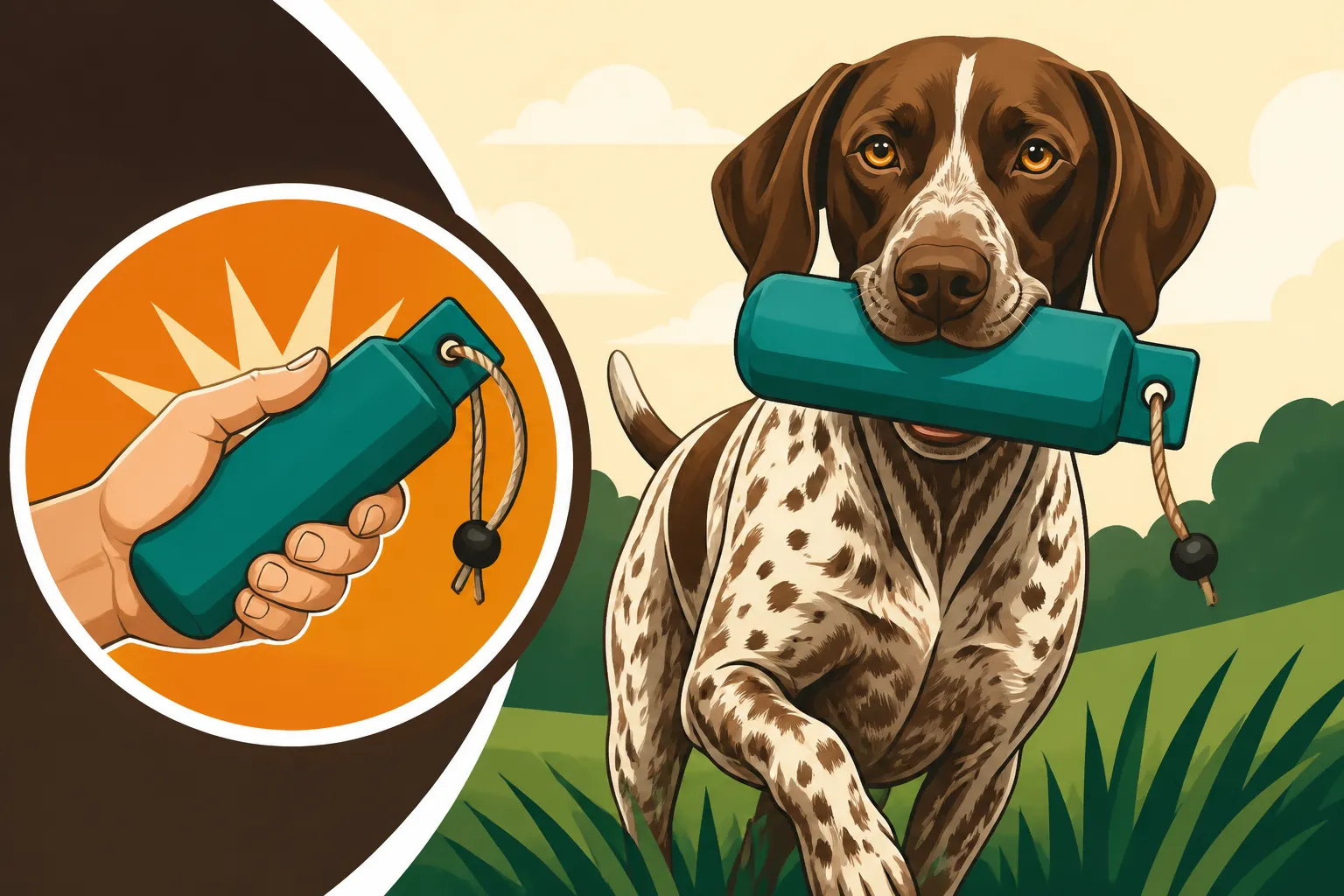
- Plastic/Rubber Bumpers: These are durable, easy to clean, and float well. They come in various sizes and colors. White or black are often used for land work, while orange is great for visibility in cover, and white or black can be used on water. Brands like Dokken's Dead Fowl Trainers are popular for their realistic feel and scenting capabilities. You can often find a good selection of these on Amazon.
- Soft Dummies: Initially, a soft canvas or rope dummy can be less intimidating for a dog learning to hold. These can also be scented to acclimate your GSP to game bird smells.
- Dead Fowl Trainers: These realistic dummies simulate the body shape, weight, and feel of actual birds. They are excellent for transitioning from plastic bumpers to real game. They often have hard plastic bodies with soft heads and feet, making them more challenging to pick up and hold correctly, preparing your dog for real birds.
- Check Cord: A long, lightweight rope (15-30 feet) is indispensable for extending your control during early stages of off-table retrieve work. It allows you to gently guide your GSP back to you if they hesitate or get distracted, reinforcing the "come" command alongside the retrieve. This is especially useful when proofing the retrieve in an open field, ensuring they don't simply run off with the bumper.
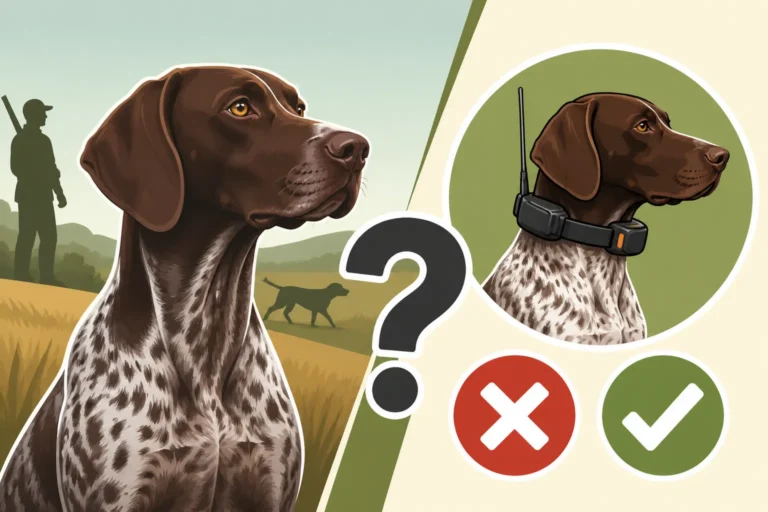
- Training Collar (E-collar/Remote Collar): While often controversial, an e-collar is a powerful tool for teaching reliable retrieve at a distance and under heavy distraction, especially for a hunting GSP. It provides a means of applying consistent, remote pressure to reinforce commands. Crucially, it must be introduced properly and gently, ideally with the guidance of a professional trainer. It's never used to punish, but rather to reinforce commands and provide clear communication. Many reputable trainers use e-collars as a precise, low-level communication device rather than a harsh corrective tool.
- Whistle: A pea-less whistle is essential for field work and can be integrated into your retrieve training. It allows for consistent, far-reaching commands, which is vital when your GSP is ranging ahead or retrieving from a distance. You can teach a "fetch" whistle command or a "come" whistle command to recall them with the retrieve.
Investing in Quality and Safety
When selecting training gear, especially for a strong, energetic breed like the German Shorthaired Pointer, prioritize quality and safety.
- Durability: GSPs can be tough on their gear. Invest in durable bumpers, strong check cords, and a robust training table that won't break or collapse. This prevents interruptions in training and ensures your investment lasts.
- Fit and Comfort: For e-collars, ensure proper fit to avoid skin irritation. Check cords should be lightweight to avoid dragging down your dog or causing discomfort. Any vest or harness used during training should allow for full range of motion.
- Scenting Supplies: To further enhance the transition from bumper to bird, you can purchase game bird scents (pheasant, duck, quail) that can be applied to your retrieve dummies. This helps your GSP associate the scent of game with the act of retrieving, making the real thing less of a surprise.
- First-Aid Kit: When working in the field, always have a basic first-aid kit on hand for your dog. Accidents can happen, and being prepared for minor cuts, scrapes, or other field injuries is paramount.
By carefully selecting and properly using these training tools, you can create a structured, effective, and ultimately rewarding retrieve training program for your German Shorthaired Pointer. Remember, the tools are only as effective as the hands that wield them, so consistency, patience, and good technique remain your most important assets.
Disclaimer
This article is for general informational purposes only and does not constitute professional advice. Laws, prices and regulations vary by location and change over time. Consult a qualified professional for guidance on your specific situation.