Building a Shorthair’s Gun Tolerance From a Distance
It's an utterly heartbreaking experience for any German Shorthaired Pointer owner: you’ve got this brilliant, high-drive dog, bred for the field, and then the sound of a gun turns them into a quivering mess. The dream of hunting together, or even just enjoying a day at the range, feels completely out of reach. This guide is all about building that crucial gun tolerance in your shorthair, focusing on a gradual, positive approach that starts with distance and confidence.
Understanding Gun Sensitivity in Shorthairs
German Shorthaired Pointers are, by their very nature, bred to work closely with humans, often in environments where gunshots are a routine part of the activity. Yet, despite this strong genetic predisposition for fieldwork, not every GSP is born with an innate acceptance of loud noises, particularly gunfire. It’s a common misconception that because they are "gun dogs," they'll automatically be unfazed. The reality is, just like people, dogs have individual temperaments and past experiences that shape their reactions.
Why Some Shorthairs Are Gun Shy
Gun shyness isn't a moral failing on your dog's part, nor is it necessarily a reflection of poor breeding, though genetics can certainly play a role. Sometimes, it’s a dog with a more sensitive nervous system, perhaps inheriting a predisposition for anxiety or reactivity to sudden, loud sounds. Think about it: a gun is a sudden, concussive boom, often accompanied by a flash and the smell of gunpowder. To a dog, it can be a terrifying, unpredictable event if not introduced correctly.
Often, gun shyness develops from a negative first experience. Maybe a well-meaning but misguided trainer fired a shotgun too close to a young, unprepared pup. Or perhaps the dog was accidentally exposed to a loud noise (like fireworks or a car backfiring) during a sensitive developmental period, creating an association between sudden loud noises and fear. Even an adverse reaction to a seemingly minor event, like dropping a heavy pan in the kitchen, can start to lay the groundwork for a sound sensitivity that can then be exacerbated by gunfire. The critical thing is to understand that it’s a learned fear or an inherent sensitivity, not a flaw in their character.
Recognizing the Early Signs of Fear
Before we even talk about desensitization, it's crucial to be able to read your German Shorthaired Pointer's body language. They don't speak English, but their bodies tell us volumes. Early signs of fear or anxiety around sounds can be subtle and might easily be missed if you're not paying close attention. This isn't just about full-blown panic where they're trying to bolt; it's about the small signals that indicate discomfort.
A dog that's starting to feel uneasy might flatten its ears, tuck its tail slightly, or duck its head. You might notice them yawning excessively, licking their lips, or turning their head away from the sound source. They might suddenly become very still, or conversely, start moving frantically, sniffing the ground intently (a displacement behavior), or trying to get closer to you for comfort. Some might even shiver slightly, pant heavily when it's not warm, or pace. When you see these cues, it's their way of telling you, "Hey, this is too much for me right now." Ignoring these early warnings and pushing them further into a scary situation is a surefire way to solidify gun shyness. Early recognition allows you to intervene, create distance, and prevent a negative association from forming. Reading a German Shorthaired Pointer's Stress Signals can help you interpret these cues.
The Foundation: Early Sound Desensitization
Building gun tolerance isn't about throwing your dog into the deep end. It's about laying a solid foundation of positive experiences with sounds, long before a real gun enters the picture. Think of it as building a robust mental toolkit for handling sudden noises. This process should ideally start when your German Shorthaired Pointer is a young puppy, but it's never too late to begin, even with an adult dog showing some sensitivity.
Starting with Everyday Noises
Your home and neighborhood are actually fantastic training grounds for sound desensitization. The goal here is to create a positive association with a variety of everyday noises, gradually increasing their intensity and unpredictability. Start simple: the clatter of pots and pans, the vacuum cleaner, the doorbell ringing, a dropped book, the washing machine cycle. These aren't gunshots, of course, but they help your puppy learn that sudden noises aren't inherently dangerous.
When a sound occurs, react calmly and positively. If your puppy startles, don't rush to comfort them with an overly anxious tone, as this can inadvertently reinforce their fear. Instead, make a happy noise, toss a treat, or engage them in a quick game of tug. "Oh, what was that? Let's get a cookie!" is a much better response than "Oh my poor baby, it's okay, it's okay," which can inadvertently teach them there was something to be scared of. The idea is to pair startling sounds with something wonderful, building a positive emotional response rather than a fearful one. Make these noises part of your daily routine and try to always have high-value treats on hand for spontaneous positive reinforcement.
Using Sound Apps and Recordings
Once your German Shorthaired Pointer is comfortable with routine household sounds, you can strategically introduce more specific, potentially alarming noises, including recordings of gunshots. There are many apps and online resources available that provide various sound effects, including distant gunshots, thunder, and fireworks. This controlled environment allows you to manage the volume and duration, which is key to successful desensitization.
Start with the volume so low you can barely hear it, playing it faintly in the background while your dog is happily engaged in a favorite activity, like eating a meal or playing with a beloved toy. The goal is for the sound to be so subtle it barely registers. Over days and weeks, very gradually increase the volume, ensuring your dog remains calm and happy. If you see any of those subtle stress signals we discussed, you've gone too far, too fast. Dial the volume back down immediately and proceed more slowly. You can find excellent quality sound machines or speakers on Amazon to help with this. Pair these sounds with high-value treats and praise. The goal is to build an association: sound equals good things!
Gradual Introduction to Gunfire: The Distance Method
This is where the "from a distance" part of our guide really comes into play. Once your German Shorthaired Pointer has a solid foundation in general sound desensitization, and crucially, shows no signs of fear even with moderately loud recordings, you can begin introducing actual gunfire. The distance method is about control, patience, and ensuring every step is a positive, confidence-building experience.
Establishing Safe Distances
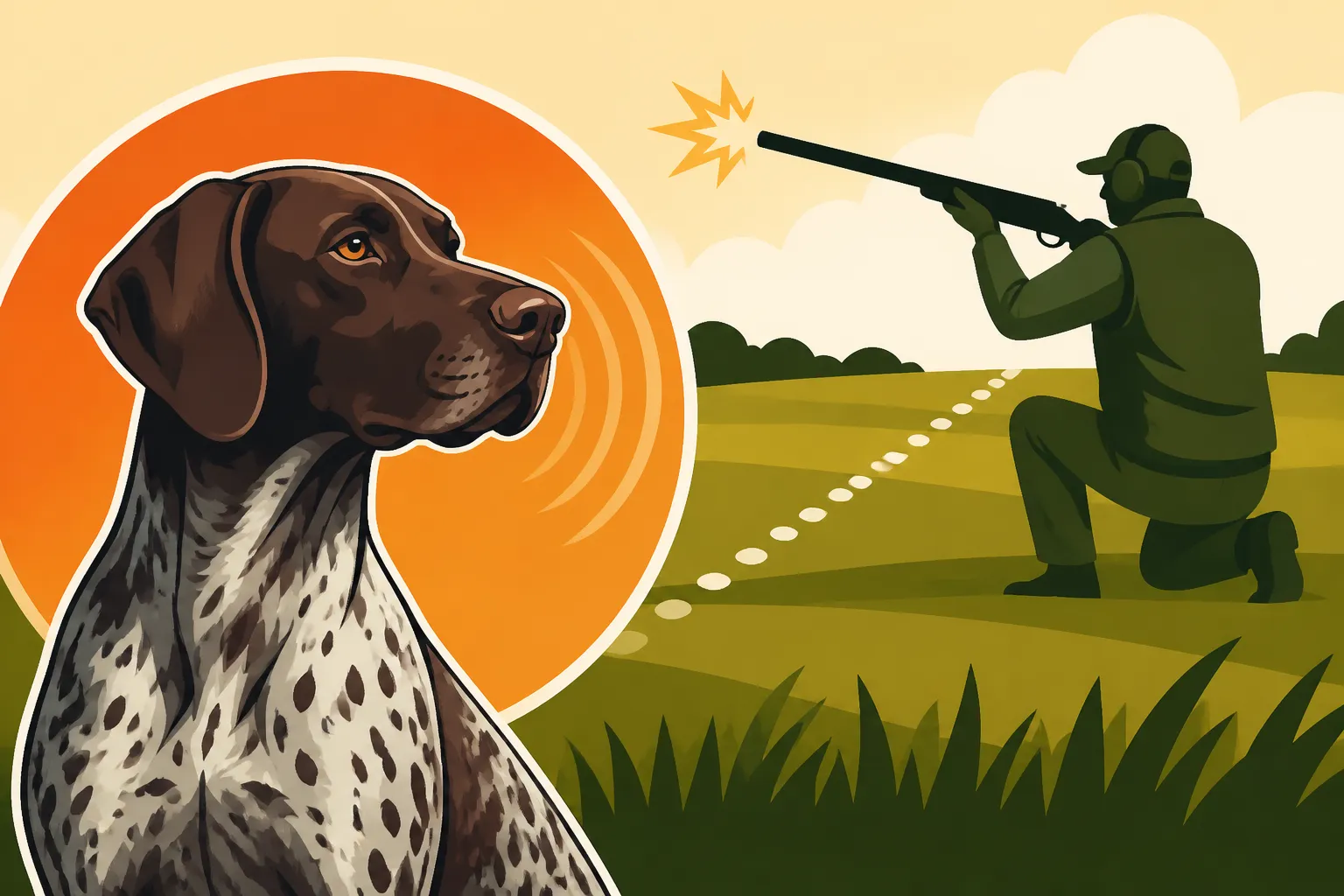
The golden rule here is: start much further away than you think you need to. For a truly sensitive dog, this might mean having someone fire a cap pistol or starter pistol a quarter of a mile away, or even further, depending on environmental factors like wind and terrain. The sound should be barely audible to your dog, a mere whisper that they might notice but don't react negatively to. This isn't about testing their limits; it's about gently expanding their comfort zone.
Choose a quiet, low-stress environment for these initial sessions – perhaps a large open field where you can control distractions. Your dog should be on a long line, happily engaged in something they love, like retrieving a bumper or sniffing out treats in the grass. The distant shot occurs while they are focused on this positive activity. The moment the shot sounds, immediately reward them with their favorite high-value treat and enthusiastic praise. The shot should signify, "Great things are happening!" You can refer to How Far From a Shorthair to Fire the First Shot for more nuanced understanding of distance.
Pairing Sound with Positive Experiences
This step is critical and goes hand-in-hand with establishing safe distances. The distant gunfire must always be associated with something overwhelmingly positive for your German Shorthaired Pointer. We're conditioning them to anticipate good things when they hear a shot. This isn't just about giving a treat after the shot; it's about integrating the sound into an enjoyable activity.
Think about what your Shorthair loves most: maybe it's chasing a thrown dummy, playing tug, or getting belly rubs. During your distant gun sessions, have them perform these activities. For instance, throw a dummy, and as they are retrieving it, have the distant shot fired. As they return, lavish them with praise and treats. If you're working on basic obedience, a distant shot can happen while they're in a perfect "whoa" stay, followed by immediate release and reward. The shot becomes a signal for an upcoming reward or a continuation of fun. This systematic pairing is how you reprogram their emotional response from fear to anticipation. Companies like BAXTER & Bella offer online programs that emphasize positive reinforcement and confidence-building for puppies, which can be an excellent resource for shaping these early positive associations.
Controlled Scenarios with Blanks and Wings
Once your GSP is consistently calm and happy with distant, low-volume cap pistol shots, you can gradually move to slightly louder sounds and closer distances, always observing for any signs of discomfort. The progression should be painstakingly slow. Next, you might introduce a blank pistol, still at a significant distance. Again, the focus is on a calm, positive experience.
Eventually, as your dog’s confidence grows, you can start incorporating these sounds into actual bird work, but still in a highly controlled manner. Many trainers start with a "wing on a string" or a launcher with a bird wing or feather, introducing the visual of the bird first, then a distant shot as the dog becomes absorbed in the hunt. The excitement of the prey drive can help override any lingering apprehension about the sound.
Here’s a general progression for increasing gun proximity and volume:
| Stage | Sound Source | Distance (Initial) | Activity/Goal | Key Observation |
|---|---|---|---|---|
| 1. Early Desensitization | Household Noises | Varies (indoors) | Daily life, play, feeding | No startle, calm continuation of activity |
| 2. Controlled Exposure | Sound Apps/Recordings | Varies (adjustable volume) | Play, feeding, training sessions | Calm, happy, no stress signals |
| 3. Distant Introduction | Cap Pistol/Starter Pistol | 1/4 mile + | Focused play (retrieves), brief obedience | Notices sound, immediately seeks reward/fun |
| 4. Closer Blanks | Blank Pistol (low cal) | 100-200 yards | Bird work (wing on string), focused retrieves | Engaged in activity, takes reward calmly |
| 5. Closer Shotgun | Shotgun (low load) | 75-100 yards | Live bird work (launched birds), steadying | Remains steady, retrieves eagerly |
| 6. Field Integration | Full Power Shotgun | Field distances | Hunting scenarios, multi-dog work | Confident, focused on hunt, unfazed by shots |
Remember, this is a general guideline. Your dog dictates the pace. If at any point your Shorthair shows fear, you must immediately retreat to an earlier, more comfortable stage. Whether a Shorthair Hears a Blank Pistol or a Shotgun First is an important consideration for this stage.
Addressing Setbacks and Fear Responses
Even with the most careful planning, sometimes things don't go perfectly. A loud, unexpected noise, an accidental close shot, or even an off day for your German Shorthaired Pointer can cause a setback. This isn't the end of your hunting dreams; it's a signal to reassess and adjust your approach. Panic or frustration on your part will only make things worse.
Identifying the Triggers for Regression
A setback can manifest as a sudden return to earlier fear behaviors, or it might be a subtle reluctance to engage in activities where guns might be present. The key is to figure out what caused it. Was there an unplanned loud noise that spooked them? Did you, perhaps unknowingly, push too far, too fast in a training session? Maybe you introduced a new element, like a new training location or a new person firing the gun, which changed the context for your dog.
Sometimes, it's not even directly related to guns. A physical discomfort, an illness, or even general anxiety from an unrelated stressor can lower a dog's overall tolerance for things they might usually handle well. For example, if your GSP is feeling under the weather, their threshold for loud noises might significantly drop. Take the time to observe and analyze the situation carefully, trying to pinpoint the exact moment or circumstance that led to the regression. Signs a German Shorthaired Pointer Has Gone Gun Shy can offer further insight into recognizing these deeper issues.
Steps to Rebuild Confidence
If your German Shorthaired Pointer experiences a setback, the most important thing is to never punish them for showing fear. Fear is an emotional response, not a disobedience issue. Instead, you need to go back to basics, returning to a level of comfort where they were previously confident. This means increasing the distance from the gun, lowering the volume, or even going back to sound recordings in a controlled indoor environment.
The process of rebuilding confidence often involves a lot of "overshadowing" – pairing the slightly-scary noise with an even more powerful positive reward. Use their absolute favorite treats, a highly exciting game, or a toy they go crazy for. Make sure the gun sound is incredibly faint and distant, so it's barely noticeable over their enjoyment. Think of it as slowly filling their "confidence bucket" back up. Every positive, low-stress interaction with the sound helps to replace the negative association. It takes patience, consistency, and a strong commitment to your dog's emotional well-being. Sometimes, consulting with a professional trainer who specializes in gun dog work or behavior modification can provide invaluable guidance. Fixing a Gun Shy German Shorthaired Pointer provides more detail on recovering from gun shyness.
Common Mistakes to Avoid
When it comes to building gun tolerance in your German Shorthaired Pointer, there are definitely pitfalls that can derail your progress or, worse, create deep-seated fear. Understanding and actively avoiding these common mistakes is as important as knowing what to do.
Rushing the Process
This is, by far, the most common and damaging mistake. We're often eager to get our GSPs out into the field, showing off their natural abilities. But pushing a dog too quickly with gun introduction can have disastrous consequences, turning a potentially confident gun dog into a gun-shy wreck. Remember, every German Shorthaired Pointer is an individual. What works quickly for one might be far too fast for another.
Trying to cram gun introduction into a single weekend, or drastically shortening the distances before your dog is truly solid at the current stage, is a recipe for disaster. This isn't a race. Each step needs to be fully solidified and associated with positive feelings before moving on. If your dog is consistently showing signs of stress, no matter how subtle, it means you need to slow down, increase distance, or re-evaluate your approach. The temptation to rush because "he's a GSP, he should be fine" can ruin a dog's potential. Be patient; the long-term rewards are worth it.
Ignoring Subtle Cues
As discussed earlier, dogs communicate through body language, and their fear responses can be incredibly subtle at first. Head turns, lip licking, excessive sniffing, a slight tail tuck, or even just a hesitation in their stride can all be early warning signs that your Shorthair is feeling uncomfortable. A common mistake is to overlook these nuanced signals because they aren't as dramatic as a full-blown panic attack.
The thought process might be, "He didn't bolt, so he's fine!" But if you ignore these smaller cues, you're missing your dog's plea for help. Pushing past these signals can lead to a "flooding" experience, where the dog is overwhelmed and their fear is cemented. Always err on the side of caution. If you see any sign of unease, even a fleeting one, pull back immediately. Your German Shorthaired Pointer relies on you to be their advocate and to understand their world.
Beyond Gun Tolerance: Reinforcing General Steadiness
Building gun tolerance in your German Shorthaired Pointer is just one piece of the puzzle. For a truly confident, reliable gun dog, you need to integrate this training with a broader foundation of steadiness and control. A dog that is steady in general will be far more likely to handle the excitement and noise of the field.
The Importance of 'Whoa' and Steadiness
The "whoa" command is absolutely foundational for any German Shorthaired Pointer destined for the field, and it plays a significant role in gun tolerance. "Whoa" isn't just about stopping; it's about holding still, maintaining composure, and exhibiting self-control even amidst distractions. A dog that can reliably "whoa" and remain calm, focused on you, and in control of its impulses is much better equipped to handle the sudden sound of a gunshot.
Start teaching "whoa" long before you even think about guns. Begin in a calm, distraction-free environment, gradually adding distractions like thrown bumpers, rolling balls, and eventually, birds. The goal is for your Shorthair to remain rock-solid in its "whoa" position regardless of what's happening around them. This self-control translates directly to gun tolerance. If they can hold steady while a bird flushes or a dummy is thrown, they are building the mental fortitude needed to stay calm when a gun fires. The Age a Shorthair Puppy Starts Whoa is a great resource for beginning this essential training.
Integrating Fieldwork with Gun Training
Eventually, gun introduction needs to be seamlessly integrated into actual fieldwork. This means gradually combining the distant gunfire with increasingly realistic hunting scenarios. Initially, this might involve planting birds in a field and having a distant gun fired after your dog has locked onto a point, then rewarding heavily. The key is to leverage their natural prey drive. The thrill of finding and working a bird can often overshadow any lingering apprehension about the gun.
As your GSP becomes more confident, you can move to launched birds, where the shot is fired as the bird is launched, mimicking a true flush. Always ensure the shot is fired after the bird is in the air, not directly over the dog's head, which can be startling and dangerous. This structured integration helps your German Shorthaired Pointer understand that the gun is not a threat, but rather a signal that a bird has been shot and that their work (the retrieve) is about to begin. The ultimate goal is for the gun to become a cue that signifies the successful completion of the bird work and the start of the next exciting phase. This comprehensive approach ensures that your Shorthair isn't just tolerating guns, but actively associating them with the joy of the hunt.
Disclaimer
This article is for general informational purposes only and does not constitute professional advice. Laws, prices and regulations vary by location and change over time. Consult a qualified professional for guidance on your specific situation.