Chukar and Quail for a Young German Shorthaired Pointer
It's a common feeling, that mix of excitement and apprehension when you realize your energetic young German Shorthaired Pointer puppy is ready for its first real bird experiences. You know your pup has all that innate drive and talent, but how do you introduce them to game birds in a way that builds confidence and sharpens their natural instincts without overwhelming them or creating bad habits? This guide is here to help you navigate that crucial stage, showing you exactly why chukar and quail are often the best choices for early training, how to get and keep them, and a step-by-step approach to using them to mold a strong, confident bird dog.
Why Chukar and Quail Are Excellent Starter Birds
When you're first introducing a young German Shorthaired Pointer to game birds, the type of bird you choose can make a huge difference in how successful and positive that initial experience is. It's not just about getting any bird in front of your pup; it's about selecting birds that set them up for success, allowing their natural instincts to flourish without unnecessary frustration or fear. This is where chukar and quail truly shine.
The Nature of the Birds Themselves
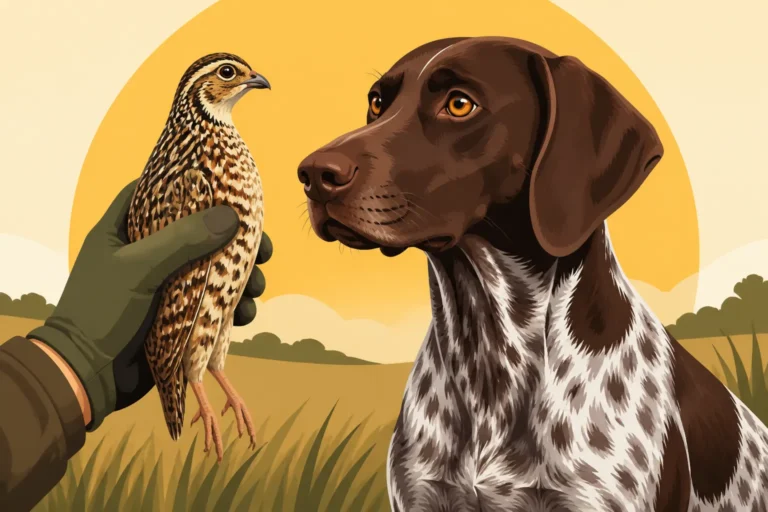
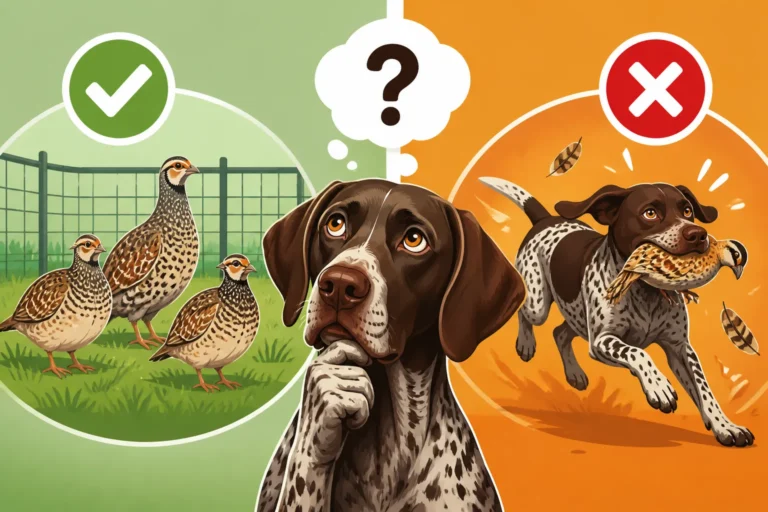
Chukar and quail are often preferred over more common alternatives like pigeons or pheasants for initial bird introduction with a young German Shorthaired Pointer, and there are some very good, practical reasons for this. Pigeons, while readily available, are incredibly flighty and tend to flush explosively with a lot of noise. For a sensitive young pup, this can sometimes be too intense and potentially lead to gun shyness later on if not handled with extreme care during gun introduction. Pheasants, on the other hand, are large, powerful runners. A young dog can easily get frustrated or develop undesirable habits chasing them into thick cover, losing the bird, and not learning to point reliably. They often prefer to run long distances on the ground rather than flush, which is not ideal for teaching a dog to pin and point.
Quail, particularly bobwhite quail, are smaller, but they are packed with a strong, alluring scent, and they have a natural tendency to "hold tight" in cover. This characteristic is incredibly valuable for a young Shorthair. When a pup first encounters a bird, you want it to have ample time to process the scent, lock onto it, and truly develop that natural, instinctive point. Quail are much less likely to flush immediately, giving your pup those precious extra moments to solidify its understanding of what a point feels like and to build that intense focus. Their robust, distinct scent is also easier for a developing nose to pick up and follow, ensuring early success.
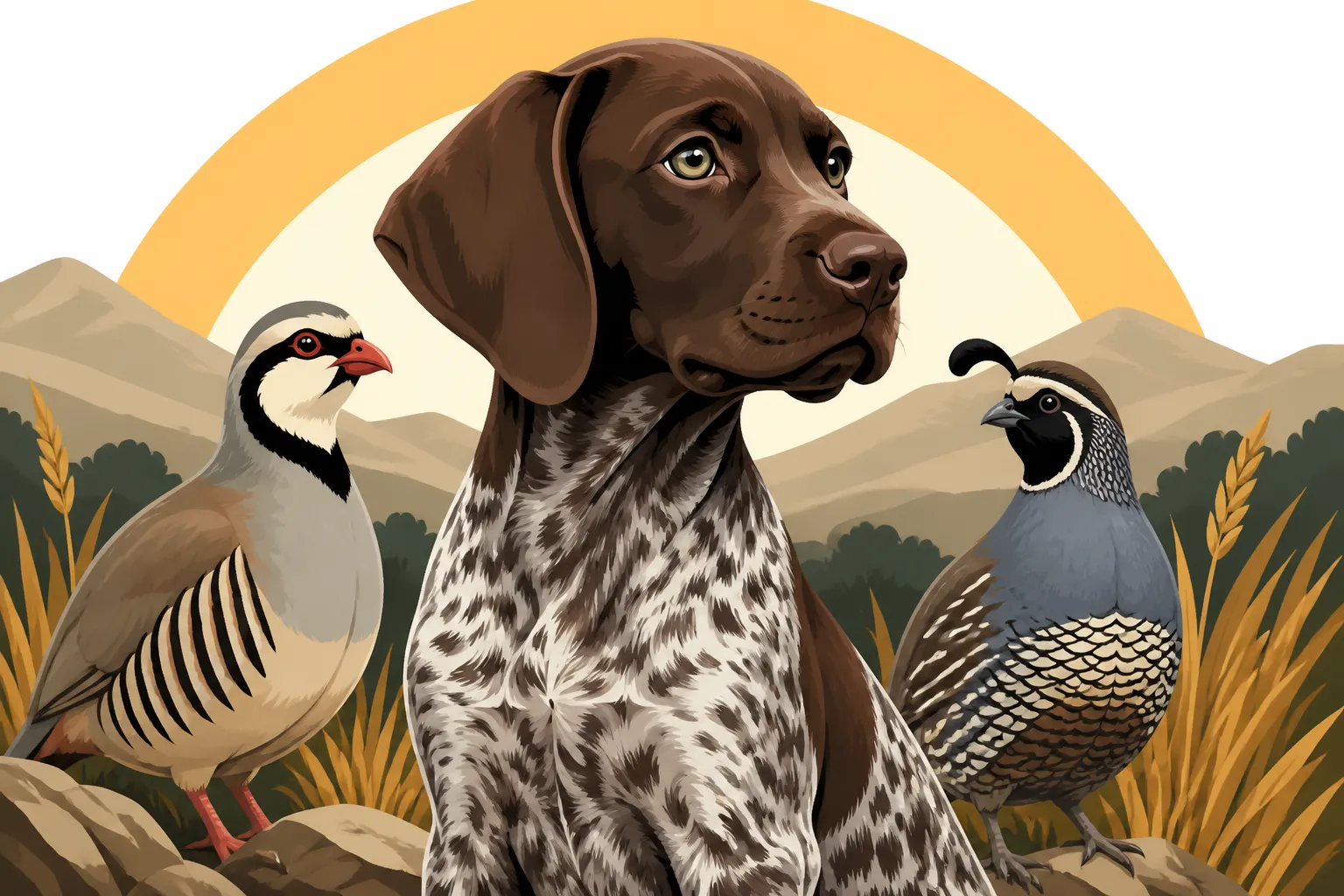
Chukar partridge are an excellent step up once your German Shorthaired Pointer has gained some confidence with quail. They are larger and stronger flyers than quail, making for a more challenging flush, but they still tend to hold better than pheasants, especially in certain types of cover. Their scent is also quite robust. Introducing a young German Shorthaired Pointer to chukar after solidifying its point on quail helps the dog transition to a more challenging bird without being completely overwhelmed. It allows them to refine their pointing skills on a bird that might be a bit more tempted to run or flush, teaching the dog patience and intensity that will serve them well in the field.
Building Confidence and Instinct
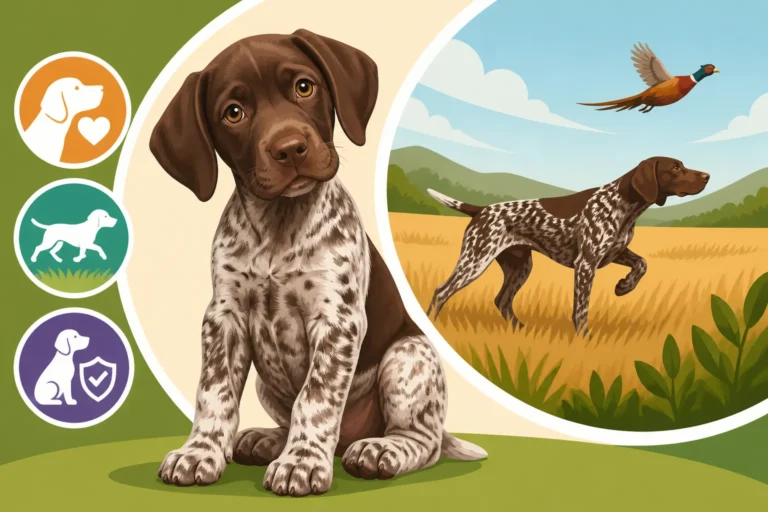
The primary goal of early bird exposure for your German Shorthaired Pointer isn't just to get the dog to perform a specific action; it's fundamentally about building a strong foundation of confidence and nurturing their innate hunting instincts. With chukar and quail, a young German Shorthaired Pointer gets repeated, highly positive experiences. They succeed in finding the bird, they succeed in pointing it, and eventually, with careful progression, they succeed in getting the flush and retrieve. These successive accomplishments are absolutely vital for creating a dog that wants to hunt, that loves birds, and that eagerly anticipates the next opportunity to work. Each positive interaction reinforces the desired behavior in a powerful way.
Imagine a young Shorthair puppy, perhaps six or seven months old, who's never truly encountered a game bird before. You put out a quail in some light cover, and it uses its incredible nose to locate it. The quail holds, giving the pup time to stiffen its body, lift a paw, and really feel that instinct kick in. This isn't just "training" in the traditional sense; it's unlocking something deep within their genetic makeup, activating a centuries-old drive. The Age a Shorthair Puppy First Points can vary, but these early, positive interactions are key to bringing out and solidifying that natural pointing behavior. The smaller, less intimidating nature of these birds allows the pup to explore and learn without undue fear or frustration, building a positive association with game.
For many German Shorthaired Pointers, the drive to hunt is undeniably innate, but it still requires careful cultivation and direction. Chukar and quail provide the perfect medium to do this in a controlled and encouraging environment. They allow you to structure scenarios where the dog is almost guaranteed to find the bird and have a successful, rewarding point. This consistency and high success rate are far more valuable than simply throwing a young dog into a challenging wild bird scenario where failure, confusion, and frustration are much more likely. It builds that internal desire and validates their hard work, setting them up for a lifetime of joyful and effective hunting.
Safety and Control in Early Training
One of the greatest advantages of using pen-raised chukar and quail is the significant level of control they afford the trainer. This level of control is simply impossible to achieve with wild birds. You have the ability to know where the birds are, to precisely control the training environment, and to meticulously manage each interaction between your German Shorthaired Pointer and the bird. This control is paramount when introducing a young dog to birds, especially as you begin to incorporate gunshots into the training. You can choose exactly when and where the bird is released, how much cover is available for the bird to hide in, and how close your dog is to the action.
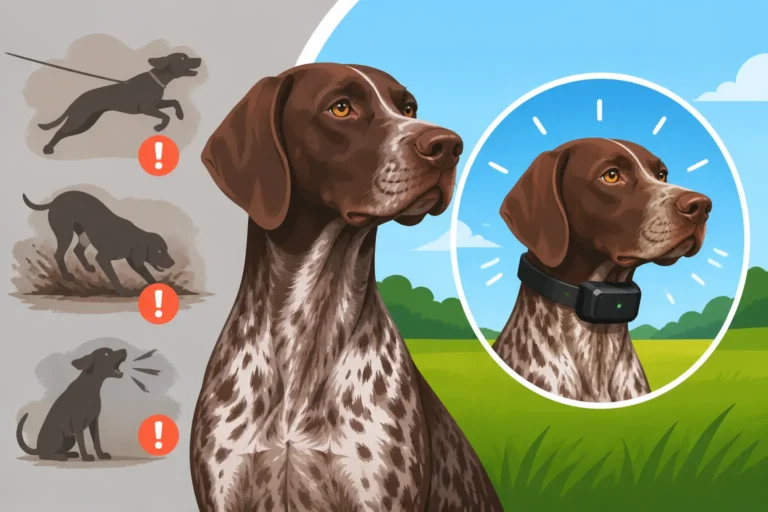
This highly controlled environment is critical for preventing negative experiences that can be detrimental to a young dog's development. For instance, when you're working on Building a Shorthair's Gun Tolerance From a Distance, you can use a bird launcher (easily found on platforms like Amazon) to get the bird flying, then fire a blank pistol at a safe, controlled distance. Over time, you can gradually decrease that distance, systematically acclimating your pup to the sound. This systematic, step-by-step approach significantly reduces the risk of creating a gun-shy dog, a condition that can be heartbreaking to fix. It also allows you to isolate and focus on one specific aspect of training at a time—be it scent work, pointing, the "whoa" command, or retrieving—without all the confounding variables of a real hunt.
Furthermore, working with confined birds on a training table or in a small, secure enclosure can serve as a very safe and effective way to introduce the bird's scent and feel without the added distraction of movement or the risk of the bird escaping. While this method isn't a substitute for real field work, it can be a valuable first step for a very young pup, or one that is initially a bit too exuberant. You can teach and reinforce basic commands like "whoa" or "leave it" while the dog is around the bird, which reinforces your control even before the bird is allowed to flush. The ability to manage every aspect of the interaction ensures a safer, more productive, and less stressful learning experience for both your German Shorthaired Pointer and yourself.
Sourcing and Preparing Your Birds
The success of your German Shorthaired Pointer's bird introduction largely depends on the quality of the birds you use. Healthy, lively birds that act like game will give your pup the most realistic and beneficial training experience. Knowing where to find these birds and how to care for them properly before training are critical steps.
Where to Find Quality Birds
Finding good quality pen-raised chukar and quail is a crucial first step in your German Shorthaired Pointer's training journey. You'll want birds that are robust, healthy, strong flyers, and ideally, have been conditioned to some degree to a more natural environment, even if it's just a spacious flight pen. Avoid birds that appear lethargic, show signs of injury, or have obviously been cooped up in small cages for too long without opportunities to stretch their wings, as these birds won't provide a realistic or spirited training experience. Local game bird farms are often the best and most reliable source. A quick search online for "game bird farms near me" or asking other experienced bird dog enthusiasts, especially those in NAVHDA or hunt test clubs, in your area will usually yield some excellent leads.
When you contact a potential breeder or farm, don't hesitate to ask about their specific practices. Do they keep their birds in large flight pens that allow for ample movement? How often do they rotate or move the birds to fresh ground? What are their health protocols and vaccination schedules? You are looking for birds that will behave like game, not like barnyard pets. Sometimes, larger hunting preserves also sell birds for training purposes, particularly as hunting season approaches. These sources often have birds that are already accustomed to being released and flying, which can be a significant advantage for trainers.
It's also wise to consider the time of year when planning your purchases. Many game bird breeders have birds available seasonally, typically from late spring through the fall. Planning your German Shorthaired Pointer puppy's bird introduction around this availability is a smart strategy. While buying in bulk can sometimes offer cost savings, only do so if you have the proper, secure facilities to house them humanely. Ensure you only purchase the number of birds you can realistically manage and use within a reasonable timeframe to keep them fresh, healthy, and lively for your training sessions.
Housing and Care Before Training
Once you've successfully sourced your chukar and quail, proper housing and care are absolutely essential to ensure they remain healthy, spirited, and provide the best training experience possible. They should never be kept in small, cramped cages for extended periods. Ideally, these birds need a flight pen or a large, securely enclosed aviary where they can move freely, fly short distances, and exhibit more natural behaviors. This type of housing helps to maintain their flight strength, keeps their muscles toned, and preserves their vital wild instincts. The pen itself should be fully secure against potential predators like raccoons, hawks, or coyotes, and it must provide adequate shelter from various weather elements such as rain, sun, and strong winds.
Ensure that your birds have constant access to fresh, clean water daily, and that they are fed appropriate game bird feed, specifically formulated for their nutritional needs. Maintaining meticulous cleanliness within their housing environment is paramount to prevent the outbreak and spread of diseases. A dirty or unsanitary environment will quickly stress the birds, making them less vibrant and ultimately less effective for your German Shorthaired Pointer's training. If you plan on keeping them for more than just a day or two, consider providing some natural cover within their pen, such as branches, brush piles, or clumps of tall grasses, to make them feel more secure and mimic their natural habitat. This added enrichment helps to keep them from becoming overly "tame" or dull.
Handling the birds should always be minimized outside of actual training sessions to reduce stress. When you do need to handle them, do so gently, calmly, and quickly to avoid causing injury or undue fear. A good, safe method for transporting them to your training area is to use a dark, well-ventilated bird bag or a secure transport box. Keeping them in the dark helps to keep them calm and less likely to injure themselves by thrashing around. Remember, your ultimate goal is to present a lively, natural, and challenging bird to your German Shorthaired Pointer, so their physical and mental well-being before the training session is absolutely crucial.
Ethical Considerations and Bird Safety
Training a German Shorthaired Pointer with live birds comes with a significant responsibility to treat these animals ethically, ensuring their safety and overall welfare. This means that you should never deliberately harm a bird for the purpose of training. If a bird is repeatedly caught, roughly handled, or injured by a young, overly enthusiastic German Shorthaired Pointer, it's a clear signal that it's time to re-evaluate and adjust your training methods. This might involve using a bird launcher more frequently to ensure the bird gets away cleanly, or working more on your dog's "whoa" command to prevent premature catching. The ultimate goal is to build a positive retrieving desire and a soft mouth, not to encourage killing or rough handling.
After each training session, especially if a bird has been flushed, shot over, and retrieved, it is your responsibility to inspect it carefully for any signs of injury. Any bird that appears significantly wounded, has a broken wing, or is visibly suffering should be humanely and swiftly dispatched. Releasing an injured bird back into the wild or even back into a communal pen is often a slow and cruel death sentence, as they will likely succumb to predators or infection. Strong, healthy birds that show no signs of injury and are still capable of strong flight can often be reused for multiple training sessions, but only if they remain uninjured and vibrant. It's a delicate and continuous balance of providing realistic, effective training experience while rigorously ensuring the welfare of the birds.
While less common with quail and chukar, using bird vests or saddles on certain birds can sometimes prolong their usability by protecting them from accidental nips or grabs, though this is a technique more frequently employed with pigeons. However, the core of ethical consideration truly lies in the handler's overall approach and philosophy. By focusing on controlled introductions, meticulously developing a steady point, and diligently teaching a soft mouth, you are not only building a better, more polished German Shorthaired Pointer, but you are also demonstrating profound respect for the game itself. This approach teaches your German Shorthaired Pointer to respect the bird, too, fostering a more thoughtful, effective, and ethical hunting partner in the long run.
Step-by-Step Introduction to Chukar and Quail
Introducing your German Shorthaired Pointer to birds isn't a one-and-done event; it's a carefully orchestrated progression of steps designed to build upon each other. Starting with scent and moving through controlled encounters to flushes and retrieves requires patience, consistency, and a keen eye for your dog's responses.
The Initial Scent Introduction
The very first step in introducing a young German Shorthaired Pointer to chukar or quail isn't about flushing birds or making retrieves; it's purely about scent. Your primary goal here is to help your pup associate that unique, alluring game bird scent with something incredibly exciting and desirable. A common and effective method is to use a wing from a game bird or even a whole, thawed, frozen bird, allowing the pup to investigate it at its leisure, without any pressure or commands. Let them sniff it, mouth it gently, and simply get accustomed to the smell. This can be done in a quiet room, or for a more engaging experience, you can drag a bird wing on a string through some short grass, allowing your pup to follow the enticing scent trail. While Using Pigeons to Start a Shorthair can also begin with scent work, quail often offer a more potent and specific game bird aroma that many young GSPs find incredibly captivating.
For a more controlled and focused scent introduction, you can place a live bird in a small, secure wire release cage or a specialized "bird box"—a wooden box with a spring-loaded lid that can be opened remotely. Allow your pup to find the cage and investigate the bird intently through the wire mesh. In this scenario, your pup can clearly smell the bird, see it moving, and build immense excitement, but it cannot physically interact with or catch the bird prematurely. This method is brilliant for building tremendous desire, curiosity, and intense focus without inadvertently developing bad habits such as chasing, grabbing, or bumping the bird.
Keep these initial scent sessions short, positive, and highly rewarding. The idea is to build anticipation and make the pup eager for more. Always aim to end on a high note, even if it's just a few minutes of intense sniffing and engagement. The overriding goal at this stage is to ignite and foster that primal hunting instinct, not to drill commands or enforce strict obedience. Many foundational puppy programs, such as those offered by BAXTER & Bella, heavily emphasize positive reinforcement in early training, and that very principle applies just as strongly here to ensure the experience remains enjoyable, stimulating, and builds genuine desire for your young Shorthair.
Controlled Encounters and Pointing Drills
Once your German Shorthaired Pointer is clearly showing excitement and keen interest in the scent of birds, it's time to move on to more controlled encounters specifically designed to develop and refine their natural point. Begin in light, open cover where your pup can easily find the bird and you have a clear view. Place a bird (often a quail first, given its superior holding ability) in a bird launcher or a simple, well-hidden cover. Walk your pup into the wind on a long check cord, allowing its powerful nose to lead the way. As your pup gets distinctly "birdy"—slowing down, stiffening its body, and showing intense focus—gently apply consistent pressure with the check cord and quietly but firmly give your "whoa" command. The objective here is to freeze the dog on the scent, encouraging it to hold that statuesque point.
The key to this stage is immense patience and consistent repetition. Allow your pup to hold the point for a few seconds. If it tries to move or creep towards the bird, gently correct it with the check cord and guide it back to its original pointing position. You want the dog to strongly associate the exhilarating scent and visual of the bird with the act of holding absolutely still. At this stage, do not worry about the flush or the retrieve; your sole focus should be on establishing and reinforcing a solid, staunch, and intense point. Teaching a Shorthair Whoa on a Table or Barrel is an incredibly valuable precursor to this field work, as it instills the "whoa" command in a controlled, non-distracting environment. The steadiness learned in such a setting translates directly to holding point in the field.
As your pup becomes more reliable and consistent on point, you can gradually increase the level of challenge. This might involve using slightly thicker cover for the bird to hide in, or allowing the bird to sit for a little longer before you flush it. The check cord remains your primary and most important tool for maintaining control and ensuring correct behavior. Always remember to praise your German Shorthaired Pointer heavily when it holds its point correctly. A quiet, reassuring "good whoa!" and a gentle stroke or pat can go a long way in reinforcing this crucial behavior and building confidence. The ultimate goal is to cultivate a dog that stands staunchly and confidently on point, patiently waiting for your next command.
Progressing to Flushes and Retrieves
With a solid, reliable point now established, the next exciting step is to introduce the flush and, eventually, the retrieve. For this progression, you will want to utilize your bird launcher or, if in very controlled circumstances, simply flush the bird by hand. As you flush the bird into the air, it is absolutely crucial to continue holding your German Shorthaired Pointer steady on the check cord, reinforcing the "whoa" command. The dog must remain steady to wing and shot, meaning it should not break its point or chase the flushing bird prematurely. This is a critical safety step, essential for preventing your dog from running into the line of fire during an actual hunt. Successfully achieving Steadying a Shorthair to Wing and Shot is a major milestone that relies heavily on this controlled training environment.
After the bird has flushed and flown a safe distance, then—and only then—can you release your dog for the retrieve, assuming you are ready to incorporate that aspect of training. Many experienced trainers actually wait to introduce the retrieve until the dog is completely steady to wing and shot, often through a structured method known as force fetch, which ensures a reliable, consistent, and soft retrieve. For initial retrieves, if the bird is downed close by, simply allow your pup to pick it up and bring it back. If your pup is naturally eager and delivers the bird to hand, that’s fantastic! If not, don't worry excessively about perfect delivery at this very early stage; focus more on fostering the innate desire to retrieve and to carry the bird.
Using chukar and quail in launchers offers you the immense advantage of being able to control the bird's flight path precisely, ensuring that the bird doesn't fly into unsafe areas or out of your training zone. Once your German Shorthaired Pointer is steady on point, steady to wing and shot, and retrieving consistently, you can begin to simulate more realistic hunting scenarios. This might involve planting multiple birds in different locations, working with another dog to practice advanced skills like Teaching a Shorthair to Back Another Dog's Point, or gradually increasing the realism and volume of gun fire. Always maintain control, be patient, and ensure each step is mastered thoroughly before attempting to move on to the next, which will ultimately build a confident, well-trained, and reliable German Shorthaired Pointer.
Common Challenges and Troubleshooting
Even with the best birds and a solid plan, training a German Shorthaired Pointer is rarely without its bumps and detours. It's perfectly normal to encounter challenges, and knowing how to address them effectively is key to a successful journey.
When Your Shorthair Bumps Birds
One of the most common and often frustrating issues for German Shorthaired Pointer owners training with live birds is when their young dog consistently bumps birds instead of holding a staunch point. This behavior often stems from intense over-excitement, an incomplete understanding of the "whoa" command, or simply insufficient control during those critical initial introductions. A GSP's drive to hunt is incredibly powerful, but without proper guidance and clear boundaries, that raw drive can easily lead them to rush in and flush the bird prematurely, which is counterproductive to developing a solid, intense point. It’s a natural, instinctive behavior for a predator, but one that absolutely needs to be refined and redirected in a gun dog.
To effectively address a bird-bumping issue, you really need to go back to the fundamental basics of your "whoa" command and re-establish firm control. Re-practice strong check cord work in a less distracting environment, such as your yard or a quiet field, before you reintroduce live birds. Utilize a longer check cord, perhaps 20-30 feet, so you have plenty of leverage and control. As soon as your dog shows any signs of getting "birdy" or intense on a scent, immediately apply gentle, consistent pressure with the check cord and command "whoa." If the dog attempts to rush the bird, use the check cord to stop it definitively before it can reach and flush the bird. A Shorthair That Bumps Birds Instead of Pointing often just needs more repetition, clearer boundaries, and consistent prevention of the unwanted behavior. Consider using a training table or barrel to reinforce the "whoa" command in a very controlled setting before you move back to the field with live game.
Another highly effective strategy for preventing bumping is to use a release cage or bird box more frequently and strategically. Allow your German Shorthaired Pointer to find the caged bird, get intensely excited, and then command "whoa" while it's still looking at the bird through the protective wire. This method builds tremendous intensity and desire on point without the negative consequence of a premature flush. Once your dog is holding steady and intently on the caged bird, you can then try a short-range, controlled release with the check cord firmly in your hand, ready to prevent any unwanted movement. The absolute key is to consistently prevent the dog from successfully bumping birds, so it learns that holding a steady point is the only acceptable and rewarding way to interact with game.
Maintaining Interest and Preventing Boredom
While consistent repetition is undoubtedly important in dog training, particularly for a German Shorthaired Pointer, too much of the exact same routine can quickly lead to boredom, a lack of enthusiasm, or even a "dull" dog that loses its spark for birds. German Shorthaired Pointers are highly intelligent, energetic, and thrive on variety, challenge, and engaging work, so it's absolutely vital to keep training sessions stimulating, engaging, and exciting. If your dog starts to seem less enthusiastic or eager about bird work, it's often a clear sign that you need to inject some novelty and switch things up. This doesn't necessarily mean skipping important steps, but rather making the training itself more dynamic and unpredictable.
Vary the specific locations where you plant birds, introduce different types of cover for the birds to hide in, and even alter the sequence or order of your drills. Instead of always going straight for the point, for example, sometimes start a session with a short, fun retrieve drill using a bumper or a marked retrieve before transitioning into serious bird work. Keep your training sessions relatively short, especially for young or developing dogs, and always make a conscious effort to end each session on a positive, successful note. A quick, successful find and point, even if brief, is infinitely more valuable and confidence-building than a long, drawn-out session where your dog loses focus, gets frustrated, or becomes disengaged. For general brain activity, remember that Mental Work That Tires a Shorthair Out can be just as important as physical exercise.
Think creatively about how you can introduce new elements without overwhelming your German Shorthaired Pointer. Perhaps you could try working with two birds instead of just one, or introduce a "walk-up" scenario where you and your dog walk naturally together through the field before you flush the bird. On days when you're not doing bird work, puzzle feeders and engaging scent games at home can also help keep their minds sharp, their senses honed, and their overall enthusiasm high, perfectly complementing their dedicated bird work. Remember, your ultimate goal is to cultivate a joyful, eager hunting partner, and that comes from consistent, yet always engaging and rewarding, training experiences.
Transitioning to Wild Birds
The ultimate goal and culmination of all your hard work training with pen-raised chukar and quail is to prepare your German Shorthaired Pointer for successful, confident encounters with wild birds in real-world hunting scenarios. This transition needs to be a gradual, thoughtful, and patient process. It’s important not to expect your dog to immediately perform at the exact same level on wild birds as it does on your planted training birds. Wild birds behave significantly differently; they tend to run more, flush harder and more unpredictably, and are often found in much more challenging and dense cover. This unpredictability is part of the thrill but also the challenge.
Start by gradually transitioning your training sessions to more realistic and challenging cover, even with your planted birds. Utilize fields with thicker grasses, dense briar patches, or woods edges where wild birds would naturally seek shelter and forage. This helps your Shorthair learn to skillfully work through different types of terrain, adapt its search pattern, and develop the perseverance needed for tough cover. Over time, slowly introduce them to areas where there might be a chance of encountering wild bird populations, even if you’re primarily still working with your pre-planted birds. This helps your dog get accustomed to the true unpredictability and the different scent dynamics of natural environments.
When you do finally take your German Shorthaired Pointer out for its very first genuine wild bird experience, it's crucial to keep your expectations realistic and focus primarily on observation and support. Your role in these initial wild bird hunts shifts from being a strict director to more of a supportive guide. Allow your dog to work independently, relying on its instincts and training. Intervene only when absolutely necessary, and celebrate any success, no matter how small—a good find, a brief point, or even just working difficult cover effectively. It might take several outings for your dog to fully adapt to the unique nuances and challenges of wild birds, but the solid foundation you’ve meticulously built with chukar and quail will give it the confidence, problem-solving skills, and the intrinsic desire to eventually become a magnificent and reliable wild bird hunter. It's often recommended that The Age a Shorthair Meets Its First Wild Bird is after they've demonstrated a very strong understanding of bird manners and steadiness on planted birds. For all your training, remember The Structure a German Shorthaired Pointer Needs Daily to thrive.
| Feature | Bobwhite Quail | Chukar Partridge |
|---|---|---|
| Average Size | Smaller, typically 6-8 oz | Larger, usually 18-20 oz |
| Scent Intensity | Strong, distinct, very potent for young pups | Strong, robust, excellent for progressing scent work |
| Holding Behavior | Excellent, known for holding tight in cover | Good, often holds better than pheasants, but can run |
| Flight Characteristics | Good, generally shorter, less powerful flights | Strong, fast, more challenging and sustained flight |
| General Availability | Widely available from many game bird farms | Generally available, sometimes less common than quail |
| Ideal Use For | First-time bird introductions, solidifying basic point | Progression from quail, building intensity and steadiness |
Disclaimer
This article is for general informational purposes only and does not constitute professional advice. Laws, prices and regulations vary by location and change over time. Consult a qualified professional for guidance on your specific situation.