Barn Hunt and Nose Work for a Shorthair
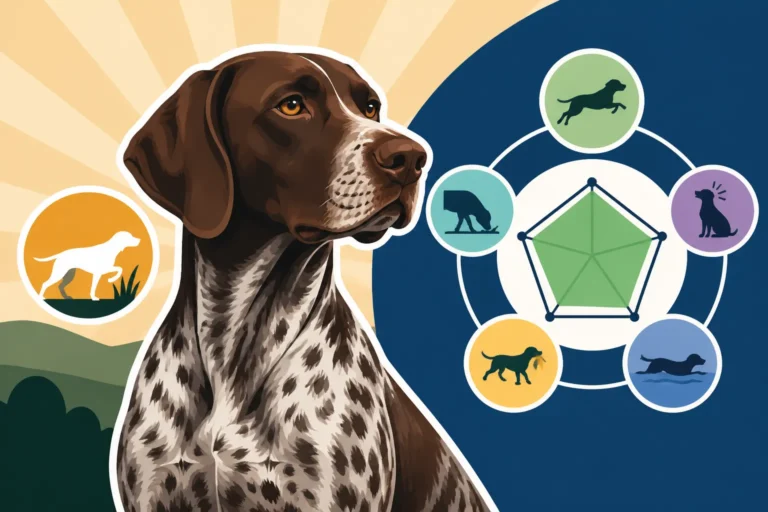
German Shorthaired Pointers are incredible athletes, built for endless energy and an insatiable drive to work. But sometimes, just running them ragged isn't enough to satisfy their keen minds, and you find yourself with a dog bouncing off the walls, or worse, finding "jobs" for themselves that you don't appreciate, like digging up the yard or counter-surfing. This guide is all about channeling that incredible drive and powerful nose into two fantastic activities: Barn Hunt and Nose Work (also known as Scent Work), offering not just physical exertion, but the crucial mental stimulation your Shorthair craves.
Understanding Barn Hunt and Nose Work: More Than Just "Playing Games"
When we talk about Barn Hunt and Nose Work, we're not just discussing cute tricks or simple dog park antics. These are legitimate canine sports, recognized by various organizations, that tap directly into a dog's most primal and powerful sense: their nose. For a German Shorthaired Pointer, a breed specifically developed for its versatile hunting abilities, these activities are like a homecoming. They provide an outlet for instincts that might otherwise go unfulfilled, leading to a more content and balanced companion.
What is Barn Hunt?
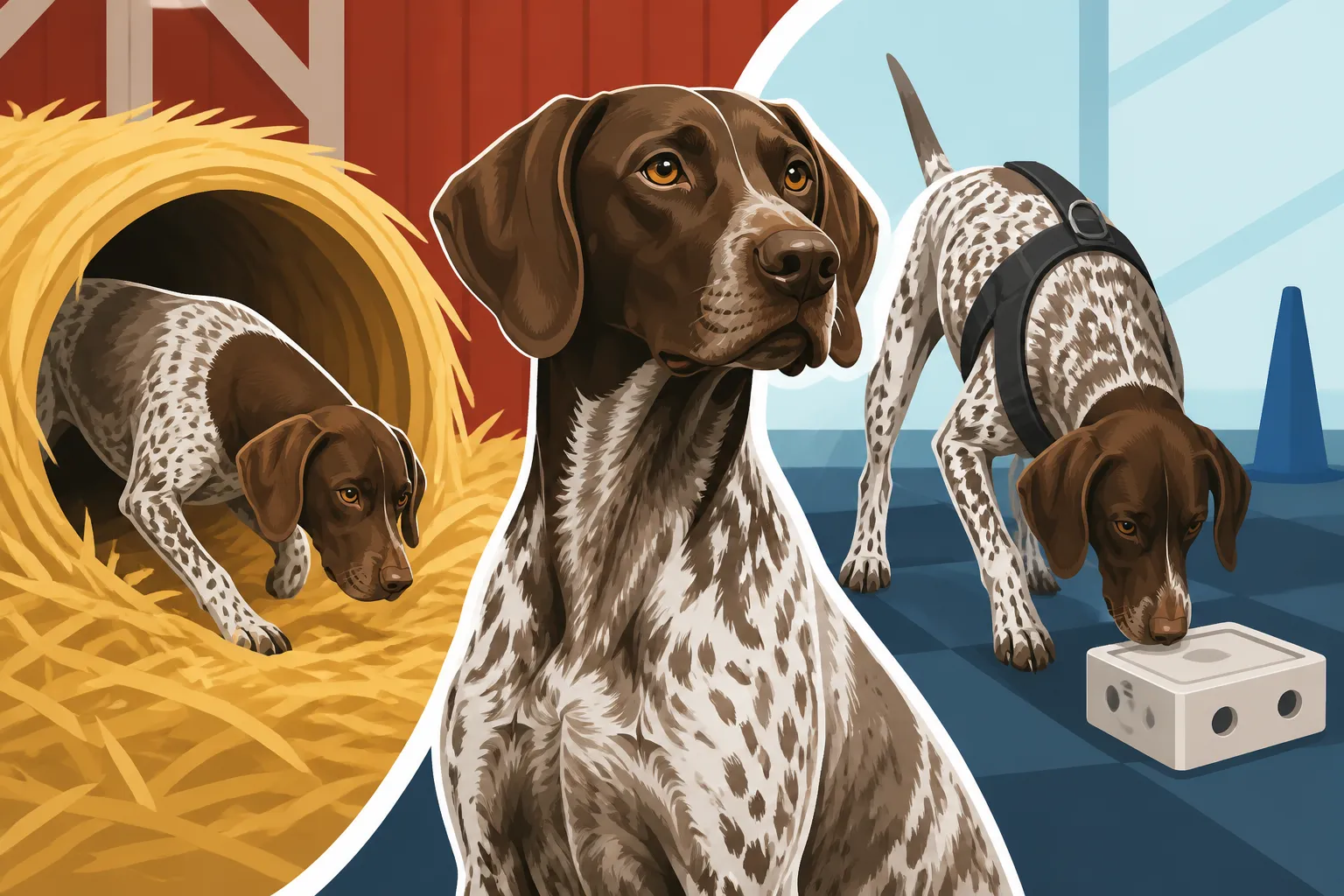
Imagine a hay maze, bales stacked high, creating tunnels and hiding spots. Now, picture your German Shorthaired Pointer, ears perked, nose to the ground, systematically searching every nook and cranny for a very specific scent. That's Barn Hunt in a nutshell. The "quarry" is a rat, safely enclosed in a secure, ventilated tube, hidden amongst the hay bales. Your dog's job is to find the tube and alert you to its presence, typically by pointing, pawing, or barking. It’s a fantastic sport because it simulates a real-world working scenario—a hunter searching for vermin in a barn—but in a completely safe and controlled environment for both dog and rat.
The beauty of Barn Hunt for a GSP is that it doesn't require any prior formal training beyond basic obedience. Their natural hunting instincts take over. You'll see dogs of all ages and temperaments, from boisterous youngsters to seasoned veterans, absolutely light up when they enter the "ring." The excitement is palpable, and the focus your Shorthair develops as they work through the hay is truly something to behold. There are different levels, increasing in complexity, where dogs might need to identify multiple rats, ignore "distractor" tubes with rat litter but no rat, or navigate more intricate mazes. It's a progressive challenge that keeps their minds engaged.
What is Nose Work (Scent Work)?
Nose Work, often called Scent Work, takes the concept of canine detection work and makes it accessible to pet dogs and their owners. Think police K9s searching for contraband, or search-and-rescue dogs looking for survivors – that's the professional version. In Nose Work, your German Shorthaired Pointer learns to identify and locate specific target odors, usually essential oils like birch, anise, and clove, in various environments. The beauty of this sport is its simplicity and adaptability; you don't need fancy equipment to start, and it can be done almost anywhere.
Dogs learn to associate a specific odor with a reward, and then they're given "search areas" to investigate. These can be as simple as a few cardboard boxes in your living room, or as complex as a sprawling outdoor area with vehicles, bushes, and distractions. The key is that your dog is working independently, using their incredible sense of smell to solve a puzzle. You, as the handler, learn to "read" your dog, identifying subtle changes in their behavior that indicate they've found the target odor. It builds confidence because the dog is in charge of the search, and it strengthens your bond as you learn to trust their nose. Unlike some competitive dog sports, Nose Work isn't about speed or perfect obedience; it's purely about accurate detection and the dog's joy in the hunt.
Why These Activities Are Perfect for Your German Shorthaired Pointer
If you live with a German Shorthaired Pointer, you know they are not just dogs; they are finely tuned hunting machines. Their lineage screams "work," and when that need isn't met, you often find yourself with a high-strung, bored, or even destructive animal. Barn Hunt and Nose Work provide an unparalleled outlet for these inherent traits, satisfying them in ways that a simple walk around the block simply cannot.
Tapping Into Natural Instincts
German Shorthaired Pointers were specifically bred to be versatile hunting dogs, capable of pointing game, retrieving from land and water, and tracking. What do all these tasks have in common? An exceptional nose and a profound desire to find. When your GSP participates in Barn Hunt, they're not just looking for a rat; they're fulfilling that ancient instinct to hunt vermin, to pinpoint a hidden creature. Similarly, in Nose Work, they're engaging their inherent tracking and seeking abilities, focusing intently on a specific scent target. The Nose the German Shorthaired Pointer Was Selected For is arguably their most defining feature, and these sports celebrate it.
This isn't just about physical activity; it's about validating their very essence. Think of a farmer's son who loves farming; giving him a video game about farming is fun, but letting him actually work the land is deeply satisfying. For your GSP, searching for scent is deeply satisfying. They come alive, their concentration is intense, and their satisfaction when they find the "prize" is unmistakable. It channels their powerful drive in a constructive way, preventing them from applying that drive to less desirable targets, like the neighbor's cat or the discarded sandwich wrapper on your morning walk.
The Mental Marathon They Crave
We often focus on the physical exercise needs of German Shorthaired Pointers, and rightly so—they need a lot. The Two Hours a Day a German Shorthaired Pointer Needs is a well-known requirement. However, a physically exhausted GSP can still be mentally wired if their brain hasn't been engaged. This is where Barn Hunt and Nose Work truly shine. These aren't just physical activities; they are intense mental marathons. Imagine solving a complex puzzle for an hour straight. You might not have run a mile, but your brain is tired. That's what these activities do for your dog.
In both sports, your Shorthair has to think, problem-solve, and make decisions. They have to differentiate target scents from environmental odors, navigate obstacles, and communicate their findings. This deep concentration and focused mental effort are incredibly draining in the best possible way. A GSP that has spent an hour working out a complex scent puzzle is often far calmer and more content at home than one who has just run five miles without any mental engagement. This mental fatigue can dramatically reduce behaviors associated with boredom and excess energy, like destructive chewing or incessant whining. It's a fantastic way to tire them out, especially when the weather isn't cooperating for a long run, providing valuable Mental Work That Tires a Shorthair Out.
Building Confidence and Focus
Some German Shorthaired Pointers can be a little sensitive or easily distracted, especially if they haven't had a lot of varied experiences as puppies. Others might be incredibly bold but struggle with focus when something truly exciting crosses their path. Barn Hunt and Nose Work are fantastic for both types of dogs. Because the dog is in control of the search and is rewarded for their independent work, it's a huge confidence booster. They learn to trust their own instincts and abilities, which can translate into a more self-assured dog in everyday life.
For a shy dog, the focus required for these activities helps them tune out environmental distractions and concentrate on their task. The success they experience builds their belief in themselves. For a bold, easily distracted GSP, the intense focus required to find the target scent or rat teaches them to maintain concentration even when there are other interesting things happening around them. This improved focus can spill over into other training areas, making them more attentive and responsive. It gives them a "job" where they are the expert, and that empowerment is incredibly valuable for their overall well-being.
Getting Started: From Couch to "Find It!"
The good news is that you don't need a sprawling country estate or years of experience to get your German Shorthaired Pointer started in Barn Hunt or Nose Work. These activities are designed to be accessible, building on your dog's natural abilities. The key is to start simple, make it fun, and let your dog lead the way with their nose.
Starting With Scent Work at Home
Nose Work is incredibly easy to begin in your own living room. You don't need any special equipment to get started, just some high-value treats (think tiny pieces of cooked chicken, cheese, or hot dogs) and a desire to make it a fun game for your dog.
- The Treat Toss Game: Start by simply showing your GSP a high-value treat, letting them sniff it, and then tossing it a short distance away into a slightly hidden spot (behind a couch cushion, under a chair). Say "Find it!" as you toss. When they find and eat it, praise them enthusiastically. Repeat this a few times, gradually making the hiding spots a little harder but always ensuring success. This builds their understanding of the "Find it!" cue.
- Container Search: Once they're good at finding tossed treats, introduce some empty cardboard boxes. Place a high-value treat under one box while your dog watches, then shuffle the boxes a bit. Say "Find it!" and let them sniff out the correct box. Gradually increase the number of boxes and make the hiding more discreet.
- Introducing the Target Odor: When your dog understands the game, you can introduce a specific target odor. Many beginners start with a Q-tip or cotton swab infused with birch essential oil, which you can often find in starter kits on Amazon designed for scent work.
- Place a tiny piece of treat and a Q-tip with birch oil in a small, vented tin or container.
- Let your dog sniff the container, then reward them lavishly when they show interest.
- Gradually separate the treat from the odor. Start by placing the treat near the container with the odor. Your dog learns that sniffing the odor leads to the treat.
- Move the container with the odor (and no treat inside) to a simple hiding spot, still placing the treat nearby. When your dog indicates the container, then you provide the treat as a reward. This teaches them that the odor predicts the reward.
- You can also explore online courses. For training at home, many owners find value in online programs like those offered by BAXTER & Bella that guide you through foundational scent work exercises, often with video tutorials and step-by-step instructions that can be invaluable. These programs can help you understand how to pair scent with reward and progress through various search scenarios at your own pace.
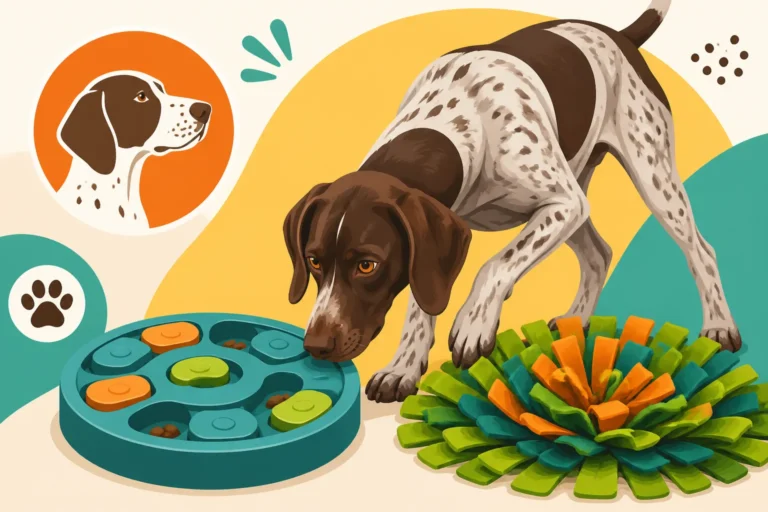
Remember to always keep it positive and fun. Short, frequent sessions are more effective than long, drawn-out ones. This is a great way to provide Puzzle Feeders and Scent Games for a Shorthair in a structured manner.
Finding a Barn Hunt Class or Trial
Unlike Nose Work, Barn Hunt usually requires specific facilities (hay bales and safely housed rats), so you'll need to seek out local clubs or training centers that offer it.
- Search Online: A good starting point is the official Barn Hunt Association website, which has a locator for trials and training facilities. You can also search for "Barn Hunt classes [your city/state]" or "dog sports clubs [your area]."
- Introductory Classes: Many facilities offer "Introduction to Barn Hunt" workshops or classes. These are perfect for getting your German Shorthaired Pointer accustomed to the hay, the scent, and the general environment. The instructors are typically very supportive and will help you understand how to guide your dog without interfering too much with their natural instincts.
- Community and Observation: Don't be shy about reaching out to local dog training communities or asking if you can observe a class or trial before committing. Seeing other dogs and handlers in action can give you a great feel for the sport and its atmosphere. Most Barn Hunt communities are incredibly welcoming.
When you go, make sure your GSP is comfortable in new environments and around other dogs (even if just crated nearby). Bring a comfortable crate, water, and some high-value treats for rewards.
Essential Gear for Your Nose Work Journey
While you can start Nose Work with minimal equipment, having a few dedicated items can make the experience smoother and more professional for your GSP.
- Dedicated Harness: For Nose Work, a Y-front harness is often preferred over a collar, as it puts no pressure on your dog's neck and allows them to sniff comfortably. It's also a good idea to have a dedicated "working" harness that your dog only wears for scent work. This helps them understand that when this harness goes on, it's time to "work their nose."
- Long Line (Optional but Helpful): A 10-15 foot long line can be incredibly useful for outdoor searches, giving your GSP freedom to explore a larger area while still keeping them safely connected to you.
- Target Odor Kit: As mentioned, you can buy starter kits online. These usually include small glass vials of essential oils (birch, anise, clove), Q-tips, and small metal tins or plastic containers to house the Q-tips. Always handle the oils with gloves or tweezers to avoid contaminating the scent with your own.
- Containers for Searches: Cardboard boxes, plastic bins, or even old suitcases can be used for container searches. Varying the sizes and shapes adds to the challenge.
- High-Value Rewards: The more exciting the reward, the more motivated your GSP will be. Soft, smelly treats are usually best.
For Barn Hunt, the gear is simpler: - Regular Collar and Leash: A sturdy 6-foot leash and a flat buckle collar are usually all you need.
- Crate: You'll likely need a crate for your GSP to rest in between turns, especially at trials.
- Water and Bowl: Staying hydrated is crucial.
- Comfortable Mat/Bed: For their crate, so they can relax.
Benefits Beyond the Game: A Happier, More Balanced Shorthair
Engaging your German Shorthaired Pointer in Barn Hunt or Nose Work isn't just about fun and games; it translates into tangible benefits that contribute to their overall well-being and a more harmonious home life. It's about recognizing The Structure a German Shorthaired Pointer Needs Daily and providing it in a way that truly resonates with their inherent nature.
Managing High Energy Levels
We've all been there: you've taken your GSP for a long run, played fetch until your arm was tired, and they still seem to have an endless reserve of energy. That's because pure physical exercise, while essential, doesn't always address the mental energy that a highly intelligent and driven breed like the German Shorthaired Pointer possesses. These dogs need a job, a purpose, and these scent-based sports provide exactly that.
By engaging their minds in complex scent puzzles or the focused hunt for a rat, you're tapping into a different kind of energy reservoir. The mental effort involved in identifying and locating odors or quarry is incredibly taxing, in a good way. It satisfies their innate drive to search and solve, leading to a profound sense of fulfillment. A GSP that has spent an hour intently focused on a search often comes home and settles down far more readily than one who has merely burned off steam physically. This balance of physical and mental exercise is the key to preventing the "zoomies" and restless energy that can make living with an underexercised GSP challenging.
Strengthening Your Bond
Dog training, at its core, is about communication and building a relationship. Barn Hunt and Nose Work are unique in how they foster this bond because they require you to really listen to your dog. In these activities, your GSP is the expert, and you are their supportive partner. You learn to trust their nose, to observe their subtle cues, and to understand their language of scent.
Think about it: in traditional obedience, your dog is constantly looking to you for direction. In scent work, you're looking to them. This shift in dynamic is incredibly powerful. As you watch your German Shorthaired Pointer's tail wag furiously, their nose glued to the ground, and their body language tell you they've found something, you gain a deeper appreciation for their incredible abilities. Your role becomes one of encouragement and celebration. This shared experience, where you're working as a team to solve a puzzle, creates a profound connection and mutual respect. It reinforces The Velcro Side of a German Shorthaired Pointer, but in a productive and collaborative way, where they are actively involving you in their success.
Preventing Destructive Behaviors
An under-stimulated German Shorthaired Pointer is a recipe for trouble. Their intelligence and energy, when not channeled positively, often manifest as behaviors we find undesirable. What an Under Exercised Shorthair Does to a House can range from incessant barking and demanding attention to more destructive actions. Imagine coming home to find your couch cushions shredded, your favorite shoes chewed beyond recognition, or a crater-sized hole in your backyard. These aren't acts of malice; they are symptoms of boredom and a desperate need for mental engagement.
By consistently providing outlets like Barn Hunt and Nose Work, you're giving your GSP an acceptable and fulfilling way to express their natural drives. A dog whose mind is regularly challenged and satisfied is far less likely to resort to chewing furniture or digging up your prize-winning petunias. Instead of A German Shorthaired Pointer That Digs the Yard Out or A Shorthair That Chews Through Doors and Drywall, they'll be happily exhausted from their "work," ready to nap contentedly at your feet. These activities offer a preventative measure against common GSP behavioral issues, leading to a much more peaceful household and a happier dog. It can also help with issues like Building a Shorthair's Tolerance for Being Alone by giving them a focused activity to anticipate and tire them out before you leave.
Here's a quick comparison of the two activities:
| Feature | Barn Hunt | Nose Work (Scent Work) |
|---|---|---|
| Primary Goal | Locate a safely enclosed rat hidden in hay bales. | Locate specific target essential oils (e.g., birch, anise, clove) in various areas. |
| Environment | Simulated barn environment with hay bales, usually indoors or covered. | Highly varied: containers, interiors, exteriors, vehicles. Can be done almost anywhere. |
| Instinct Tapped | Hunting, prey drive, searching for vermin. | Tracking, detection, discriminating specific odors. |
| Equipment | Minimal; just dog, leash, collar. Facility provides hay, rats, tubes. | Starter scent kits (oils, Q-tips, tins), dedicated harness, long line. |
| Accessibility | Requires a dedicated facility or club; specific locations. | Can start at home; classes and trials are widely available. |
| Physicality | Moderate: navigating hay bales, climbing. | Low to moderate: sniffing, walking. |
| Mental Challenge | High: focused searching, ignoring distractions, identifying alert. | High: discriminating odors, systematic searching, problem-solving. |
| Community | Strong, supportive, trial-focused. | Strong, supportive, training and trial-focused. |
Barn Hunt and Nose Work are more than just hobbies; they are investments in your German Shorthaired Pointer's mental and physical health, offering a profound sense of purpose and strengthening the incredible bond you share. If you're looking for a way to truly engage your GSP's brilliant mind and tireless spirit, look no further.
Disclaimer
This article is for general informational purposes only and does not constitute professional advice. Laws, prices and regulations vary by location and change over time. Consult a qualified professional for guidance on your specific situation.