How Rarely a Shorthair Actually Needs a Bath
As German Shorthaired Pointer owners, we often find ourselves wondering if our energetic, mud-loving companions need another bath. Their short coats might seem low maintenance, but the truth is, over-bathing can actually strip their skin of vital protection, leading to dryness, irritation, and a host of other issues. This comprehensive guide will walk you through understanding your GSP's unique coat, knowing when a bath is truly necessary, and offering practical strategies to keep them clean and healthy without constantly reaching for the shampoo bottle.
Understanding the German Shorthaired Pointer's Unique Coat for Optimal Health
Your German Shorthaired Pointer's coat isn't just for looks; it's a marvel of natural engineering, designed to protect them from the elements they encounter during their active lives. Many owners, especially those new to the breed, might underestimate just how resilient and self-sufficient this coat actually is. Understanding its structure and properties is the first step to knowing how to care for it properly – which often means doing less, not more.
The Short, Dense, Water-Resistant Layer
The hallmark of a German Shorthaired Pointer is its distinctive short, dense coat. This isn't just any short hair; it's a double-layered system in some climates and certainly a very thick, close-lying single coat that acts as a natural barrier. The outer hairs are coarse and stiff, designed to repel water and dirt, much like a good rain jacket. Beneath that, you might find a slightly softer, denser undercoat, especially if your GSP lives in a colder climate or during certain seasons. This combination provides excellent insulation, keeping them warm in chilly weather and surprisingly cool when it's hot, by trapping a layer of air against their skin.
When your GSP plunges into a pond or splashes through a stream, you'll notice how the water often beads up and runs right off their coat, rather than soaking straight through to their skin. This water-resistance is crucial for a breed bred to work in diverse terrain, including marshes and wet fields. Frequent bathing with harsh soaps can degrade this natural repellency, making their coat less effective at its primary job. Think of it like washing a waterproof jacket too often with the wrong detergent; it loses its protective qualities.
Natural Oils and Skin Health
Beneath that resilient coat lies a complex ecosystem of skin, glands, and natural oils that are absolutely essential for your GSP's overall health and comfort. These sebaceous glands produce a natural sebum that coats each hair strand and the skin itself. This sebum acts as a built-in moisturizer, keeping the skin supple and preventing dryness, flakiness, and itching. It also provides a protective barrier against environmental irritants and helps maintain a healthy pH balance on the skin's surface.
When you bathe your German Shorthaired Pointer too frequently, especially with shampoos that are not pH-balanced for dogs or contain harsh detergents, you strip away these vital natural oils. It's like constantly scrubbing your own hands with strong soap – they'll eventually become dry, cracked, and irritated. For a GSP, this can lead to a cascade of problems: dry, itchy skin, dandruff, and an increased susceptibility to skin infections because the natural protective barrier has been compromised. Their skin can become red and inflamed, and you might notice them scratching or licking themselves more than usual, creating hot spots.
Shedding and Self-Cleaning Properties
Yes, your German Shorthaired Pointer sheds, and anyone who owns one can attest to finding those short, stiff hairs woven into every piece of fabric in their home! However, this shedding process is actually a vital part of their coat's self-cleaning mechanism. As old hairs fall out, they take with them loose dirt, dust, and dead skin cells that have accumulated. This constant turnover helps to keep the coat fresh and prevents excessive build-up.
Beyond shedding, the texture of a GSP's coat itself helps to deter dirt from clinging too tightly. Many common types of mud and grime, once dry, will often flake off or can be easily brushed away from their coarse outer coat. It’s not uncommon for a GSP to come in from a muddy adventure, dry off, and with a good shake and a quick brush, appear remarkably clean again. Relying on this natural process, coupled with regular brushing, often means you can delay a full bath much longer than you might think. This is especially true for field dogs; after a long day chasing birds, the dirt and burrs often fall out with a thorough going-over.
The Hidden Dangers of Too-Frequent Bathing for Your GSP
It's natural to want our dogs to be clean and smell fresh, especially when they share our living spaces so closely. However, with a German Shorthaired Pointer, showering them with love (and water!) too often can actually do more harm than good. What seems like a loving gesture can inadvertently lead to uncomfortable and persistent skin and coat problems that are far harder to manage than a little dirt.
Stripping Essential Skin Oils
As we discussed, your GSP's skin produces natural oils that are crucial for its health and the integrity of its coat. These oils form a protective layer, moisturizing the skin, preventing dryness, and acting as a barrier against environmental irritants. Every time you bathe your dog, especially if you use a shampoo that isn't specifically formulated for dogs or is too harsh, you are washing away a significant portion of these essential oils.
This stripping effect leaves their skin vulnerable. Imagine washing your hands with strong dish soap multiple times a day; they would quickly become dry, chapped, and sensitive. Your GSP's skin reacts similarly. Without that natural oily barrier, moisture evaporates more quickly, leading to chronically dry skin. This isn't just uncomfortable for your dog; it can make their skin less pliable and more prone to micro-tears, which are tiny openings where bacteria and allergens can gain a foothold. Many owners report a dog that seems endlessly itchy after a bath, and often, this is precisely why – their skin is crying out for moisture replenishment.
Skin Irritation and Dryness
The immediate aftermath of stripping those natural oils is often evident as skin irritation and persistent dryness. You might notice your German Shorthaired Pointer scratching, licking, or even nibbling at their flanks and paws more frequently. Their skin might appear dull, flaky, or even visibly red and inflamed. This isn't just cosmetic; it's genuinely uncomfortable for them and can impact their quality of life.
Chronic dryness can also lead to secondary problems. Continuously itchy skin can result in your GSP scratching or biting themselves to the point of creating open sores or "hot spots." These areas, warm and moist from licking, are prime breeding grounds for bacterial or yeast infections, turning a simple dry skin issue into a full-blown dermatological nightmare requiring veterinary intervention. It’s a frustrating cycle for owners and a miserable one for the dog. You might find yourself needing to manage Managing a German Shorthaired Pointer's Lifelong Skin Disease if these habits persist.
Disrupting the Skin's Microbiome
Just like in humans, a dog's skin is home to a delicate balance of beneficial microorganisms – bacteria, fungi, and yeasts – collectively known as the skin microbiome. This microscopic community plays a crucial role in protecting against pathogens, maintaining skin immunity, and processing skin lipids. It's a natural defense system that works tirelessly behind the scenes.
Excessive bathing, particularly with antiseptic or harsh shampoos, can wreak havoc on this carefully balanced microbiome. By indiscriminately washing away beneficial microbes along with dirt, you create an imbalance. This disruption can allow opportunistic pathogens to overgrow, leading to conditions like yeast infections or bacterial skin infections (pyoderma). You might notice a strange odor, greasy skin, or persistent itching even after a bath. It's a bit like taking antibiotics too often and wiping out your gut bacteria; it leaves your system vulnerable. Understanding this delicate balance is key to promoting long-term skin health for your active German Shorthaired Pointer.
When Your German Shorthaired Pointer Truly Needs a Bath
Despite their naturally resilient coats, there are definitely times when a full bath for your German Shorthaired Pointer is not just warranted, but necessary. It's all about discerning the difference between a superficial layer of dirt that will flake off and a truly deep-seated grime or odor that requires a proper scrub. Knowing these triggers can save you from unnecessary bathing and protect your GSP's skin.
When They're Visibly Dirty or Smelly
Let's be realistic: German Shorthaired Pointers are active dogs who love to explore. This often means rolling in something truly disgusting in the field, splashing through a foul-smelling swamp, or tracking mud and who-knows-what back into your home. If your GSP has managed to coat themselves in something visibly offensive – think sticky burrs, caked-on mud that won't brush off, or anything that carries a strong, unpleasant odor that simply won't dissipate with a towel-down – then it's absolutely time for a bath.
Sometimes, the smell isn't from external grime but from skin issues, like yeast overgrowth, which can produce a distinct, yeasty or corn chip-like odor. If your dog consistently smells "doggy" despite regular brushing and no obvious external dirt, it might be a sign of an underlying skin condition that needs veterinary attention, not just a bath. However, for the typical "I just rolled in pond scum" scenario, a thorough wash is the only way to restore peace to your nose and your living room. This is also when you'd consider specific shampoos for Shampoo for a German Shorthaired Pointer With Bad Skin.
After Specific Outdoor Adventures
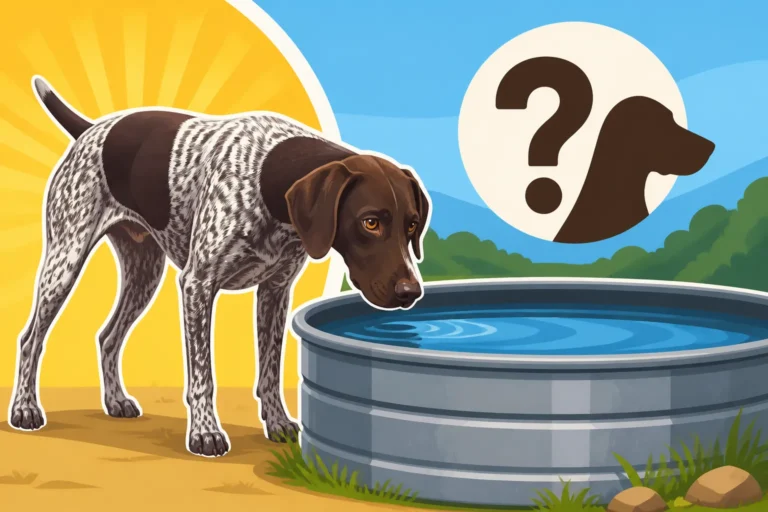
Certain types of outdoor activities or environments can necessitate a bath, even if your GSP doesn't come home visibly caked in mud. For instance, if your German Shorthaired Pointer has been swimming in lakes or ponds where blue-green algae might be present, or in stagnant water, a bath is crucial to wash off potential toxins. Similarly, after a day running through fields treated with pesticides or fertilizers, a bath helps to remove any chemical residues from their coat, preventing them from ingesting them when they groom themselves.
Hunting in areas with heavy brambles, tick-infested tall grasses, or foxtails can also be a reason for a bath. While a thorough check and brushing are always first, sometimes those tiny irritants can get deeply embedded, and a good wash can help dislodge them. It’s not just about cleanliness; it’s about safety and preventing potential skin irritations or illnesses from environmental contaminants. Make sure you check them over for grass awns in the coat too!
Addressing Skin Conditions or Allergies
This is a specific, medically-driven reason for bathing, and it's quite different from a routine "dirty dog" bath. If your German Shorthaired Pointer is suffering from a diagnosed skin condition such as allergies, seborrhea, or certain fungal or bacterial infections, your veterinarian might prescribe medicated shampoos. These baths are therapeutic and are meant to be given at a specific frequency and left on for a particular contact time, as directed by your vet.
In these cases, the bath is part of the treatment plan, designed to deliver active ingredients to the skin to alleviate symptoms, reduce inflammation, or kill pathogens. This isn't just about cleaning; it's about healing. For example, a dog with Lupoid Dermatosis and a Shorthair's Scaling Skin might need specific soothing baths. You would never want to over-bathe a healthy dog with these types of shampoos, but for a dog with a specific condition, they are indispensable. Always consult your vet before using medicated shampoos, as using the wrong one or using it incorrectly can worsen the problem.
Master the Bathing Process for Your German Shorthaired Pointer
When the time finally comes for your German Shorthaired Pointer to have a bath, doing it correctly can make all the difference in protecting their skin and ensuring a positive experience for both of you. It's not just about getting them wet and sudsy; it's a careful process that involves choosing the right products, executing the wash efficiently, and ensuring proper post-bath care. Getting it right means a cleaner dog without the irritation.
Choosing the Right Shampoo and Conditioner
This is perhaps the most critical step when bathing your GSP. Skip the human shampoos or harsh dish soaps, no matter how convenient they seem. A dog's skin pH is different from a human's, and products not formulated for dogs can be extremely irritating and drying. Look for shampoos specifically designed for dogs, ideally tearless and sulfate-free. For a GSP with a healthy coat, a gentle, moisturizing shampoo is usually best. If your dog has sensitive skin, look for oatmeal-based or hypoallergenic formulas.
Consider a dog-specific conditioner, especially if your GSP's skin tends to be dry or if you're bathing them more frequently due to a medical condition. A good conditioner helps to replenish some of the moisture lost during shampooing and can leave their coat softer and healthier. Brands like Earthbath or Burt's Bees make excellent natural pet shampoos and conditioners that are gentle on the skin. You can find a wide variety of these products, along with grooming tools, on platforms like Chewy or Amazon, making it easy to pick one that suits your dog's needs.
The Bathing Process: Step-by-Step
Once you have your products ready, gather your supplies: a non-slip mat for the tub, a brush, plenty of towels, and some treats for positive reinforcement.
- Brush Before Bathing: Always start with a thorough brushing. This helps remove loose hair, dirt, and any tangles (though GSPs are less prone to tangles, it's still good practice) that could become worse when wet. It also allows the shampoo to penetrate more effectively.
- Wet Thoroughly: Use lukewarm water and thoroughly wet your GSP's entire coat, from neck to tail, being careful around their face. Ensure the water penetrates down to the skin.
- Apply Shampoo: Dilute the shampoo slightly in water first, if recommended by the product instructions. Apply small amounts and work it into a lather, massaging it gently into their coat and skin. Pay special attention to their belly, armpits, and paws. Avoid getting soap in their eyes or ears. For their face, use a damp cloth rather than pouring water directly.
- Rinse, Rinse, Rinse!: This is where many owners fall short. Residual shampoo can cause skin irritation, flakiness, and itching. Rinse your GSP's coat thoroughly until the water runs completely clear and you can no longer feel any slickness on their fur. This often takes much longer than you anticipate.
- Condition (if using): If using conditioner, apply it as directed, usually by massaging it in and letting it sit for a few minutes before rinsing. Again, rinse thoroughly.
Post-Bath Care and Drying
After rinsing, the drying process is just as important. A wet GSP can quickly get chilled, especially with their thin coat, and damp skin can become irritated or a breeding ground for yeast.
- Towel Dry Vigorously: Use several absorbent towels to remove as much water as possible. German Shorthaired Pointers love to shake, so be prepared, or take them outside for the initial shake-off!
- Air Dry or Low Heat Dryer: In warm weather, your GSP might be able to air dry completely, especially if they are active. In cooler weather or if you're concerned about damp skin, you can use a dog-specific forced air dryer or a human hairdryer on the lowest heat setting. Keep the dryer moving to avoid overheating any one spot. Be mindful of their short coat; it dries quickly, so don't overdo it.
- Check Ears: After every bath, it’s crucial to gently clean and dry their floppy ears, as moisture trapped in the ear canal can lead to infections. Drying a Shorthair's Ears After Every Swim is always a good idea.
- Reward: Always end the bathing experience with praise and a high-value treat. This helps create a positive association, making future baths less stressful.
Beyond the Tub: Keeping Your Shorthair Clean and Healthy Between Washes
The key to rarely needing a full bath for your German Shorthaired Pointer lies in consistent, proactive care between those necessary bathing sessions. Their natural coat properties, combined with a few simple grooming habits, can keep them looking and feeling fresh without the risk of over-bathing. Think of it as a daily maintenance routine that safeguards their skin health.
Regular Brushing and Wiping Down
Brushing is your best friend when it comes to managing a GSP's coat and delaying baths. Aim for a quick brush-down several times a week, or even daily, especially if they've been particularly active outdoors. A rubber curry brush or a shedding blade works wonders for removing loose hair, dirt, and dander from their short, dense coat. This isn't just about removing debris; it also stimulates blood circulation to the skin and helps distribute those essential natural oils evenly, promoting a healthy, shiny coat.
For surface dirt, especially after a walk on a damp day or a run in the park, a simple wipe-down with a damp cloth or a pet-safe grooming wipe can do wonders. Keep a stack of old towels near the door for quick clean-ups after muddy paws enter the house. This routine prevents dirt from building up and becoming ingrained, reducing the need for a full bath significantly. You’ll be amazed how much cleaner your house stays, and your GSP will appreciate the attention.
Ear and Paw Care
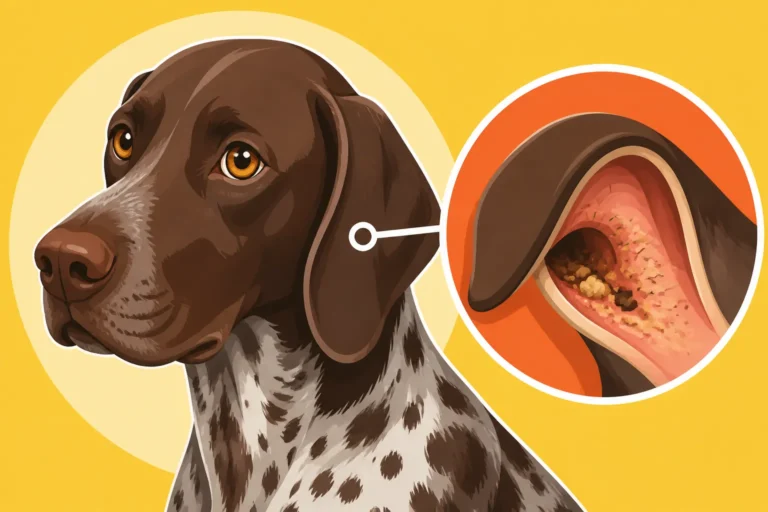
These often-overlooked areas are crucial for overall hygiene and comfort, and keeping them clean can prevent odors that might otherwise tempt you to reach for the shampoo. Your German Shorthaired Pointer's floppy ears are prone to trapping moisture, dirt, and debris, making them susceptible to ear infections. Make it a habit to check their ears daily, especially after swimming or running through tall grass. Drying a Shorthair's Ears After Every Swim is crucial. Use a vet-approved ear cleaner and cotton balls to gently wipe out the visible parts of the ear canal. Never use cotton swabs deep inside the ear, as this can push debris further in and damage delicate structures.
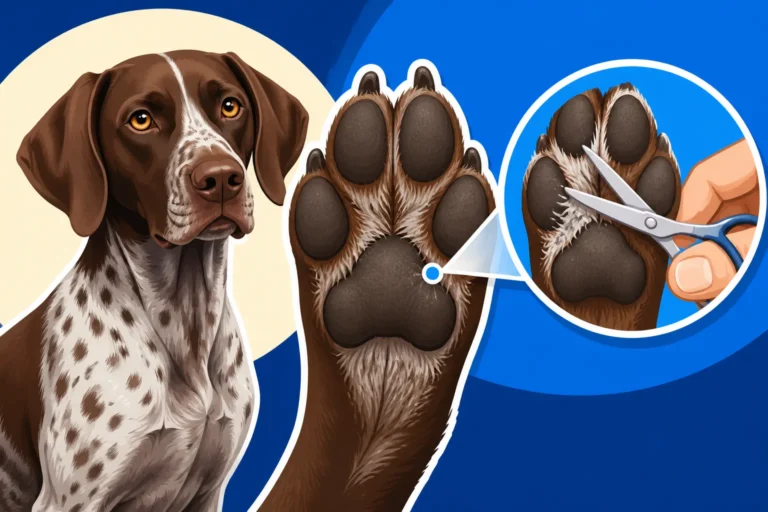
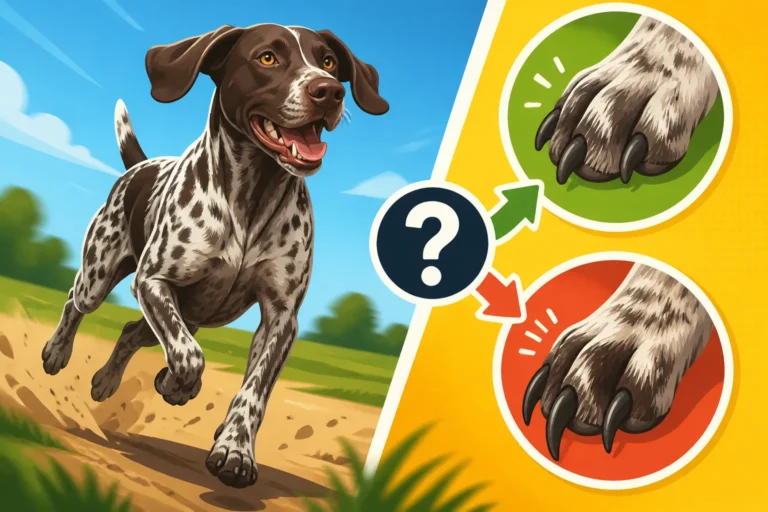
Their paws, constantly in contact with the ground, can pick up all sorts of things. After outdoor excursions, particularly in rough terrain or icy conditions, wipe down their paws to remove dirt, allergens, salt, or chemicals. Regularly inspect their paw pads for cuts, cracks, or embedded objects like stickers or foxtails. Keeping their nails trimmed short is also part of good paw hygiene; excessively long nails can impact their gait and cause discomfort. You can learn more about Checking a German Shorthaired Pointer Over After a Hunt to catch these things early.
Spot Cleaning and Deodorizing
Not every smelly situation warrants a full bath. If your GSP has a specific dirty spot – maybe they brushed against something greasy, or rolled in a patch of fresh mud – spot cleaning can be incredibly effective. Use a damp cloth with a tiny bit of dog-specific shampoo or a pet-safe stain remover to clean just the affected area. Rinse thoroughly with another damp cloth to ensure no residue is left.
For general "doggy odor" that isn't indicative of a skin issue, a pet-safe deodorizing spray can be a lifesaver. These sprays typically use natural enzymes or mild fragrances to neutralize odors rather than just masking them. You can find many excellent options online from retailers like Chewy or Amazon. Another simple trick is to sprinkle a small amount of baking soda on their dry coat, let it sit for a few minutes to absorb odors, then brush it out thoroughly. This can work wonders to freshen them up between baths. Even some fresh dog food brands like Ollie offer nutrient-rich foods that can support coat health from the inside out, potentially reducing some odors over time.
Frequency Guide: How Often to Bathe Your German Shorthaired Pointer
Deciding on the perfect bathing frequency for your German Shorthaired Pointer really boils down to a few key factors: their lifestyle, individual coat and skin health, and the environment they're in. There's no one-size-fits-all answer, but understanding the general guidelines can help you make the best decision for your unique companion.
| Factor | Recommended Bathing Frequency | Rationale |
|---|---|---|
| Average, Active Pet Dog | Every 2-4 months | Minimal environmental exposure, regular brushing sufficient for cleanliness. |
| Hunting/Field Dog | As needed (after significant grime) | Frequent exposure to mud, water, strong odors; prioritize spot cleaning. |
| Dog with Skin Allergies/Conditions | As directed by vet | Medicated baths are therapeutic; frequency depends on specific treatment plan. |
| Dog with Mild Body Odor | Every 1-2 months, plus spot cleaning | General freshening, but monitor for underlying skin issues if odor persists. |
| Dog Rolling in Foul Smells | Immediately | Essential for hygiene and living comfort; prevent ingestion of toxins. |
| Dog with Dry/Sensitive Skin | As infrequently as possible | To preserve natural oils; focus on gentle, moisturizing shampoos when needed. |
In most cases, an active German Shorthaired Pointer who is regularly brushed will only need a full bath every two to four months. For those GSPs who are truly living up to their hunting heritage and spending significant time in the field, this frequency might increase to 'as needed' – meaning when they come home genuinely filthy, covered in mud, or carrying an undeniable odor from a particularly adventurous outing. You might find them needing a bath after a day in the field, or needing to learn The Rest a Shorthair Needs Between Eating and Running to prevent bloat.
The most important takeaway is to observe your individual dog. If their skin appears dry, flaky, or irritated after a bath, you're likely bathing them too often or using the wrong products. If they develop a persistent smell or skin issues between baths, it might be a sign of an underlying health concern that warrants a vet visit, rather than just another dip in the tub. Prioritize skin health over perceived cleanliness, and you'll have a much happier, healthier German Shorthaired Pointer in the long run.
Ultimately, your German Shorthaired Pointer's robust, naturally protective coat doesn't demand frequent bathing. In fact, over-zealous scrubbing can do more harm than good, stripping away vital oils and disrupting their skin's delicate balance. By understanding their unique coat, opting for baths only when truly necessary, and committing to a consistent routine of brushing and spot cleaning, you'll ensure your GSP stays healthy, comfortable, and acceptably fresh without constantly reaching for the shampoo bottle. Embrace their natural resilience, and you'll both be happier for it!
Disclaimer
This article is for general informational purposes only and does not constitute professional advice. Laws, prices and regulations vary by location and change over time. Consult a qualified professional for guidance on your specific situation.