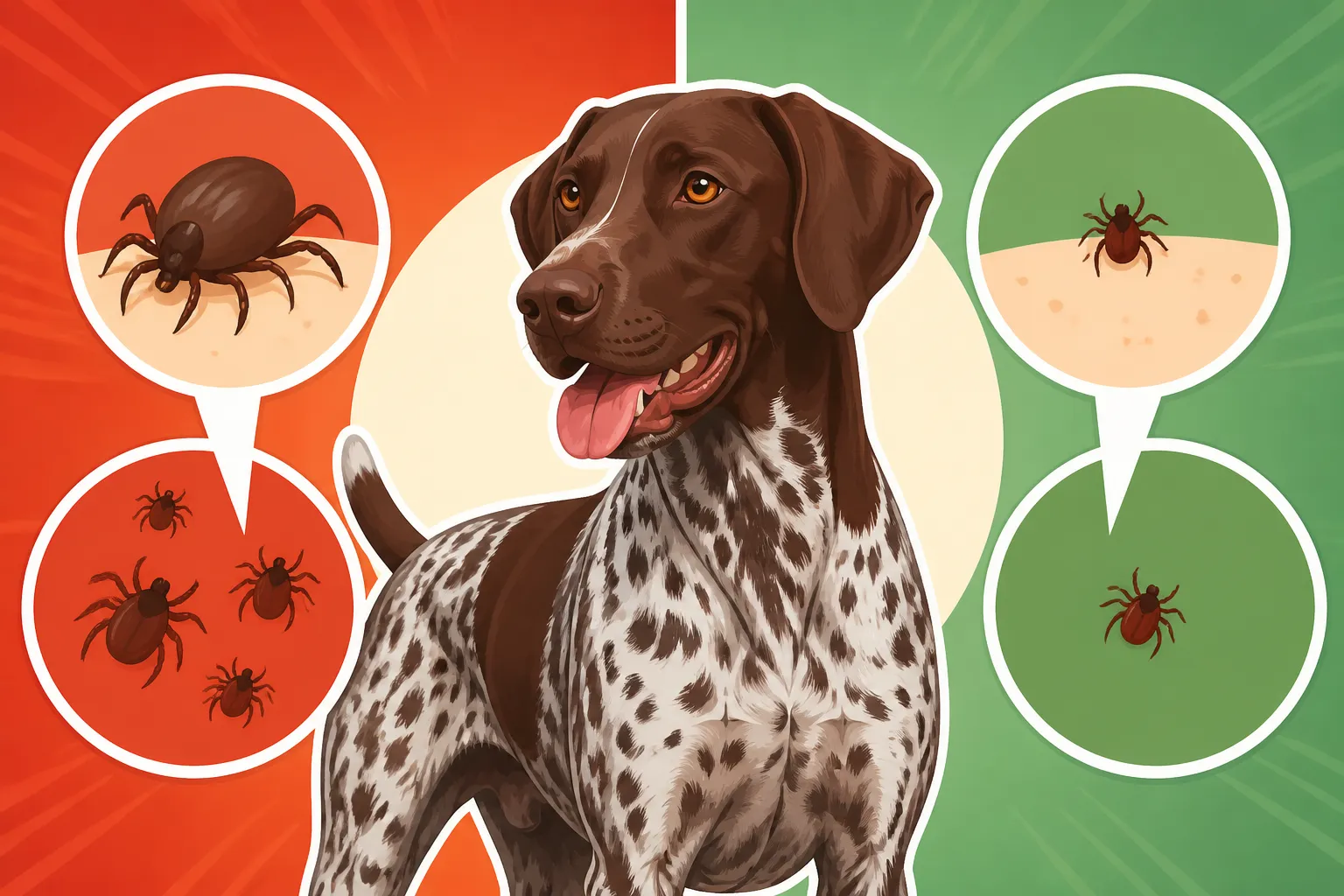
Whether a Shorthair Picks Up More Ticks Than Other Dogs
It's a common worry for us German Shorthaired Pointer owners, isn't it? You spend a wonderful day out in the field or even just romping in the backyard, and then the inevitable happens: you find a tick. With their sleek, short coats, it often feels like every single tick is on full display, leading to the nagging question: do Shorthairs actually pick up more ticks than other dogs, or does it just seem that way? This guide will dive deep into the unique characteristics of our beloved GSPs that might make them a tick magnet, and more importantly, how you can protect them.
The German Shorthaired Pointer's Unique Vulnerabilities to Ticks
When you look at a German Shorthaired Pointer, their streamlined, athletic build and short coat are immediately apparent. It's one of their defining features, making them perfectly suited for busting through dense cover without getting tangled or overheated. But these very attributes, while fantastic for performance, can also present some unexpected challenges when it comes to unwelcome hitchhikers like ticks.
Why Their Short Coat Isn't Always an Advantage
You might think that a short coat would be a tick deterrent. After all, there's less hair for them to hide in, right? And in some ways, that's true – it often makes them easier to spot when they're crawling or newly attached. However, the flip side is that there's less of a barrier between the tick and your dog's skin. A thick, double-coated breed might offer a tick a bit more of an obstacle course to navigate before it finds skin, but for our Shorthairs, it's a much more direct route.
Imagine your GSP running through a field of tall grass or underbrush. Ticks, particularly the common deer tick or American dog tick, love to perch on vegetation, waiting for a host to brush by. On a heavily coated dog, many of these ticks might get caught in the outer layers of fur, potentially dislodging before they ever reach the skin. With a Shorthair, that first point of contact is often very close to the skin, giving them less distance to travel and fewer opportunities to be brushed off. This means they can attach quickly, sometimes without you even realizing they were there until the tick has had time to engorge.
This direct skin exposure means that while you might see ticks more readily on your Shorthair, it's also quite possible they attach with less fuss than on a long-haired counterpart. It's not necessarily that more ticks jump on them, but rather that the ones that do have an easier time setting up shop. This can make us GSP owners feel like our dogs are always covered, even if the actual infestation rate isn't wildly different from other active breeds.
A Hunter's Life in Tick-Prone Habitats
German Shorthaired Pointers are, by their very nature, dogs of the field and forest. They thrive on activity, whether it's an intense hunting excursion for pheasants or a long hike through the woods. This is where the real exposure happens. Ticks aren't found in the middle of a paved city park; they're in the very environments our GSPs love to explore: tall grasses, dense scrub, wooded edges, and leaf litter.
Think about a typical hunting scenario. Your Shorthair is quartering a field, nose to the ground, pushing through thick cattails or running along a wooded creek bed. These are prime tick habitats. Their low-to-the-ground, full-speed exploration means they are constantly brushing against vegetation that is teeming with these tiny arachnids. Unlike a dog that mostly sticks to manicured lawns, a GSP's daily routine often puts them squarely in the path of ticks. Field Injuries a Hunting German Shorthaired Pointer Comes Home With are not the only things to worry about after such outings; ticks are a persistent threat.
It's not just hunting, either. Many GSP owners take their dogs hiking, camping, or even just exploring local nature trails. Any time your Shorthair is off the beaten path, especially in spring, summer, and fall, they are at increased risk. The sheer volume of time spent in these environments, combined with their energetic and inquisitive nature, certainly means a higher chance of encountering ticks, and therefore, a higher likelihood of picking them up compared to a less active dog or one that primarily stays in urban settings.
The "Scent" Factor: Are They More Attractive?
There's some debate and anecdotal evidence about whether certain dog breeds are more attractive to ticks than others, often attributed to factors like body temperature or scent. German Shorthaired Pointers are incredibly athletic dogs with high metabolisms, especially when they're working. This means they often run a bit warmer and can give off more body heat than a more sedentary breed.
Ticks are known to be attracted to carbon dioxide, body heat, and certain scents. A GSP, panting and radiating warmth after a vigorous run, could potentially be a more appealing target for a tick waiting on a blade of grass. While there's no definitive scientific consensus that GSPs inherently smell "sweeter" to ticks, their intense activity levels and the resulting physiological changes (like increased body temperature and respiration) could theoretically make them stand out in a tick's sensory world.
Furthermore, a dog that is constantly on the move might actually dislodge some ticks before they fully attach. However, the sheer volume of contact with tick-laden vegetation during their energetic endeavors likely outweighs any benefit from movement. It's a double-edged sword: their drive and athleticism make them incredible companions and hunters, but those same traits mean they're often in the thick of tick territory, potentially making them more noticeable to these parasites.
Common Tick Hotspots and How to Check Your Shorthair
Finding a tick on your German Shorthaired Pointer isn't just about the "ick" factor; it's a health concern. Ticks can transmit a variety of serious diseases, so knowing where they typically hide and how to effectively remove them is paramount. Our Shorthairs might have short coats, but ticks are masters of concealment.
Where Ticks Love to Hide on a GSP
Despite their short hair, ticks are incredibly adept at finding cozy, protected spots on your GSP's body. These are often areas that are warm, moist, and less frequently disturbed by scratching or shaking. Knowing these common hotspots is the first step in a thorough inspection.
One of the absolute top spots is in and around the ears. Ticks will crawl into the ear flap, sometimes even deep inside the ear canal, seeking the warmth and soft skin. Be sure to gently fold back your dog's ears and inspect all the creases and folds. Another prime location is between the toes and paw pads. When your Shorthair is running through brush, ticks can easily crawl up their legs and lodge themselves in these protected areas, often going unnoticed until they're engorged. You'll need to spread the toes wide and check carefully. Boots for a Shorthair on Rock and Stubble can offer some protection, but even then, a thorough check is essential.
Other favored spots include the armpits and groin area, where skin is thin and the folds provide shelter. Don't forget to check under their collar, around their eyelids, and under their tail, especially at the base. Even their short muzzle and chin can be targets. Any area where there's a natural crease, warmth, or where their short fur might create a slight "pocket" is fair game for a tick. A good rule of thumb is to assume no spot is completely safe and to check absolutely everywhere.
A Post-Hunt Routine for Tick Detection
After a long day in the field, your German Shorthaired Pointer is likely tired, happy, and possibly covered in burrs, grass awns, and yes, ticks. Establishing a rigorous post-hunt inspection routine is one of the most effective ways to protect your dog. Don't put it off until tomorrow; ticks can transmit diseases within hours of attachment, so prompt removal is key.
Start by getting your GSP onto a stable surface where you can comfortably examine them, like a grooming table or even just a well-lit floor. Begin at the head, systematically working your way down their body. Use your fingertips to gently run against the grain of their fur, feeling for any small bumps or irregularities. With a short-coated dog like a Shorthair, you can often see the ticks, but feeling for them helps you catch the ones that are deeply embedded or in tricky spots. Pay extra attention to all the hotspots we just discussed: ears, face, neck, armpits, groin, legs, paws (don't forget to spread those toes!), and under the tail. Checking a German Shorthaired Pointer Over After a Hunt should become second nature.
It's helpful to have good lighting, and some owners even use a fine-tooth comb to systematically part the fur and check the skin. If you find a burr or a Grass Awns in a Shorthair's Coat and How to Find Them, remove that too, as they can also cause irritation or bigger problems. The goal is to make this a calm, thorough process, turning it into a bonding experience rather than a frantic search. Consistency is critical; a quick glance won't cut it. Checking a German Shorthaired Pointer for Ticks Nightly becomes especially important during peak tick season.
Tools and Techniques for Safe Tick Removal
Finding a tick is one thing; removing it properly is another. Improper removal can leave parts of the tick embedded in your dog's skin, which can lead to infection or other complications. You'll want to have the right tools on hand: a good pair of fine-tipped tweezers or, even better, a specialized tick removal tool. Many pet supply stores, including large retailers like Chewy and Amazon, offer excellent tick removers designed to safely grasp the tick close to the skin without squeezing its body.
To remove a tick, part your dog's fur so you have clear access to the tick. Grasp the tick as close to your dog's skin as possible with your chosen tool. If using tweezers, grasp firmly but gently, avoiding squeezing the tick's body. If using a tick remover, slide it under the tick according to the tool's instructions. Then, pull upward with steady, even pressure. Do not twist or jerk, as this can break off the tick's head, leaving it embedded. The goal is to remove the entire tick, including its mouthparts.
Once the tick is removed, inspect it to ensure it's intact. You can place it in a small container with rubbing alcohol to kill it. Clean the bite area on your dog with an antiseptic wipe or rubbing alcohol. Keep an eye on the bite site for a few days for any signs of infection or unusual swelling. Never try to "burn" a tick off, apply petroleum jelly, or use fingernail polish, as these methods are ineffective and can cause the tick to regurgitate potentially disease-causing fluids into your dog. Prompt and proper removal is your best defense against tick-borne illnesses.
Strategies for Tick Prevention and Control
Prevention is always better than cure, especially when it comes to ticks and the diseases they carry. For a German Shorthaired Pointer, who loves to be outdoors and in environments where ticks thrive, a multi-pronged approach to prevention is essential. You're not just preventing a nuisance; you're safeguarding their long-term health.
Topical Treatments and Oral Medications
The market for tick prevention is vast, offering various options to suit different lifestyles and preferences. The most common and often most effective methods fall into topical treatments, oral medications, and special collars.
Topical "spot-on" treatments are applied directly to your dog's skin, usually between the shoulder blades, and the active ingredients spread across their body over time. These often work by killing ticks on contact or as they feed. They are generally applied monthly. Oral medications, usually given as a chewable tablet, work systemically through your dog's bloodstream. When a tick bites your dog, it ingests the medication and dies. These often offer protection for one to three months. Tick collars release chemicals that repel or kill ticks around your dog's head and neck, and sometimes over their entire body. Brands like Seresto offer long-lasting protection.
For a GSP, especially one that swims or works in wet conditions, the choice of preventative can be crucial. Some topical treatments can be less effective if your dog is frequently swimming, while oral medications are unaffected by water. Always consult with your veterinarian to discuss the best option for your individual dog, considering their lifestyle, health status, and local tick prevalence. They can help you weigh the pros and cons, ensuring you choose a product that provides robust Flea and Tick Cover for a Shorthair in Tall Grass without interfering with their active life. Your vet also conducts The Vet Schedule a Working Shorthair Should Keep, which often includes discussions about parasite prevention.
Environmental Management and Personal Protection
While protecting your German Shorthaired Pointer directly with medications is crucial, managing their environment and taking personal precautions adds another layer of defense. You can't control every patch of woods your GSP explores, but you can make your home environment less tick-friendly.
If you have a yard, keeping your grass mowed short and clearing away leaf litter, brush, and tall weeds can significantly reduce tick populations around your home. Ticks prefer moist, shady areas, so eliminating these habitats makes your yard less appealing. Creating a barrier of wood chips or gravel between your lawn and wooded areas can also deter ticks from migrating into your main activity zones. Regularly inspecting and treating outdoor structures like dog houses or kennels is also wise, as ticks can sometimes harbor there.
Beyond your home, remember that you, as the handler, can also pick up ticks and bring them indoors. When you're out with your GSP in tick-prone areas, dress in light-colored clothing so ticks are easier to spot, and tuck your pants into your socks. Consider using an EPA-registered insect repellent on exposed skin and clothing. Always do a thorough personal tick check after being outdoors, and throw your clothes in the dryer on high heat for 10 minutes to kill any lingering ticks. This holistic approach ensures protection for both you and your canine companion.
The Role of Regular Vet Checks and Health Monitoring
Even with the best preventative measures, some ticks might still make it through. This is why regular veterinary checks and monitoring for tick-borne diseases are so important for German Shorthaired Pointers, especially if they are frequently exposed to ticks.
Your annual vet visit is more than just shots; it's a chance for your vet to assess your dog's overall health and discuss any concerns, including tick exposure. Many vets recommend routine screening tests for common tick-borne diseases like Lyme disease, anaplasmosis, and ehrlichiosis, particularly in endemic areas. These tests can catch infections early, often before your dog shows overt symptoms, allowing for prompt treatment. Early detection significantly improves outcomes for these conditions.
Beyond the vet's office, you are your dog's first line of defense. Be vigilant for any changes in your GSP's behavior or health. Symptoms of tick-borne diseases can be vague, including lethargy, loss of appetite, lameness, joint pain, fever, or swollen lymph nodes. If you notice any of these signs, especially after finding ticks on your dog, contact your vet immediately. Conditions like The Skin Disease That Hits a German Shorthaired Pointer Before One can sometimes present with similar non-specific symptoms, making a vet's diagnostic expertise even more critical when tick exposure is a factor. Catching potential issues like Environmental Allergies in a Shorthair That Works Cover is also a part of these routine checks, as skin irritation can sometimes be mistaken for tick bites.
Debunking the "More Ticks" Myth: Perception vs. Reality
So, after all this, do German Shorthaired Pointers actually pick up more ticks than other dogs? It's a nuanced question, and the answer often boils down to a blend of their inherent traits and our human perception. While their lifestyle certainly puts them at higher risk of exposure, the idea that they are inherently "tick magnets" due to some biological predisposition beyond their activity level needs a closer look.
Visibility vs. Actual Infestation Rate
The most significant factor influencing our perception that Shorthairs get more ticks is their coat. With short, sleek fur, ticks simply have fewer places to hide. When a tick lands on a long-haired dog, it can easily disappear into the dense undercoat or get caught in the longer guard hairs, sometimes going unnoticed for days until it's engorged and much larger. On a German Shorthaired Pointer, that tick is often visible crawling across their skin or, once attached, presents as a distinct bump that's hard to miss.
This increased visibility means you're more likely to find every tick that lands on your GSP. While a long-haired dog might have just as many ticks on them after a walk in the woods, many could go undetected until they've been there for a while. So, it's not necessarily that more ticks are attaching to your Shorthair, but rather that the ones that do are more readily apparent to you. This leads to the feeling that your GSP is constantly covered, even if the total number isn't statistically higher than a similarly active, but furrier, breed.
It's a testament to the fact that prevention and diligent checking are important for all dogs that spend time outdoors, regardless of coat length. The short coat of a GSP simply gives us a visual advantage in the battle against these parasites, allowing for quicker detection and removal.
The Human Factor: Diligence and Awareness
Another key aspect that might contribute to this perception is the diligent nature of German Shorthaired Pointer owners. We know our dogs love to run, hunt, and explore, putting them in harm's way regarding ticks. This heightened awareness often leads us to be incredibly proactive about checking them. We're often performing thorough inspections after every outing, which means we're more likely to catch ticks earlier than someone who might give their dog a more cursory pat-down.
This diligence, while excellent for our dogs' health, can sometimes create the impression that there are "more" ticks to be found simply because we are looking harder and more often. If a dog's owner isn't as thorough, many ticks might go undetected and fall off naturally once engorged, without the owner ever knowing they were there. For us GSP owners, the visibility of our dogs' coats, coupled with our understanding of their active lifestyles, means we're constantly on tick patrol. This is a good thing! It protects our dogs from Heat Exhaustion in an Early Season Shorthair and other hazards, including ticks.
The bottom line is that while a German Shorthaired Pointer's lifestyle and coat type make them highly susceptible to tick exposure and make ticks highly visible, it's the owner's diligence that often determines how many ticks are actually found and removed. Proactive measures, consistent checking, and effective preventatives are the real game-changers, regardless of any perceived breed-specific "tick magnet" qualities.
Long-Term Health Implications of Tick Bites
Ultimately, whether your German Shorthaired Pointer picks up slightly more ticks than another breed is less important than the potential health ramifications of even a single bite. Ticks aren't just an unpleasant part of owning an active dog; they are vectors for serious diseases that can have lasting impacts on your GSP's health and even shorten The Twelve to Fourteen Years a German Shorthaired Pointer Gets.
Diseases like Lyme disease, ehrlichiosis, anaplasmosis, and Rocky Mountain spotted fever can cause a range of symptoms, from joint pain and lethargy to severe bleeding disorders and kidney failure. Some of these diseases can be chronic and require long-term management. The treatment for such illnesses can lead to significant The Vet Bills a Hunting German Shorthaired Pointer Earns. This is why the conversation isn't just about how many ticks, but about preventing any tick from transmitting disease.
By understanding your GSP's exposure risks, implementing consistent prevention strategies, and performing regular, thorough checks, you are doing everything you can to protect your beloved companion. The perception of "more ticks" is a reminder to stay vigilant, and with our Shorthairs, vigilance is a badge of honor we wear for their health and happiness.
Here's a quick comparison of common tick prevention methods:
| Method Type | Application | Pros for GSP | Cons for GSP |
|---|---|---|---|
| Oral Chews | Monthly or quarterly chewable tablet | Unaffected by swimming/bathing; no residue on coat; convenient. | Tick must bite to be affected; requires vet prescription; potential side effects. |
| Topical Spot-Ons | Liquid applied to skin, usually monthly | Repels and kills ticks before they can attach; widely available (e.g., Chewy). | Can leave residue; effectiveness reduced by frequent swimming/shampooing; some GSPs react to application site. |
| Tick Collars | Collar worn continuously | Long-lasting protection (e.g., up to 8 months for some brands); repels ticks. | Can be lost; some dogs develop skin irritation under collar; less effective if not fitted properly. |
| Natural Repellents | Sprays/oils with essential oils | Chemical-free approach; pleasant scent (to humans). | Variable effectiveness; requires frequent reapplication; some essential oils can be toxic to dogs if ingested. |
Disclaimer
This article is for general informational purposes only and does not constitute professional advice. Laws, prices and regulations vary by location and change over time. Consult a qualified professional for guidance on your specific situation.