Whether a German Shorthaired Pointer Shivers Easily
It’s a common sight for German Shorthaired Pointer owners: your athletic, high-energy dog, bred for resilience in the field, is suddenly trembling like a leaf even when the temperature seems only mildly chilly. This can be genuinely unsettling, making you wonder if your loyal companion is constantly cold, anxious, or if something more serious is at play. This guide aims to shed light on why German Shorthaired Pointers can appear to shiver easily and offer practical insights into keeping them comfortable and safe, whether they’re out hunting or curled up at home.
The German Shorthaired Pointer's Unique Physiological Makeup
German Shorthaired Pointers, or GSPs, are remarkable athletes, built for speed, endurance, and versatility. But their very design, which makes them such incredible hunting partners, also contributes to why they might seem to shiver more readily than some other breeds. It’s not necessarily a sign of weakness, but rather a combination of their physical attributes and their intense nature.
The Lean, Single Coat Dilemma
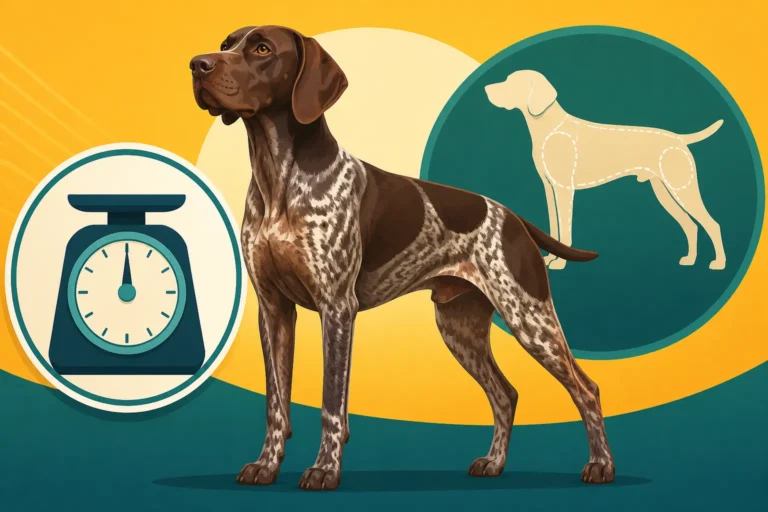
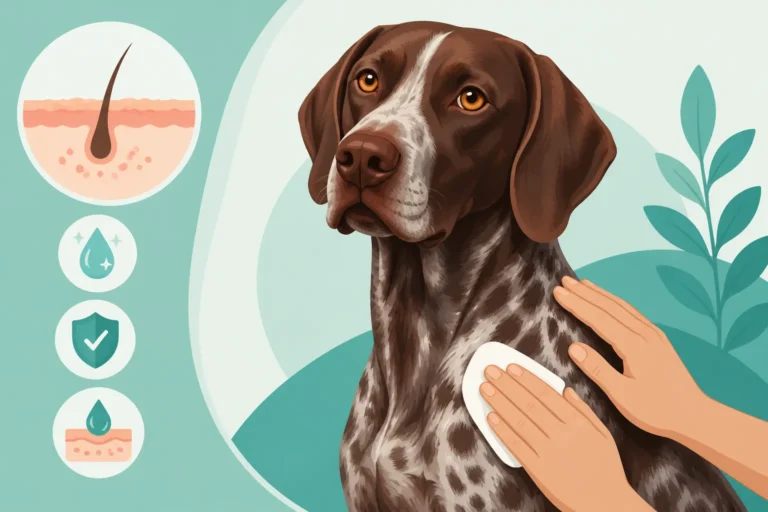
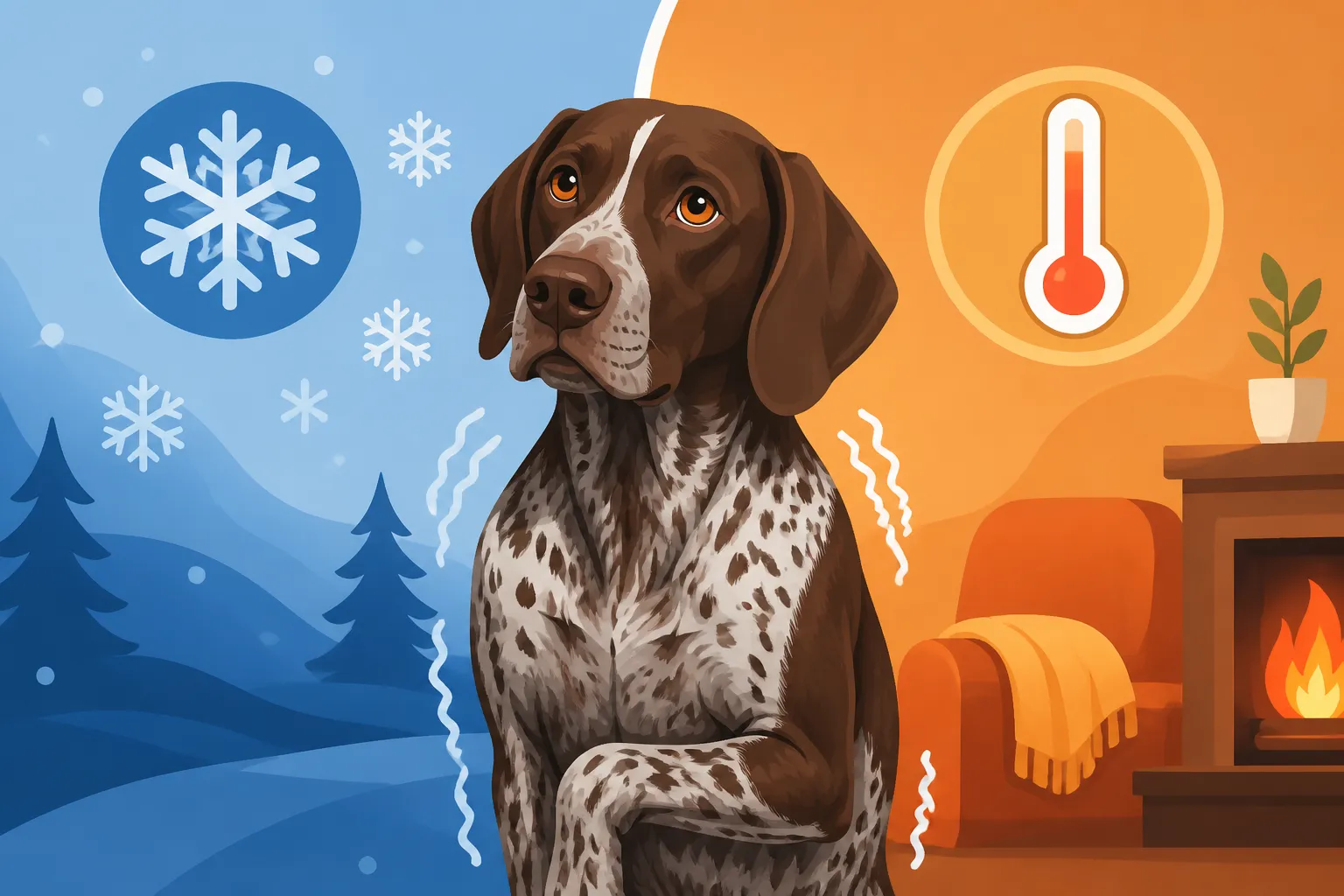
One of the most defining characteristics of a German Shorthaired Pointer is their short, dense coat. Unlike many northern breeds, or even some other sporting dogs like Labradors, GSPs do not possess a thick undercoat designed to trap warm air close to their body. Their coat is streamlined, water-repellent, and offers excellent protection against brush and minor abrasions in the field, but it provides minimal insulation against sustained cold or wind. Think of it like wearing a light running jacket in winter; it’s fine for a quick sprint, but not for prolonged exposure.
This lack of a substantial insulating layer means that their body temperature can drop more quickly when exposed to cold air, especially when they are inactive. You might notice it after a retrieve from cold water, or simply sitting in a duck blind on a blustery day. Cold and Heat on a Shorthair With Almost No Coat delves deeper into how their coat influences their temperature regulation. Their lean build, without a lot of subcutaneous fat, further reduces their natural insulation, making them feel the chill much faster than a more heavily built or double-coated dog.
High Metabolism and Rapid Energy Burn
German Shorthaired Pointers are metabolic powerhouses. They are bred to run, to point, to retrieve, and to do it all day long. This high metabolism is what fuels their incredible energy levels and athletic prowess. However, it also means they burn through calories rapidly, generating a lot of heat when they are active, but potentially losing that heat just as quickly when they stop moving.
When a GSP is working hard, their internal furnace is roaring. Their muscles are generating heat, and their body is constantly regulating that temperature. But once they cease activity, especially in cool or cold conditions, their metabolism might struggle to maintain core body temperature with less fuel being burned, leading to shivering as the body attempts to generate warmth. This isn't necessarily a sign they're 'cold' in a dangerous way, but rather their body's efficient (if sometimes overzealous) response to perceived temperature drops. This is why proper nutrition, like the high-quality, calorie-dense foods you can find on Chewy or even fresh-prepared options from services like Ollie, is crucial to maintaining their internal furnace. Feeding a Dog That Burns What a Shorthair Burns explores these nutritional needs in detail.
Environmental and Behavioral Triggers for Shivering
It’s not just about the internal mechanics of a German Shorthaired Pointer; external factors and even their own emotional state can play a significant role in why they appear to shiver easily. Understanding these triggers can help owners better interpret their dog's behavior and provide appropriate care.
The Impact of Cold, Wind, and Wet Conditions
As mentioned, a GSP's coat offers limited protection against the elements. Direct cold, especially when combined with wind, can quickly strip away body heat. Even a temperature that feels mild to a human wearing layers can feel quite chilly to a GSP who is not actively generating heat. Imagine a crisp fall morning: you're bundled in a fleece, but your Shorthair has nothing but their short hair between them and the breeze. They're going to feel it.
Being wet exacerbates the problem immensely. Water conducts heat away from the body far more efficiently than air. If your GSP has been swimming or is caught in the rain, that short coat, while somewhat water-repellent, isn't going to prevent them from getting soaked to the skin. Once wet, they'll lose heat rapidly, and shivering will kick in as their body's natural defense mechanism. This is particularly relevant for dogs that love water retrieves; The Water Temperature a Shorthair Should Not Enter highlights how important it is to be mindful of cold water risks.
Excitement, Stress, and Anxiety as Shivering Causes
Beyond just physical cold, GSPs are highly intelligent and sensitive dogs, and their emotions can also manifest as shivering. Excitement, stress, or anxiety can all trigger involuntary muscle tremors that look exactly like shivering from cold.
Consider the pre-hunt jitters: your GSP knows the routine, sees the gear coming out, hears the truck door open. Their anticipation builds, adrenaline pumps, and they might start quivering with sheer eagerness. This is a common and normal reaction for a high-drive working dog. Similarly, a visit to the vet, a new environment, or even loud noises like thunder can cause enough stress or anxiety to make them tremble. It's their body's way of coping with heightened emotional states, often releasing excess energy or reacting to perceived threats. It's important to learn to differentiate between environmental cold and emotional responses, though sometimes they can overlap, making your dog shiver even more intensely.
Post-Exertion Chill and Recovery
After a long, strenuous run in the field or an intense training session, a GSP's body has been working incredibly hard. Their muscles have been firing, blood has been pumping, and they've likely been generating a lot of heat. When they suddenly stop, their metabolism begins to slow down, and their body's temperature regulation system can sometimes overcorrect, leading to a noticeable post-exertion chill.
This is a bit like a human athlete cooling down after a vigorous workout; you might feel cold even if the ambient temperature isn't extreme. For a lean, short-coated GSP, this can be quite pronounced. They've burned through a lot of energy, and their body is now trying to recover and return to a normal state. Providing warmth, a blanket, and a good meal rich in calories can help them recover and stop the shivering more quickly. Ensuring they have access to their crate with soft bedding, maybe even a heated bed from Amazon, can be a great way to aid this recovery process, especially after a long day afield. Keeping a Shorthair Warm in a Truck Box also touches on keeping them comfortable during transit after a hunt.
Differentiating Normal Shivering from Cause for Concern
While shivering is often a normal part of a German Shorthaired Pointer's physiology or emotional expression, it's crucial for owners to know when to pay closer attention. Not all shivering is benign; sometimes, it can signal an underlying health issue that needs veterinary attention.
When Shivering Is Likely Normal
Most of the time, shivering in a GSP is a normal, healthy response. If your dog is shivering but otherwise appears bright, alert, and responsive, it's usually nothing to worry about. Common scenarios where shivering is normal include:
- Mild Cold Exposure: They've been outside for a bit on a cool, breezy day, or just came in from a quick potty break.
- Post-Swim: After a dip in the lake or stream, even on a warm day, the immediate evaporative cooling can make them shiver.
- High Excitement/Anticipation: Seeing you grab the leash, hearing the "who wants to go" cue, or arriving at a favorite hunting spot.
- Mild Stress/Anxiety: A new person in the house, a brief car ride, or a small change in routine.
- Post-Exercise Cool-down: After a vigorous run, as their body temperature starts to return to normal.
In these situations, the shivering is usually transient. Once they're warm, calmed down, or recovered, the tremors should subside fairly quickly. Their gums should be pink, their body temperature should feel normal to the touch (not ice-cold), and they should be otherwise behaving typically.
Red Flags: When Shivering Might Indicate a Problem
There are definitely times when shivering should raise a red flag and prompt a call to your veterinarian. If the shivering is persistent, accompanied by other symptoms, or occurs without an obvious external trigger, it's best to err on the side of caution.
Signs that shivering might be problematic include:
- Persistent Shivering: If the shivering doesn't stop even after they've been brought into a warm environment, dried off, and are otherwise settled.
- Lethargy or Weakness: Shivering combined with being unusually tired, reluctant to move, or weak in their limbs.
- Pain Response: Shivering when touched in a specific area, or if they cry out, limp, or show other signs of pain. A GSP might shiver as a response to deep, internal pain even if there's no visible injury.
- Gastrointestinal Distress: Shivering alongside vomiting, diarrhea, or unproductive retching. This is especially critical for GSPs due to their risk of bloat (GDV). The Bloat Risk a Shorthair Carries Into Every Season is a must-read for any GSP owner.
- Fever: If your dog feels unusually hot to the touch (especially around the ears or groin), a fever can cause shivering as the body tries to raise its core temperature.
- Unusual Behavior Changes: Shivering accompanied by confusion, disorientation, excessive panting without exertion, or any other out-of-character behavior.
- Pale Gums or Cold Extremities: These can be signs of shock, hypothermia, or other serious circulatory issues.
- Exposure to Toxins: If you suspect your GSP has ingested something toxic, shivering can be a symptom of poisoning.
Table: Normal vs. Concerning Shivering
| Feature | Normal Shivering | Concerning Shivering |
|---|---|---|
| Duration | Brief, stops when conditions/emotions change | Persistent, doesn't resolve with warmth/calm |
| Accompanying Symptoms | None, dog is otherwise bright & alert | Lethargy, pain, vomiting, diarrhea, fever, disorientation, pale gums |
| Trigger | Obvious cold, excitement, mild stress | No clear trigger, or out of proportion to trigger |
| Response | Improves with warmth, comfort, or calming | Does not improve, worsens, or is severe |
| Dog's Demeanor | Engaged, happy, eager to interact | Withdrawn, reluctant to move, agitated, unwell |
If you observe any of the red flags, contact your veterinarian immediately. It’s always better to be safe than sorry when it comes to your dog’s health.
Practical Strategies to Keep Your Shorthair Warm and Comfortable
Knowing why your German Shorthaired Pointer shivers easily empowers you to take proactive steps to ensure their comfort and well-being. From managing their environment to equipping them with the right gear, there are many ways to support your heat-sensitive companion.
Providing Appropriate Gear for Cold Weather
Given their minimal natural insulation, proper gear is essential for GSPs, especially when temperatures drop or conditions are wet and windy. Don't assume their "tough dog" reputation means they don't need help staying warm.
- Coats and Vests: A well-fitting dog coat or vest is probably the most straightforward way to add a layer of warmth. Look for options made from waterproof or water-resistant materials with good insulation. For very cold days, a fleece-lined or insulated jacket can make a huge difference. For water work, neoprene vests are invaluable, offering both warmth and flotation. Vests and Coats a German Shorthaired Pointer Actually Needs offers more specific recommendations. You can find a vast selection of these on Chewy or Amazon, allowing you to compare styles and materials.
- Boots and Paw Protection: While not directly related to core body temperature, cold ground can be uncomfortable and even dangerous for paw pads. Boots can offer protection against ice, snow, and extreme cold, though getting a GSP used to them takes patience. Boots for a Shorthair on Rock and Stubble is a good resource if you're considering them for field use.
- Elevated Beds and Warm Bedding: Off the cold floor is always better. Elevated beds allow air to circulate underneath, preventing heat loss to cold surfaces. For indoor use, a cozy dog bed with plenty of blankets or a self-warming pet mat (easily found on Amazon) can provide a snug spot for your GSP to relax without shivering.
Indoor Comfort and Environmental Management
Even indoors, you might notice your GSP shivering if your home is on the cooler side, especially during inactive periods like napping. Simple adjustments can make a big difference.
- Designated Warm Spots: Ensure your GSP has access to a warm, draft-free area in your home. This might be a sunny spot on the rug, a dog bed near a heat vent (but not directly in front of one, as it can cause dryness), or in your presence under a blanket.
- Manage Drafts: Check for drafts around windows and doors, especially where your dog's bed or common lounging areas are. Blocking these drafts can significantly improve their comfort.
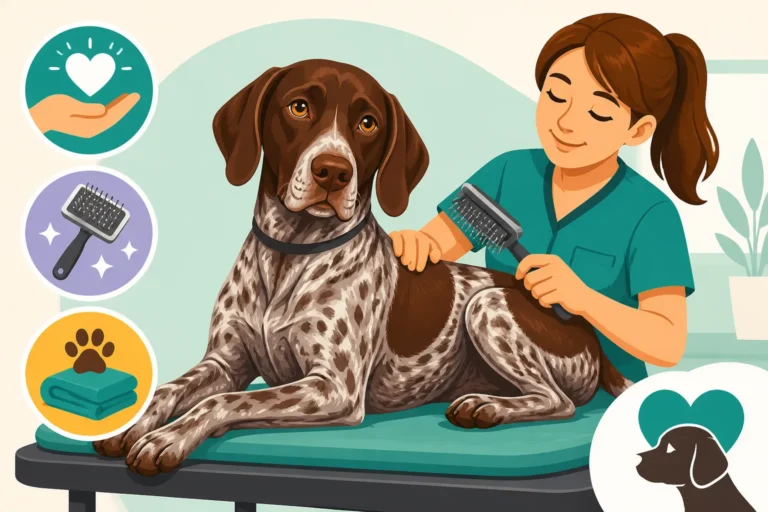
- Warm-up Routines: After coming in from a cold or wet outing, immediately towel dry your GSP thoroughly, especially their chest and belly. Provide a warm, dry place to lie down. If they're particularly chilled, a warm (not hot) towel from the dryer can be incredibly comforting.
Nutrition and Hydration Support
A well-fed and hydrated German Shorthaired Pointer is better equipped to regulate its body temperature.
- Calorie-Dense Diet: For active hunting dogs, ensuring they receive enough calories, especially during colder hunting seasons, is paramount. Their high metabolism demands consistent energy input. If they are consistently shivering, it might be worth discussing their diet with your vet or a canine nutritionist to ensure they are getting adequate fuel. High-performance kibbles or fresh food diets from providers like Ollie can offer the necessary nutritional density.
- Consistent Hydration: Dehydration can impact a dog's ability to regulate its body temperature. Always ensure your GSP has access to fresh, clean water, even during cold weather outings. While they may not seem as thirsty, they still need to stay hydrated. Watering a German Shorthaired Pointer Through a Long Day emphasizes the importance of consistent hydration.
By understanding the unique physiology of your German Shorthaired Pointer and being proactive in managing their environment and care, you can ensure they remain comfortable, healthy, and happy, whether they're pointing pheasants in a brisk autumn breeze or enjoying a nap by the fireplace. Their shivering is often just a quirk of their amazing design, but knowing when it’s more can make all the difference.
Disclaimer
This article is for general informational purposes only and does not constitute professional advice. Laws, prices and regulations vary by location and change over time. Consult a qualified professional for guidance on your specific situation.