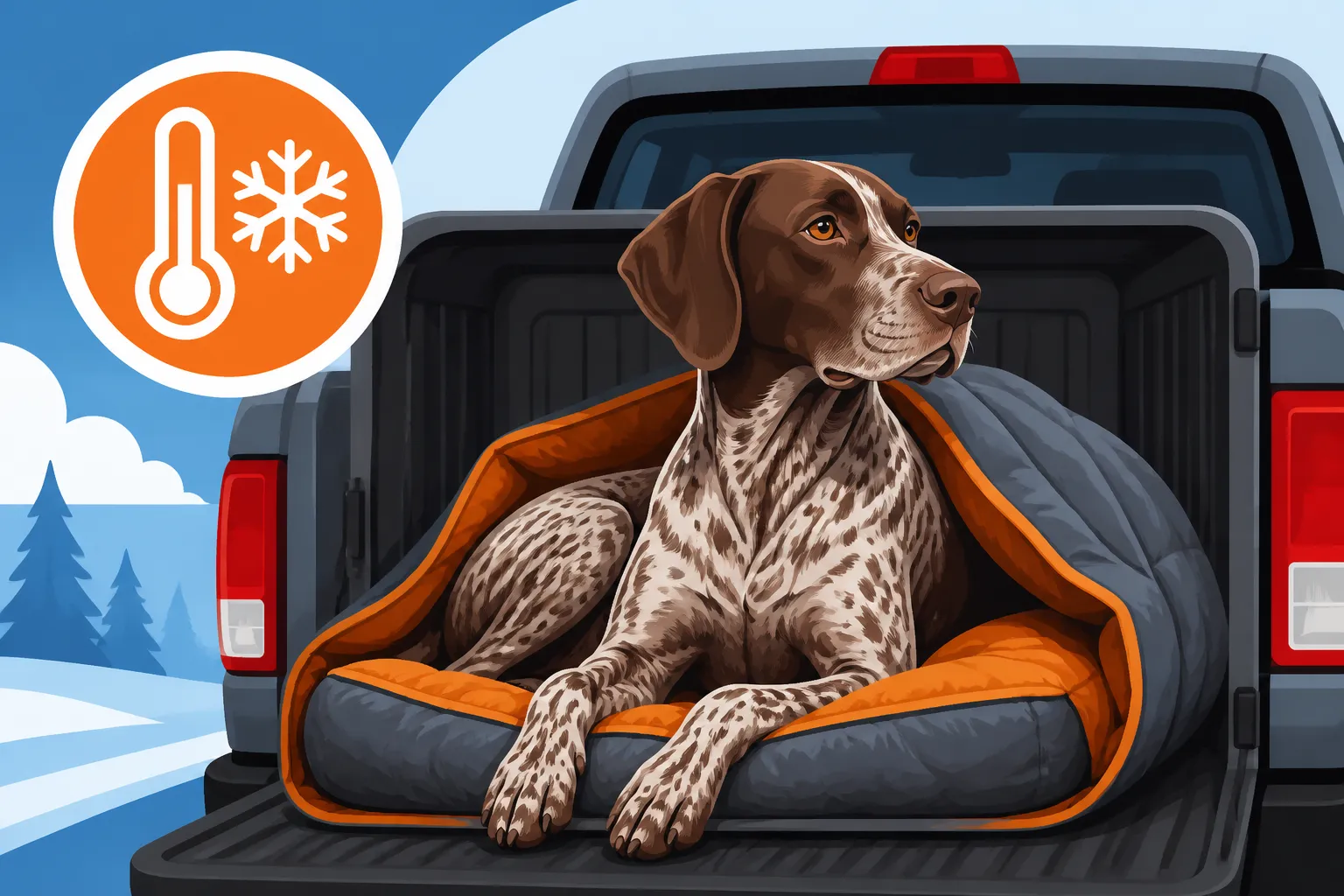
Keeping a Shorthair Warm in a Truck Box
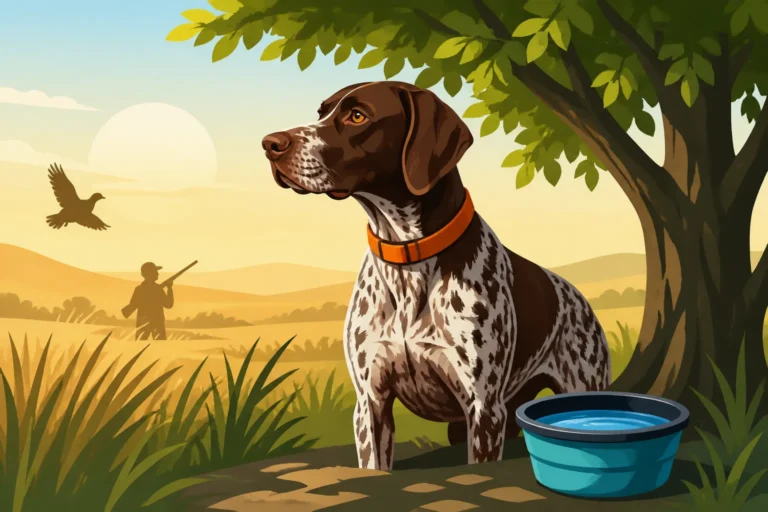
There’s nothing quite like the crisp air of a late fall morning, the crunch of frost underfoot, and the eager whine of your German Shorthaired Pointer ready for a hunt. But as the temperatures drop, many of us worry about keeping our active companions comfortable and safe, especially when they’re traveling in a truck box. This guide will walk you through the practical steps and essential gear you need to ensure your Shorthair stays toasty warm, even when the thermometer dips low.
Understanding Why Shorthairs Get Cold So Easily in a Truck Box
German Shorthaired Pointers are magnificent athletes, built for speed, endurance, and finding birds in all sorts of cover. However, their physical attributes, while perfect for working, also make them surprisingly susceptible to cold, particularly when they're not actively running. It’s a common misconception that because they're tough hunting dogs, they can just tough out the cold in a truck bed. The reality is quite different, and understanding their unique physiology is the first step to keeping them safe.
The Lean, Short-Coated Athlete
One of the most defining characteristics of a German Shorthaired Pointer is their sleek, short coat. Unlike breeds with thick double coats designed for insulation in harsh winters, like a Husky or a Malamute, a Shorthair's coat offers minimal protection against biting winds and freezing temperatures. While it's water-resistant and excellent for shedding burrs and drying quickly, it simply doesn't trap a significant layer of warm air against their skin. This means that when they're stationary, especially after a period of intense exertion, they can cool down remarkably fast. Imagine going for a hard run yourself in just a t-shirt on a cold day – you'd feel fine while moving, but as soon as you stop, that chill would set in quickly. Our Shorthairs experience something similar. Whether a German Shorthaired Pointer Shivers Easily is a clear indicator that their internal thermostat is struggling, and we need to provide external warmth.
Post-Exercise Cool Down and Core Temperature
German Shorthaired Pointers are metabolic powerhouses. They burn through an incredible amount of energy when they're working, generating a lot of body heat in the process. This is why you often see them panting even on cooler days in the field. However, once the activity stops – say, when they're loaded back into the truck box for the ride home or between drives – their metabolism slows, and their body temperature can plummet. This drop is accelerated by factors like being wet from dew, melting snow, or retrieving from water. A wet coat, even a short one, loses its insulating properties entirely, drawing heat away from the body at an alarming rate. It’s crucial to prevent this rapid cool down, as it not only makes them uncomfortable but can also lead to more serious issues like hypothermia. Think about it: they've just pushed their bodies to the limit, and now they're trying to recover in a cold, sometimes damp, environment. It's a recipe for discomfort and potential health risks.
Minimal Body Fat for Insulation
Another factor contributing to a Shorthair's susceptibility to cold is their lean body composition. These dogs are bred to be athletic and trim; excess body fat would hinder their performance in the field. While a little extra insulation is helpful in cold weather, a working German Shorthaired Pointer typically carries very little. This lack of a thick fat layer means there's less natural cushioning to protect them from the cold coming from the floor of a truck box or the surrounding air. Every degree of warmth we can provide in that truck box needs to come from external sources, making proper insulation and bedding absolutely non-negotiable for their well-being. Keeping a Shorthair lean and hard is important for performance, but it also means we must be extra diligent about their warmth when they're not running.
Essential Gear for a Warm and Secure Truck Box
When it comes to keeping your German Shorthaired Pointer warm in a truck box, relying solely on their natural resilience just isn't enough. Thoughtful selection of gear is paramount. You'll want to create an environment that minimizes heat loss, blocks drafts, and provides a comfortable, insulating layer against the cold metal or plastic of the box itself. This isn't just about comfort; it's about their health and safety, ensuring they're ready for the next retrieve and not shivering from the cold.
Choosing the Right Dog Box for Cold Weather
Not all dog boxes are created equal when it comes to cold weather protection. The cheapest, most basic aluminum crate might be lightweight, but it's often a thermal sieve. You want a box designed with insulation in mind. Look for double-walled construction with an air gap or actual insulating material between the inner and outer layers. Some premium boxes use materials that trap heat more effectively than bare metal or thin plastic. Even the color can make a difference, with darker colors absorbing more solar radiation on sunny days, though this is less effective once the sun sets or is obscured.
Consider how well the box seals. Are there large gaps around the doors or seams where cold air can rush in? A snug-fitting door and minimal gaps are crucial to prevent drafts, which can quickly strip away any warmth your dog manages to generate. Proper ventilation is still necessary to prevent condensation and ensure fresh air, but this should be controllable, perhaps with adjustable vents that can be partially closed in extreme cold. Many owners swear by brands like Owens Products or Ruff Land Kennels for their robust, insulated designs that genuinely make a difference in colder climates. Investing in a good quality, insulated box is one of the most significant steps you can take. What a Truck Bed Dog Box Costs for a Shorthair is a consideration, but it's an investment in their comfort and health.
Insulating Bedding and Barriers
Once you have a suitable box, the next critical layer is the bedding. This isn't just about softness; it's primarily about insulation from the cold floor and providing something warm to snuggle into. A thin blanket or a standard pet bed won't cut it. You need thick, high-loft insulation.
- Foam Pads: Closed-cell foam pads, like those used for camping, are excellent insulators. They don't absorb water and create a strong thermal barrier between your dog and the cold floor of the box. You can cut these to fit perfectly.
- Insulated Mats/Beds: Many companies make dedicated insulated dog mats. Look for ones with a waterproof or water-resistant exterior and a thick, dense inner filling. Brands like Duluth Pack or even some rugged options available on Chewy or Amazon can offer good solutions. The key is thickness and material density.
- Straw: In truly extreme cold, and if your dog is accustomed to it, a generous layer of straw can be an incredibly effective and affordable insulator. It traps air, providing warmth, and allows moisture to drain away. Just make sure it's fresh and clean.
- Cedar Shavings: Similar to straw, cedar shavings offer good insulation and also have the added benefit of a pleasant scent and natural pest deterrent properties. They also provide good drainage if your dog comes in a bit damp.
The goal is to provide multiple inches of insulating material, allowing your Shorthair to burrow and nest, creating a warm pocket of air around themselves. Bedding That Keeps a Shorthair Off Cold Concrete is just as important in a truck box.
Protective Covers and Supplemental Heat Sources
For those truly brutal days, additional measures might be necessary to trap heat within the box.
- Insulated Covers: Many dog box manufacturers offer custom-fit insulated covers that zip over the entire box. These add an extra layer of warmth and can significantly reduce heat loss, especially from wind chill. They often have roll-up panels for ventilation when needed.
- Heat Pads/Discs: Non-electric, microwaveable heat pads or discs can provide hours of gentle warmth. These are safe, portable, and excellent for short-term warmth, especially if your dog is going to be waiting for an hour or two. Always wrap them in a towel to prevent direct contact and ensure they're not too hot.
- 12V Heating Pads (Use with Caution): If you have a power source, 12-volt heating pads designed for pet crates can offer continuous warmth. However, these require careful monitoring. Ensure the pad has an automatic shut-off or temperature control to prevent overheating. Always place them under thick bedding so the dog isn't directly on a hot surface, and check cables regularly for chewing damage. I've heard too many stories of dogs chewing wires, so prioritize safety here.
Remember, the goal isn't to turn the truck box into a sauna, but to create a microclimate where your Shorthair can maintain a comfortable body temperature without expending excessive energy trying to stay warm.
Strategies for Cold Weather Travel and Hunting
Equipping your truck box with the right gear is a fantastic start, but successful cold weather management for your German Shorthaired Pointer goes beyond just physical products. It involves smart planning, proactive care, and constant awareness of your dog's condition, especially when they're working hard in frigid temperatures.
Pre-Warming the Box and Smart Loading
Just like you wouldn't jump into a freezing cold car, your Shorthair shouldn't have to hop into an ice-cold truck box. If possible, park your truck in a sunny spot for a while before loading, or consider placing a warm, microwaveable heat disc (as mentioned before, wrapped in a towel!) in the box about 30 minutes before your dog will enter it. This takes the initial chill off the bedding and the air inside.
When it's time to load up, be mindful of your dog's state. If they're wet from a retrieve or a snow encounter, take a moment to towel them off as thoroughly as possible before they get into the box. Even a damp coat loses insulating properties, and a wet dog will chill much faster. You can find super absorbent microfiber towels on Amazon or Chewy that work wonders for this purpose. If you're going to be driving for an extended period, it's worth considering a complete dry-off if you have access to a warm building and a powerful dog dryer. Drying a German Shorthaired Pointer in Cold Weather isn't just about comfort, it's about health.
Monitoring Your Dog's Comfort and Hydration
Even with the best gear, your German Shorthaired Pointer needs you to be their advocate. Check on them frequently. Are they curled up tight, shivering, or do they appear relaxed and comfortable? Pawing at the bedding, whining, or trying to dig out could be signs they're cold. Keep an eye on their ears and paw pads – if they feel excessively cold to the touch, it's a sign they might be getting too chilly.
Hydration is also critical, even in cold weather. Dogs can dehydrate rapidly, especially if they're working hard. While ice water might seem refreshing, it can further cool their core temperature. Offer lukewarm water regularly, not just once a day. A thermos of warm water can be a lifesaver on a cold day afield. Portable water bowls are easily found on Amazon and are a must-have.
Nutrition and Energy Reserves
Cold weather significantly increases a dog's caloric needs. When their body is working to stay warm, it burns through calories at an accelerated rate. If your German Shorthaired Pointer is hunting in cold conditions, their regular diet might not be enough. Consider switching to a high-performance kibble during the colder months or adding a quality supplement to boost their caloric intake. Brands like Purina Pro Plan Sport or Eukanuba Premium Performance offer formulas specifically designed for active dogs. What Performance Kibble Costs for a Shorthair is an investment in their energy.
A common strategy is to adjust feeding times. Many hunters feed a smaller, easily digestible meal a few hours before a hunt to provide readily available energy, and then offer a larger, more substantial meal after the hunt. Feeding a German Shorthaired Pointer After a Hunt Instead of Before allows their body to use those calories for recovery and warmth when they're no longer actively generating heat. This helps replenish their reserves and keeps their metabolism working to generate heat as they rest in their truck box. Don't forget healthy fats, which are a concentrated source of energy and can also support skin and coat health.
Troubleshooting Common Cold Weather Issues
Even with the best intentions and gear, cold weather can throw some curveballs. Understanding how to react to common issues like condensation or unexpected wetness, and recognizing the subtle signs that your German Shorthaired Pointer is truly struggling, is vital for their safety and comfort.
Dealing with Condensation and Wetness
One of the trickiest aspects of keeping a dog warm in an enclosed space like a truck box is managing moisture. A Shorthair's breath, especially after vigorous exercise, contains a lot of moisture. In a cold, sealed box, this can lead to condensation building up on the interior walls and ceiling. This moisture then drips down, making bedding damp and significantly reducing its insulating properties. A damp dog, even if the air isn't freezing, will feel much colder than a dry one.
To combat condensation:
- Controlled Ventilation: A good dog box will have adjustable vents. On colder days, you want to minimize drafts but still allow some air exchange. Find the balance – enough to allow moist air to escape without letting in a blast of freezing wind. This might mean opening one vent slightly.
- Absorbent Bedding: While closed-cell foam is great for insulation, a top layer of absorbent bedding, like thick fleece blankets or even straw, can help soak up any condensation that does form. Replace damp bedding promptly.
- Drying Your Dog: As mentioned, a thorough towel-drying or even using a portable dryer can make a huge difference before putting a damp dog back in the box. Drying a German Shorthaired Pointer in Cold Weather is non-negotiable if they are wet.
Recognizing and Responding to Hypothermia Risks
Hypothermia is a serious risk for dogs exposed to cold, and German Shorthaired Pointers, with their lean build and short coats, are particularly vulnerable. It's not just about shivering; sometimes, a severely hypothermic dog might stop shivering as their body gives up trying to warm itself.
Signs of hypothermia can include:
- Shivering: Initially, it's a natural response. Persistent, uncontrolled shivering is a red flag.
- Lethargy/Weakness: Your dog might seem unusually tired, slow, or unwilling to move.
- Cold to the Touch: Especially in their extremities (ears, paws, tail).
- Stiffness or Muscle Pain: This can be subtle but might affect their gait.
- Pale Gums: A sign of poor circulation.
- Mental Dullness: They might seem confused, disoriented, or unresponsive.
If you suspect your German Shorthaired Pointer is becoming hypothermic, immediate action is necessary.
- Move to Warmth: Get them into a warmer environment immediately, ideally inside a heated vehicle or building.
- Dry Thoroughly: If wet, dry them completely with towels.
- Apply External Warmth: Wrap them in warm blankets (toss them in a dryer or use a portable heater on them for a minute). You can use warm (not hot!) water bottles or heat packs, wrapped in towels, placed against their core (chest, armpits, groin).
- Offer Warm Liquids: If they are conscious and able to swallow, offer small amounts of warm broth or water.
- Seek Veterinary Care: For moderate to severe hypothermia, veterinary intervention is crucial. A vet can monitor their core temperature and provide necessary medical support.
Table of Cold Weather Gear for Your Shorthair's Truck Box
Here’s a quick overview of essential gear and considerations for keeping your German Shorthaired Pointer warm in a truck box:
| Gear Category | Specific Item | Key Benefit | Cold Weather Importance | Notes |
|---|---|---|---|---|
| Dog Box | Insulated Truck Box | Prevents heat loss, blocks wind | Critical for maintaining core temperature | Look for double-walled, well-sealed designs. |
| Bedding | Closed-Cell Foam Pad | Insulates from cold floor, waterproof | Essential barrier against conductive heat loss | Cut to fit perfectly; use as base layer. |
| Thick Fleece/Insulated Mat | Soft, traps air, absorbs minor moisture | Adds comfort and crucial thermal layer | Many options from Chewy or Amazon; opt for high-loft. | |
| Straw/Cedar Shavings | Excellent insulation, breathable, drains | Ideal for extreme cold, provides nesting material | Replace frequently to keep dry and clean. | |
| External Warmth | Insulated Box Cover | Adds layer of insulation, blocks wind | Significantly reduces heat loss in harsh conditions | Custom-fit covers are best; ensure good fit. |
| Microwaveable Heat Discs | Portable, long-lasting gentle heat | Provides targeted warmth for hours | Always wrap in a towel; check temperature before placing. | |
| 12V Heating Pad (Caution) | Continuous warmth with power source | For extended stationary periods in severe cold | Must be temperature-controlled and protected from chewing. | |
| Protection/Care | Absorbent Towels | Dries dog quickly after wet exposure | Prevents rapid evaporative cooling | Microfiber towels work great. |
| Neoprene Vest | Adds core insulation during work | Reduces heat loss while active, helps post-hunt cool-down | Fitting a Neoprene Vest on a German Shorthaired Pointer is key. | |
| Warm Water/Broth | Hydration, internal warmth | Helps maintain core temperature, replenishes fluids | Use a thermos; avoid ice-cold water in severe cold. | |
| High-Performance Kibble | Increased caloric intake for warmth | Fuels metabolism to generate body heat | Consider winter diet adjustment; check brands like Ollie. |
Long-Term Health and Readiness in Cold Climates
Taking the time to properly prepare your German Shorthaired Pointer for cold weather isn't just about making them comfortable in the moment; it's about investing in their long-term health, their desire to hunt, and their overall well-being. A dog that is constantly cold or frequently chills down will be less enthusiastic, more prone to illness, and may even develop chronic issues over time.
Maintaining Optimal Body Condition
A healthy German Shorthaired Pointer is a lean one, but "lean" doesn't mean emaciated. While you should be able to feel their ribs, they shouldn't be sharply visible. A little extra padding in the colder months can act as an additional layer of insulation. However, this needs to be a controlled gain of muscle and healthy fat, not simply letting them get out of shape. Regularly monitor their weight and body condition throughout the hunting season and adjust their food intake accordingly. How Many Pounds of Food a Shorthair Eats Monthly can vary widely based on activity level and environmental conditions, so pay close attention.
For dogs that are working intensely, especially in cold, wet conditions, their caloric needs skyrocket. Consulting with your veterinarian or an experienced canine nutritionist can help you determine the optimal diet. Some hunters even incorporate a raw or fresh food diet, like those offered by Ollie, year-round or seasonally, believing it helps maintain peak condition and energy levels, though any change in diet should be gradual.
Preparing for the Unexpected and Emergency Situations
Even the most prepared owner can encounter unexpected situations. A sudden drop in temperature, a longer-than-anticipated wait in the truck box, or an injury that prevents your dog from moving and generating their own heat can quickly turn dangerous. Always have an emergency kit readily accessible that includes:
- Extra warm blankets: A Mylar emergency blanket can also be surprisingly effective at reflecting body heat.
- Heat packs: Chemical heat packs (the kind you crack for instant warmth) can be a temporary solution, but always wrap them to prevent direct skin contact.
- Warm water/broth: Keep a thermos full.
- High-calorie treats: Quickly digestible energy boosters.
- First-aid supplies: For injuries that might limit their ability to stay warm.
- A basic thermometer: To check your dog's temperature if you suspect hypothermia.
Being proactive and thinking ahead can mean the difference between a minor inconvenience and a serious health emergency. Remember, a Shorthair often won't tell you they're hurting or cold until they're really struggling, especially if they are high-drive. Your vigilance is their best defense. The Temperature a German Shorthaired Pointer Should Not Hunt In should be known, and your preparations should match.
The Commitment to a Hunting Shorthair
Owning and hunting with a German Shorthaired Pointer is a deeply rewarding experience, but it comes with a commitment to their well-being in all conditions. These dogs thrive on activity and connection with their owners, and that means being out in all sorts of weather. Taking the time to properly equip their truck box and manage their exposure to the cold isn't just a chore; it's a fundamental part of responsible ownership. By doing so, you ensure your dedicated hunting partner remains healthy, happy, and eager to hit the field for many seasons to come. It's about respecting their drive while protecting their delicate balance, making sure they can perform at their best and then recover in comfort.
Disclaimer
This article is for general informational purposes only and does not constitute professional advice. Laws, prices and regulations vary by location and change over time. Consult a qualified professional for guidance on your specific situation.