Keeping an Old Shorthair Comfortable at Grooming Time
As our beloved German Shorthaired Pointers transition into their golden years, the energetic whirlwind we once knew often becomes a much slower, stiffer companion. This shift can make once-simple tasks like grooming surprisingly challenging, leading to discomfort for your senior dog and frustration for you. This comprehensive guide is here to help you navigate the unique needs of an older German Shorthaired Pointer, offering practical advice and gentle techniques to ensure grooming remains a positive, comfortable experience for both of you.
Understanding the Unique Challenges of Grooming a Senior German Shorthaired Pointer
The passage of time brings many changes, and for our athletic German Shorthaired Pointers, these changes can significantly impact their ability and willingness to be groomed. What was once a quick brush-down or a splash in the tub can become a source of pain or anxiety. It's crucial to understand these underlying issues so we can approach grooming with the empathy and patience our older companions deserve.
Aches, Pains, and Joint Stiffness
One of the most common hurdles with senior Shorthairs is the onset of arthritis and general joint stiffness. Imagine trying to stand still or hold an awkward position when every movement sends a twinge through your hips or elbows. That's often what our senior GSPs are experiencing. Getting up on a grooming table, standing for a bath, or even just holding a leg still for a nail trim can be incredibly uncomfortable. They might visibly wince, shift their weight, or try to lie down, not out of defiance, but genuine discomfort. This is why paying attention to how you Help a Stiff Old German Shorthaired Pointer Get Up is so important, even during daily activities. Their agility and balance diminish, making them more prone to slipping on wet floors or while trying to step into a tub. We might want to power through a quick session, but their bodies are telling a different story, asking for gentler handling and more frequent breaks.
Skin Sensitivity and Coat Changes
As German Shorthaired Pointers age, their skin can become thinner, drier, and more prone to irritation. You might notice new lumps and bumps, or patches of dry, flaky skin. Sometimes, conditions like Lupoid Dermatosis and a Shorthair's Scaling Skin can develop, requiring extra delicate care. Brushing too vigorously can cause skin tears or bruising, especially over bony areas or areas where the coat has thinned. Their short, dense coats can also change texture, sometimes becoming coarser or, paradoxically, even softer and more prone to matting if they're not moving as much. Any existing allergies might also worsen, making certain shampoos or grooming products irritating. It’s a delicate balance to keep their skin healthy without causing pain, so understanding these changes is key to a comfortable grooming routine.
Reduced Patience and Increased Anxiety
Our once-bombproof German Shorthaired Pointers can develop a surprising lack of patience in their senior years. This isn't usually a behavioral issue, but rather a symptom of their discomfort or a decline in cognitive function. Long grooming sessions might be too much for them, leading to restlessness, whining, or even snapping out of fear or pain. Their hearing and vision may also start to decline, making them more easily startled by sudden movements or noises. A once-familiar sound, like the whir of clippers, might now seem terrifying. This increased anxiety means we need to slow down, be predictable, and create an environment where they feel safe and secure. Remember, the goal isn't just a clean dog, but a calm, happy one. The Age a German Shorthaired Pointer Is Called Senior often marks a time when these shifts in temperament become noticeable.
Creating a Gentle Grooming Routine for Senior Shorthairs
Adapting your grooming routine to suit your senior German Shorthaired Pointer’s needs is essential for their comfort and well-being. This often means shorter sessions, more frequent breaks, and a focus on gentleness. Think of it less as a chore and more as a bonding opportunity, where your dog feels safe and cared for.
Short, Frequent Sessions
Instead of trying to tackle a full grooming session once a month, break it down into smaller, more manageable tasks that you perform more frequently. For example, instead of a marathon nail trim, do one paw, or even just a couple of nails, every day or two. A quick 5-10 minute brush-down several times a week is much better than a half-hour ordeal once a fortnight. This approach prevents them from becoming overly tired or anxious, and it allows you to consistently check for any new lumps, bumps, or irritations that might be developing on their skin. You can easily integrate these short sessions into your daily routine, perhaps after a brief walk or while they're relaxing on their favorite bed. It's about consistency and kindness, not speed.
Comfortable Positioning and Support
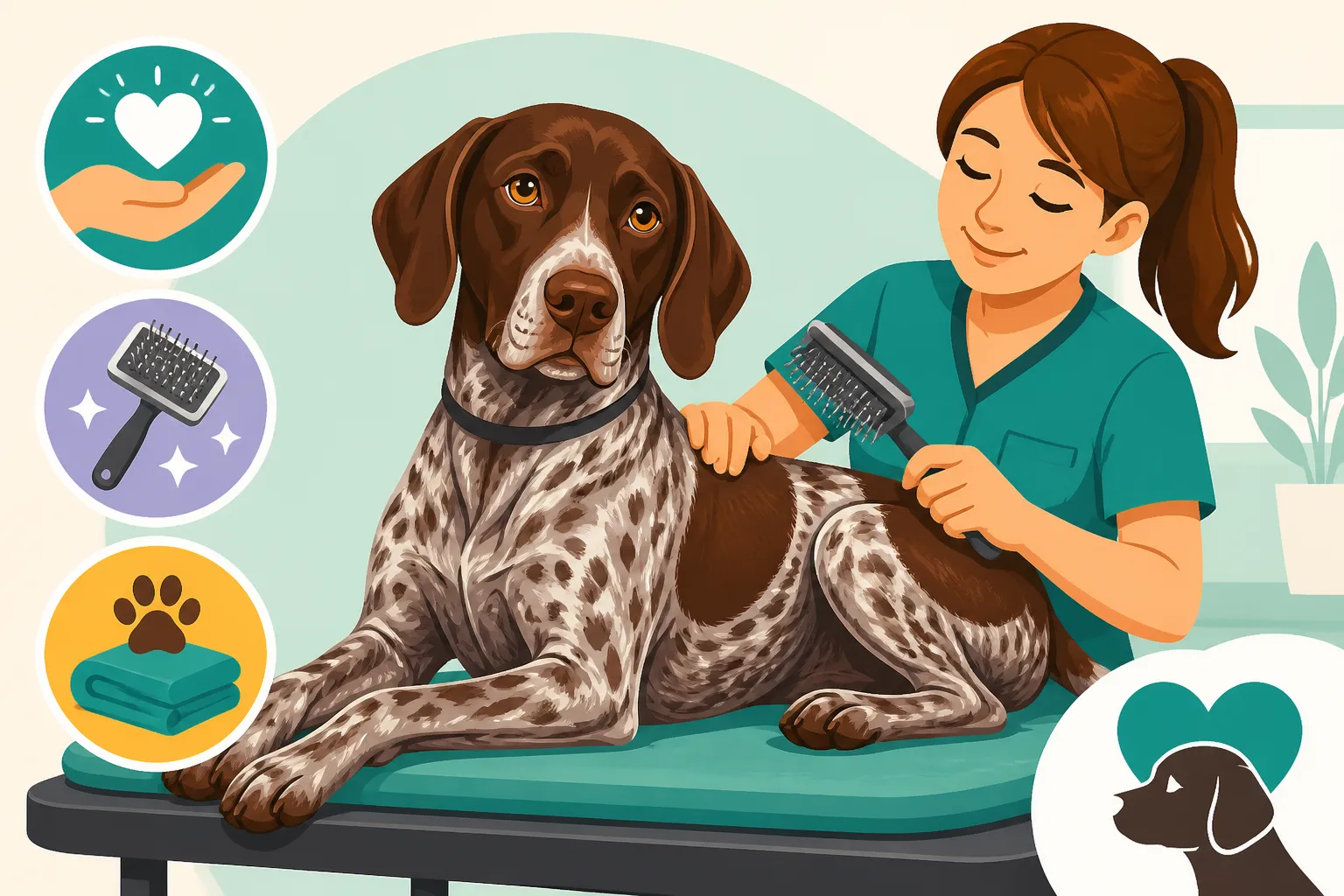
This is where you really need to get creative and prioritize your German Shorthaired Pointer's comfort. Forget forcing them into uncomfortable positions. If standing is difficult, groom them while they’re lying down on a soft, non-slip mat. You can use towels or pillows to prop up their head or support an arthritic limb during brushing or nail trims. A non-slip mat in the bathtub is absolutely non-negotiable to prevent falls and anxiety. For some tasks, a raised, sturdy grooming table with a non-slip surface might be helpful, but only if your dog can comfortably get on and off it, and if it has a restraint to prevent falls without putting pressure on their neck. If they struggle with getting up, consider portable ramps or simply groom them at floor level. Remember that their joints might be stiff, so avoid twisting or pulling their legs.
Delicates for Skin and Coat Care
Choosing the right products and techniques for their delicate skin and changing coat is paramount. Use a soft-bristled brush or a rubber curry brush, like those readily available on Amazon or Chewy, which can gently massage the skin and remove loose hair without pulling or scratching. For bathing, opt for a mild, hypoallergenic shampoo specifically designed for sensitive skin. Some German Shorthaired Pointers, especially those with white markings, might be prone to skin issues, so a gentle cleansing is important. Always ensure you rinse thoroughly, as shampoo residue can cause irritation. Towel dry gently, and in colder weather, make sure they are completely dry to prevent them from catching a chill, especially since Whether an Old Shorthair Feels the Cold More is a genuine concern.
Nail Trimming and Paw Care
Nail care is often a big challenge for senior dogs. Their nails might grow thicker or become brittle, making them harder to trim. If your German Shorthaired Pointer is sensitive to the clipping sound, consider a Dremel-style rotary tool, which grinds the nail down quietly. Introduce it slowly, just turning it on nearby, then touching it briefly to a nail, rewarding heavily for each step. For sore paws or cracked pads, a good paw balm can make a world of difference. Regular checks of their paw pads are vital, especially if they are less active, as debris can get lodged and cause discomfort. How Often a German Shorthaired Pointer's Nails Need Trimming may need to be adjusted as they age, requiring more frequent, shorter sessions.
Essential Tools and Products for Senior German Shorthaired Pointers
Having the right equipment can significantly improve the comfort and ease of grooming your older German Shorthaired Pointer. Investing in a few specialized items can transform a stressful experience into a more pleasant one for both of you.
Specialized Brushes and Combs
For a senior GSP, you'll want brushes that are effective yet extremely gentle. A soft rubber curry brush or a grooming mitt can work wonders for removing loose hair and providing a gentle massage, stimulating circulation without irritating sensitive skin. These are often easy to find at pet supply retailers like Chewy. For more intense shedding periods, a deshedding tool designed for short coats can be used, but with a very light touch and for shorter durations to avoid skin irritation. A fine-toothed comb can be useful for checking for any burrs or ticks after a walk, or for carefully working through any small mats that might develop in thinner coat areas, especially around the ears or tail.
Quiet Nail Trimmers and Grinders
The sound of traditional nail clippers can be startling for any dog, but especially for senior German Shorthaired Pointers whose hearing might be more sensitive or whose anxiety levels are higher. A high-quality, sharp scissor-style clipper is essential for a clean cut, but many owners find a quiet Dremel-style nail grinder to be a game-changer. These battery-operated grinders gently file down the nail, eliminating the sharp clipping sound. Look for models advertised as "low noise" or "quiet operation." Introduce it slowly, perhaps running it nearby while offering treats, then gradually touching it to the nail. This approach can make nail trims far less traumatic.
Comfort-Focused Bathing Aids
Bathing an older German Shorthaired Pointer can be a literal slippery slope. A non-slip bath mat is absolutely mandatory to prevent falls and give your dog confidence. For dogs with severe mobility issues, a walk-in shower or a portable dog bath (a large basin that sits on the floor) might be easier than a traditional tub. Consider a handheld shower sprayer, which provides more control over water flow and temperature, making the experience less overwhelming. You might also want a gentle, warm towel or even a dog-specific drying coat to keep them cozy immediately after the bath, especially if they feel the cold more easily. Remember that many older GSPs don't need frequent baths unless they've gotten into something particularly messy; often, a spot clean is enough.
Support Surfaces and Calming Products
Consider where your German Shorthaired Pointer spends time during grooming. Beds for a Shorthair With Worn Out Joints are just as important during grooming as they are for rest. A thick, orthopedic mat for them to stand or lie on can provide critical joint support. For those with anxiety, a calming pheromone spray or diffuser used in the grooming area beforehand might help. Some owners also find that a comfortable, snug-fitting ThunderShirt can provide a sense of security for anxious dogs. High-value treats are your secret weapon – things like small pieces of cooked chicken, cheese, or even those fresh-food toppers from Ollie can be a fantastic distraction and positive reinforcement during potentially uncomfortable procedures.
Making Grooming a Positive and Stress-Free Experience
Grooming shouldn't be a battle; it should be an extension of the loving bond you share with your German Shorthaired Pointer. By focusing on positive reinforcement, patience, and recognizing your dog’s signals, you can ensure grooming time is something they tolerate, or even enjoy, rather than dread.
The Power of Positive Reinforcement
Treats, praise, and gentle touches are your best friends when grooming a senior German Shorthaired Pointer. Every small step towards cooperation should be rewarded. Did they stand still for two seconds? Treat! Did they let you touch their paw? Treat! This creates a positive association with grooming, slowly building their confidence and trust. Break down tasks into tiny micro-steps. Instead of expecting them to hold still for an entire ear cleaning, reward them for simply allowing you to touch their ear. You can find a huge variety of training treats on Chewy that are perfect for this, or even use small pieces of their regular kibble if they are food motivated. Consistency with positive reinforcement will make a huge difference in their long-term comfort.
Patience and Understanding Their Limits
This is perhaps the most crucial element. Your senior German Shorthaired Pointer isn't trying to be difficult; they are genuinely struggling. You need to meet them where they are. If they start to get fidgety, whine, or try to pull away, it's time for a break. Don't push them past their comfort level. A short break, a walk around the room, or even ending the session for the day and trying again later is always better than forcing the issue and creating a negative association. Pay close attention to their body language: lip licking, yawning, turning their head away, or a stiff posture can all be signs of stress. Learning to read these subtle cues will help you avoid escalating their anxiety and ensure a calm experience. This level of attentiveness is similar to how you would Check a German Shorthaired Pointer Over After a Hunt, looking for any signs of discomfort or injury.
Environmental Comfort and Consistency
Create a calm, consistent grooming environment. Choose a quiet time of day when there are no distractions. Use a soft, warm towel, a comfortable grooming mat, and ensure the room temperature is pleasant, as senior dogs can be more sensitive to cold. Speak in a soothing, calm voice, and use consistent commands or cues. For example, always use the same phrase when it’s time for "brushies" or "nail time." Predictability helps reduce anxiety. If possible, groom them in the same spot each time, so they associate that area with positive, gentle handling. This routine helps them mentally prepare and makes the experience less startling.
When to Seek Professional Help
Sometimes, despite your best efforts, grooming an older German Shorthaired Pointer can be too much to handle at home. This is perfectly normal and nothing to be ashamed of. Professional groomers or veterinary technicians often have specialized equipment, such as hydraulic grooming tables, and expertise in handling senior or anxious dogs. They can work quickly and efficiently, minimizing your dog’s stress. If your dog is experiencing significant pain or anxiety, discuss it with your veterinarian. They might suggest pain management medications, anti-anxiety medications, or even light sedation for grooming procedures that are particularly stressful, such as intricate nail trims or difficult baths. Your vet can also offer advice on conditions like The Skin Tumors Shorthairs Get Younger Than Most or other skin issues, guiding you on how to best care for them during grooming. The ultimate goal is your dog’s well-being and comfort, and sometimes that means enlisting extra help.
| Grooming Challenge (Senior GSP) | Common Symptoms | Recommended Solutions |
|---|---|---|
| Joint Stiffness/Arthritis | Whining, shifting, refusing to stand, wincing | Groom on soft mat, frequent breaks, comfortable positioning, vet-prescribed pain relief |
| Sensitive Skin | Dry patches, lumps/bumps, irritation, thinning coat | Soft brushes, hypoallergenic shampoo, gentle touch, vet check for skin conditions |
| Reduced Patience/Anxiety | Restlessness, panting, lip licking, trying to escape | Short sessions, positive reinforcement, calming products, quiet environment |
| Brittle/Thick Nails | Difficult to cut, painful if cut too short | Quiet nail grinder, professional help, shorter/more frequent trims |
| Sensory Decline | Easily startled, difficulty seeing/hearing | Predictable movements, gentle voice, consistent routine, well-lit grooming area |
Taking care of an older German Shorthaired Pointer is a labor of love, and adapting your grooming routine is just another way to show them how much you cherish them. With patience, the right tools, and a gentle touch, you can ensure their golden years are as comfortable and dignified as possible.
Disclaimer
This article is for general informational purposes only and does not constitute professional advice. Laws, prices and regulations vary by location and change over time. Consult a qualified professional for guidance on your specific situation.