Whether an Old Shorthair Feels the Cold More
As our beloved German Shorthaired Pointers transition from their boundless, energetic youth into their golden years, many owners start to notice subtle shifts in their behavior and needs, especially when the temperatures drop. That once fearless hunter who would plunge into icy waters without a second thought might now shiver on a brisk morning walk, making you wonder, "Does my old shorthair really feel the cold more?" The answer, quite definitively, is yes, and understanding why and what you can do about it is key to ensuring their comfort. This guide will explore the physiological changes that make senior GSPs more susceptible to cold and offer practical advice to keep them cozy.
The Aging Body and Cold Sensitivity in German Shorthaired Pointers
It’s a natural part of the aging process: bodies simply don’t regulate temperature with the same efficiency they once did. For a breed like the German Shorthaired Pointer, inherently built for speed and endurance rather than insulation, this effect can be even more pronounced. Their sleek, short coats, which were perfect for shedding water and preventing overheating during strenuous activity, suddenly become a disadvantage against the chill.
Why Age Changes Cold Tolerance
As our GSPs mature into their senior years, their bodies undergo several changes that directly impact their ability to stay warm. One significant factor is a natural decline in metabolic rate. A younger, more active dog burns calories at a higher rate, generating more internal heat. An older dog, often less active and with a slower metabolism, simply produces less heat internally. Think of it like a furnace burning less fuel – the house gets colder.
Beyond metabolism, many senior German Shorthaired Pointers also experience a reduction in muscle mass. Muscle tissue contributes significantly to body heat production. As muscles atrophy with age, or if an older dog becomes less enthusiastic about vigorous exercise, that natural internal heater diminishes. Furthermore, some older dogs may carry less insulating body fat than their younger, robust counterparts, especially if they are particularly lean, a trait often desired in working GSPs. This combination of factors means that the external cold penetrates their defenses much more easily, making even mildly cool weather feel genuinely biting. Owners who have always admired their GSP's tough exterior might be surprised to see them shiver in conditions they once barely noticed.
Common Ailments That Increase Cold Discomfort
Beyond the general effects of aging, several health conditions common in older German Shorthaired Pointers can dramatically amplify their discomfort in cold weather. These ailments not only reduce their physical capacity but also make them more vulnerable to the adverse effects of low temperatures.
Perhaps the most common culprit is arthritis and other joint-related issues. Arthritis in a German Shorthaired Pointer at Eight is a harsh reality for many dogs, especially a breed known for its athleticism and hard work in the field. Cold weather can cause existing arthritis to flare up, leading to increased stiffness, pain, and reduced mobility. Joints might feel achier, muscles might tighten, and the simple act of getting up from a nap can become a slow, painful ordeal. Imagine how a stiff knee feels on a chilly morning, and then consider that your dog might have multiple joints aching simultaneously. This discomfort often translates into a reluctance to move, which further reduces circulation and heat generation, creating a vicious cycle where the cold makes them hurt, and hurting makes them colder.
Another potential factor is hypothyroidism, a condition where the thyroid gland doesn't produce enough hormones. This can occur in middle-aged or senior GSPs and significantly slows down the body’s metabolic processes. A dog with an underactive thyroid might struggle to maintain a normal body temperature, feeling cold even in relatively mild indoor conditions. They might also show signs like unexplained weight gain, a dull coat, or lethargy. If you suspect your older GSP is unusually sensitive to cold and shows other subtle changes, it's definitely worth a conversation with your vet.
Less directly, but still contributing, can be dental issues. While not directly related to cold tolerance, a dog with painful teeth or gums might be less inclined to drink cold water, potentially leading to mild dehydration, which can impact overall well-being and temperature regulation. Any underlying health issue, even seemingly minor ones, can put additional stress on an aging body, making it harder for your German Shorthaired Pointer to cope with environmental stressors like cold. Regular vet check-ups become even more crucial as they age to catch and manage these conditions early. Bloodwork Worth Running on an Older Shorthair can often reveal underlying issues before they become major problems, including thyroid function.
Recognizing the Signs of Cold in an Older Shorthair
It's easy to project our own feelings onto our dogs, but truly understanding if your senior German Shorthaired Pointer is cold requires careful observation. They can’t tell us directly, so we need to learn their language of subtle cues and overt behaviors. Being attuned to these signals means you can intervene quickly and make them comfortable, preventing prolonged discomfort or even hypothermia in extreme conditions.
Behavioral Cues to Watch For
As your German Shorthaired Pointer ages, their behavior in colder environments will likely change. One of the most obvious signs they're feeling the chill is shivering. This might start subtly, a slight tremor, and then become more pronounced. They might also hunch their back, tuck their tail tightly between their legs, and try to make themselves smaller, instinctually reducing their exposed surface area to conserve warmth. You might notice them walking with a stiff, gingerly gait, especially if arthritis is also playing a role.
Another clear indicator is a reluctance to go outside for potty breaks or walks, particularly during the colder parts of the day. A dog that once bounded out the door might now hesitate, need encouragement, or even try to turn back quickly. Once outside, they might lift their paws frequently, indicating that the cold ground is uncomfortable. Indoors, they'll often seek out the warmest spots in the house – right in front of a heat vent, curled up under a sunbeam, or burrowed deep into blankets. They might even try to climb into your lap or snuggle closer than usual, seeking your body heat. Any change in their typical sleeping spot, especially if they abandon a once-favorite cool tile floor for a plush bed or blanket pile, is a strong signal that they're feeling the cold more acutely.
Physical Indicators of Being Too Cold
Beyond behavioral changes, there are several physical signs that can tell you your older German Shorthaired Pointer is genuinely cold. A quick touch can reveal a lot. Feel their ears, paws, and the tip of their nose. If these extremities are noticeably colder than the rest of their body, it's a good sign that they're losing heat and struggling to stay warm. While the core body temperature might still be normal, these areas are often the first to indicate a chill.
After being outside in the cold, pay close attention to their movement. An older GSP might exhibit increased stiffness or even a slight limp that wasn't present before they went out, which can be a clear sign that the cold has exacerbated their joint pain. You might observe them struggling to lay down or get back up, needing more time and effort to adjust their body. Helping a Stiff Old German Shorthaired Pointer Get Up is a common challenge for owners of senior dogs, and cold weather only compounds it.
In more severe cases, though hopefully rare for attentive owners, very cold dogs can have gums or skin that appear pale or even slightly blue-tinged, indicating poor circulation. While this is typically a sign of hypothermia and requires immediate veterinary attention, it underscores the importance of recognizing the earlier, more subtle signs to prevent such a dangerous situation. Always trust your gut if you feel your dog isn't right after exposure to cold.
Practical Steps to Keep Your Senior GSP Warm and Comfortable
Once you understand why your older German Shorthaired Pointer feels the cold more, you can take proactive steps to mitigate their discomfort. It’s about creating a warm, safe, and nurturing environment that caters to their changing needs, both indoors and out. A little extra effort can make a huge difference in their quality of life as they age.
Warming Up Their Environment
The first line of defense against the cold for your senior GSP is their immediate environment. Start by assessing your home's indoor climate. While you might be comfortable at a certain temperature, your older dog with a thinner coat and reduced metabolic rate might need it a few degrees warmer. Ensure there are no drafts where they sleep or rest, especially near windows or exterior doors. Even a seemingly small draft can pull heat away from their bodies, leading to a chill.
Providing adequate bedding is crucial. Gone are the days when a thin blanket on the floor sufficed. Look for elevated beds that lift them off cold floors, or consider orthopedic beds with supportive foam that also offer insulation. These are particularly beneficial for aging joints. Fill their sleeping areas with plenty of soft blankets and comforters, allowing them to burrow and create a cozy nest. Many senior GSPs adore heated dog beds or self-warming mats, which use their own body heat to reflect warmth back to them. Place these in their favorite resting spots, ensuring they have easy access to them throughout the day. Creating these warm havens will give them options for finding comfort whenever they feel a chill. Bedding That Keeps a Shorthair Off Cold Concrete can make a huge difference in an old dog's daily comfort.
Appropriate Outdoor Gear and Activities
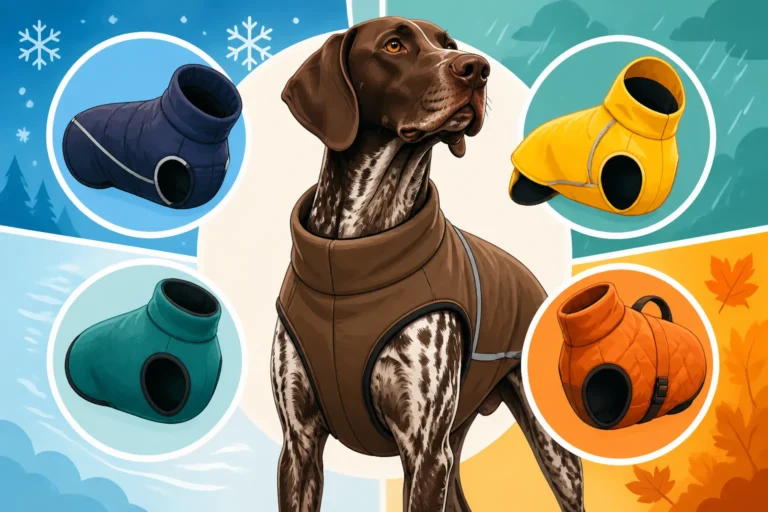
While their desire to hunt might still be strong, an older German Shorthaired Pointer simply can't handle the cold outdoors like they once could. You need to adjust their outdoor routine and equip them properly. For walks, potty breaks, or any time spent outside in cool or cold weather, a warm dog coat or insulated vest is no longer a luxury, but a necessity. There are many options available on marketplaces like Amazon, ranging from lightweight fleeces to heavy-duty insulated and waterproof jackets. Choose one that fits snugly without restricting movement and covers their back and chest well.
When it comes to outdoor activities, moderation is key. Shorten the duration of walks, especially during the coldest parts of the day (early morning or late evening). Instead, aim for multiple shorter outings during the midday warmth. If the ground is icy, snowy, or covered in de-icing salts, consider dog booties. You can find a good selection of durable, well-fitting booties on pet supply sites like Chewy. These will protect their paws from the cold and harsh elements, preventing painful cracks or frostbite. Remember, their pads might not be as tough as they once were.
Avoid prolonged exposure to extreme cold, wind, or wet conditions. A wet coat, even a short one, loses its insulating properties rapidly, making them much colder. If your GSP still loves to swim, be mindful of the water temperature. Whether an Old Shorthair Should Still Swim is a question many owners face, and the answer often depends on how cold the water is and how quickly they can be dried and warmed afterwards. Always have a towel ready and ensure they dry off quickly and completely in a warm indoor environment. If it's simply too cold, substitute outdoor excursions with indoor games, puzzle toys, or obedience practice to keep their minds engaged and their bodies moving without risking exposure.
Nutritional and Medical Support
Just as their environment and outdoor gear need adjusting, so too might your senior German Shorthaired Pointer’s diet and medical care. Proper nutrition plays a vital role in maintaining body temperature and overall health. If your older GSP is still quite active, even if for shorter bursts, they might still burn a fair amount of calories. Ensure their diet is high-quality and provides adequate energy. If they’ve slowed down significantly, however, you might need to adjust their caloric intake to prevent unhealthy weight gain, but without sacrificing essential nutrients. Some owners find that fresh food diets, like those offered by Ollie, can be highly palatable and nutrient-dense, helping to support their overall health and maintain good body condition. Feeding a Senior Shorthair That Has Slowed Down is a nuanced balancing act, but crucial for their well-being.
Joint supplements containing ingredients like glucosamine, chondroitin, and MSM can be incredibly beneficial for managing arthritis and stiffness, making them more comfortable in colder weather. Your veterinarian can recommend the best supplements for your dog's specific needs. Joint Supplements Worth Giving a Working Shorthair can help maintain mobility and reduce the pain that the cold exacerbates.
Most importantly, regular veterinary check-ups are paramount for older GSPs. These appointments allow your vet to monitor existing conditions, catch new issues early, and adjust medications or treatments as needed. They can assess your dog’s overall health, including thyroid function, joint health, and dental status, all of which impact how well your GSP tolerates the cold. Your vet can also provide tailored advice on weight management, exercise routines, and any other concerns you have about keeping your senior companion happy and warm through their golden years.
Comparing Cold Tolerance: Young vs. Old German Shorthaired Pointers
To further illustrate the difference in cold sensitivity, here's a quick comparison of factors affecting cold tolerance in young, healthy German Shorthaired Pointers versus their senior counterparts.
| Factor | Young, Healthy GSP | Older, Senior GSP |
|---|---|---|
| Metabolic Rate | High, generates ample internal heat | Lower, less internal heat production |
| Muscle Mass | Well-developed, contributes significantly to warmth | Often reduced, less heat from muscle activity |
| Body Fat/Insulation | Typically lean but efficient, good circulation | Can be leaner with less fat, or less efficient fat |
| Activity Level | High, constant movement generates heat | Reduced, less movement means less self-warming |
| Joint Health | Flexible, robust, minimal discomfort | Prone to arthritis, stiffness exacerbated by cold |
| Circulation | Strong, efficient blood flow to extremities | Potentially less efficient, colder paws/ears |
| Health Conditions | Generally few, robust immune system | More prone to hypothyroidism, dental issues, etc. |
| Behavior in Cold | Eager to explore, may shiver briefly in extreme cold | Reluctant to go out, seeks warmth, prolonged shivering |
| Required Protection | Minimal, perhaps a coat in extreme conditions | Often needs insulated coat, booties, warmer bedding |
In conclusion, it's clear that an old German Shorthaired Pointer does indeed feel the cold more acutely than their younger selves. Their aging bodies, combined with common senior ailments, make them much more vulnerable to the chill. By being observant of their cues, providing a warm and draft-free indoor environment, equipping them with appropriate outdoor gear, and ensuring they receive excellent nutritional and veterinary care, you can help your cherished companion remain comfortable, happy, and active for many more years, no matter the season.
Disclaimer
This article is for general informational purposes only and does not constitute professional advice. Laws, prices and regulations vary by location and change over time. Consult a qualified professional for guidance on your specific situation.