Trimming the Hair Between a Shorthair’s Pads
For those of us who share our lives with a German Shorthaired Pointer, the sheer energy and adventurous spirit of these dogs mean their paws take a beating. It’s easy to overlook the hair that grows between their pads, but letting it get too long can lead to discomfort, injury, and a host of other problems for your athletic companion. This guide will walk you through why and how to keep your Shorthair's paw hair neatly trimmed, ensuring their feet stay healthy and ready for whatever adventure comes next.
The Unseen Importance of Paw Hair Maintenance for a German Shorthaired Pointer
You might think a little extra hair on your Shorthair's feet is no big deal. After all, it's just hair, right? But for a German Shorthaired Pointer, whose life revolves around running, hunting, and exploring, those tufts of hair between their paw pads can become significant liabilities. It's not just about aesthetics; it's about comfort, safety, and preventing serious health issues.
Protecting Against Burrs, Thorns, and Debris
Anyone who's spent time in the field with a German Shorthaired Pointer knows they're magnets for everything sticky, poky, and plain annoying. Tall grass, thorny bushes, and burr patches are a Shorthair's playground, and unfortunately, those are also prime collection points for debris. When the hair between their pads grows long, it acts like a miniature mop, sweeping up every bit of nature's nastiness. Imagine running through a field, only to have burrs and stickers constantly getting tangled in your toes. It's not just irritating; it can cause painful matting, cuts, and even infections if left unchecked. A tight mat between the pads can pull on the skin, leading to raw spots and an entry point for bacteria. This is especially critical for hunting dogs who spend hours traversing various terrains. Foxtails and Grass Awns in a Hunting Shorthair can be particularly insidious, migrating deep into the paw if not caught early.
Enhancing Traction and Preventing Slips
German Shorthaired Pointers are built for speed and agility. They turn on a dime, leap over obstacles, and stop on a pinhead. All of this requires excellent traction. The pads of their feet are designed to grip surfaces, much like the treads on a tire. However, when excessive hair grows between these pads, it reduces the direct contact the pads have with the ground. Think of it like trying to run on a hardwood floor with fuzzy slippers on—you're going to slip. This is a common issue on slick indoor surfaces, like tile or laminate, but it can also affect their performance and safety outdoors, especially on wet grass, icy patches, or rocky terrain. A Shorthair needs every bit of grip it can get to prevent strains, sprains, and other joint injuries during their high-energy exploits. Shoulder and Toe Injuries in a Running Shorthair can often be traced back to a loss of stable footing.
Maintaining Hygiene and Preventing Infections
The space between your Shorthair's pads can become a damp, dark, and warm environment – the perfect breeding ground for bacteria and yeast, especially if water, mud, or sweat gets trapped there. A quick dip in a pond or a romp through a muddy field, and suddenly those long paw hairs are holding onto moisture. This persistent dampness, combined with dirt and potential minor abrasions, can lead to uncomfortable and smelly paw infections. You might notice your dog constantly licking or chewing their feet, a tell-tale sign of irritation or infection. Keeping the hair short and neat allows for better air circulation and makes it easier to clean their paws thoroughly after outdoor activities. This is particularly relevant after swimming, as you also want to be sure to follow up with Drying a Shorthair's Ears After Every Swim to prevent ear infections.
The Art of Trimming: Step-by-Step Guide for Shorthair Paws
Trimming your German Shorthaired Pointer's paw hair might sound intimidating, but with the right tools and a little patience, it's a routine task you can easily manage at home. The key is to approach it calmly and methodically, prioritizing your dog's comfort and safety above all else. Remember, a bad experience can make future grooming sessions much harder.
Essential Tools for a Safe and Effective Trim
Before you even think about picking up the trimmers, gather your supplies. Having everything within reach will make the process smoother and less stressful for both you and your Shorthair.
- Small, blunt-nosed clippers or scissors: These are crucial. Regular scissors can be too sharp and pointy for the delicate areas between the pads. Blunt-nosed grooming scissors specifically designed for paws reduce the risk of accidental nicks. Many online retailers like Amazon or Chewy offer great options in grooming kits that include these specialized scissors.
- Electric trimmers/clippers (optional but recommended): For dogs with thicker hair, small, quiet electric trimmers can be much more efficient and safer than scissors, especially for nervous dogs. Look for ones designed for pet grooming with a small, narrow blade. They vibrate more than they cut aggressively, making them less likely to cause injury.
- Styptic powder: This is your emergency backup. Even with the utmost care, small nicks can happen. Styptic powder quickly stops minor bleeding. Keep it close by.
- Treats: Lots of them! Positive reinforcement is your best friend when it comes to grooming.
- A quiet, well-lit area: Minimize distractions and ensure you can clearly see what you're doing. A non-slip mat can help keep your dog steady.
- A second person (optional): Especially for your first few times, having an extra set of hands to hold your Shorthair steady and offer treats can be incredibly helpful.
Step-by-Step Trimming Technique
Once you have your tools ready and your Shorthair is settled, you can begin the actual trimming. Take your time, don't rush, and always prioritize safety.
- Start with clean, dry paws: This is a must. Mud, dirt, or moisture can make the hair clumpy and difficult to trim, increasing the risk of uneven cuts or pulling. A quick wipe-down or even a full paw wash and thorough drying before you start is ideal.
- Examine the paw: Gently spread your Shorthair's toes apart and carefully inspect the hair between the pads. Note any matting, burrs, or debris that needs to be removed first. This also gives you a chance to look for any cuts, abrasions, or signs of irritation. This inspection is also part of Checking a German Shorthaired Pointer Over After a Hunt.
- Position your Shorthair: For most Shorthairs, having them lie down on their side or sit while you hold their paw firmly but gently is best. Some dogs are more comfortable standing. Find what works best for your individual dog. If you have a particularly wiggly one, short sessions might be necessary.
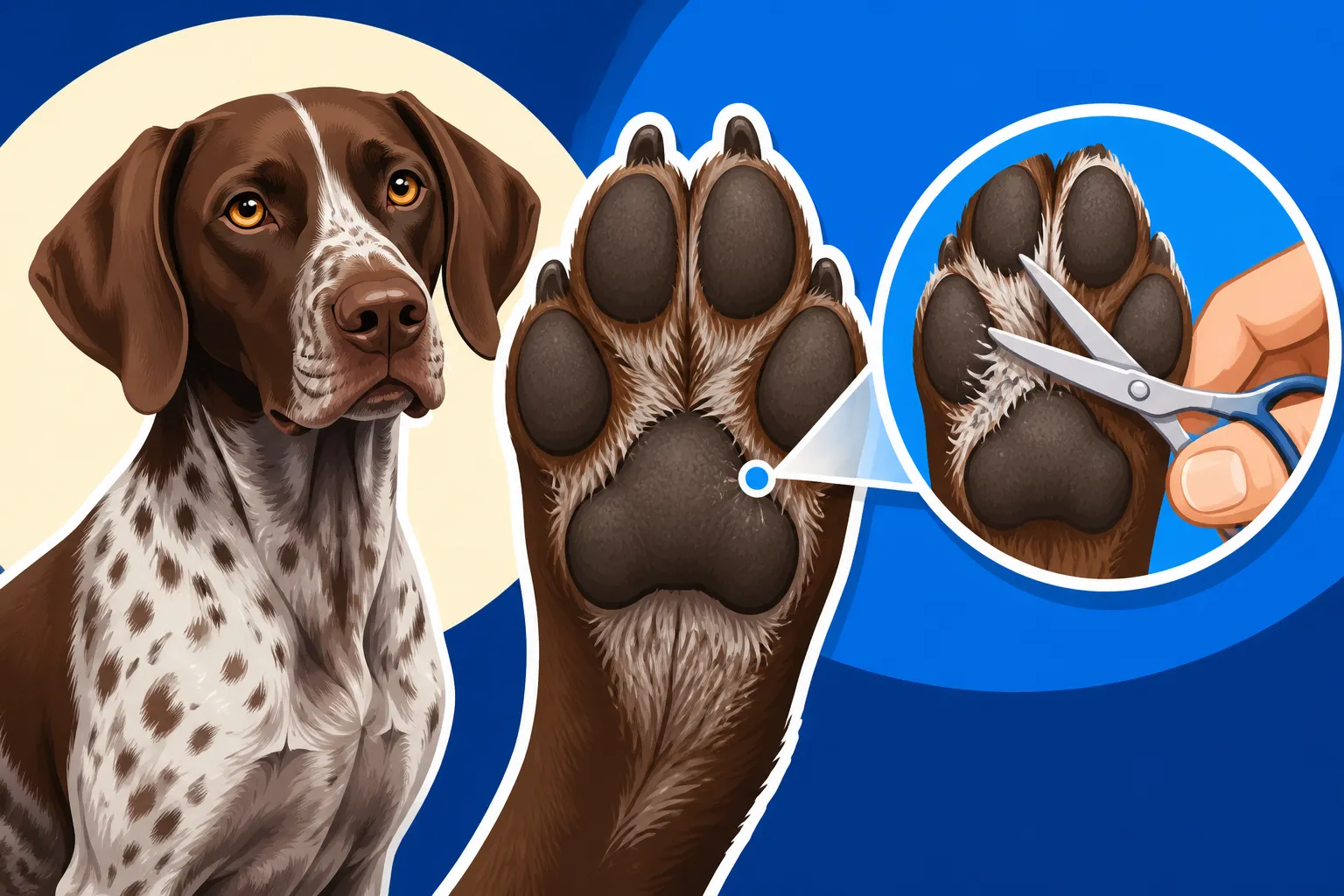
- Use scissors (if applicable): If using blunt-nosed scissors, gently push the paw pads together to make the hair protrude. Carefully trim the hair flush with the pad. Always point the scissors away from the pads and skin. Never cut blindly. Use your fingers to keep the skin taut and out of the way. Think of it like giving a very precise, small haircut, not a hack-and-slash.
- Use electric trimmers (if applicable): If using clippers, gently slide the trimmer blade over the hair between the pads, moving in the direction of hair growth. Keep the blade flat against the paw, avoiding pressing down on the pads themselves. The goal is to trim the hair even with the pads, not to dig into the skin. Clippers are often easier for getting into the tight spots between the toes.
- Work slowly and take breaks: This isn't a race. Trim a little, praise, treat, then trim a little more. If your Shorthair gets antsy, take a break. A short, positive session is always better than a long, stressful one. You want them to associate paw care with good things.
- Check your work: Once you've trimmed one paw, pick it up and examine it from all angles. Ensure there are no long tufts remaining and the hair is level with the pads. Repeat the process for all four paws. Don't forget the hair around the dewclaws if your dog has them – sometimes these can get overlooked and accumulate debris.
Safety First: Avoiding Nicks and Cuts
Even the most experienced groomers can have a mishap, but minimizing risks is paramount.
- Always use appropriate tools: Those sharp kitchen scissors are a definite no-go.
- Never rush: A hurried trim is a recipe for disaster.
- Ensure good lighting: You need to see clearly.
- Keep your fingers between the scissors/clippers and the skin: Use your non-dominant hand to gently spread the toes and keep the skin taut, acting as a buffer.
- Watch for the quick: While not directly related to hair trimming, if you're doing nails at the same time, always be mindful of the quick. For hair, the main concern is the delicate skin between the pads.
- Know when to stop: If your dog is stressed, anxious, or becoming aggressive, stop the session. It's better to finish another time than to push it and create a lasting negative association.
Keeping Your Shorthair's Paws Prime: Frequency and Signs to Look For
Understanding when and how often to trim your German Shorthaired Pointer's paw hair is just as important as knowing the technique. Their activity level, coat type, and environment will all play a role in how often their paws need a little TLC.
How Often Should You Trim?
There's no one-size-fits-all answer here, as every German Shorthaired Pointer is an individual. However, a good rule of thumb is to check their paws every two to four weeks.
- Highly active field dogs: If your Shorthair spends a lot of time hunting, training, or running in varied terrain, you'll likely need to check and trim more frequently, perhaps every two weeks. They're more prone to picking up debris and developing mats.
- Less active or indoor-only Shorthairs: Dogs who spend more time indoors or on manicured surfaces might only need a trim every three to four weeks. However, even these dogs benefit from regular checks to prevent excessive growth and maintain good hygiene.
- Seasonal considerations: During muddy spring thaws, leaf-strewn autumns, or snowy winters, paw hair can be particularly problematic, accumulating mud, ice balls, or road salt. You might find yourself trimming more often during these times. For icy conditions, managing Ice Balls Between a Shorthair's Toes is a frequent concern.
Regularity is key. Making it a part of your routine grooming, perhaps when you're also How Often a German Shorthaired Pointer's Nails Need Trimming, helps keep it from becoming a big, overwhelming task.
Signs That Your Shorthair Needs a Paw Trim
Your German Shorthaired Pointer might not be able to tell you directly that their paw hair is too long, but they'll definitely show you! Pay close attention to these common indicators:
- Slipping on smooth surfaces: This is one of the clearest signs. If your Shorthair is usually sure-footed but suddenly struggling on tile, hardwood, or laminate, overgrown paw hair is often the culprit. The extra hair acts like a cushion, preventing their pads from getting proper grip.
- Excessive licking or chewing of paws: While this can indicate various issues like allergies or injuries, if there's no visible wound or rash, it often points to irritation from long hair, trapped debris, or the start of a mild infection. They're trying to clean or relieve discomfort. Environmental Allergies in a Shorthair That Works Cover can also manifest as paw licking.
- Dirt or debris visibly matted in the paw hair: After an outdoor adventure, take a moment to inspect their feet. If you see chunks of mud, leaves, burrs, or other debris firmly embedded in the hair between their pads, it's definitely time for a trim and a thorough cleaning.
- Hair visibly protruding beyond the paw pads: When you look at your Shorthair's paw from the side, if you can see significant hair peeking out from between and around the pads, it's too long. The goal is for the hair to be flush with the pads, not extending past them.
- Changes in gait or reluctance to walk/run: If your usually enthusiastic Shorthair seems a bit off, limping slightly, or less eager for their usual run, check their paws immediately. Long hair, matted hair, or trapped debris can cause genuine pain and discomfort, affecting their ability and willingness to move. This could also be a sign of The Shifting Lameness in a Six Month Shorthair which warrants a vet visit.
By staying observant and proactive, you can ensure your Shorthair's paws remain in top condition, ready for their next adventure.
Troubleshooting Common Paw Problems and Preventative Care
Beyond just trimming, a comprehensive approach to paw health is vital for an active German Shorthaired Pointer. They put their feet through a lot, and being prepared for common issues, as well as taking preventative steps, will save you and your dog a lot of discomfort and potential vet visits.
Dealing with Mats and Tangled Hair
Sometimes, despite your best efforts, mats can form between the paw pads. These can be incredibly painful and difficult to remove.
- Patience is paramount: Never yank or pull at mats. This will hurt your dog and make them fear future grooming.
- Use cornstarch or detangling spray: Sprinkle a little cornstarch on the mat, or use a dog-specific detangling spray. This can help loosen the hair.
- Carefully tease apart: Use your fingers to gently pull the mat apart in small sections. A fine-toothed comb can help once the mat is mostly loosened.
- Cut with extreme caution: If a mat is too tight and painful to detangle, you may need to cut it out. Use blunt-nosed scissors and slide the blade underneath the mat, between the mat and the skin, always pointing away from the paw pads. This minimizes the risk of cutting the skin. If you're unsure, a professional groomer or your vet can remove stubborn mats safely.
Addressing Dry or Cracked Pads
German Shorthaired Pointers' pads are tough, but they can still get dry, rough, or even cracked, especially with extensive exposure to hot pavement, rough terrain, or cold, dry weather.
- Paw balms and moisturizers: Use a dog-specific paw balm or moisturizer to keep pads supple. Products found on Chewy or Amazon can provide a protective barrier and hydrate the skin. Apply it regularly, especially before and after outdoor activities.
- Avoid human lotions: These often contain ingredients that aren't safe for dogs to ingest if they lick their paws.
- Consider boots for extreme conditions: If your Shorthair hunts in very rough terrain, or if you live in an area with harsh winters (salt, ice), Boots for a Shorthair on Rock and Stubble can offer essential protection. It takes some training for them to get used to wearing them, but the benefit is undeniable.
- Dietary support: Sometimes, dry pads can be an indicator of nutritional deficiencies. Ensuring your Shorthair is on a high-quality diet, perhaps one that includes good sources of omega fatty acids, can help skin and paw health from the inside out. Some owners opt for fresh food delivery services like Ollie for tailored nutrition.
The Role of Regular Inspections
Consistent paw care goes beyond just trimming when needed. It involves making paw inspections a regular part of your routine.
- Daily or after every outing: After every hunt, long walk, or vigorous play session, take a few minutes to lift each of your Shorthair's paws and give them a thorough once-over. This is part of Checking a German Shorthaired Pointer Over After a Hunt. Look for:
- Debris: Grass seeds, burrs, small stones, thorns, or splinters caught between toes or in pads.
- Cuts, scrapes, or punctures: Even small ones can become infected if not cleaned.
- Redness, swelling, or tenderness: Signs of irritation, inflammation, or infection.
- Matting: Early detection makes removal much easier.
- Pad condition: Are they rough, dry, or cracked?
- Nail length: Ensure nails aren't too long, which can affect gait and cause discomfort.
- Gentle cleaning: If you find dirt or debris, gently clean the area with warm water and a mild, pet-safe soap. Rinse thoroughly and dry completely.
- Know when to call the vet: If you discover a deep cut, persistent limping, excessive swelling, discharge, or signs of a serious infection, don't hesitate to contact your veterinarian. Early intervention can prevent minor issues from becoming major problems. Understanding The Vet Schedule a Working Shorthair Should Keep helps you stay on top of overall health.
By proactively managing your German Shorthaired Pointer's paw hair and overall foot health, you're not just ensuring their comfort; you're safeguarding their ability to live their best, most active life. A well-maintained paw is a happy paw, and a happy paw means a happy Shorthair, ready for anything!
Disclaimer
This article is for general informational purposes only and does not constitute professional advice. Laws, prices and regulations vary by location and change over time. Consult a qualified professional for guidance on your specific situation.